Parking
No road or designated trailhead parking serves this hike; begin on foot at Brooks Camp Campground after arriving at Brooks Camp.
#3 of 4 trails in Katmai
Katmai National Park, AK
Big Brooks Camp views, real tundra, and real bear country
Overview
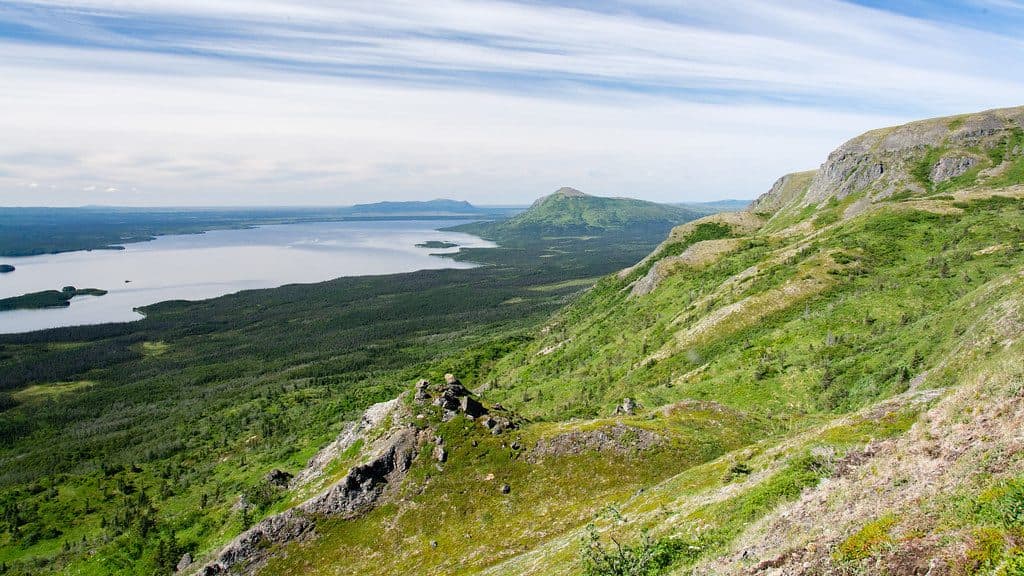
This is Katmai’s climb-above-camp hike: a steep, view-forward out-and-back that starts in Brooks Camp Campground and tops out on Dumpling Mountain. The maintained path ends at Dumpling Overlook, about 1.5 miles one way with roughly 800 feet of gain. Continue beyond the overlook on an unmaintained route across tundra to reach the high point marked by an antenna. Total distance to the summit is about 8 miles round-trip, with roughly 2,000–2,600 feet of elevation gain, commonly taking 5+ hours. If you only have a short window, the overlook is a solid turnaround.
Map & elevation
Plan your hike

The highest, rockiest slopes around here are a summer buffet for grizzly bears.
Katmai Tour Guide
Parkwolf is a GPS audio tour guide for Katmai National Park. As you drive, it chimes in with what’s ahead: hidden gems, upcoming stops, history, geology, and wildlife, right through your car’s speakers.
Recorded for this area
Arriving at Brooks Camp, Katmai's Bear Viewing Hub“You're approaching Brooks Camp, the main hub for bear viewing and history in Katmai.”
Plays on the road 0.2 mi from the trailhead in the Parkwolf Katmai Tour Guide.
More stories near here in the app
“Fantastic app with many points of information… It’s great to just turn on while you’re driving and it gives you an audio tour of the national Park. We love it!!!!”


Trail guide
The trail climbs from leafy boreal forest into subalpine meadows and, surprisingly quickly, open alpine tundra. From the overlook and higher, you get sweeping views over Brooks Camp, the Brooks River, Lake Brooks, and the vast Naknek Lake. On clear days the skyline stacks with Katmai-region volcanoes—Mount Mageik, Trident, Mount Griggs, and often-steaming Mount Martin—and you can pick out the head of the Iliuk Arm and the Ukak River delta draining the Valley of Ten Thousand Smokes. Naknek’s brilliant blue color comes from glacial flour and volcanic debris, with a moraine that intensifies the hue. In summer, tundra wildflowers and low shrubs put on a surprisingly rich show—look for Labrador tea, alpine azalea, woolly lousewort, arctic willow, lupine, and more.
Expect a stout initial climb with switchbacks to the overlook. Beyond it, there’s no maintained tread: the route can be faint to nonexistent, crossing spongy moss and lichen, and sections can be severely overgrown with head‑high cow parsnip. After rain, brush holds water and will soak sleeves and pants; mud is common. Fog is a frequent wildcard—views can vanish, and route-finding becomes real work near the top where the path fades. This is prime brown bear country with dense brush in places; signs of bears (scat, claw marks) are common, and encounters do happen.
Wildlife
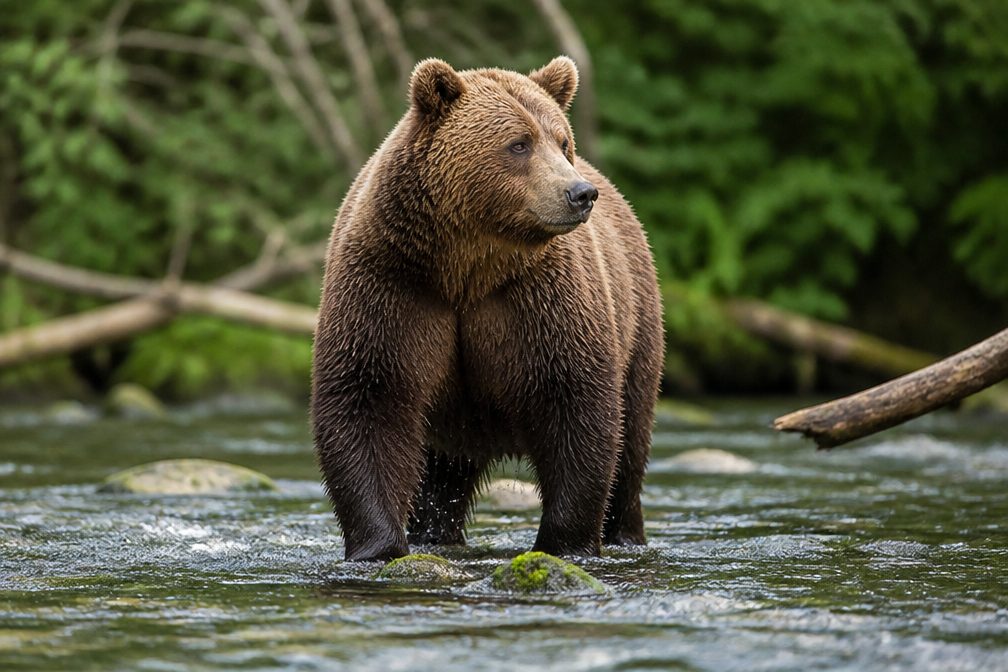 752 sightingsBrown BearMost seen around 7 PMSighting map
 55 sightingsSockeye SalmonMost seen around 11 AMSighting map
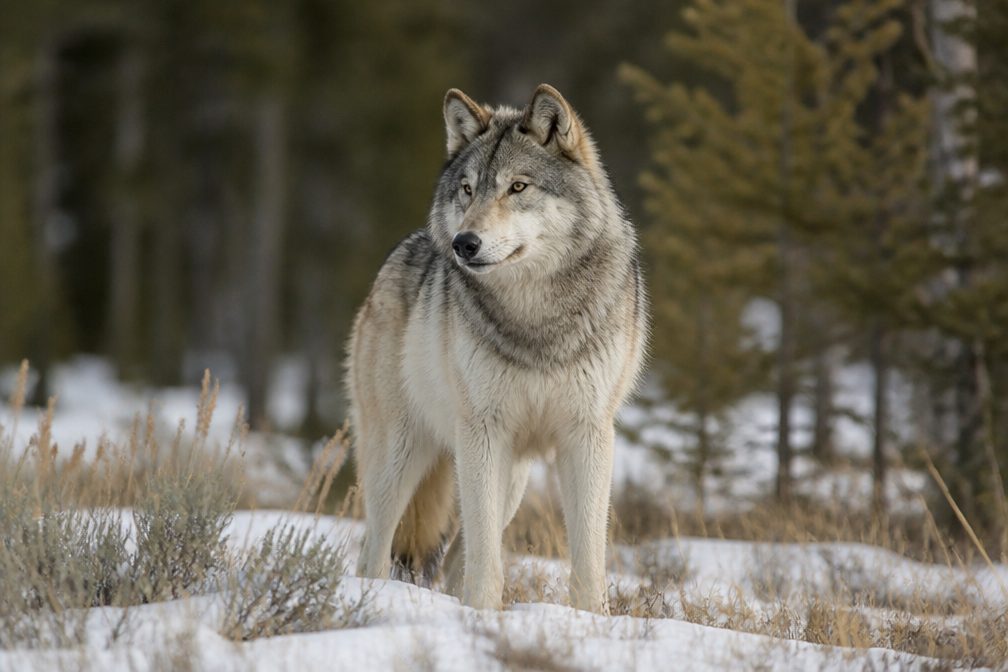 15 sightingsWolfMost seen around 9 PMSighting map
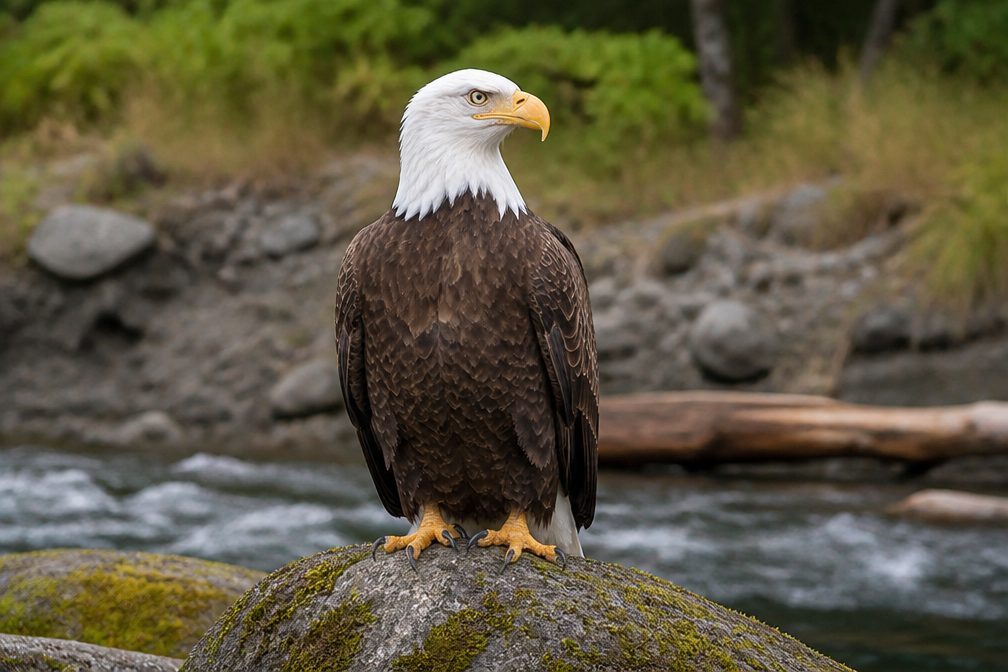 68 sightingsBald EagleMost seen around 5 PMSighting map
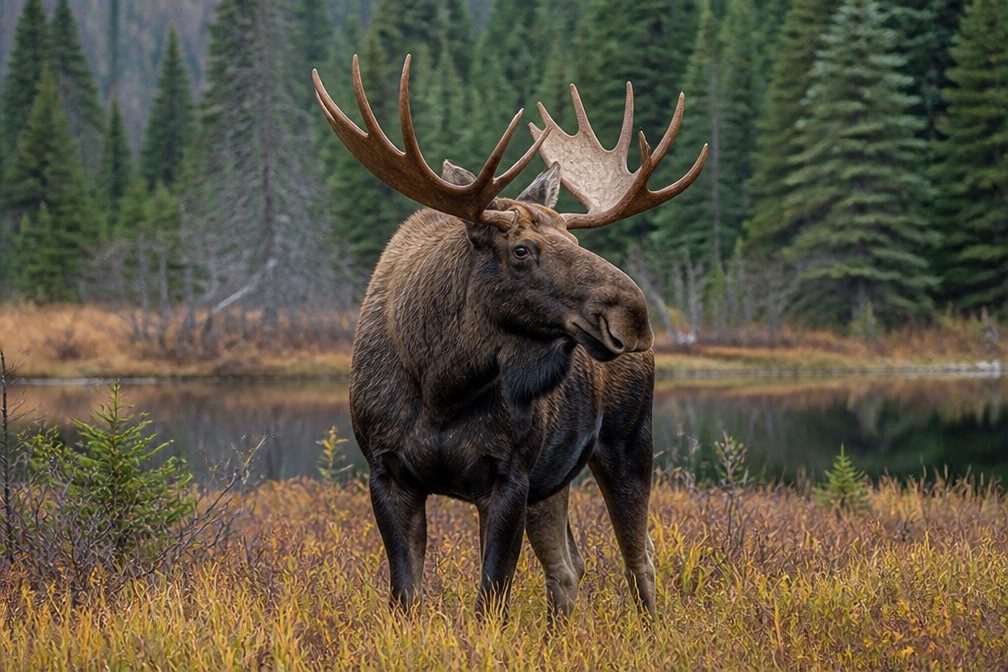 17 sightingsMooseMost seen around 6 AMSighting map
 19 sightingsBelted KingfisherMost seen around 7 AMSighting map
Sighting maps show where each species has been reported across Katmai. Wildlife moves, so no sighting is guaranteed.
Keep exploring
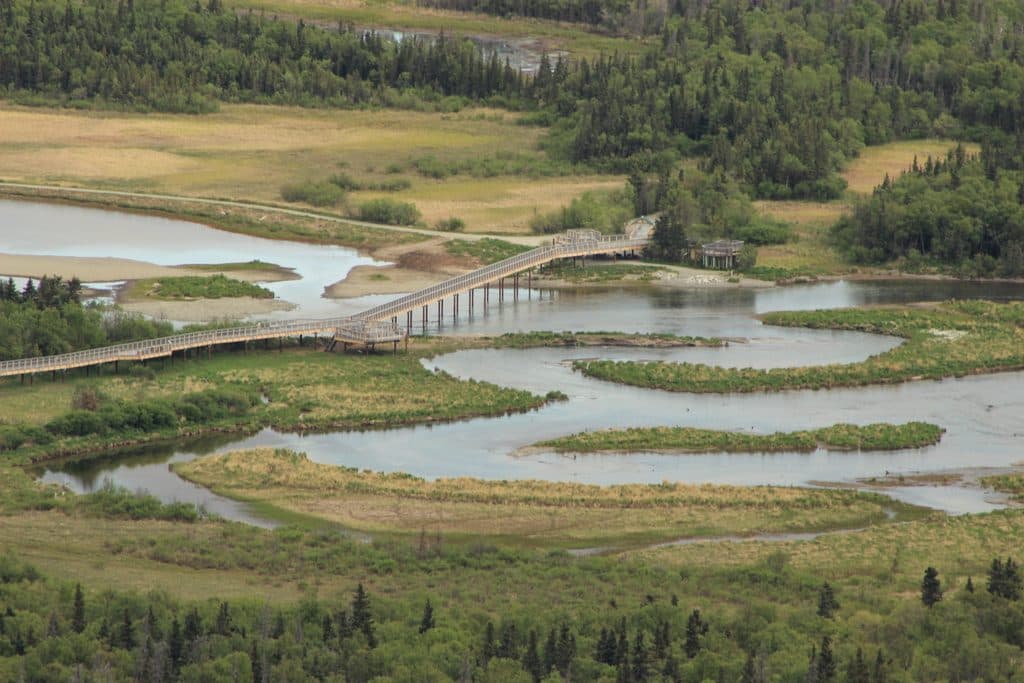 EasyBrooks River Elevated Boardwalk2.4 mi · 1 hr · 0.2 mi awayEasy Brooks Camp boardwalk and trail walk to bear viewing at Brooks Falls
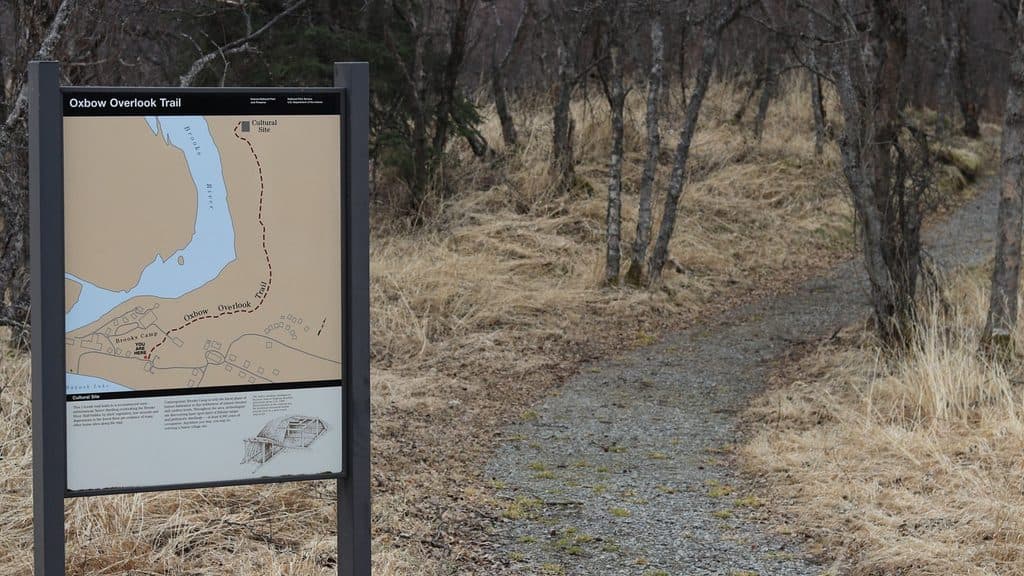 EasyCultural Site Trail0.5 mi · 15 min · 0.2 mi awayA flat, wheelchair-accessible 0.5-mile round-trip walk from Brooks Camp to a reconstructed Alutiiq home site.
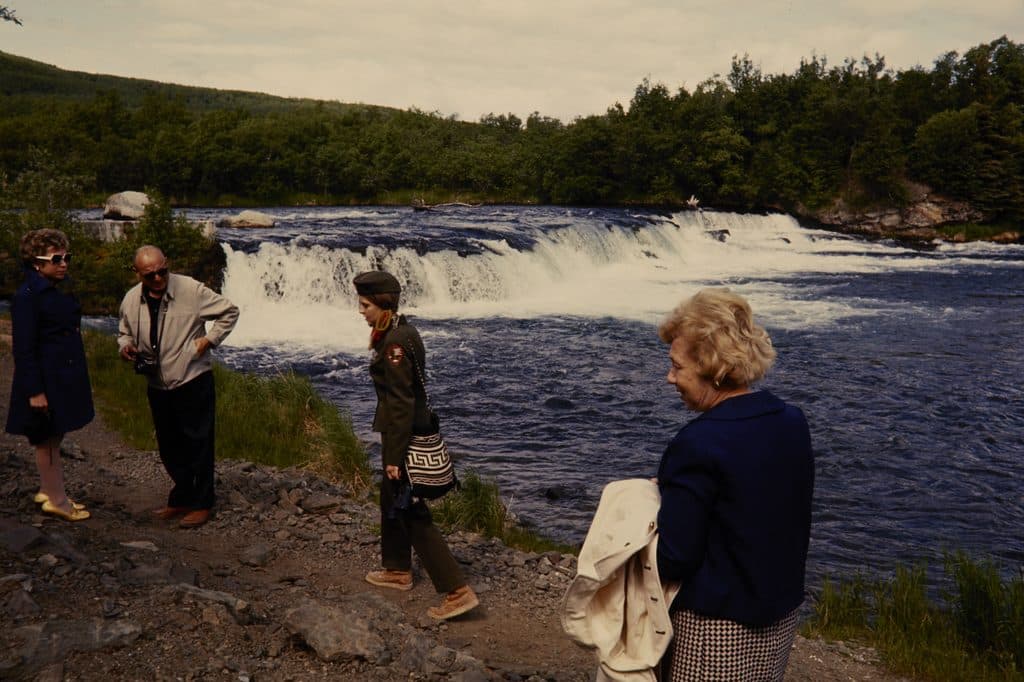 EasyBrooks Falls Trail1.2 mi · 1 hr · 0.6 mi awayShort, flat walk to world-class brown bear viewing platforms
 Campground · At the trailheadBrooks Camp CampgroundFenced tent camping steps from world-class brown bear viewing
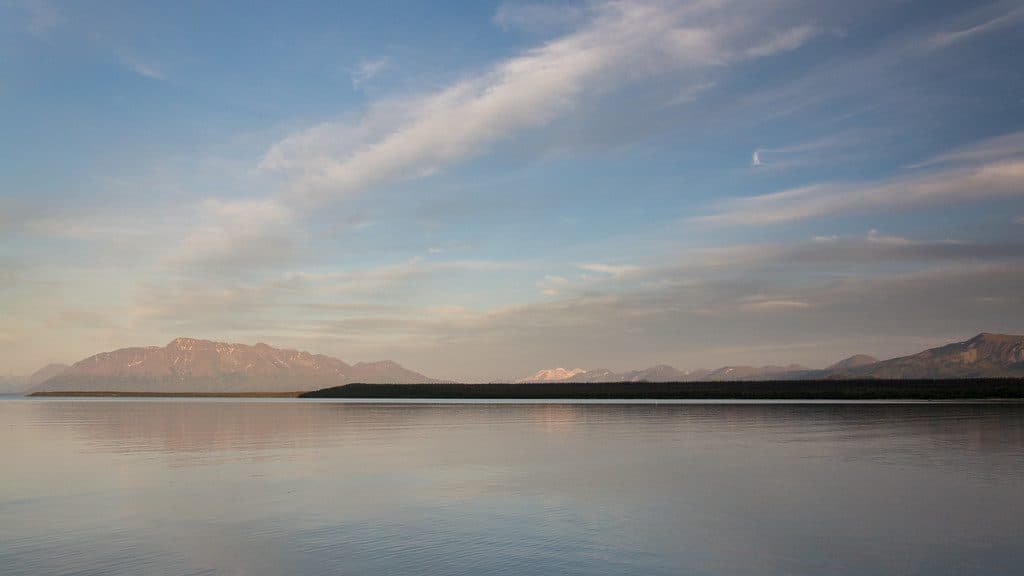 Sight · 0.2 mi awayBrooks CampBear-viewing hub with lodge, campground, and tours to Ten Thousand Smokes
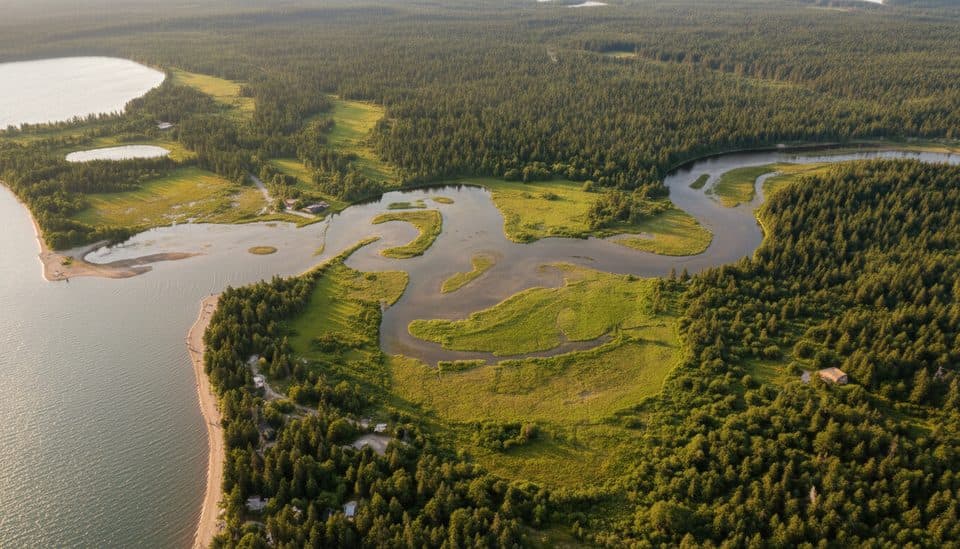 Sight · 0.2 mi awayLake Brooks Seaplane BaseFloatplane gateway to Brooks Camp and world-class bear viewing
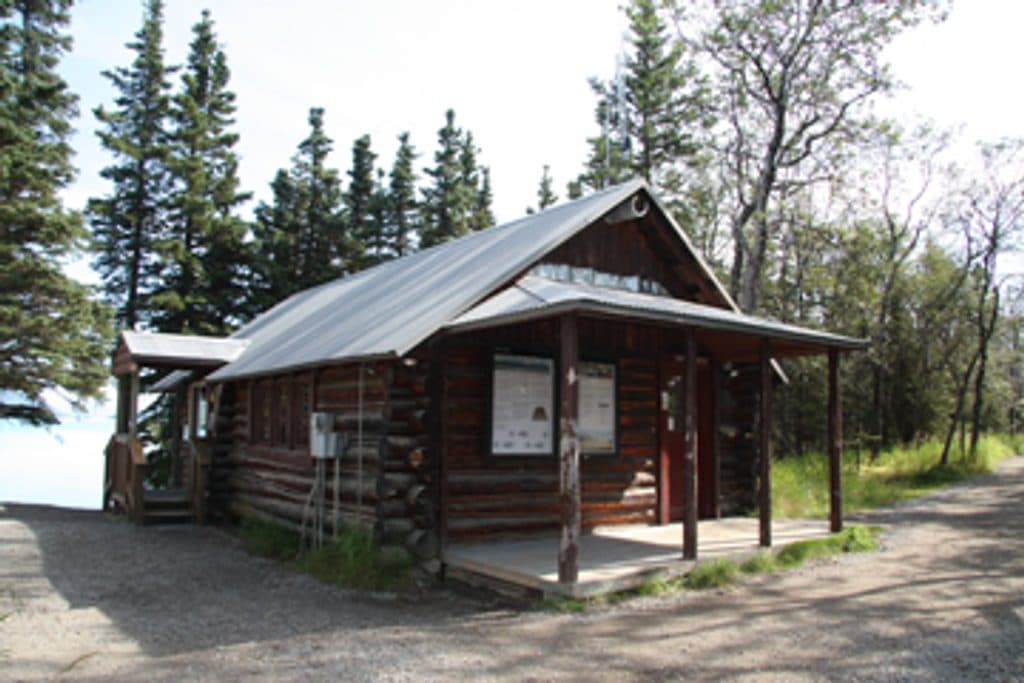 Ranger station · 0.2 mi awayBrooks River Historic Ranger StationKatmai’s first NPS building, a humble 1955 log ranger station
 Visitor center · 0.2 mi awayBrooks Camp Visitor CenterBear school, maps, and gear hub on the shore of Naknek Lake
 Lodging · 0.3 mi awayBrooks LodgeRustic lodge steps from Brooks Falls and world-class bear viewing
 Sight · 0.3 mi awayPrehistoric Alutiiq Pit HouseReconstructed Alutiiq pit house near Brooks Camp
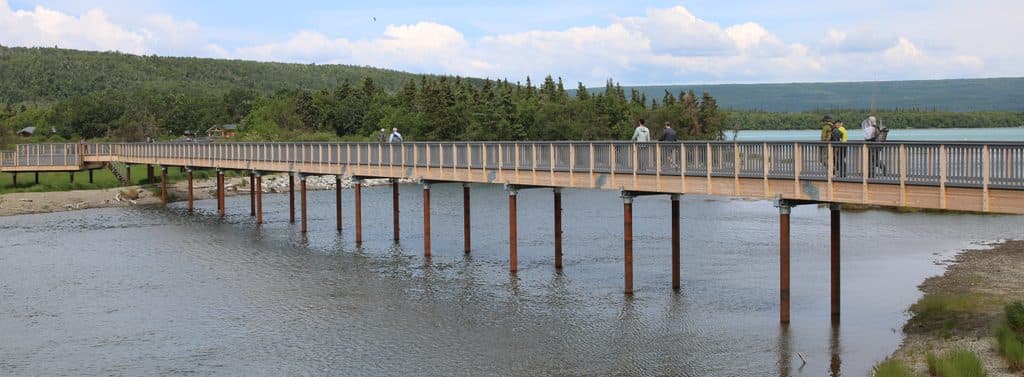 Sight · 0.4 mi awayBrooks River BridgeElevated crossing with bear‑side views and fewer bear‑jam delays
Parkwolf’s Katmai ranking

The audio tour guide for the drive, plus offline maps, trails, and wildlife heatmaps for when the signal drops.