Prehistoric Alutiiq Pit House

Reconstructed Alutiiq pit house near Brooks Camp
Prehistoric Alutiiq Pit House, Katmai National Park
InsideKatmai National Park

Overview

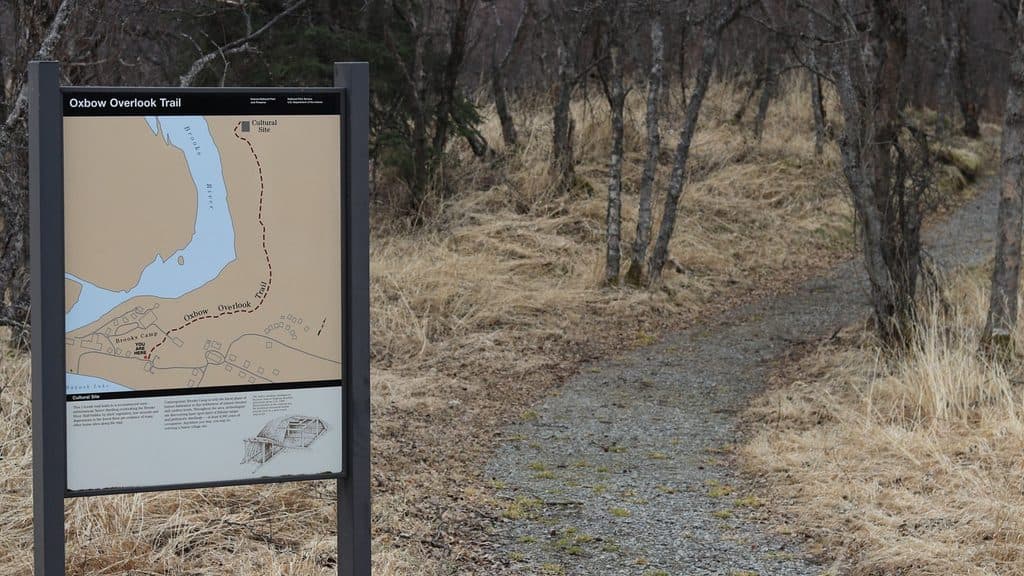
A short walk from the Brooks Camp Visitor Center, this reconstructed semi-subterranean Alutiiq house (ciqlluat, sometimes called a barabara) puts you eye-to-eye with 700 years of human history. Built in 1968 directly on the footprint of an excavated dwelling near Brooks River, it’s intentionally left partially open so you can study its interior details up close.

How it was built

These homes were engineered for cold, windy winters. A tunnel-like entry drops below the main floor to form a cold trap—keeping denser cold air low so the living space stays warmer. The frame likely used split cottonwood logs over a wooden superstructure, with a domed roof insulated by sod and sphagnum moss. Inside, a central hearth anchored daily life. Because the house pits could flood during thaws and heavy summer rains, they were most suited to winter use.

Why it matters

You’re standing within the Brooks River Archaeological District, a National Historic Landmark renowned for volcanic ash layers that create a clear timeline of human occupation spanning more than 4,500 years. People lived along Brooks River until at least the early 1800s, with villages here abandoned around 1300 AD—possibly linked to volcanic upheaval. The reconstruction draws on decades of archaeological work that illuminates shifting lifeways across millennia.

What you’ll see and learn

Beyond the architecture, the site represents a toolkit-rich culture: across Brooks River excavations, archaeologists documented ground slate ulus for salmon processing, adzes for woodworking, stone scrapers, sewing awls, and oil lamps for heat and light. It’s a compact, vivid window into how families stayed warm, worked, cooked, and thrived through long winters.

Visiting logistics

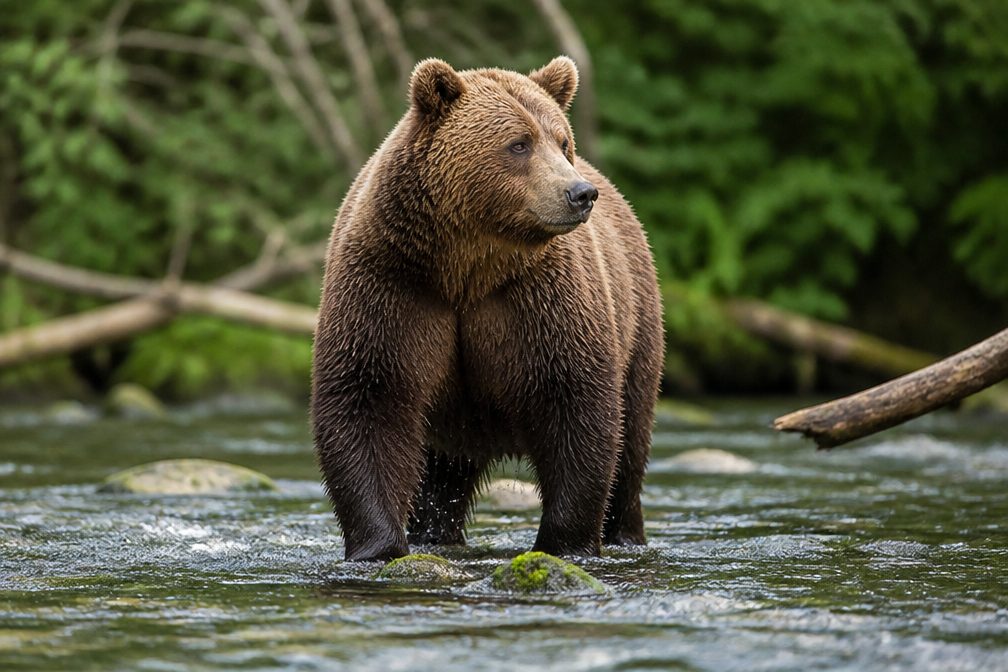
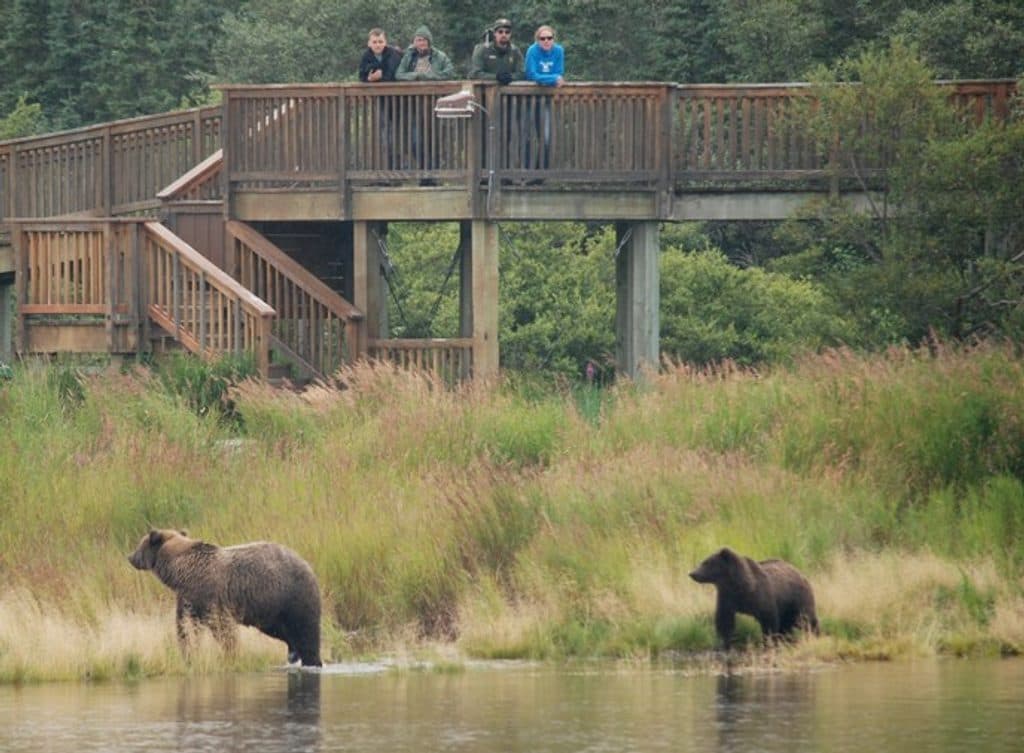
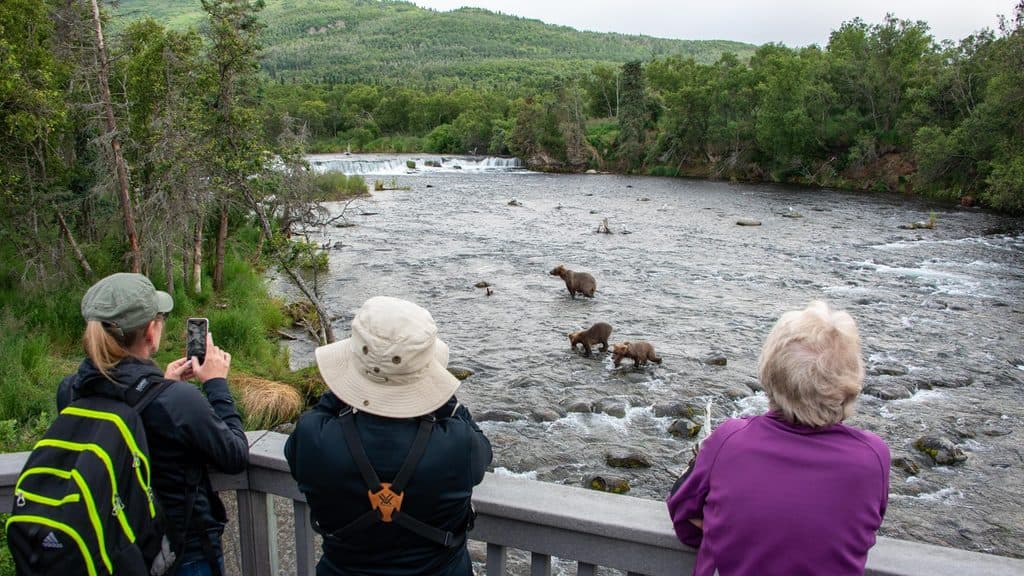
There are no roads to Brooks Camp; most visitors arrive by floatplane or water taxi from King Salmon. The cultural site itself has no dedicated amenities—restrooms and services are at Brooks Camp. Expect bears along the short forested path and complete the mandatory bear-safety orientation before exploring.

Programs and access

In summer (early June to mid-September), rangers typically lead daily, hour-long walks to the pit house. Prefer to go solo? You can sign out a key at the visitor center for a self-guided look. Schedules and access can change with bear activity or erosion work—check at the desk when you arrive.

Best time to visit

Early June through mid-September aligns with ranger programs and the broader Brooks Camp season. Time your visit to coincide with a guided walk for richer context, and be flexible—temporary closures for bears are part of the deal here.

Protecting the past

Stay on marked paths, don’t step into other house-pit depressions, and never touch or remove artifacts. Treat the area with the respect you’d show an active community—because for Alutiiq/Sugpiaq descendants, it still is.

Pros

  • Authentic reconstruction on an excavated house site with visible cold-trap and hearth
  • Seasonal ranger tours and self-guided access via key from the visitor center

Cons

  • No onsite facilities; use Brooks Camp for restrooms and services
  • Access to Brooks Camp is by plane or water taxi—no road access

Tips

  • Ask at the visitor center about the daily ranger-led walk to the pit house.
  • For self-guided access, sign out the key at the visitor center.
  • Complete the Brooks Camp bear-safety orientation and expect bears on the path.
  • There are no facilities at the site; use restrooms at Brooks Camp.
  • You’ll need to fly or take a water taxi to Brooks Camp—plan transport early.
The Parkwolf tour guide sitting on a phone mounted in a car

Parkwolf Tour Guide

Like a tour guide in your car.

Save the places you found around Katmai, then let Parkwolf guide the drive between them.Download Parkwolf on the App Store