
Place · 2.4 mi away
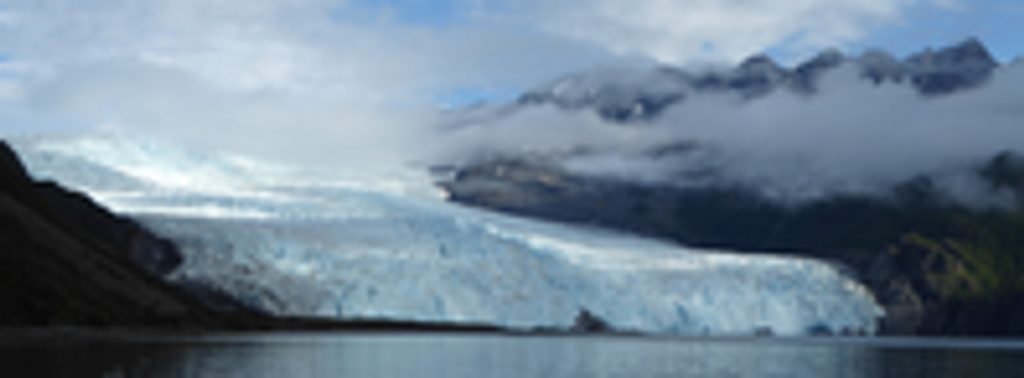
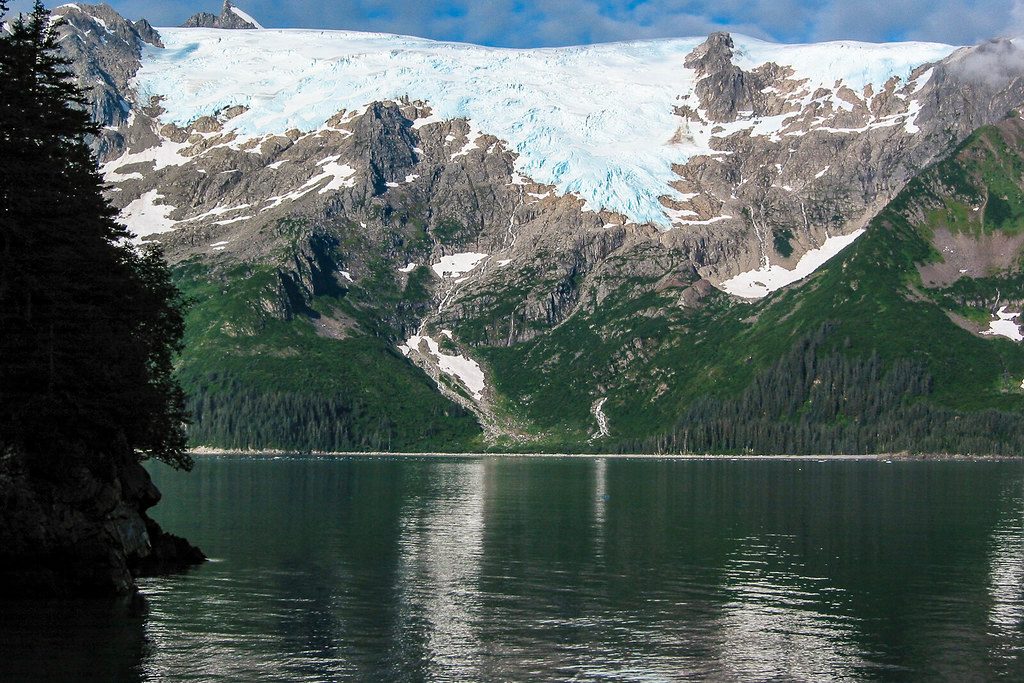
Aialik Bay is a glacier-carved fjord about 33 miles south of Seward, defined by steep mountains, deep coves, and a front-row seat to tidewater ice. It’s remote, undeveloped, and delivers that classic fjord drama—ice cliffs thundering into the sea, bergs drifting past, and wildlife popping up all around.
The headline act is Aialik Glacier: the largest, most actively calving tidewater glacier in the area, roughly 1.5 miles wide and 3.5 miles long. Calving is especially frequent in May and June, when massive chunks shear off the face and detonate into the bay—an unforgettable sound-and-sight show.
There are no roads here. Most visitors arrive by boat from Seward (often a couple of hours via Resurrection Bay). Day cruises, water taxis, and guided kayak trips are the standard ways to explore. Expect a rugged, self-reliant experience with no services once you’re out in the bay.
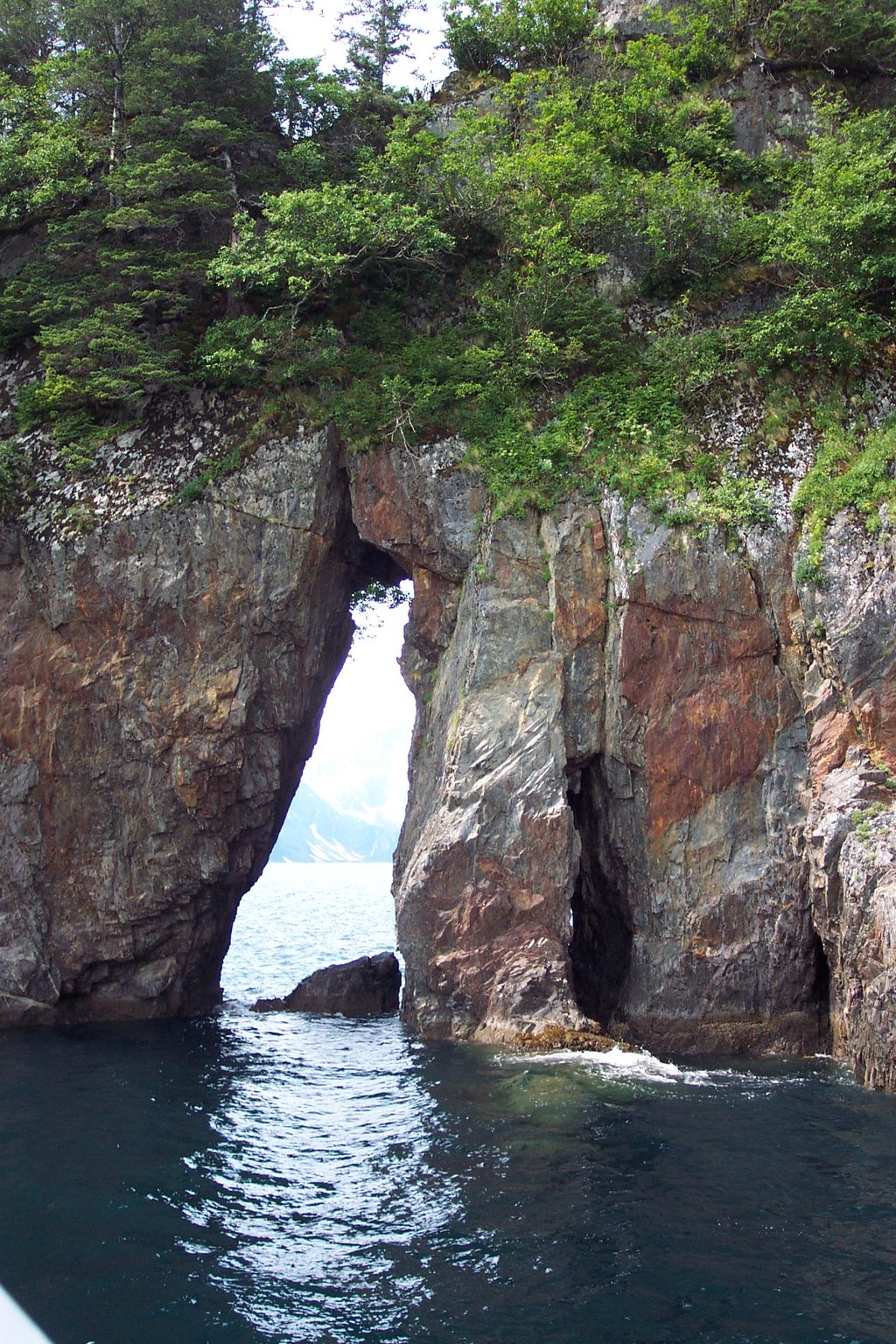
Beyond Aialik Glacier, the bay branches into side arms and coves—Holgate Arm and the Pedersen area among them—plus a sprinkling of rocky islands. Fjord walls rise straight from the water, forests sweep down to the shoreline, and icebergs bob in the inky water. The bay’s internal “Aialik Sill” is a notable shoal where depths rise dramatically, a clue to how the fjord once ended before the glacier’s retreat.
This is prime marine-wildlife country. Look for humpback whales, orcas, harbor seals, sea otters, Steller sea lions, and porpoises. Bird life is equally rich—puffins and eagles are the headliners. Onshore, you may spot bears nosing beaches and mountain goats clinging to cliffs.
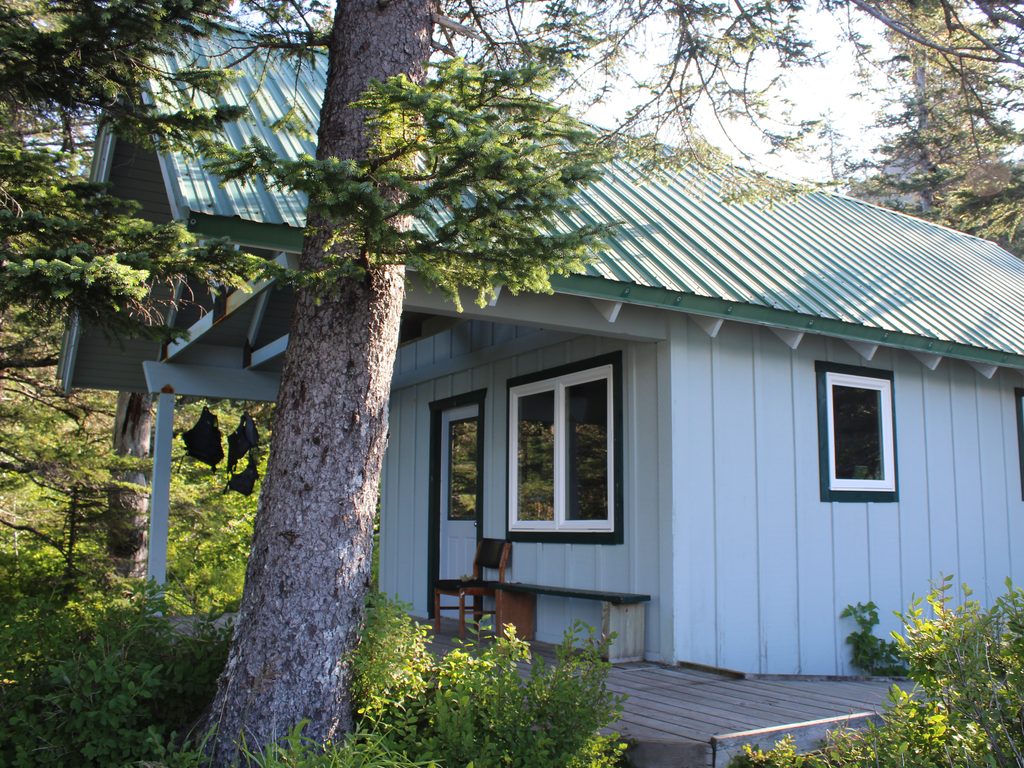
Two public use cabins sit within the bay area (one near Aialik, one in Holgate Arm), and there’s also Kenai Fjords Lodge in the Aialik area. Cabins require advance reservations and self-sufficiency. Wilderness beach camping is available in select coves; bring bear-proof food storage and all supplies.
Weather turns on a dime—rain, wind, and fog are part of the deal. Seas can kick up quickly, and cold spray is a given. For paddlers, ice, waves, and wind demand conservative planning. There are no services in the bay; bring everything you need, and expect to be self-reliant. Popular glacier faces can see clusters of tour boats in peak season.
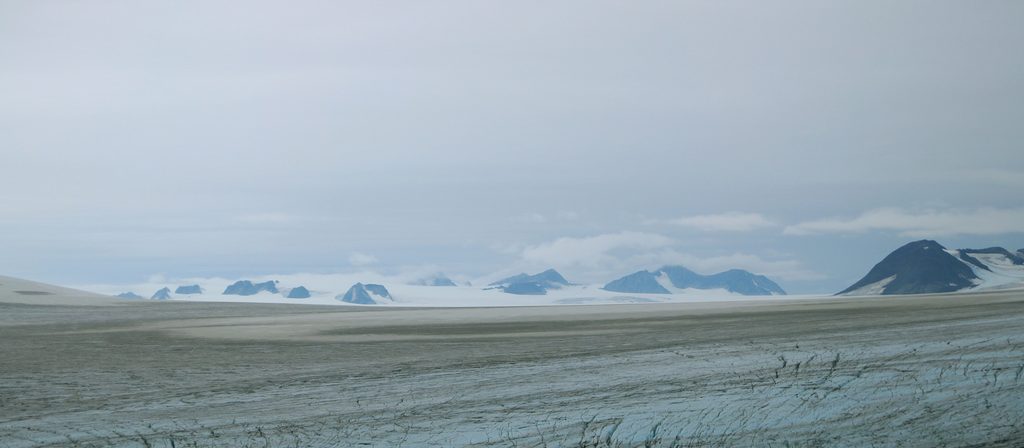
Fed by the Harding Icefield, the bay’s glaciers have sculpted the landscape. Aialik Glacier has retreated roughly 4.5 miles from its maximum extent, leaving behind the dramatic fjord you see today. The Aialik Sill—shallow in spots to about 18 feet—marks an older margin of the bay. The name “Aialik” was recorded by Russian explorers from an Indigenous term.
May–June is prime for frequent calving and lively wildlife. Whatever the month, pack serious rain gear and insulation, plus food, water, and emergency supplies. Binoculars and a camera are worth their weight when whales, puffins, or falling ice put on a show.
Place · 2.4 mi away
Place · 4.9 mi away
Place · 5.2 mi away
Place · 5.3 mi away
Challenging · 29.4 mi away
Easy · 29.4 mi away
Easy · 29.4 mi away
Easy · 29.4 mi away

Parkwolf Tour Guide
