
Place · 1 mi away
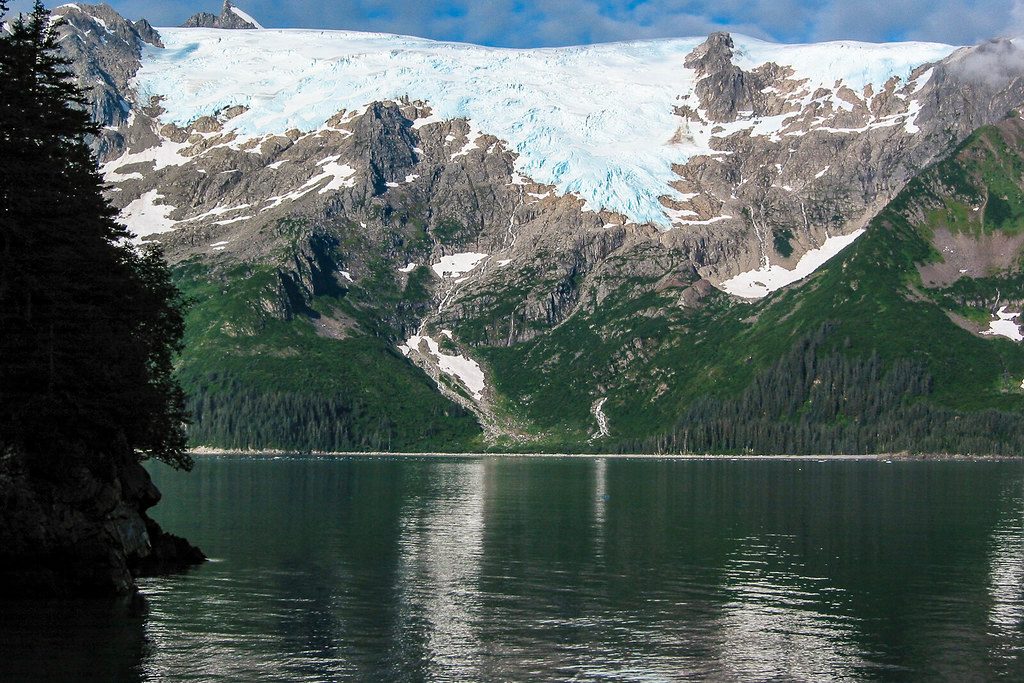
Holgate Arm is a narrow, glacier-carved fjord branching off Aialik Bay, ending at the dramatic face of Holgate Glacier. It’s boat-in wilderness—no roads, no crowds—where steep forested walls drop to cobble beaches and floating ice drifts past your bow.
At the head of the arm sits Holgate Glacier, a tidewater glacier that calves right into the sea. Calving events are common and unforgettable—the thunder, the splash, the echo bouncing off the fjord walls. The glacier is also noted as one of the few in the region that’s currently advancing, a rarity that makes time here feel even more alive.
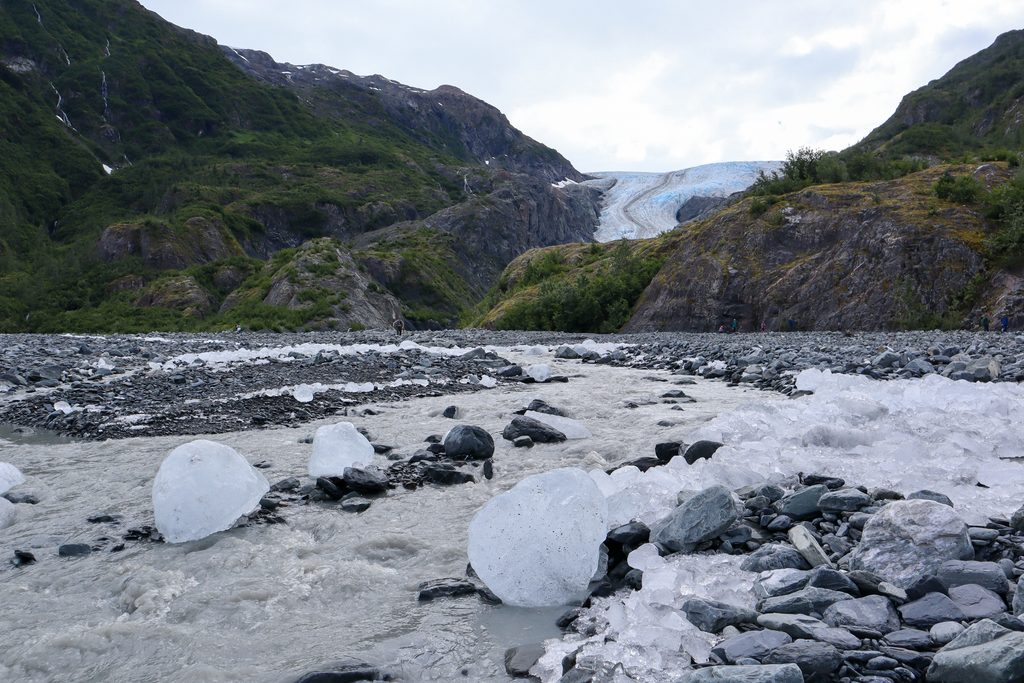
Expect ice-studded waters, spruce-clad slopes, and the glacier dominating the view at the arm’s end. Wildlife is a big part of the experience: harbor seals on ice, eagles overhead, seabirds working the currents, and occasional humpback whales near the bay’s entrance. Scan the cliffs of Holgate Head for mountain goats, and keep an eye on beaches for black and brown bears, especially when berries are in.
Holgate Arm is reached by water taxi, charter boat, guided cruise, or floatplane from Seward. Local water taxis use landing-craft style boats with drop-down bows to put people, gear, and even kayaks onto remote beaches. There’s no road access, no pullouts, no parking—plan all logistics around marine conditions and timing.
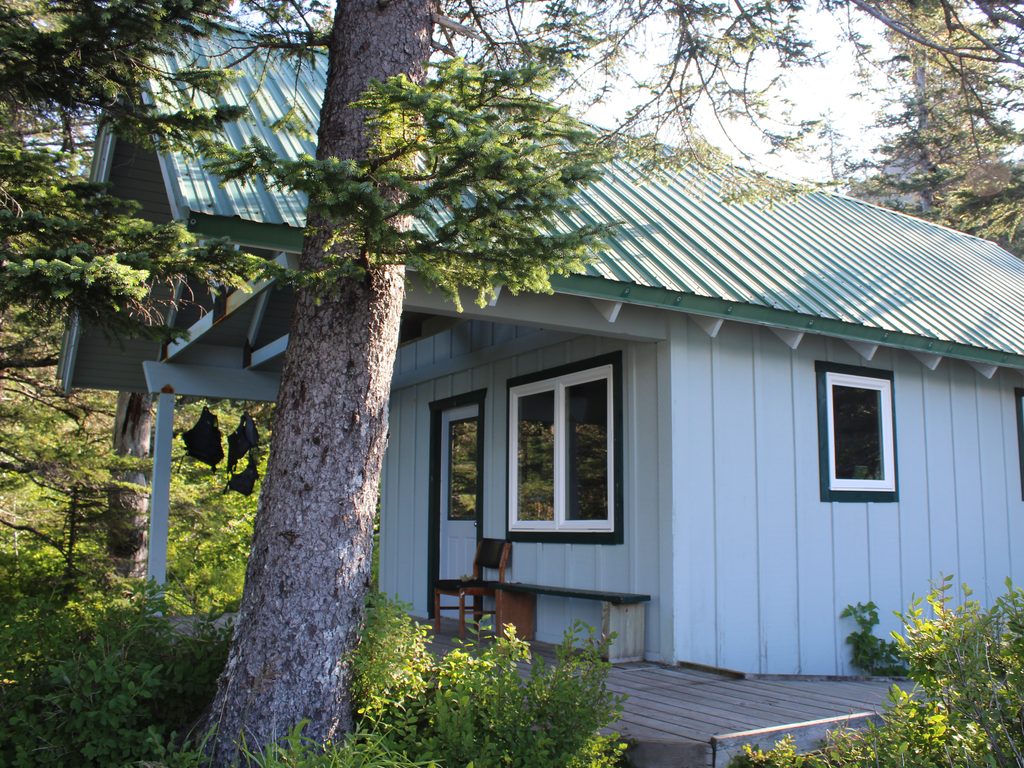
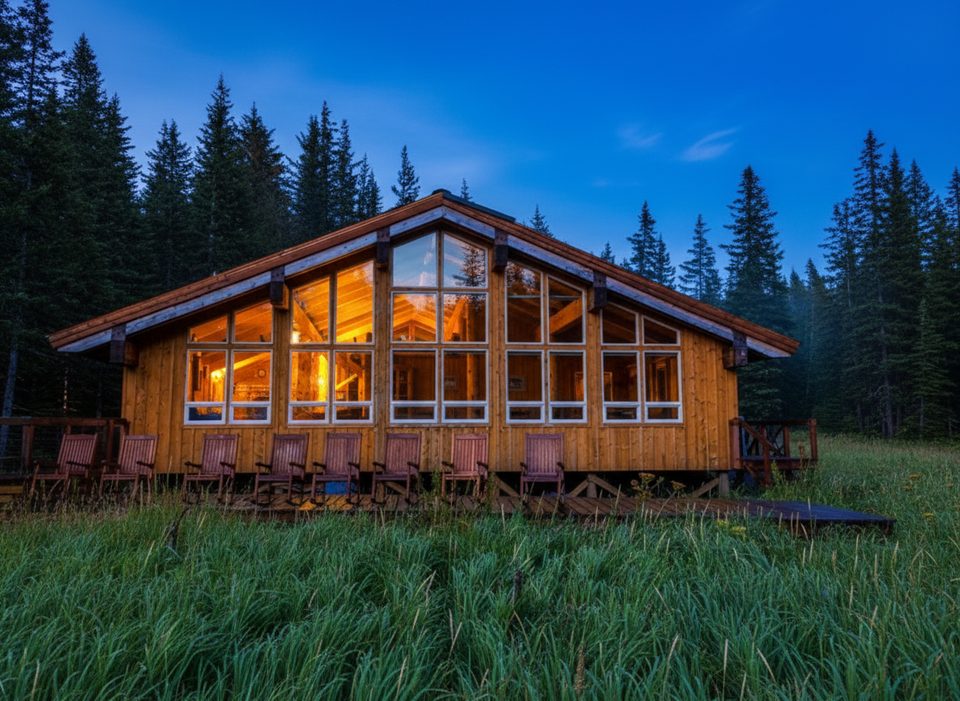
On the northeastern shore, a small bluff holds the Holgate Public Use Cabin (sleeps up to six). It’s rustic and simple: bunks, table and chairs, and an outhouse. There’s no electricity, Wi‑Fi, or running water; nearby natural water must be treated. The cabin is extremely popular—reservations open January 1 and fill fast—so book early and coordinate your transport well in advance.
Kayaking here is spectacular but serious. Weather turns quickly, winds can funnel down the arm, and ice is dynamic. If you’re not experienced, go with a guide. Bears are common along the shoreline—store food properly and follow strict food storage rules.
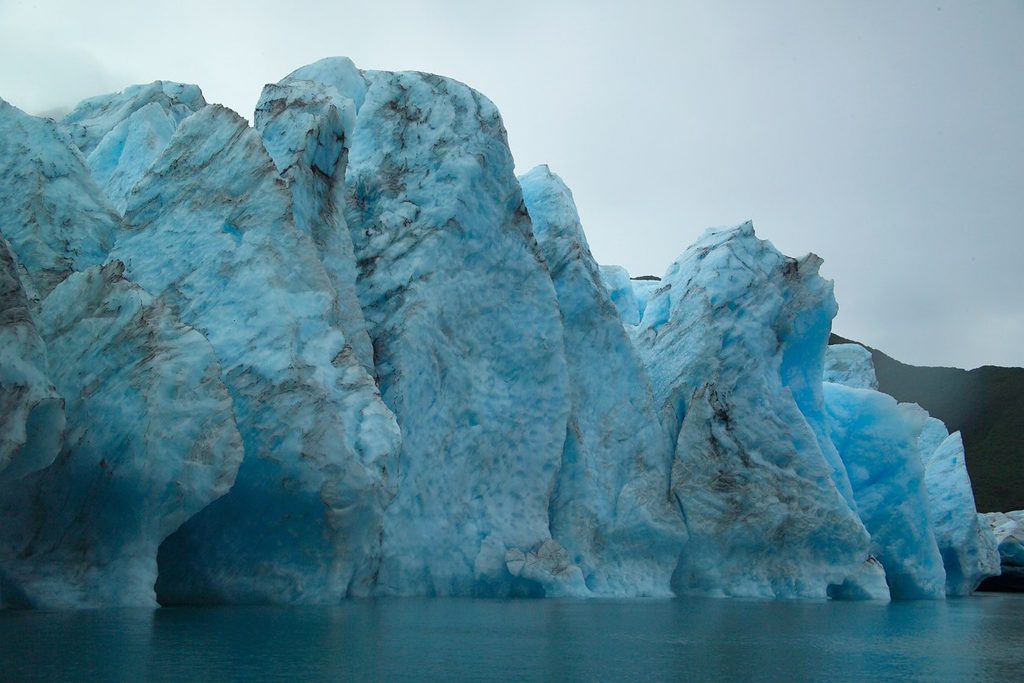
This is classic Alaska: blue ice, dark rock, green forest, and wildlife against big backdrops. A zoom lens helps with wildlife, while wide angles capture the glacier and fjord walls. The floating ice adds scale and texture—you’ll want extra batteries and memory cards.
If you want the sounds of ice breaking, the sight of a tidewater glacier up close, and a real taste of Kenai Fjords wilderness, Holgate Arm delivers—all the more so if you can snag the cabin or paddle with a guide.
Place · 1 mi away
Place · 4.1 mi away
Place · 4.5 mi away
Place · 4.5 mi away
Challenging · 25.5 mi away
Easy · 25.5 mi away
Easy · 25.5 mi away
Easy · 25.5 mi away

Parkwolf Tour Guide
