
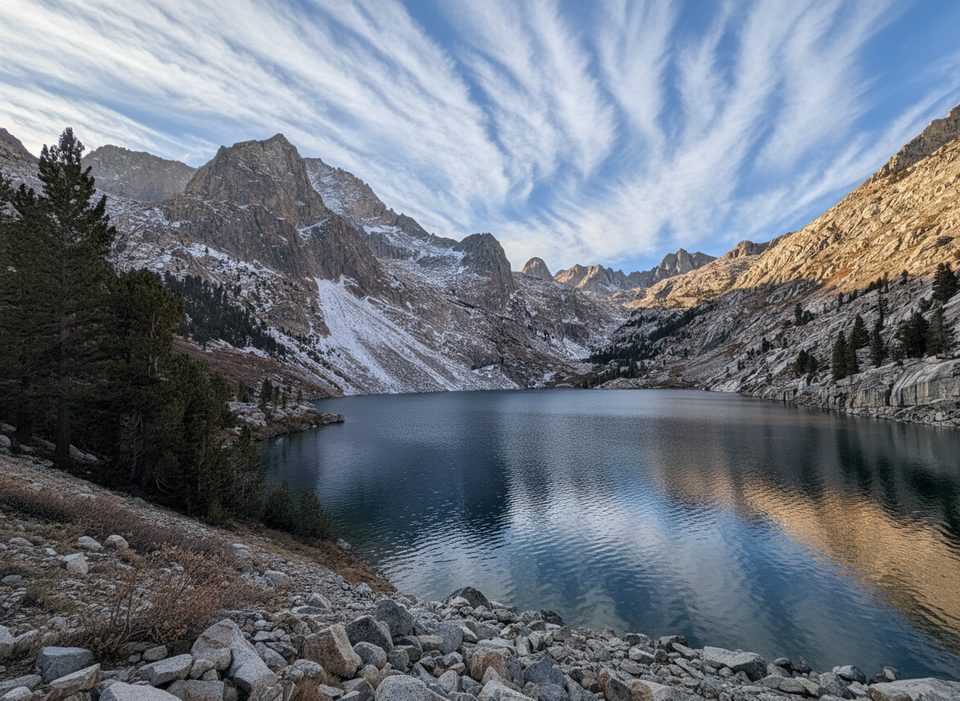
Place · 1.7 mi away
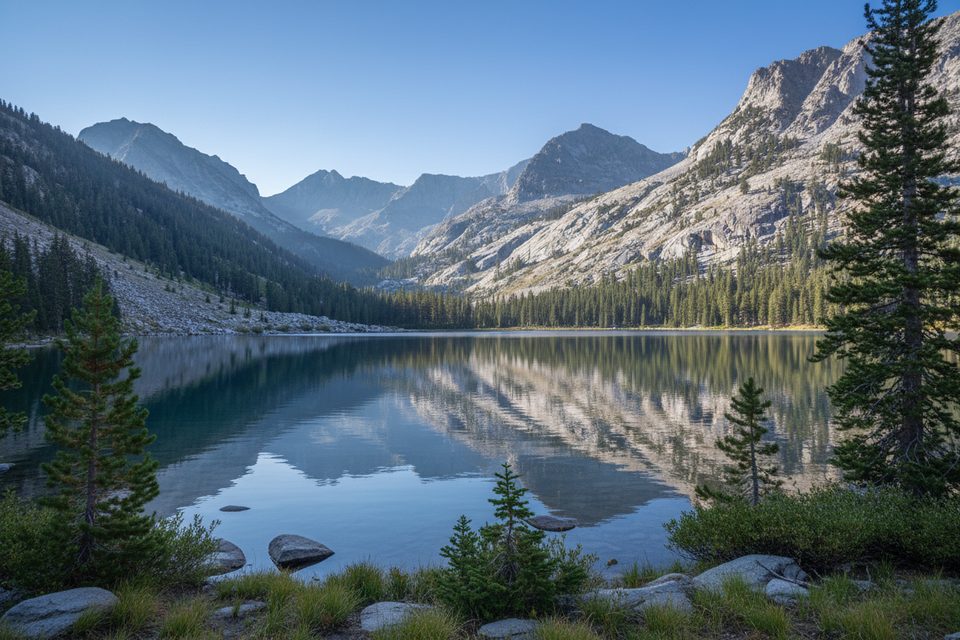
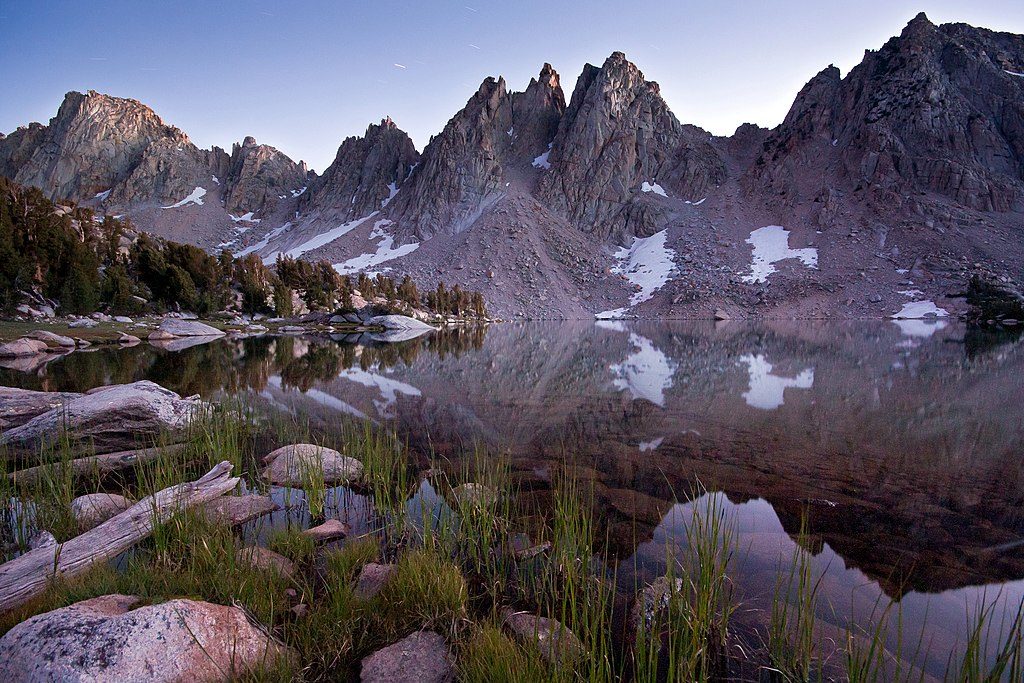
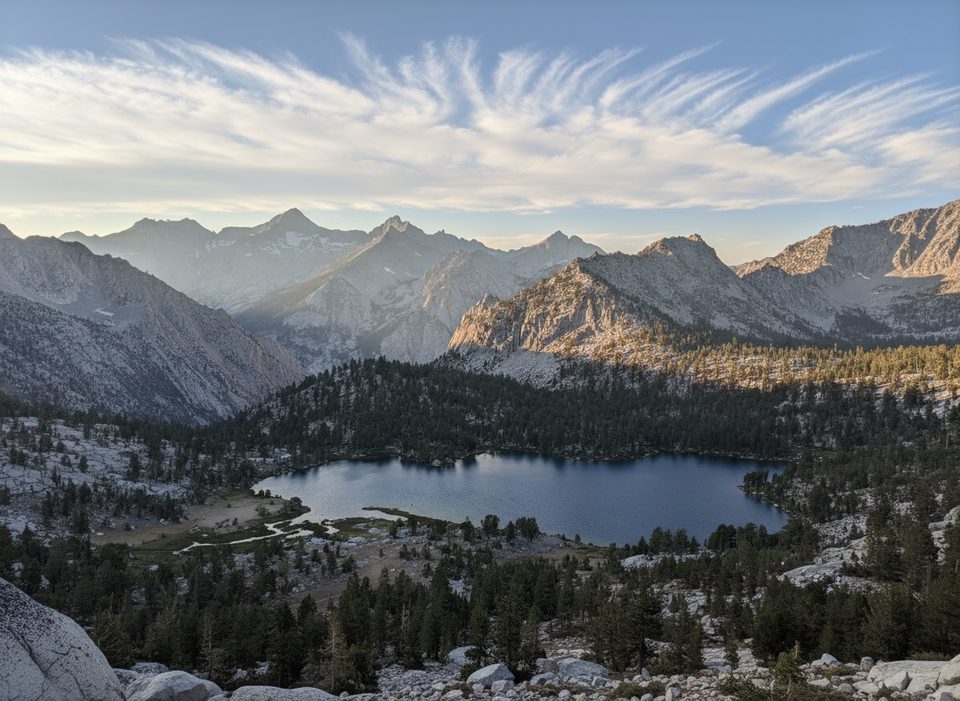
Lake Reflection is a remote High Sierra basin framed by polished granite and high peaks. On calm mornings the water lives up to its name, mirroring the cirque in crisp detail. It’s a true wilderness destination—no services, no cell signal, and plenty of solitude if you earn it.
Most parties start from Road’s End in the Cedar Grove area and follow the Bubbs Creek corridor. The drive down into the canyon is gorgeous but slow and winding, and services are sparse—fuel and food options are limited once you leave the gateway areas. Expect basic facilities in-season at Cedar Grove; beyond the trailhead, you’re on your own.
From Road’s End, climb up the Bubbs Creek Trail to Junction Meadow, then turn south up East Creek to East Lake. From East Lake, a use-path threads slabs and boulders to Lake Reflection. The approach is long with steady elevation gain; most backpackers plan a two- to four-day itinerary, using Junction Meadow and/or East Lake as camps. The final stretch to Lake Reflection is short but rugged and can be tricky to follow—keep East Creek as a handrail and take your time on the granite.
Wilderness permits are required for overnight trips, and quotas apply in peak season. Expect reliable water along Bubbs and East Creeks. East Lake has established camping areas (and bear boxes there), while camps directly at Lake Reflection are limited and scattered on durable granite benches. Carry and use a bear-resistant canister; don’t count on infrastructure once you leave the main corridor. Campfires are often restricted at higher elevations—check current rules before you go.
Late July through September is the sweet spot. Earlier in the season you may encounter high, pushy creek crossings and lingering snow on shaded slabs. Summer afternoons often bring thunderstorms; start early and be back in camp before the sky turns. Expect heat in the lower canyon and chilly nights at the lake. Wildfire smoke or temporary closures can change plans quickly—stay flexible.
You’re likely to see mule deer and marmots in the high country, with raptors and Clark’s nutcrackers overhead. Black bears frequent the lower valleys—store food properly and keep a clean camp.
If you’re up for a big, rewarding backpack with classic Sierra granite and fewer people, Lake Reflection is a standout. If you want easy access or a casual lakeside afternoon, this isn’t the one—consider camping at East Lake and day-hiking the last stretch for the best experience.
Aim for weekday arrivals in late summer for easier permits and mellower creek crossings. Start hiking at first light to beat heat on the lower climbs and catch calm, mirror-like water for photos. Sunrise and early morning offer the most reliable reflections; afternoons often bring wind and clouds.
Place · 1.7 mi away
Place · 2.3 mi away
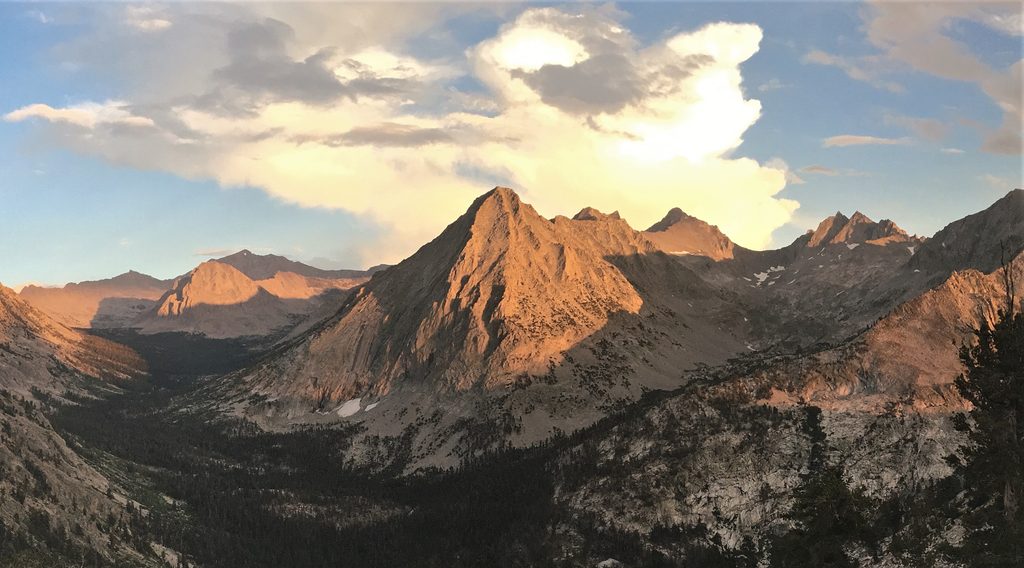
Place · 3.8 mi away
Place · 4 mi away
Challenging · 7.6 mi away
Challenging · 7.6 mi away
Challenging · 7.6 mi away
Challenging · 7.6 mi away

Parkwolf Tour Guide
