
Place · 1.6 mi away
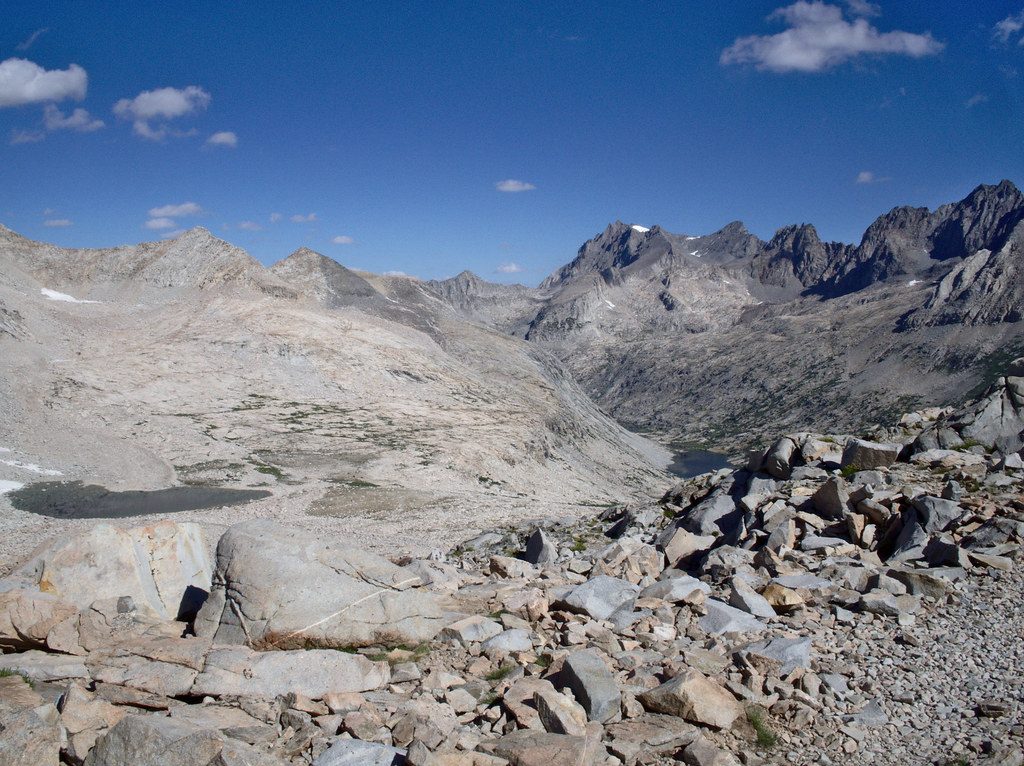
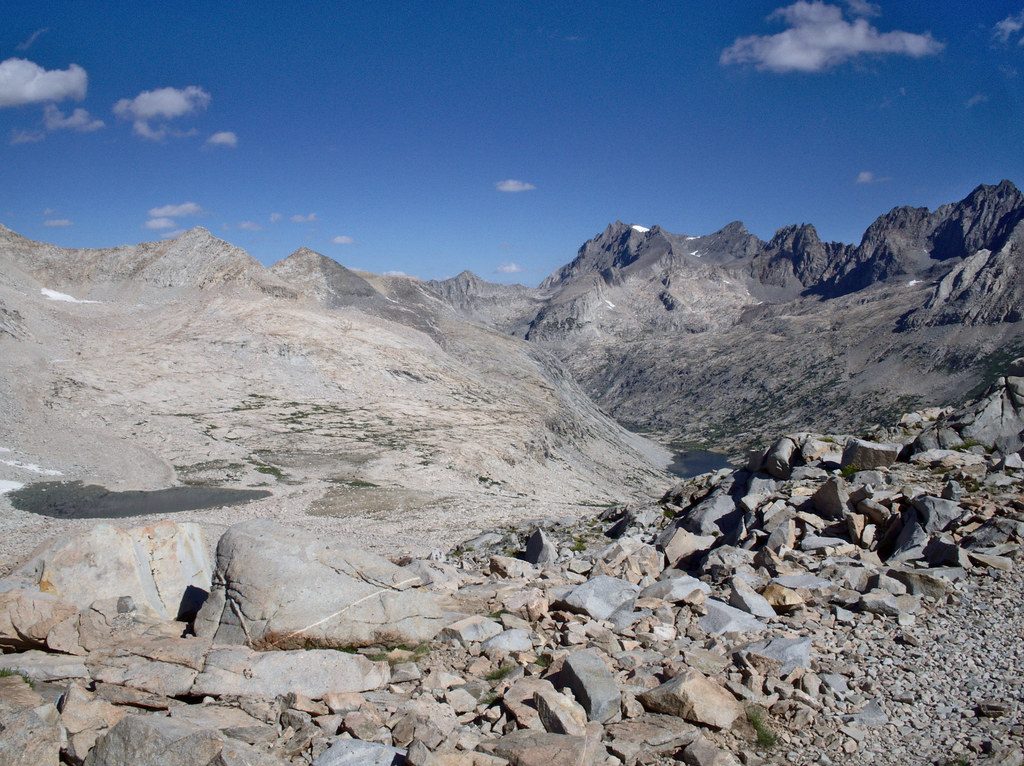
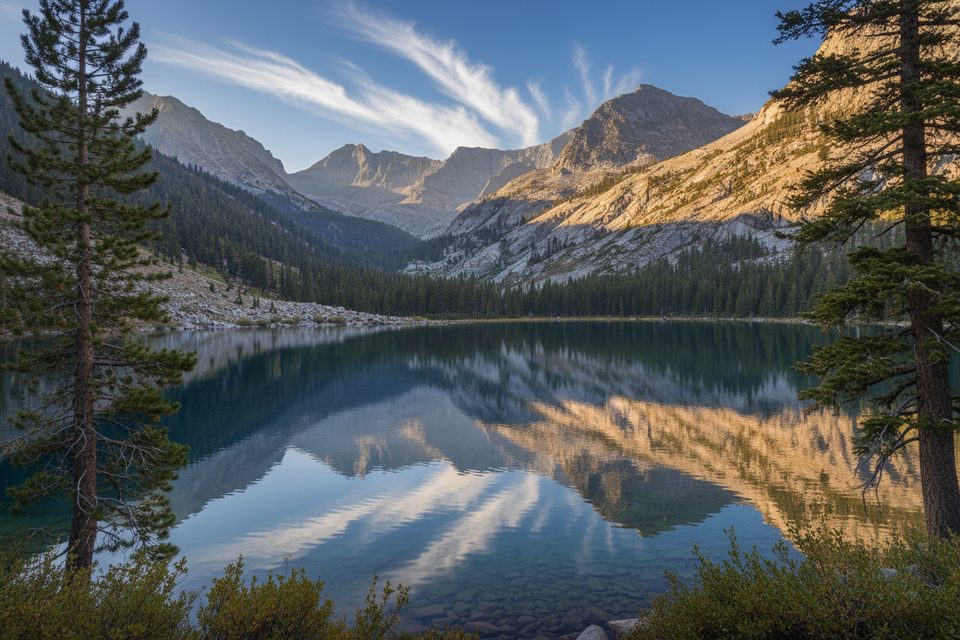
Palisade Lakes are a string of high, turquoise pools tucked beneath the Palisade Crest, bracketed by the Golden Staircase and Mather Pass on the John Muir Trail. Think big granite, wind-swept benches, and water so clear it feels polar. It’s remote enough to keep the casual crowds away, yet central to one of the JMT’s most dramatic stretches.
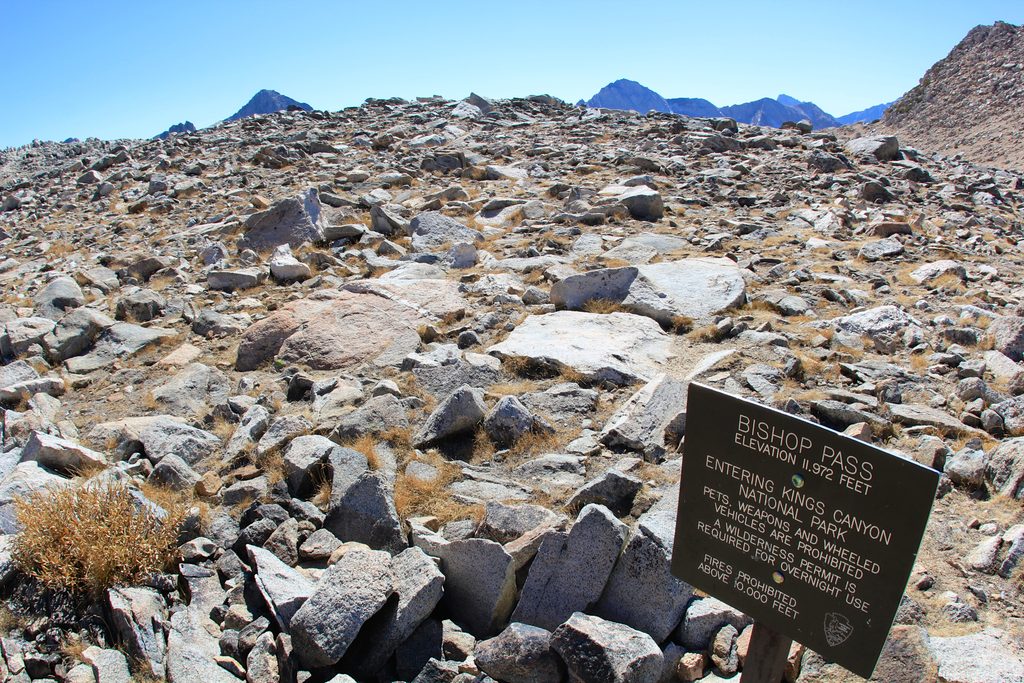
Most backpackers approach from the east via South Lake → Bishop Pass → Dusy Basin → down Le Conte Canyon (JMT) → up the Golden Staircase to Palisade Lakes. The Bishop Pass trail is superbly built and scenic, but you’ll feel the altitude near 12,000 feet and may encounter lingering snow or ice early and late season. Expect stout days and a lot of elevation—this is not a quick out-and-back.
Advanced parties sometimes weave in off-trail passes to reach the lakes: Knapsack Pass into Barrett Lakes (Palisade Basin), then Potluck and Cirque Pass to drop to Palisade Lakes. These high-route variations involve sustained talus, real route-finding, and, in places, moves that feel closer to Class 3–4; they’re slow and serious with overnight packs.
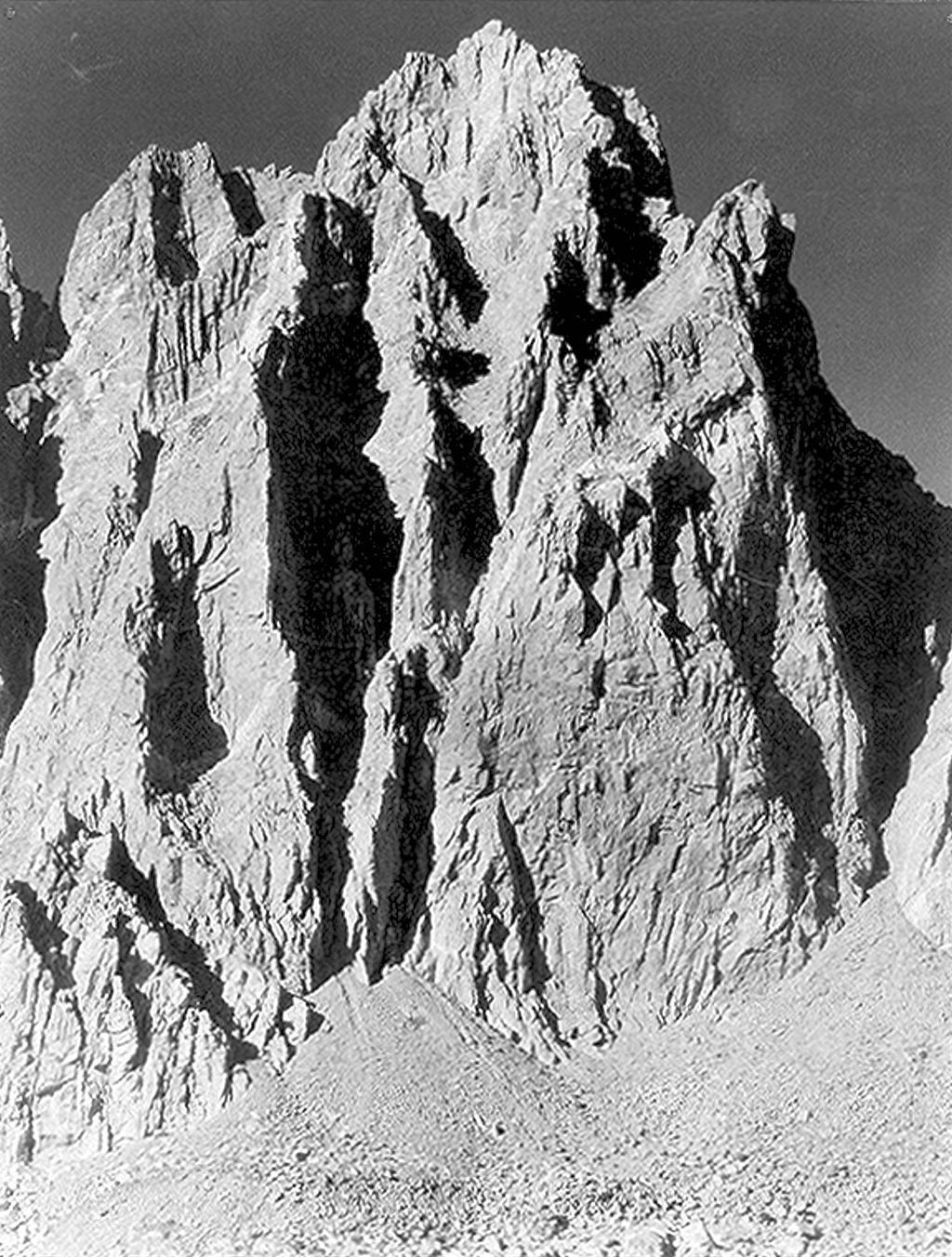
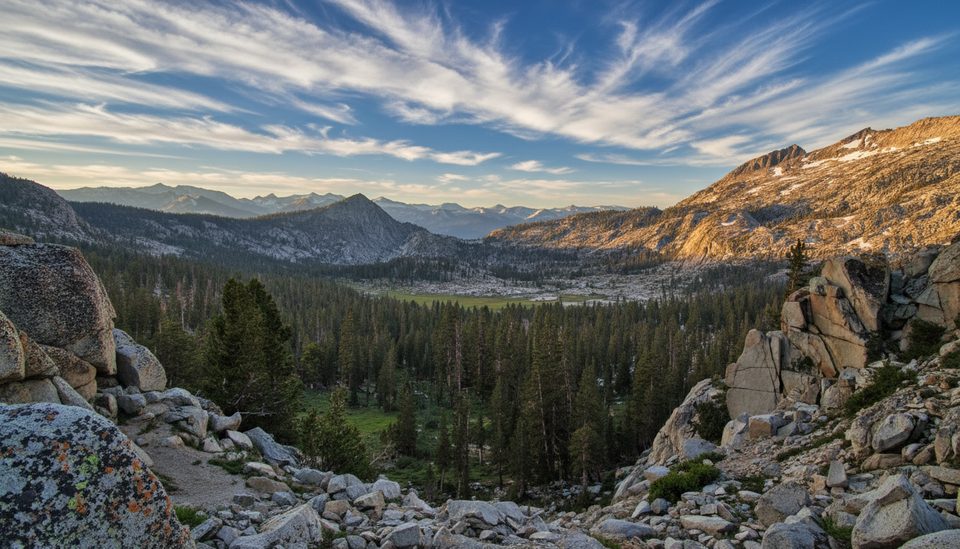
The lakes sit on broad, polished granite shelves with huge views to serrated peaks. It’s gorgeous and exposed—wind is common on these benches. Camps exist but flat spots are limited; arrive early and follow Leave No Trace. Despite the area’s fame, you can still find stretches of quiet, especially late season when weather cools and days shorten.
Mid-summer typically means mostly dry trail travel, though afternoon thunderstorms and gusty basin winds are a reality. In the shoulder seasons, expect verglas/ice pockets on shaded slabs near Bishop Pass and within the basins; traction and poles help, and starting later can let sun soften the ice. Early storms can force itinerary changes around the nearby passes—have a Plan B.
You’re in classic alpine habitat: marmots and pikas haunt the talus, and deer roam meadows. Black bears are present in the broader region; keep food secured and use a canister per current regulations. Marmots are bold around popular camps—treat all smellables like food.
All overnights require a wilderness permit. Your issuing agency depends on where you start (east-side entries like Bishop Pass are managed outside the park; west-side entries inside the park are issued by the park). Check current trail conditions before you go—updates can be sporadic in the shoulder seasons, so verify in person if you can. A satellite communicator/GPS is useful in these big basins and for off-trail passes.
For many, this is the soul of the High Sierra: big granite architecture, sky-reflecting lakes, and star-drenched nights—hard-earned, but unforgettable.
Place · 1.6 mi away
Place · 3.3 mi away
Place · 3.6 mi away
Place · 4.5 mi away
Challenging · 9.5 mi away
Challenging · 18.7 mi away
Challenging · 18.8 mi away
Challenging · 18.8 mi away

Parkwolf Tour Guide
