
Place
Challenging
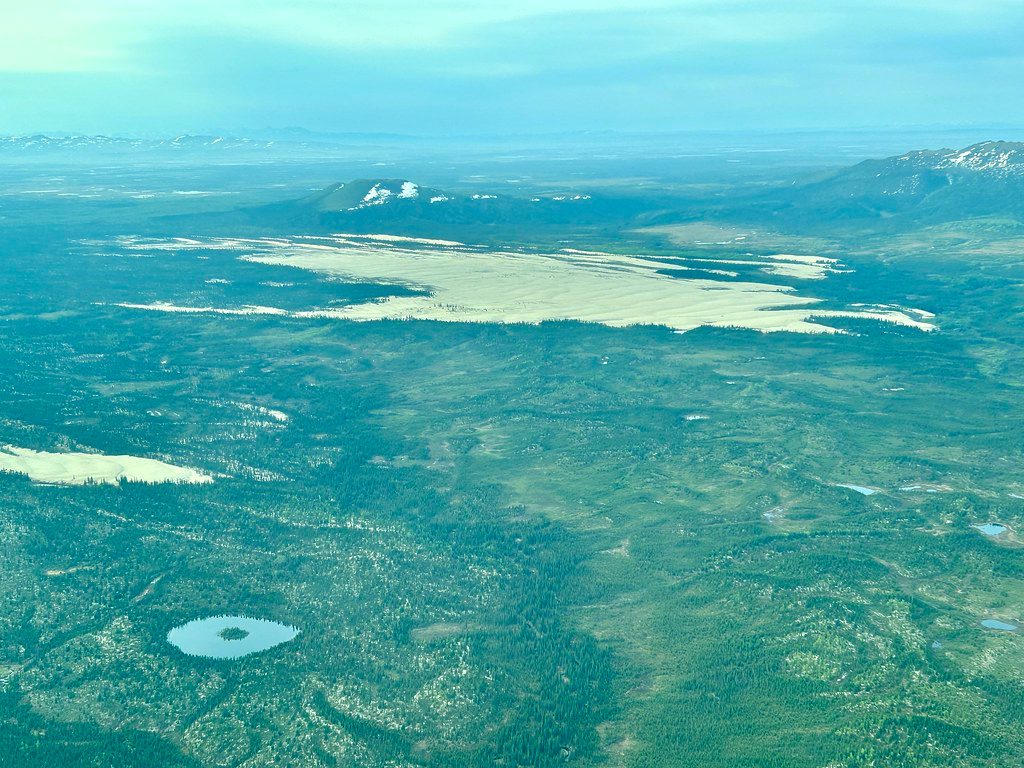
This is not a built or signed trail—it's a cross-country route that links the Kobuk River country with the Great Kobuk Sand Dunes. Expect a true orienteering outing across spongy tundra into shifting sand, with total self-reliance required. Plan on roughly 5 miles total (about 2–3 miles each way) if you’re doing the common out-and-back from the river, taking most parties around 4 hours. Travel is slower than you think on tussocks and sand.
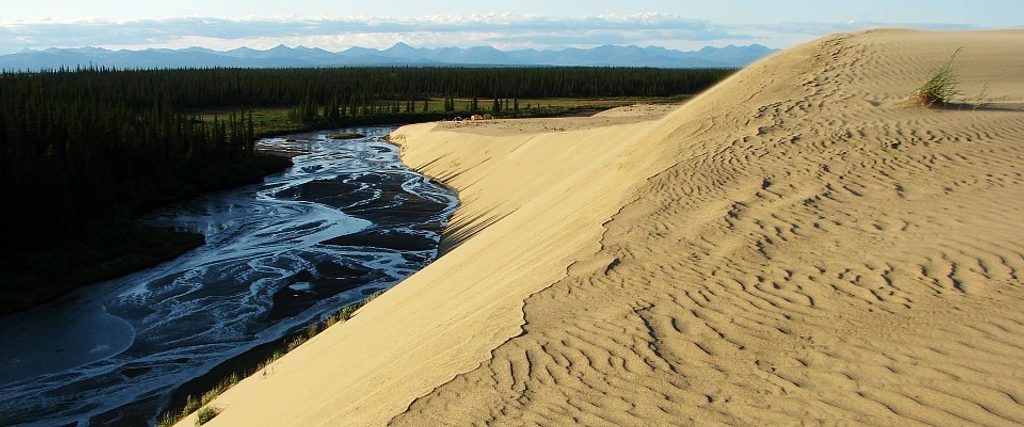
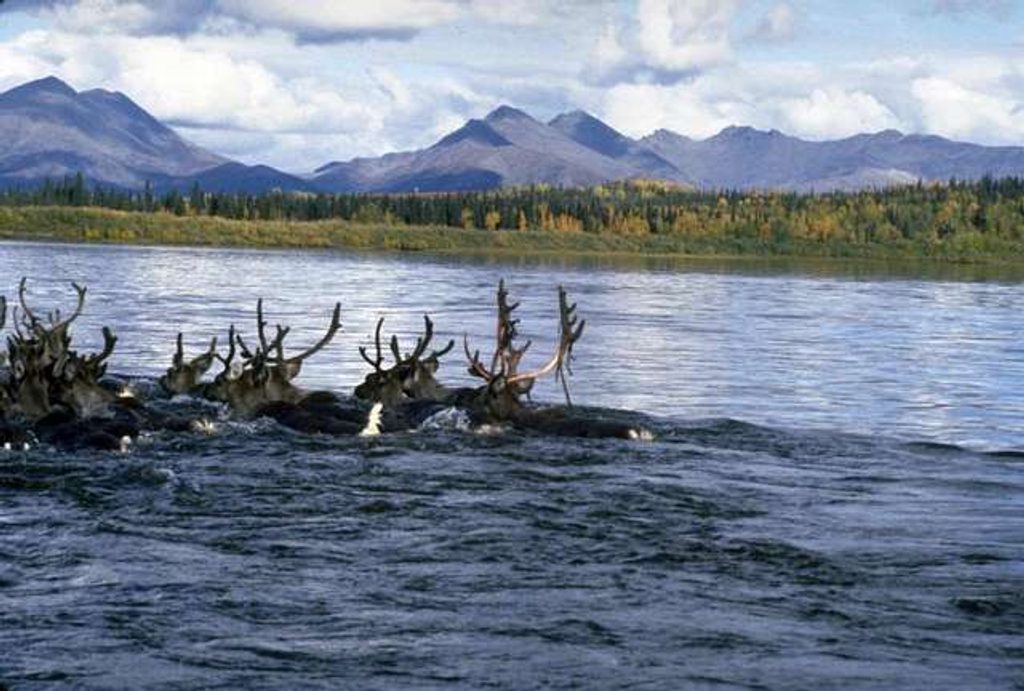
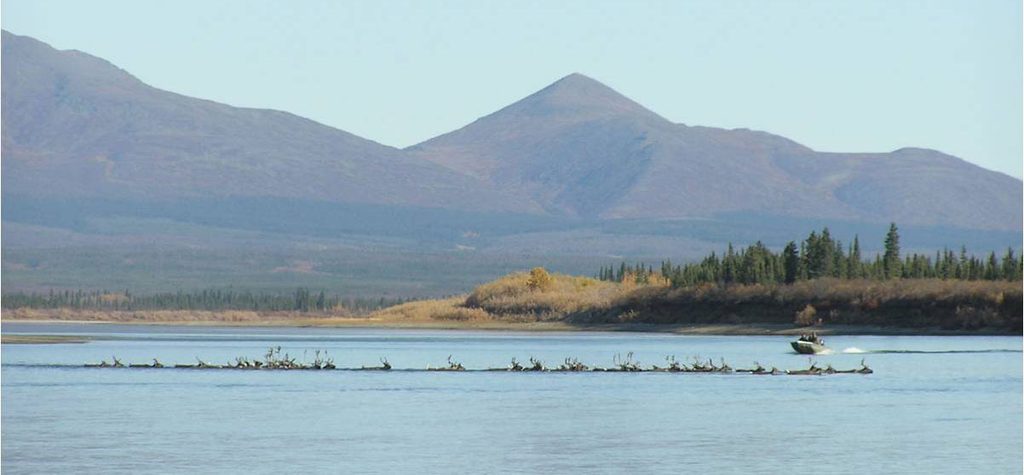
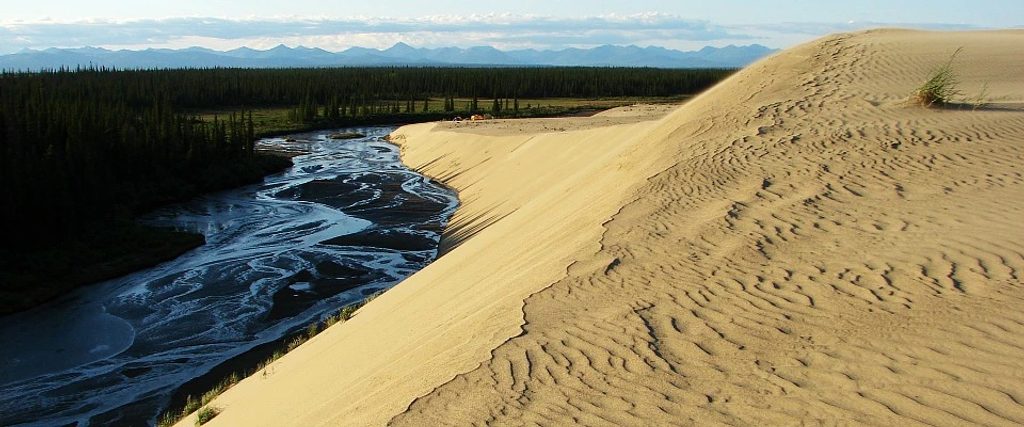
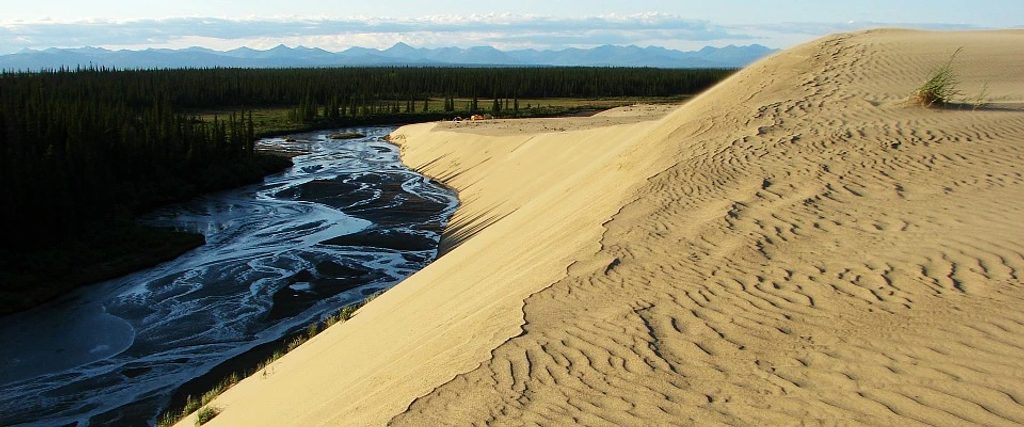
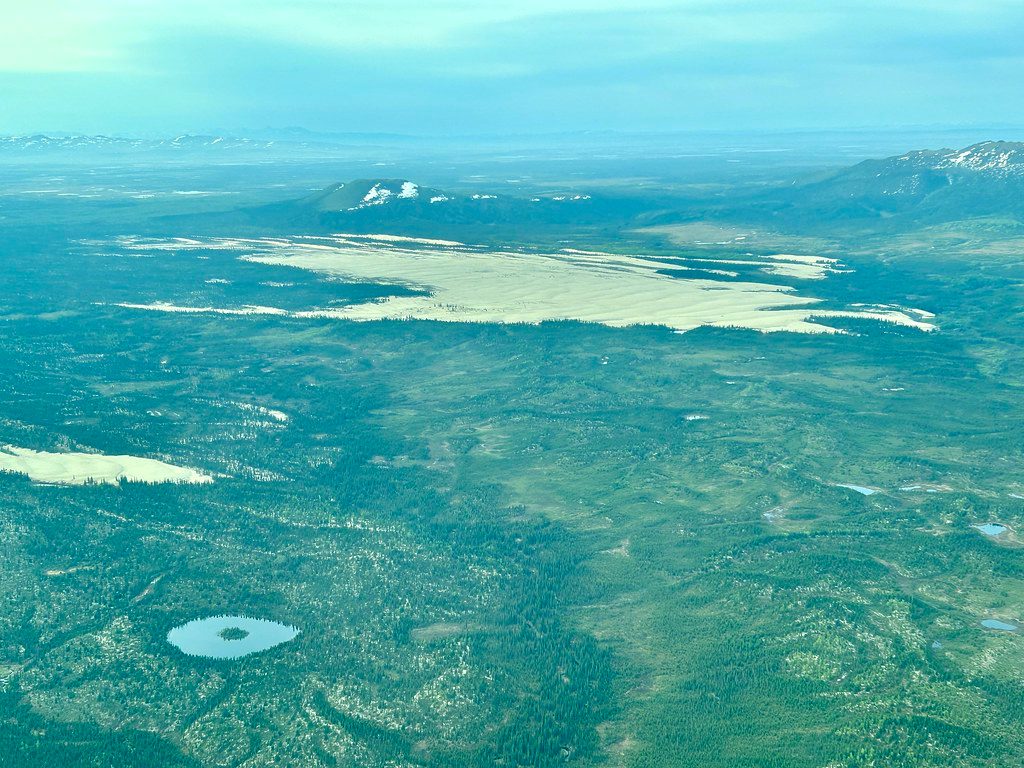
The payoff is surreal: the largest active dune fields in the Arctic rising up to about 100 feet, shaped by relentless winds and born of Ice Age glacial grinding. You’ll move through a striking transition from boreal forest into treeless tundra before stepping onto the dunes. Keep an eye out for delicate wildflowers (including the Kobuk locoweed, which grows only here), permafrost-influenced ground, and wildlife sign. The Western Arctic Caribou Herd migrates through the region, and while sightings aren’t guaranteed, you may cross well-worn caribou paths. Grizzly bears, moose, wolves, arctic foxes, and millions of migratory birds also call this country home.
There is no tread. Navigation is by map, compass, and GPS. Underfoot you’ll alternate between tussocky, wet tundra and soft dune sand, which makes progress feel like work. Once on the dunes, you can roam ridge to ridge and bowls in any direction. Watch for water-saturated sand near creeks and springs within the dune field—it can behave like quicksand.
There are no roads or trailheads. Most visitors charter a small plane or boat out of Kotzebue. Aircraft with tundra tires can land directly on the sand; floatplanes or boats can drop you at the Kobuk River for the tundra approach. Stop at the Northwest Arctic Heritage Center in Kotzebue before you go to speak with a ranger about current conditions, route-finding tips, and logistics. If you’re camping, borrow an animal-resistant food container there.
Summer is the standard season thanks to near-endless daylight, but don’t underestimate the heat on the dunes—temperatures can spike to around 100°F on calm, sunny days. Expect fierce mosquitoes mid-summer. Early fall brings cooler temps, fewer bugs, and tundra color, but weather is more volatile and early snow is possible. Winter transforms travel into an entirely different undertaking and is generally inadvisable for most hikers.
If you want a signed path with wayfinding and amenities, look elsewhere. If you’re after a raw, one-of-a-kind Arctic landscape and you’re comfortable with off-trail travel, this traverse is unforgettable.
No road access or trailhead. Arrange a charter drop-off by small plane (can land on the dunes) or by boat/floatplane on the Kobuk River from Kotzebue.
Entirely off-trail with no facilities; navigation skills essential. Summer heat on dunes can reach ~100°F. Beware water-saturated sand near creeks/springs that can act like quicksand. Bear country—use proper food storage (containers available to borrow in Kotzebue). Weather changes rapidly; carry extra supplies and reliable communication.
Place
Place
Place
Place
Challenging
Challenging
Challenging
Challenging

Parkwolf Tour Guide
