
Place · 17 mi away
Challenging
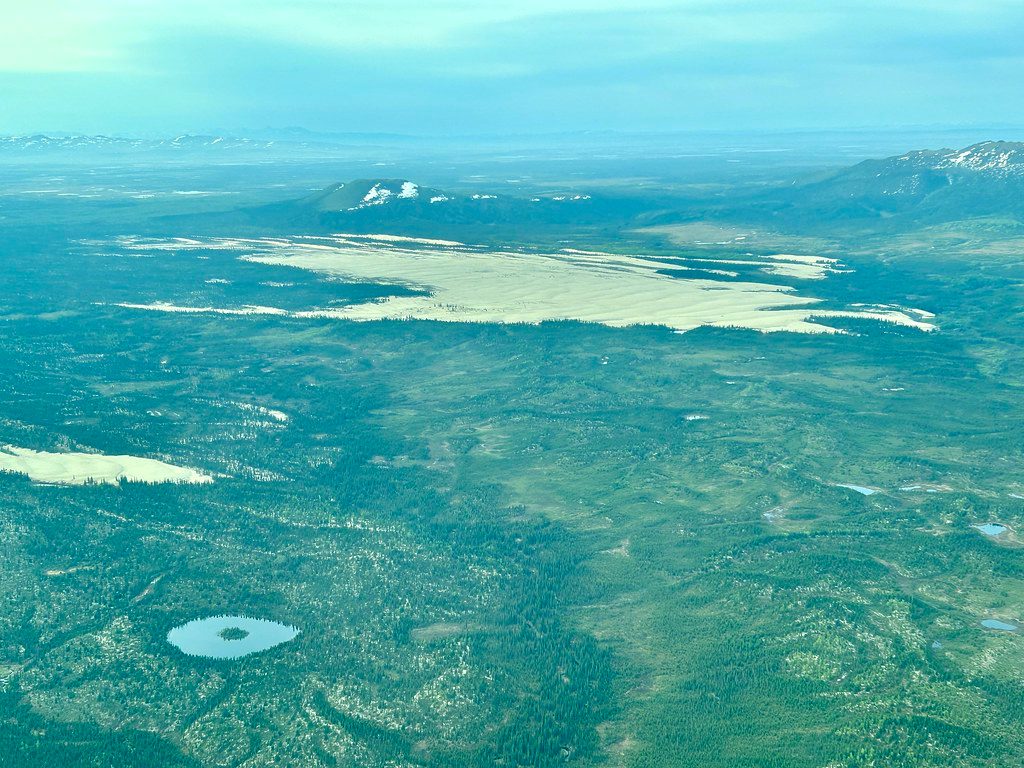
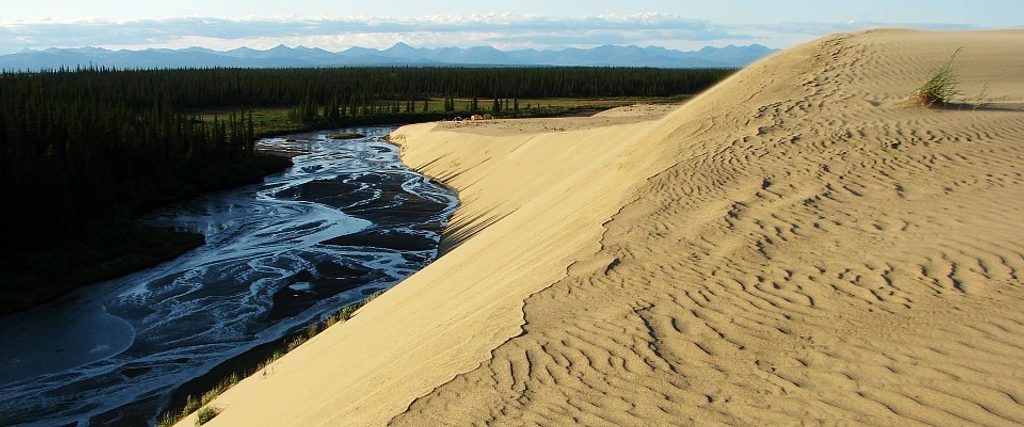
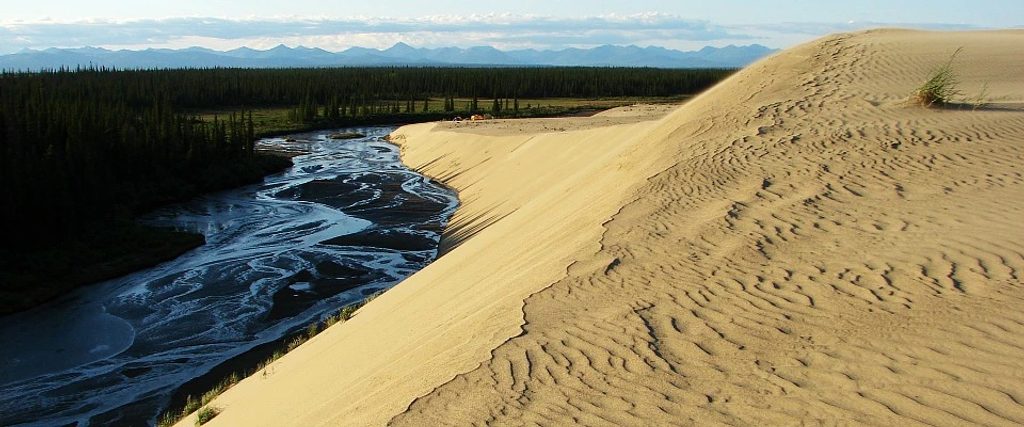
Little Kobuk is not a marked trail—it’s a true cross‑country ramble through one of the Arctic’s strangest landscapes. Expect firm and soft sand underfoot, rolling dune ridges, and quiet that goes on for miles. There’s no set route or mileage; you choose your own lines on the sand and tundra. Summer heat can be startlingly intense here despite the latitude, and wildlife sign is everywhere around the dune margins.
There are no roads. Most visitors charter a bush plane. When conditions allow, wheeled aircraft can land on sand; otherwise, a floatplane drop on the Kobuk River is typical. From a river drop near Little Kobuk (commonly approached along or near Kavet Creek), plan on an off‑trail walk to reach the dunes—roughly an hour from the river in good conditions. Navigation is entirely your responsibility; there are no signs, cairns, or built paths. Work with your pilot and the park’s Northwest Arctic Heritage Center ahead of time for current guidance and to avoid Native inholdings.
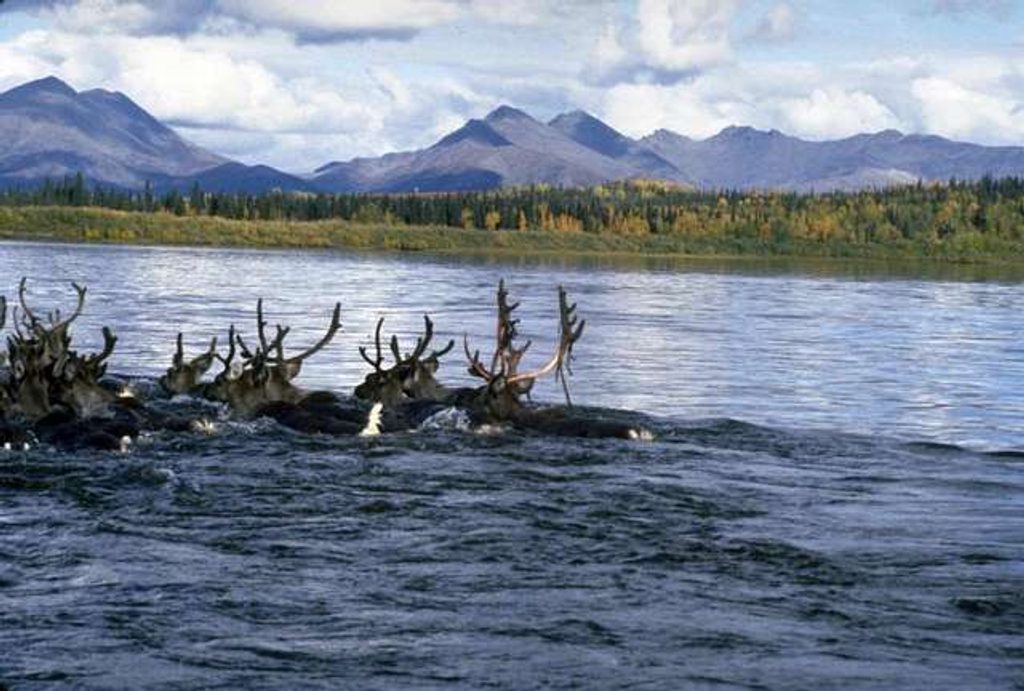
These dunes are Ice Age relics—glacially ground rock blown into an ice‑free valley and still shifting today. Look for sparse grasses and sedges stabilizing patches of sand along the margins. Around the fringes, you may find tracks from the Western Arctic Caribou Herd, plus sign from bears and wolves. It’s common to spot caribou prints, shed bones, or scat etched into the sand.
Summer offers long light and firm, dry sand—but the surface can get extremely hot by midday. Aim for early or late in the day for cooler temps and softer light on the dune crests. Spring and fall can coincide with caribou movement, but conditions and access are more variable. Mosquitoes can be fierce, especially in shaded or sheltered areas.
If you want easier logistics and bigger dune fields, consider the Great Kobuk Sand Dunes—they’re larger and typically simpler to access for a short day outing.
No road access or trailhead parking. Arrive by chartered bush plane landing on sand (conditions dependent) or by floatplane drop on the Kobuk River, then hike in.
No marked trails; navigation is on you. Summer heat on the sand can be extreme. Avoid water‑saturated, quicksand‑like patches near creeks and springs. Heavy mosquitoes. Bear country—use strict food storage and travel protocols. Coordinate access to avoid Native inholdings.
Place · 17 mi away
Place · 50.3 mi away
Place · 56.1 mi away
Place · 68.6 mi away
Challenging · 17 mi away
Challenging
Challenging
Challenging

Parkwolf Tour Guide
