
Place · 0 mi away
Challenging
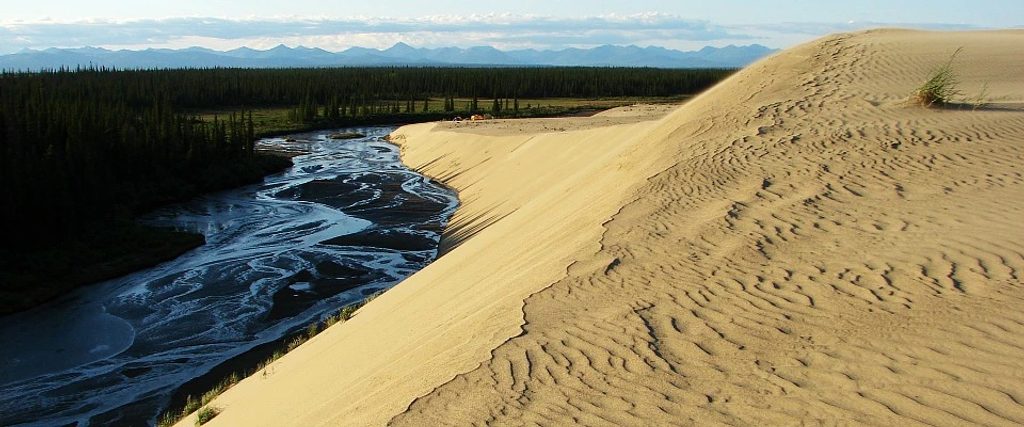
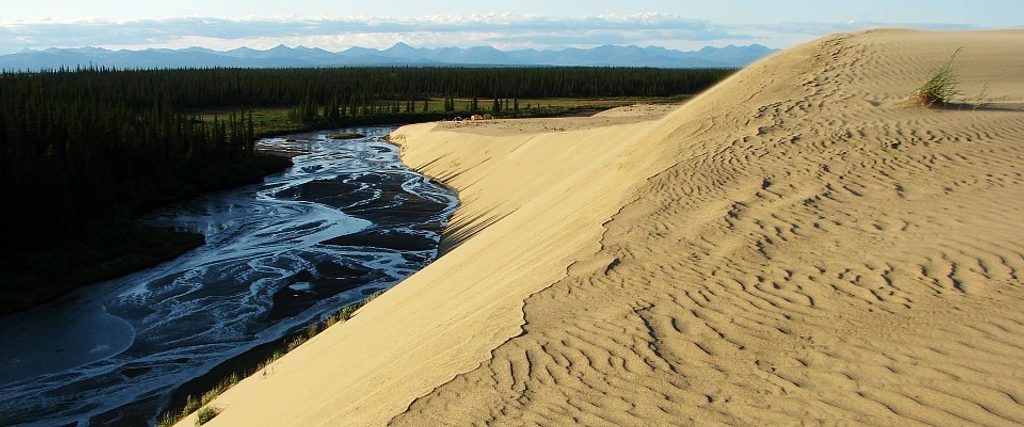
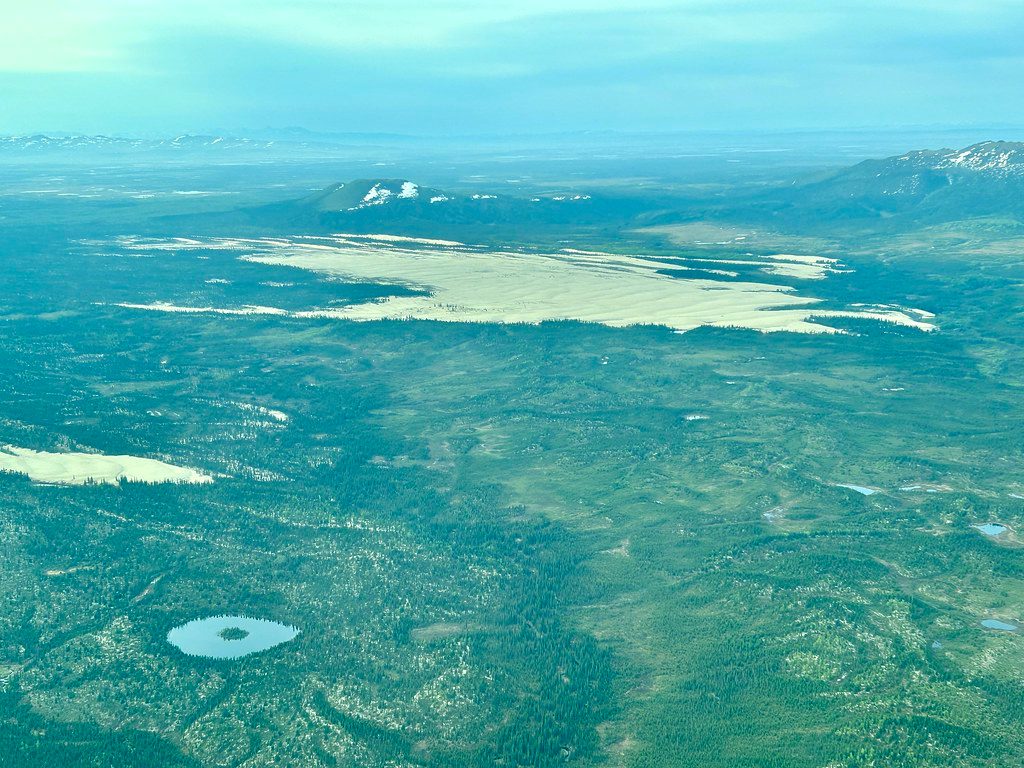
The Great Kobuk Sand Dunes are not a marked trail so much as a choose‑your‑own adventure in one of the most surreal landscapes in Alaska: a vast, shifting dune field north of the Arctic Circle. Expect true solitude, zero infrastructure, and soft sand that makes every mile count. If that sounds like your kind of challenge, this place delivers a rare, otherworldly hike.
There are no established trails here—your distance depends entirely on where you’re dropped off and how far you explore. A common outing is an out‑and‑back from a Kobuk River drop point to the dune field and back, roughly 2–3 miles each way across trackless tundra. Plan about 5.0 miles total and around 4 hours for a conservative day, adjusting for your group’s pace and how much dune wandering you add.
There are no roads into the dunes. Most visitors charter a bush plane to land on the sand or along nearby gravel/sandbars, or arrive by boat/floatplane on the Kobuk River and hike in from there. Once you’re dropped off, you’re on your own in true backcountry—self‑reliance is not optional.
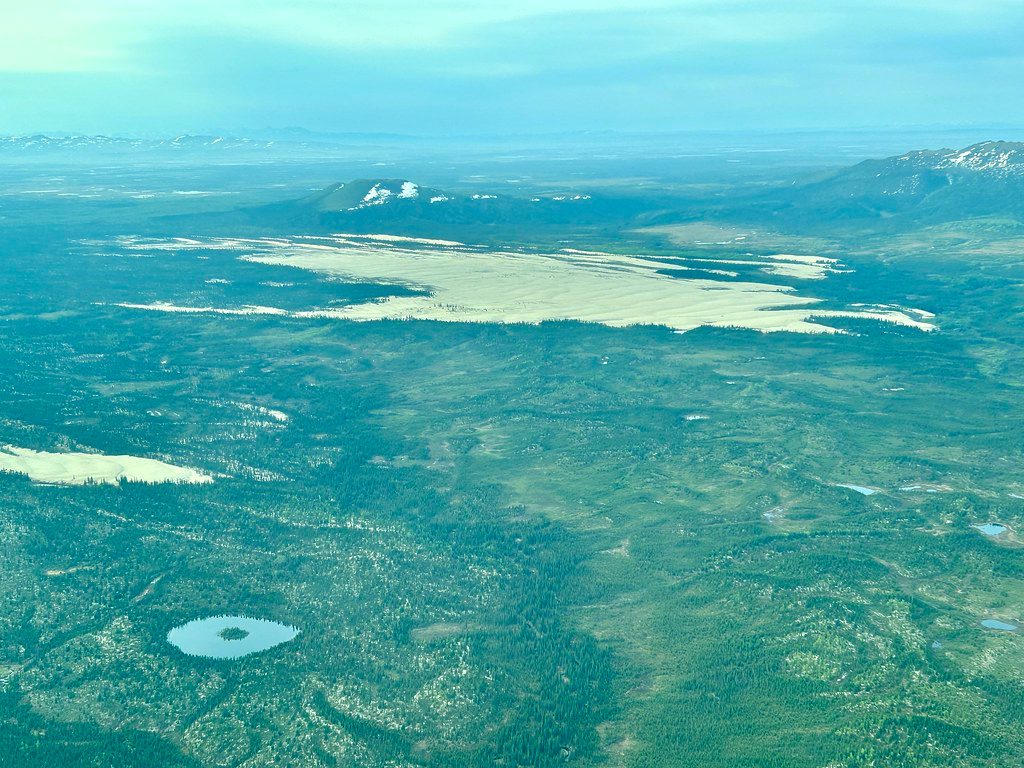
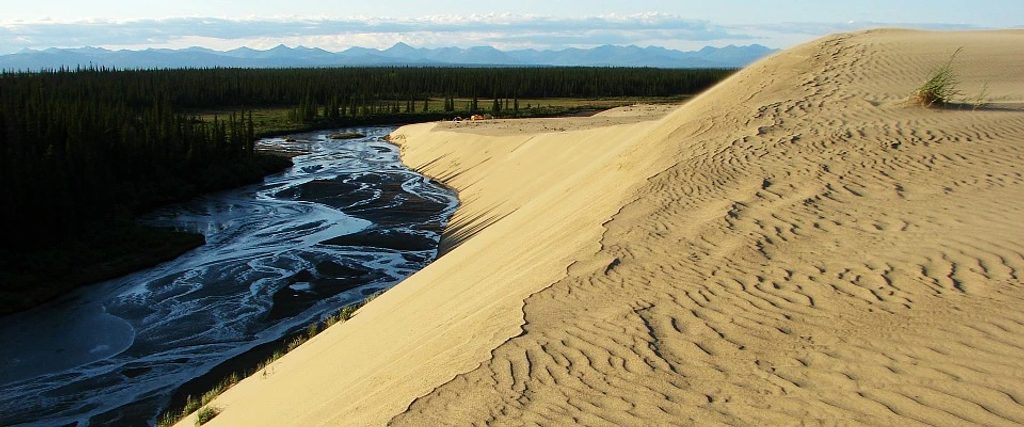
Underfoot, it’s soft sand with rolling dune crests—beautiful, strenuous, and constantly re‑forming. Use distant mountain peaks as handrails for navigation, and don’t count on footprints to last if wind picks up. Vegetation is slowly reclaiming the margins, and you’ll move between open sand and forest edges where the dune field meets creeks.
These dunes formed when glaciers ground nearby mountains into sand and silt, then winds concentrated the sediments in a mostly ice‑free valley. The active dune area today is much smaller than it once was, and the encroaching vegetation hints that the sands will eventually give way to forest if left to time.
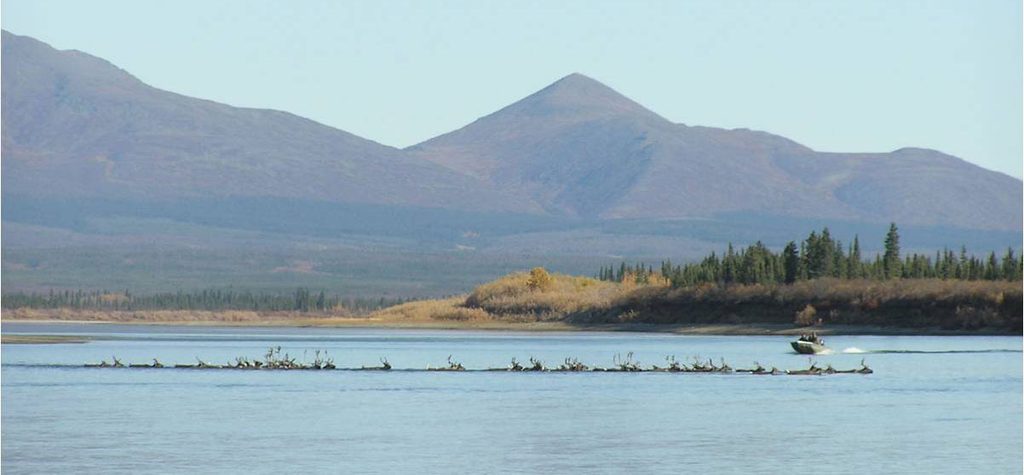
Grizzly bears tend to avoid the open sand but do roam the adjacent forests. You’re more likely to notice tracks and bones from the Western Arctic caribou herd, and wolf prints aren’t unusual. Store food well away from sleeping areas and keep a clean camp if you’re overnighting.
Backcountry camping is allowed and commonly done where the forest meets the sand near a creek. Anchor tents securely in firm sand, keep a separate kitchen/food area away from sleeping tents, and filter water from nearby creeks. Expect sun exposure and heavy bugs in peak season.
Summer offers the most reliable access and the warmest conditions for sand travel, but also the worst mosquitoes. Early fall brings cooler temps and fewer bugs, with more variable weather. Weekdays vs. weekends don’t matter much—this is remote, and you’re unlikely to see other parties.
If you want a signed path and easy logistics, skip it. If you crave a wild, silence‑filled day moving through living Arctic dunes with caribou tracks underfoot, it’s a bucket‑list experience.
No road access or trailhead parking; reach by bush plane or by boat/floatplane on the Kobuk River, then hike in.
Trackless dunes with difficult navigation, water‑saturated sand near creeks, strong sun and fast weather shifts, grizzlies in adjacent forest, severe mosquitoes, no services or cell coverage.
Place · 0 mi away
Place · 17 mi away
Place · 34.1 mi away
Place · 47.1 mi away
Challenging · 17 mi away
Challenging
Challenging
Challenging

Parkwolf Tour Guide
