
Place
Easy
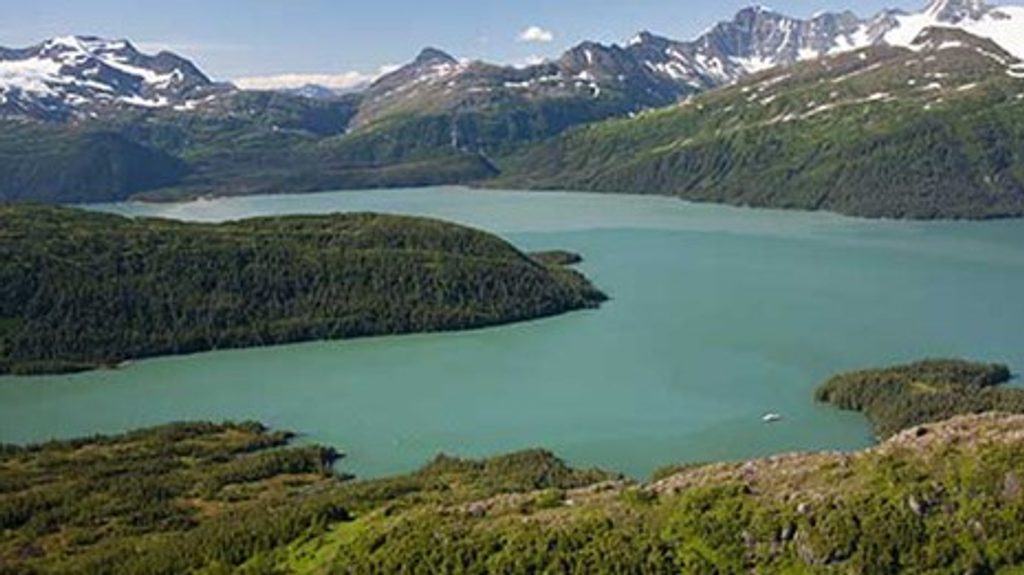
This is a very short, informal walk at Onion Portage on the north bank of the Kobuk River. Expect a quick amble from a gravel bar landing up a wooded slope to a bluff near the historic cabin site. The mapped route is about 0.35 miles total with roughly 175 feet of elevation gain. There’s no signed or maintained trail—just simple, off-trail walking in a truly remote setting.
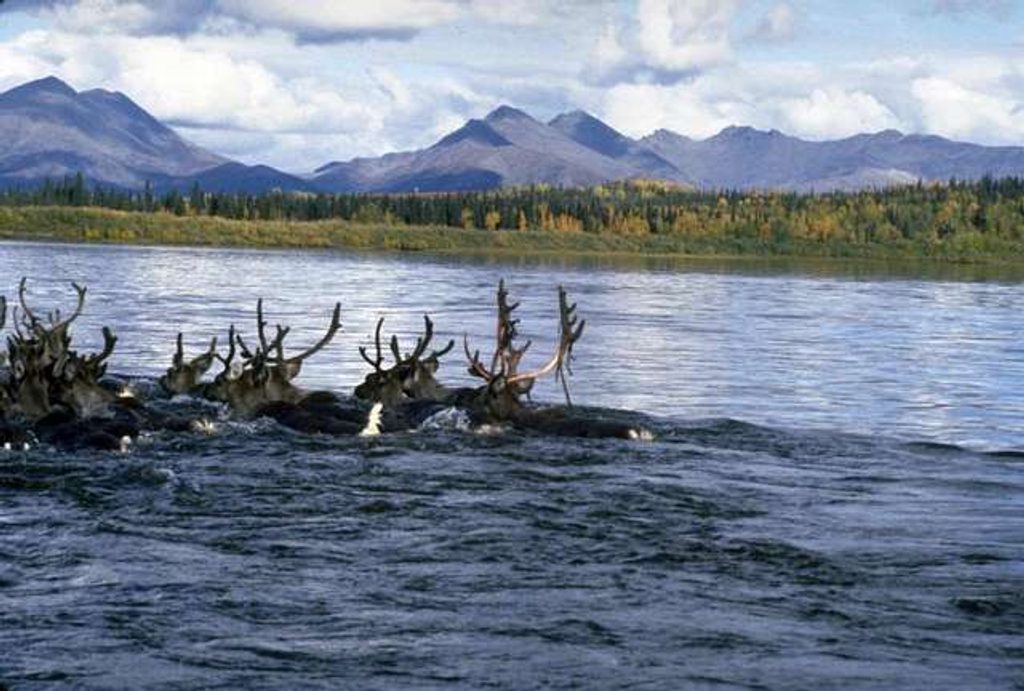
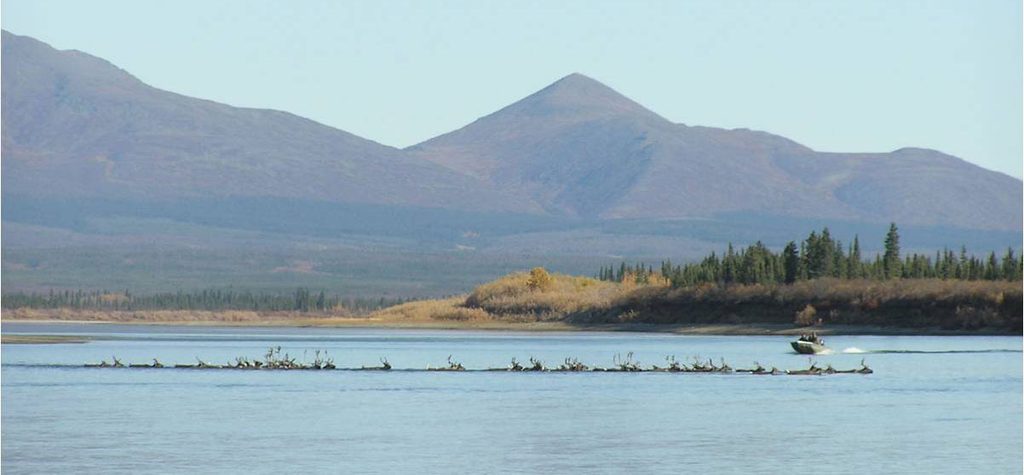
From the bluff, you get broad views over a long reach of the Kobuk River, and on clear days you can pick out the Jade Mountains on the horizon. The area’s namesake wild onions grow along the riverbanks. The historic log cabin (built in 1964 to support archeological work) sits on the bluff; it’s not open to the public. Onion Portage (Paatitaaq) is one of the most important caribou river-crossing points in the Arctic and a place where local residents have harvested caribou for thousands of years. In late summer, you might—emphasis on might—see caribou swimming the river.
It’s a quick up-and-down off-trail walk over river gravel and a short, sometimes brushy slope. Most parties simply stretch their legs to the bluff, soak in the views, and wander a bit along the riverbank. You can extend your outing by exploring further, but there is no formal route and conditions vary.
There are no roads or established trails in this park. Most visitors arrive at Onion Portage via river trip or air taxi/flightseeing and land on a suitable gravel bar, then walk from the riverbank. There are no facilities here; the cabin is normally closed. If you plan to roam beyond the short bluff walk, bring map/compass/GPS and the know-how to use them.
Late August into early September (around Labor Day) is the prime window to watch for the southward caribou migration, though sightings are never guaranteed. Even in summer, weather in the Arctic changes fast—wind, rain, and cold can roll in quickly—so dress and plan accordingly. Winter travel requires specialized skills and gear and is far more committing.
Onion Portage remains an active subsistence hunting area. Give a very wide berth to people at work, and be prepared for the possibility of temporary access constraints. This is bear country: carry and know how to use bear spray, store food properly, and keep a clean camp if you’re staying nearby. The site is archeologically significant—tread lightly and leave what you find. There are private land parcels in and around the park; respect property boundaries.
As a stop during a river trip or flightseeing drop, absolutely—huge cultural significance, sweeping river views, and a real sense of place for minimal effort. As a standalone destination, remember it’s extremely short and entirely informal; the reward comes from context and timing (especially during migration), not from the mileage.
No road access or parking; arrive by river trip or air taxi and land on a gravel bar near Onion Portage.
Active subsistence hunting area; do not interfere. Archeologically sensitive—leave what you find. Off-trail terrain with no signage. Bear country and rapidly changing Arctic weather. Respect private land parcels.
Place
Place
Place
Place
Challenging
Challenging
Challenging
Challenging

Parkwolf Tour Guide
