
Overview
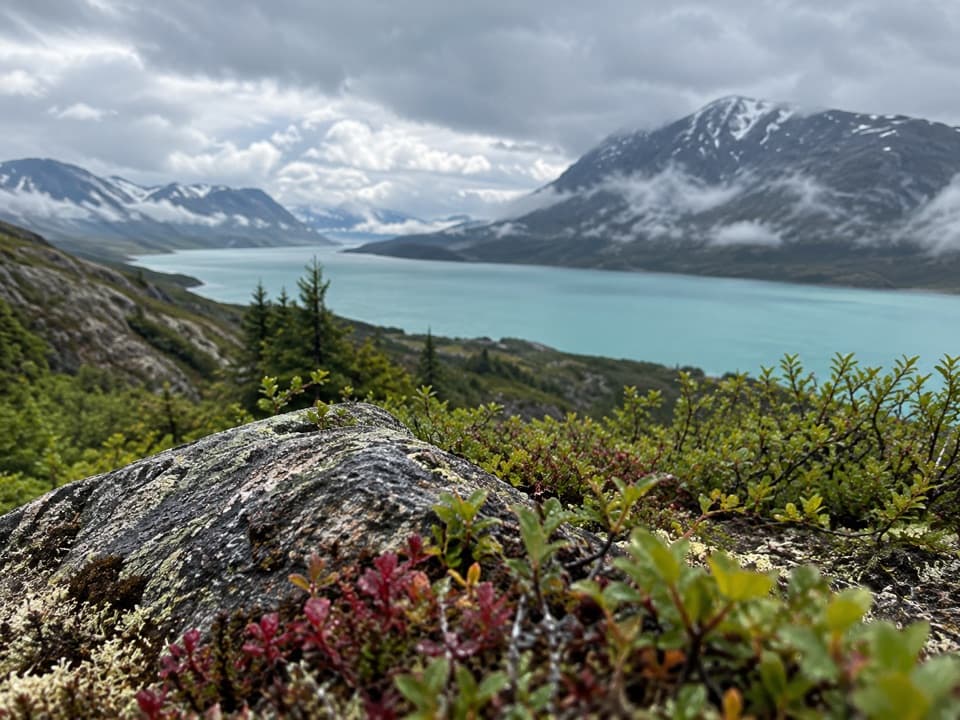
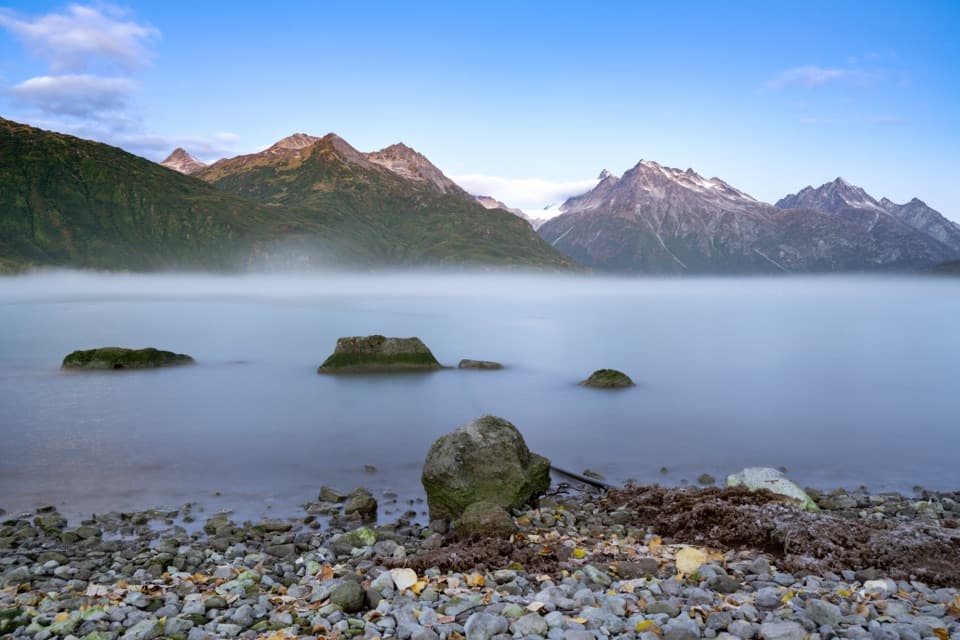
About Hope Creek Campsite
Why stop
- A rare backcountry base near the Proenneke cabin and Hope Creek valley.
Heads up
- Reaching it takes a floatplane or backcountry travel, and the creek can block cabin access.
Map
Where it is
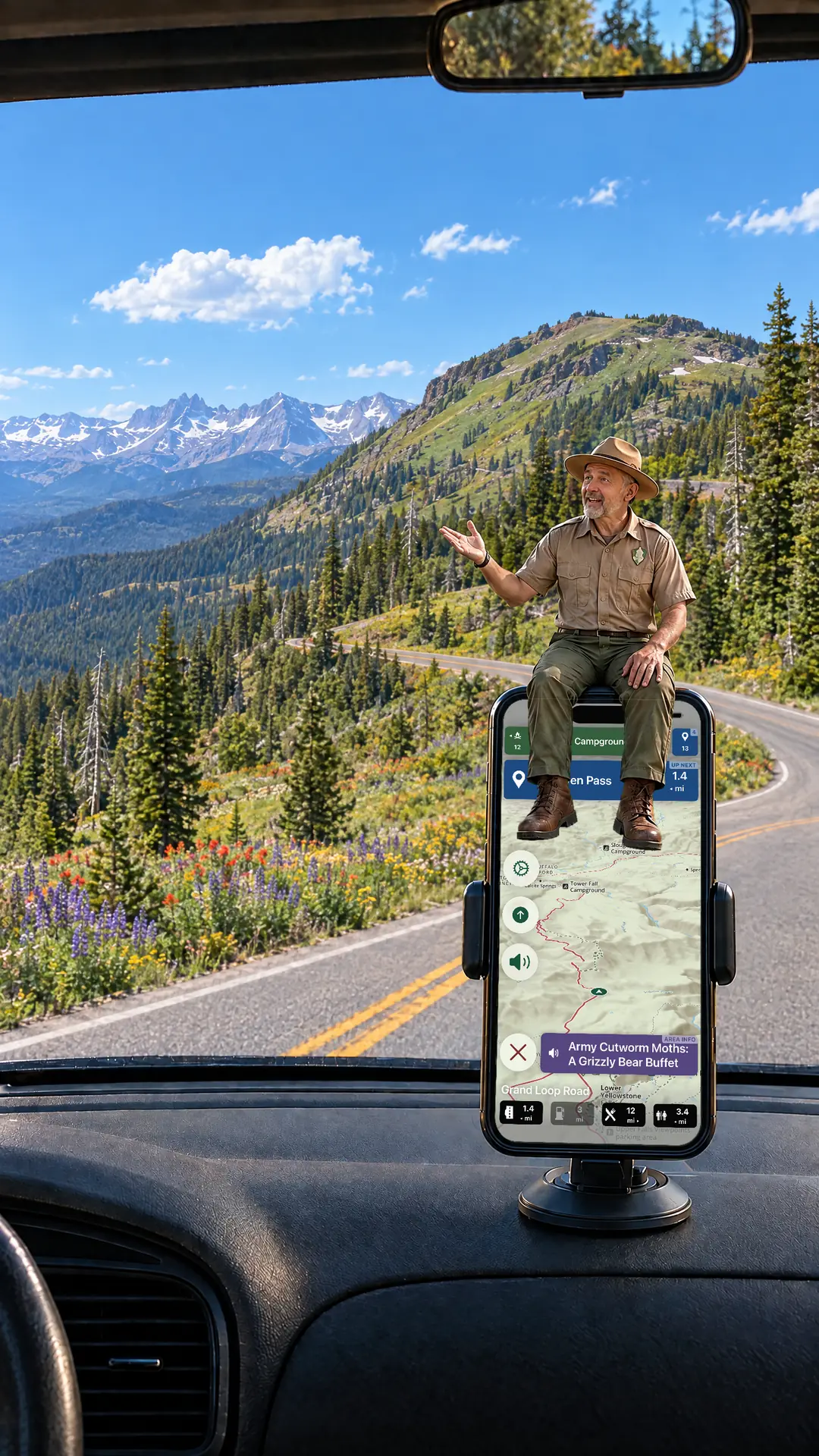
The highest, rockiest slopes around here are a summer buffet for grizzly bears.
Lake Clark Tour Guide
Your drive to Hope Creek Campsite, narrated.
Parkwolf is a GPS audio tour guide for Lake Clark National Park. As you drive, it chimes in with what’s ahead: hidden gems, upcoming stops, history, geology, and wildlife, right through your car’s speakers.
See the Lake Clark audio tour- 18 audio storiesacross Lake Clark’s roads, triggered by GPS as you drive
- Wildlife heatmapsfor Brown Bear, Bald Eagle, Common Merganser
- Works offlinemaps, 5 trails, 34 places, and audio download before you lose signal
- CarPlay readysimple controls built for the drive
“Fantastic app with many points of information… It’s great to just turn on while you’re driving and it gives you an audio tour of the national Park. We love it!!!!”


Guide
More about Hope Creek Campsite
A shared camp in the backcountryHope Creek Campsite is a small primitive campground on Upper Twin Lake, with a few hardened…
Hope Creek Campsite is a small primitive campground on Upper Twin Lake, with a few hardened tent sites across Hope Creek from Richard Proenneke’s cabin. It is first come, first served and intended for sharing, so expect a compact camp rather than a private or drive-in campground. In summer, visitors reach the lake by floatplane; backpacking from elsewhere in the park is another option. There is no road access.
Crossing to the cabinThe camp and cabin sit on opposite sides of Hope Creek.
The camp and cabin sit on opposite sides of Hope Creek. You have to cross the creek to reach the cabin and the start of the Hope Creek Route. Flooding after heavy rain or peak spring breakup can make the crossing impassable, so a visit to the cabin depends on water conditions.
What the campsite providesThere are a few hardened tent sites, bear-resistant food lockers, an outcan toilet and a fire…
There are a few hardened tent sites, bear-resistant food lockers, an outcan toilet and a fire ring. Store food, garbage, caught fish and other scented items in the lockers, use the outcan instead of digging a cat hole nearby, and build fires only in the campsite ring. No potable-water system is confirmed; treat any creek water before drinking.
Sharing the siteThe sites are first come and meant to be shared.
The sites are first come and meant to be shared. From April 15 through September 30, camping at Hope Creek is limited to 14 days total. Camping inside the Proenneke Historic Site boundary is prohibited, and the cabin, cache and woodshed are not for sleeping. A stove can be used outside the cabin.
The cabin across the creekRichard Proenneke built the nearby cabin over the summers of 1967 and 1968, using local…
Richard Proenneke built the nearby cabin over the summers of 1967 and 1968, using local materials and simple hand tools. The small spruce-log cabin had no electricity, running water or telephone; Proenneke lived there for 30 years. The cabin and its outbuildings were added to the National Register of Historic Places in 2007.
Wildlife
Wildlife in Lake Clark
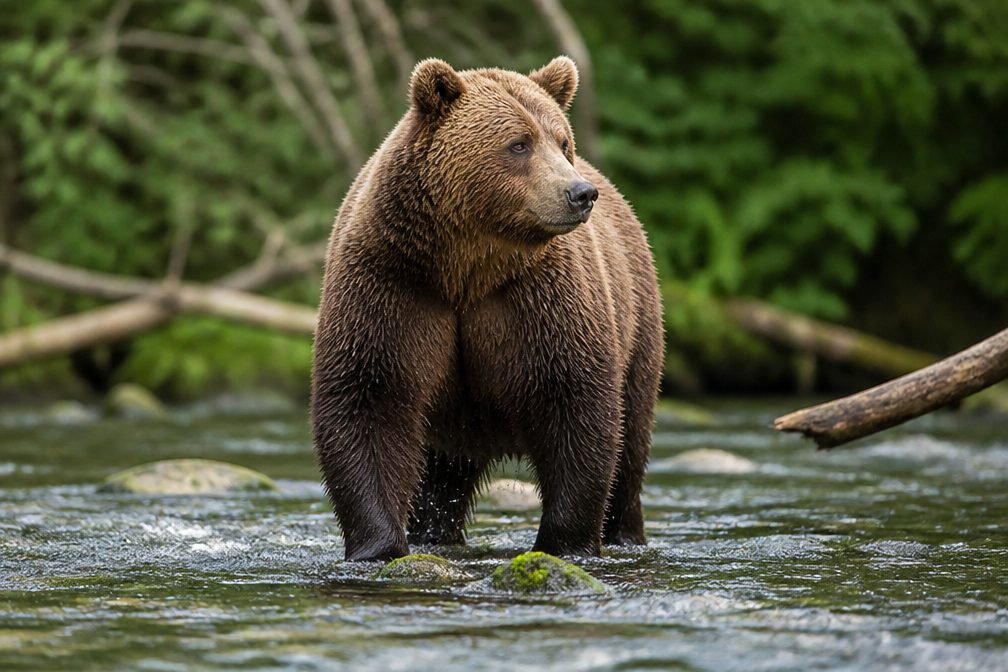 142 sightingsBrown BearMost seen around 8 AMSighting map
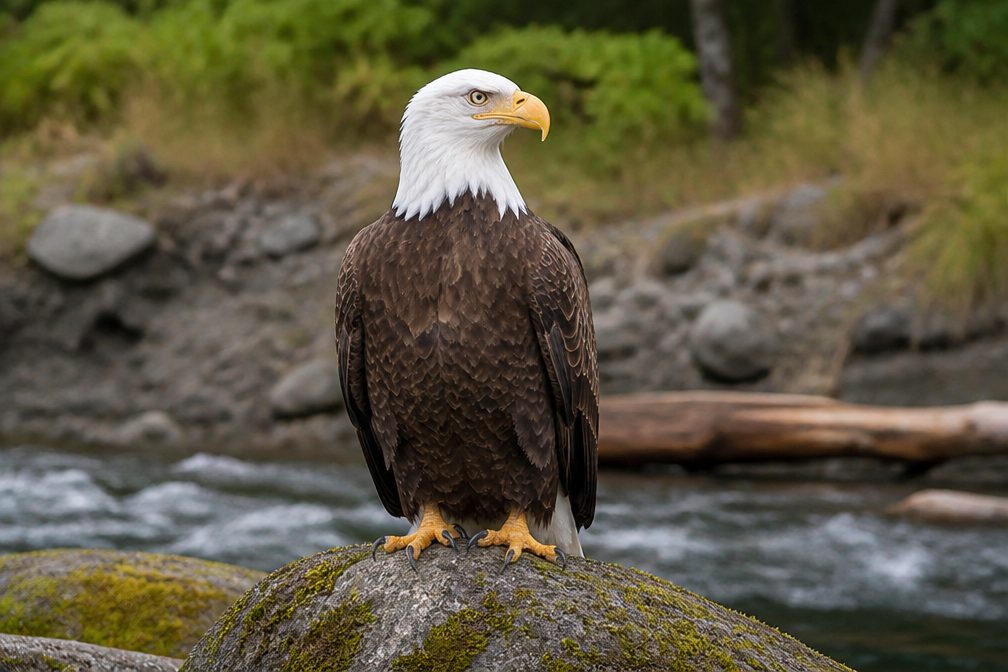 11 sightingsBald EagleMost seen around 6 PMSighting map
 13 sightingsCommon MerganserMost seen around 8 AMSighting map
Sighting maps show where each species has been reported across Lake Clark. Wildlife moves, so no sighting is guaranteed.