
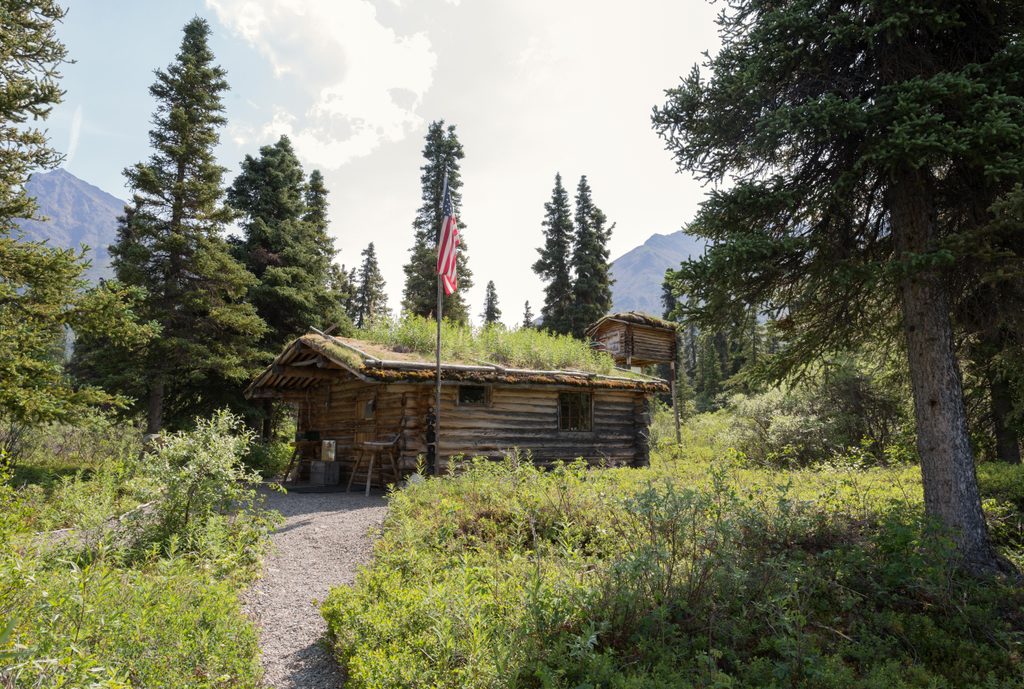
Place · 17.9 mi away
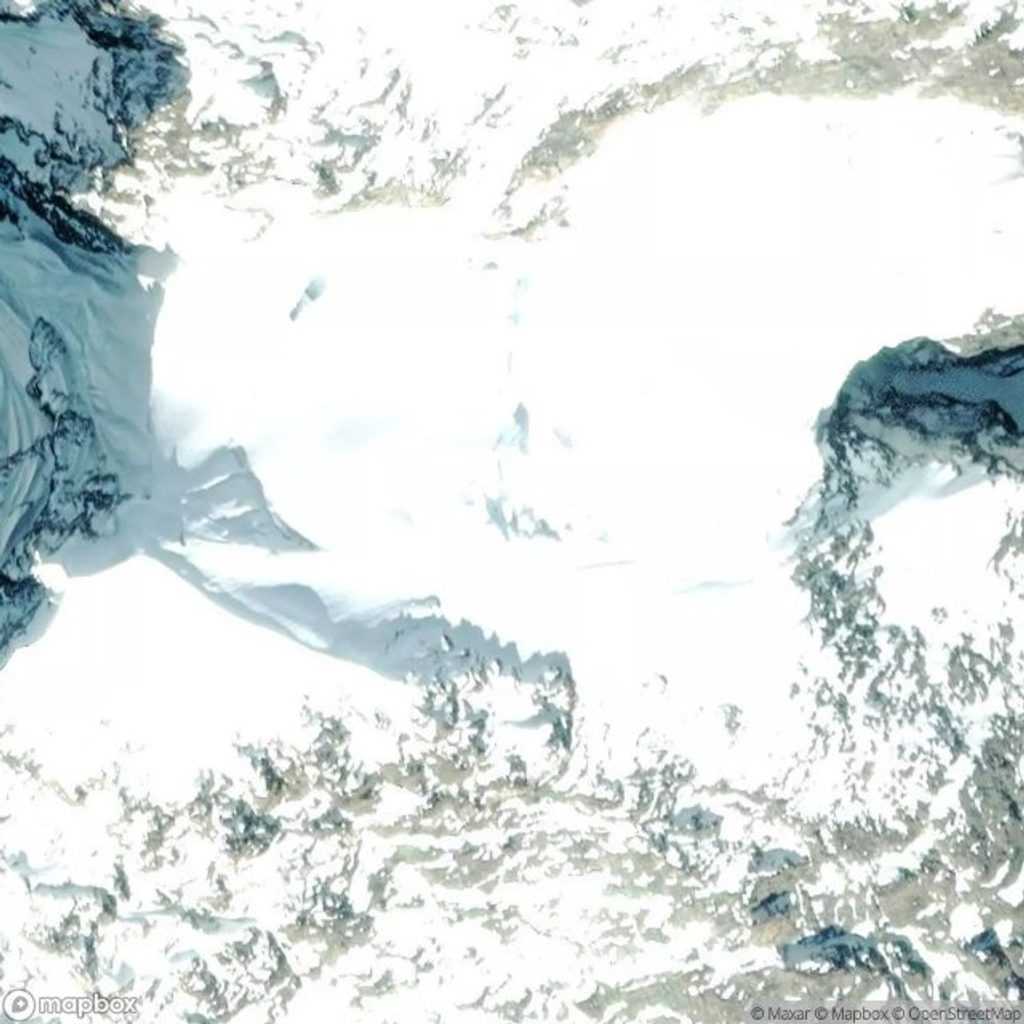
Mount Neacola anchors the compact, razor-toothed Neacola Mountains—an exceptionally rugged sub-range between Redoubt and Iliamna. Think steep granite walls and domes guarding heavily glaciated valleys, with narrow, committing couloirs slicing through the high country. It’s remote and rarely visited, which is exactly the appeal if you’re chasing real wilderness and self-reliant objectives.
There’s no road, no trailhead, and no facilities here. Parties charter small bush planes, commonly staging through Port Alsworth (home to the park’s visitor center) and flying in from outside communities. Pilots often land on glaciers or suitable gravel bars near intended basecamps. Flights are entirely weather-dependent; build big buffers for both drop-off and pickup. Expect to be pinned down by storms and to run a fully self-supported camp—snow walls, trench kitchens, the works.
The range is a maze of complex ridgelines, hanging valleys, icefalls, and tight granite couloirs. Lines can feature rocky chokes and very steep pitches; teams have encountered cruxes around the “too-steep-to-fall” category that may warrant careful downclimbing or short belays. When conditions align, the skiing and climbing are aesthetic and memorable—but you earn every turn.
Weather swings hard—from cold and windy to clear and calm—often in the same trip. Avalanche problems vary with storms and heating/cooling cycles: expect soft slabs during new snow events and wet slides on warm aspects, along with spindrift and firm booting on steeps. This is bear country from coast to alpine; plan bear-aware camps and food systems. In a subarctic climate, late summer into early fall trends wetter, and rapid changes can affect both flying and surface conditions.
A notably healthy population of large brown/grizzly bears ranges widely here. Even if you’re camped high, treat it as bear country: store food properly and keep a clean camp. Marine-to-alpine ecosystems nearby add to the wildlife mix along the approach corridors.
Experienced ski-mountaineers and alpinists who want expedition-style decision-making, technical movement on mixed snow/rock terrain, and zero hand-holding. If you want marked trails, infrastructure, or easy bailout options, this isn’t your spot.
Crowds aren’t a factor—there aren’t any. Your “best time” is whenever you can line up a stable weather window for flying and objectives. Long daylight in season helps, but plan conservatively and keep your pickup flexible. On clear days, early and late light paints the granite and glacier faces beautifully, but the real gatekeeper here is the forecast and snow stability.
Coordinate exact landing sites and contingencies with your air taxi. Bring a rope plan for short, technical cruxes; expect to mix cramponing with careful ski belays. Check in with the park’s visitor center in Port Alsworth for current conditions and safety guidance, and carry the skills and equipment for full self-sufficiency.
Place · 17.9 mi away

Place · 19 mi away
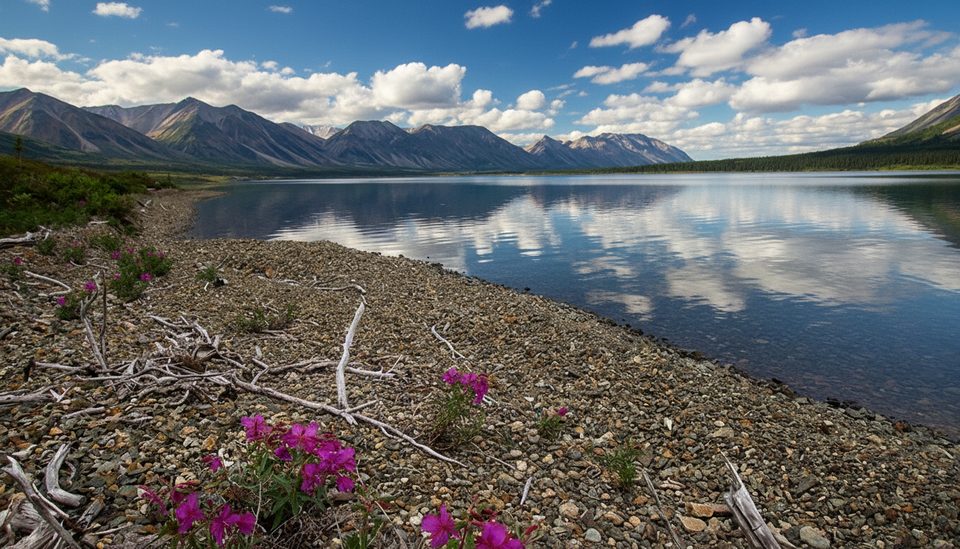
Place · 19.6 mi away
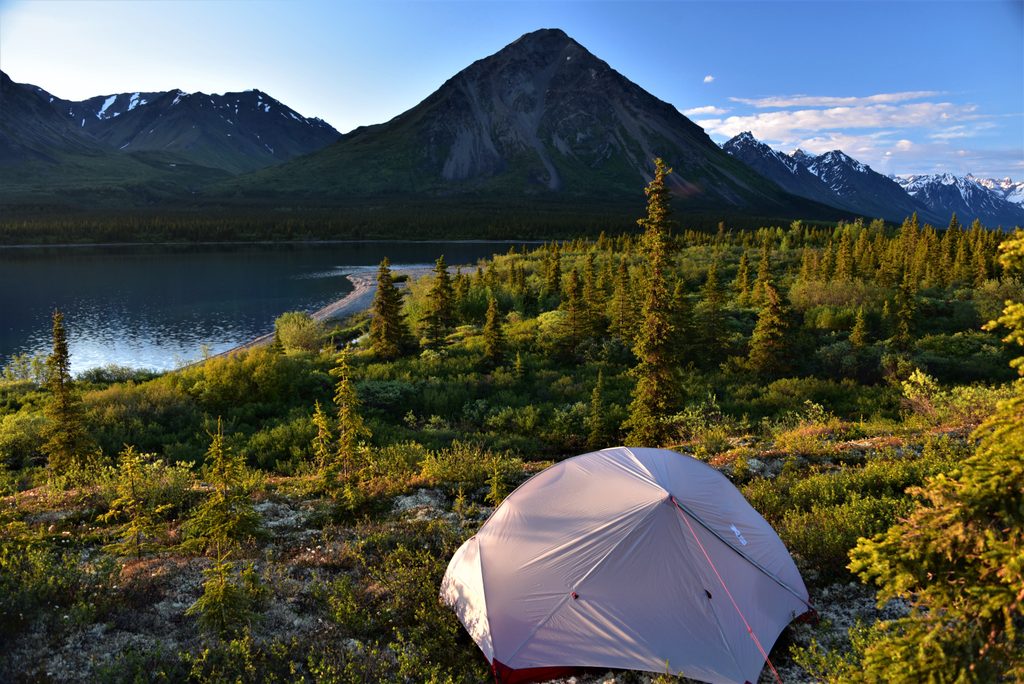
Place · 19.6 mi away
Challenging · 52 mi away
Moderate · 52 mi away
Easy · 52 mi away
Easy · 52 mi away

Parkwolf Tour Guide
