
Place · 11 mi away

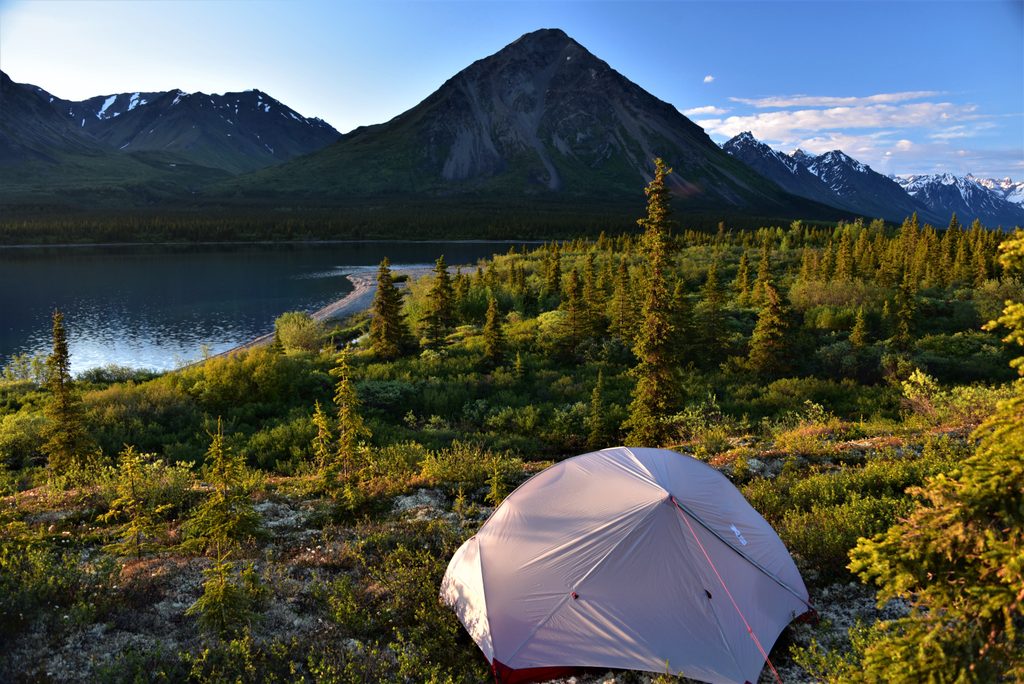
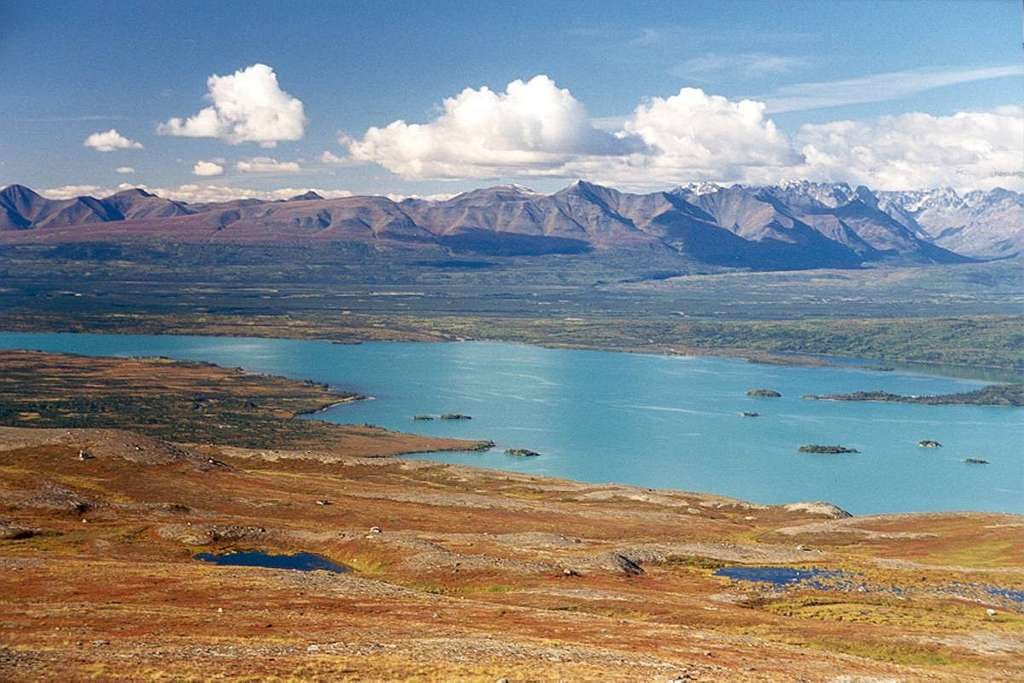
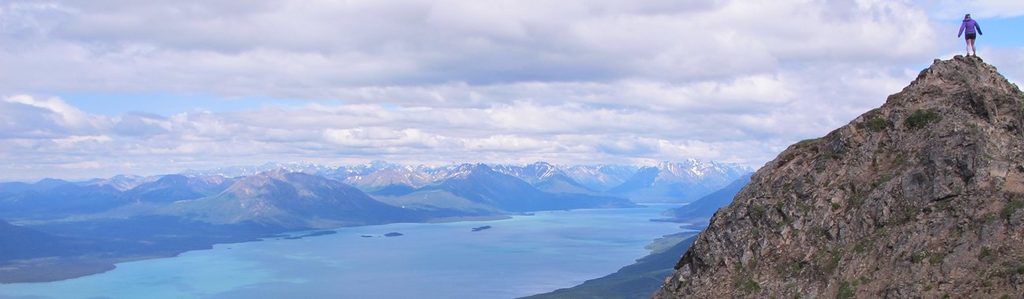
Turquoise Lake is exactly what the name promises: a vivid blue-green alpine lake set deep in the Chigmit Mountains. It’s wild, empty, and gorgeous—more a destination for self-reliant backcountry travelers than casual sightseers. The color comes from glacial flour suspended in the water, scattering light into that unreal turquoise hue.
There are no roads or maintained trails here. In summer, most visitors arrive by chartered floatplane to the lake itself or nearby hubs, then travel off-trail. In winter, ski- or wheel-equipped aircraft may be possible if conditions allow. Expect true bush logistics and build in buffer time for weather.
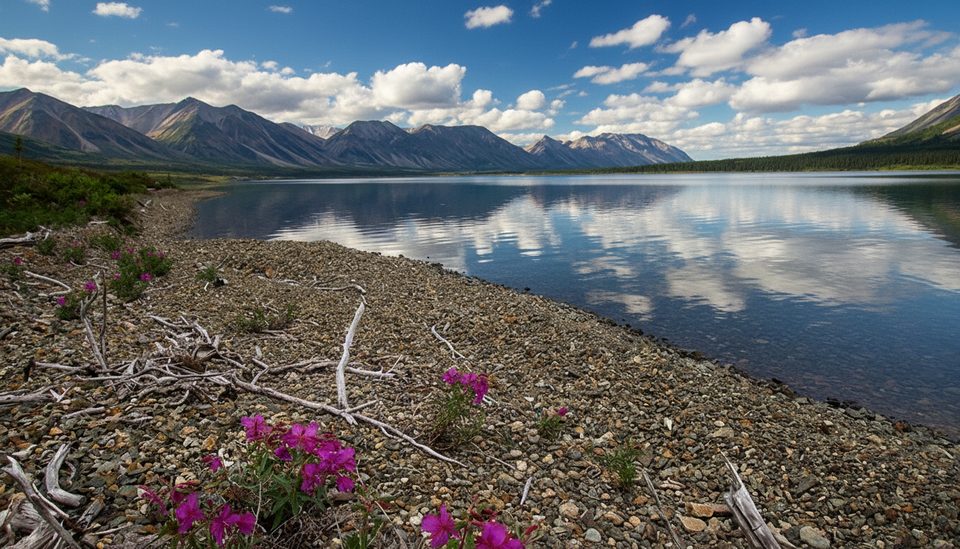
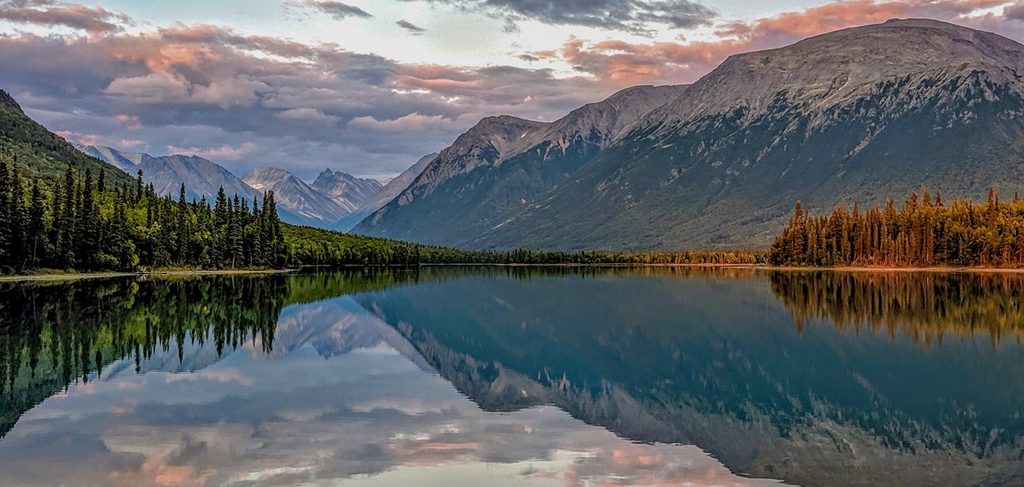
Think broad, clear water framed by rugged peaks, glacial moraines, and open tundra. On a good day the reflections are photogenic, and on a windy one the lake shows off streaks of milky turquoise. The surrounding valleys feel vast and untouched.
This area anchors classic off-trail traverses. The Trail Creek Route between Telaquana and Turquoise typically takes 3–5 days and includes alpine tundra, loose moraine, and a wide, low-angle glacier—still glacier travel, so bring the skills and gear or go guided. Strong parties often extend toward Twin Lakes for bigger scenery and wildlife spotting.
You’re in prime habitat for brown and black bears, with moose and wolves on the landscape and Dall sheep in the high country between lakes. Lakes and streams support salmon runs along with resident fish like Arctic grayling and char. Keep food odors down and your distance up.
There are no developed campgrounds—this is dispersed backcountry camping. Bear-resistant food canisters are required within a half-mile of Telaquana, Turquoise, or Twin Lakes, and the park loans canisters for free from the Port Alsworth visitor center. Expect swift glacial streams, loose rock, changing weather, and potential crevasse hazards where snow and ice linger. July can be buggy; bring a headnet and repellent.
The broader Lake Clark basin is Dena’ina homeland, with deep ties to fisheries and game. Nearby historic village sites reflect centuries of continuous use; travel with respect for this living landscape.
Late June through early September offers open water for floatplane access and long daylight. Aim for early/late in the day for calm water and better photography. Outside summer, access depends on ice and aircraft capability, and weather delays are common year-round.
Place · 11 mi away
Place · 11 mi away
Place · 11 mi away
Place · 11.4 mi away
Challenging · 42.7 mi away
Moderate · 42.7 mi away
Easy · 42.7 mi away
Easy · 42.7 mi away

Parkwolf Tour Guide
