
Place · 1.5 mi away
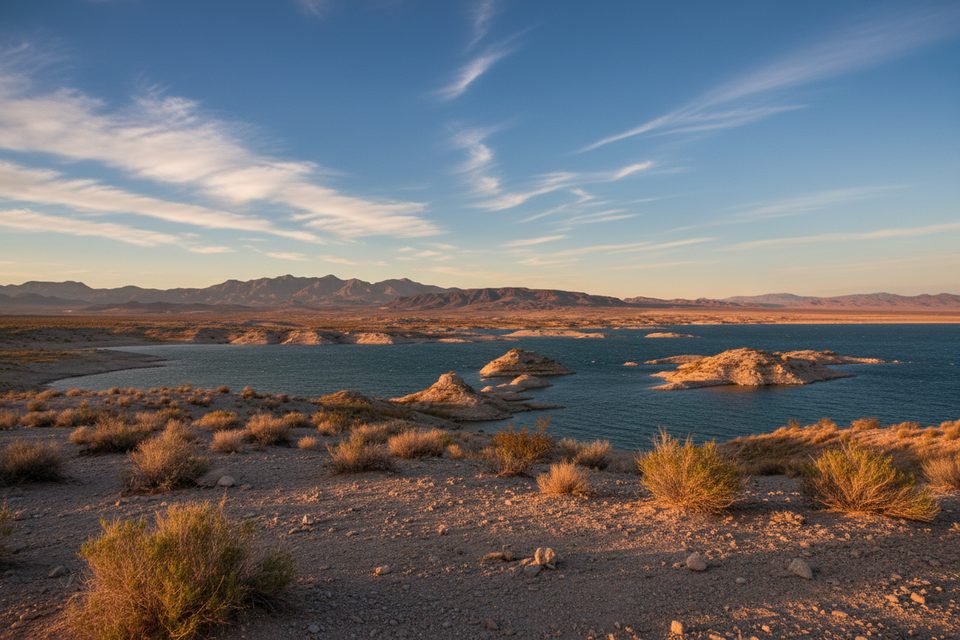
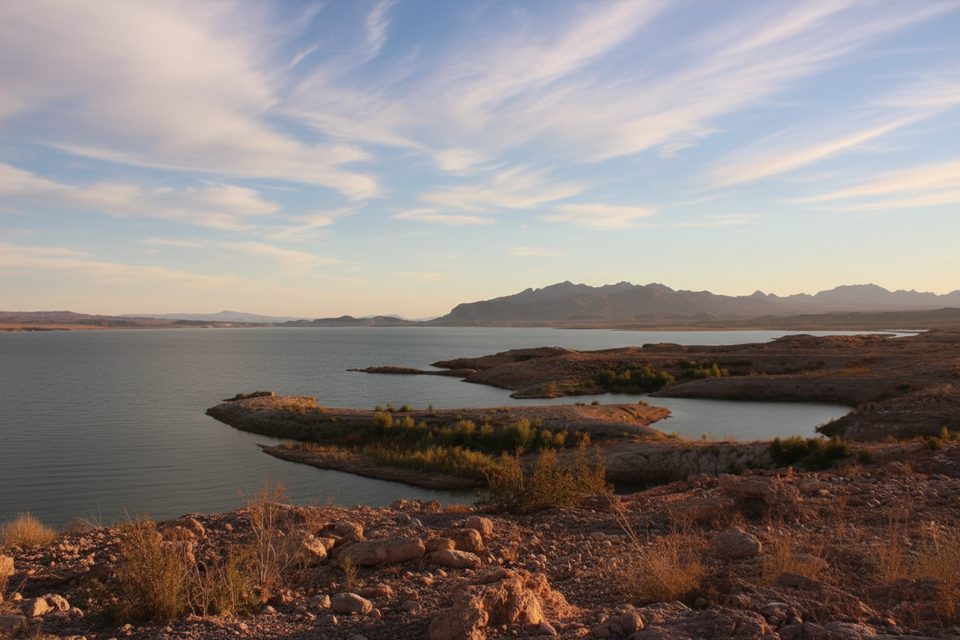
Overton Beach is no longer a drive‑in marina scene—it’s a quiet, walk‑in stretch of shoreline on the Overton Arm. Treat it like backcountry: no services, no crowds, just big water views and desert silence.
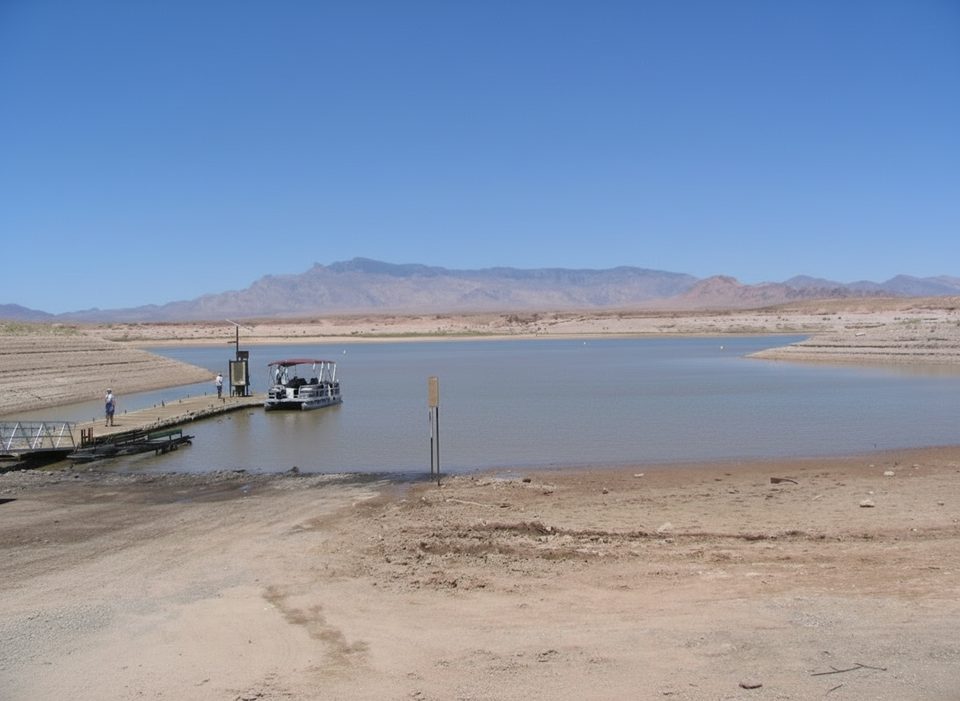
The developed area has been closed to vehicles since April 25, 2010, with facilities mothballed. As of 2025 the access road remains gated and the old infrastructure is being removed under a park project targeting long‑abandoned, hazardous structures. You can still enter on foot or by boat when lake conditions allow. Plan to be self‑sufficient from the moment you leave the pavement.
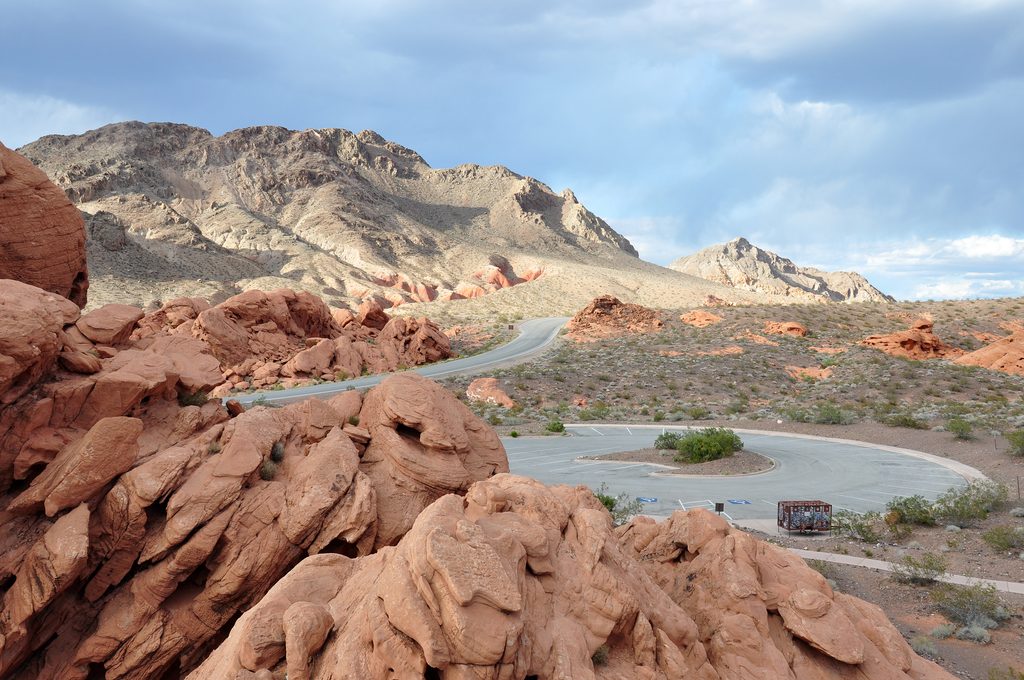
Expect broad lake vistas framed by classic Basin‑and‑Range desert. Birders love the Overton Arm—this section regularly records the park’s highest winter bald‑eagle counts, and nearby wetlands draw waterfowl and shorebirds in the cooler months. Desert bighorn roam the surrounding hills, especially at dawn and dusk.
Overton Beach was one of the park’s earliest developed areas. In the New Deal era, CCC crews built out beaches and bathhouses, planted shade, and put in docks to welcome lake‑goers. Falling lake levels decades later ended the marina era here and ultimately closed vehicle access.
There are no lifeguards anywhere on the lake. The park urges wearing life jackets—most fatalities could have been prevented with one. Swimming is prohibited at marinas and launch areas; keep well clear of boat traffic. The park does not monitor bacteria, toxic algae, or swimmer’s itch: towel off right after a swim and avoid any water with bright‑green surface algae. Shorelines can hide saturated mud as water recedes; test footing before you commit, and don’t drive onto soft lakebed. Distances are deceptive—don’t try to swim across big coves.
Overton Beach itself has none. For basic amenities, head to Echo Bay (campground, restrooms, water). For boat launching, plan on Callville Bay further south. Expect muddy margins across the north shore when levels are low.
Winter is prime for birding and cooler temps, with the best light at sunrise and late afternoon. If you’re here mainly for wildlife watching, aim for calm mornings when the water is glassy and birds are active.
Place · 1.5 mi away
Place · 2 mi away
Place · 2.7 mi away
Place · 4.2 mi away
Easy · 2 mi away
Easy · 5.4 mi away
Easy · 15.4 mi away
Easy · 15.5 mi away

Parkwolf Tour Guide
