
Place · 1.1 mi away
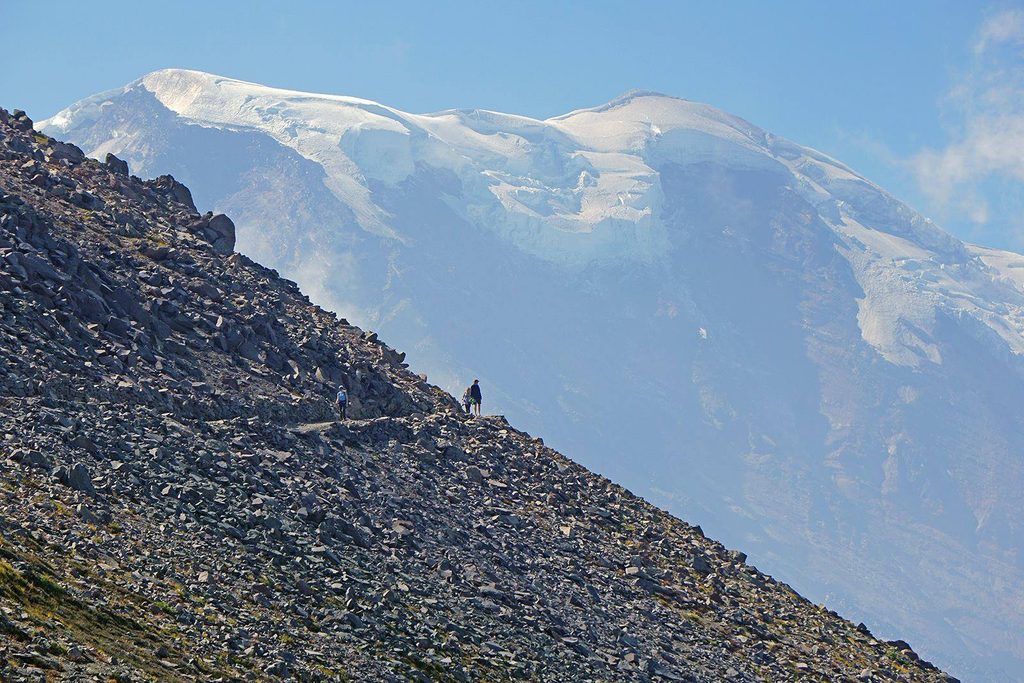
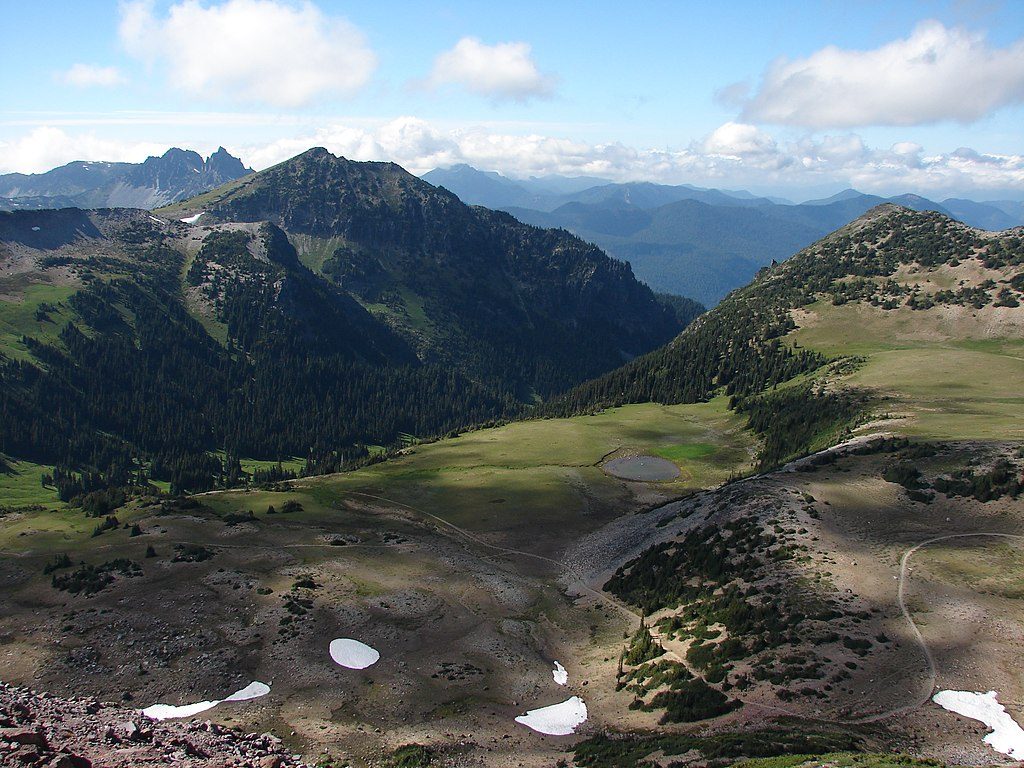
Third Burroughs is the highest of the three Burroughs summits above Sunrise, topping out around 7,827 feet. It’s a stark, wind-scoured alpine plateau that delivers some of the closest non-technical views of Mount Rainier and its glaciers. The vibe is raw and otherworldly—more tundra and pumice than meadow—and that’s exactly the draw.
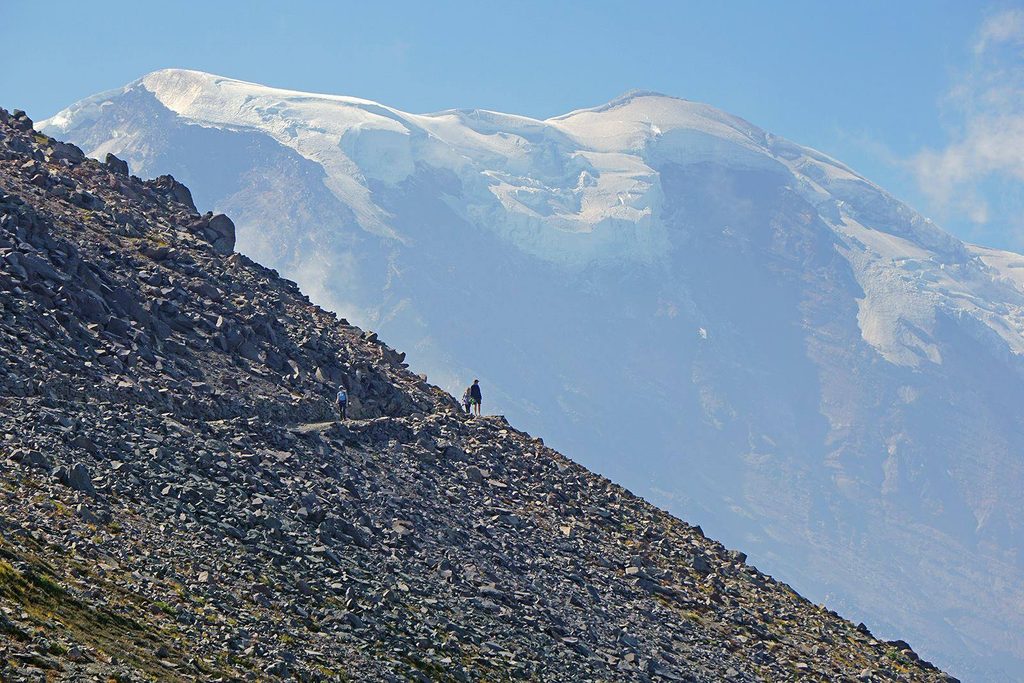
Plan on roughly 9 miles round trip from Sunrise with about 2,900 feet of gain. The trail is straightforward and popular to Second Burroughs, then turns quieter and more strenuous on the final, exposed climb to Third. Expect rocky tread and a barren, pumice-strewn landscape with no shade. There are no facilities once you leave Sunrise—no water, no shelter, no restrooms.
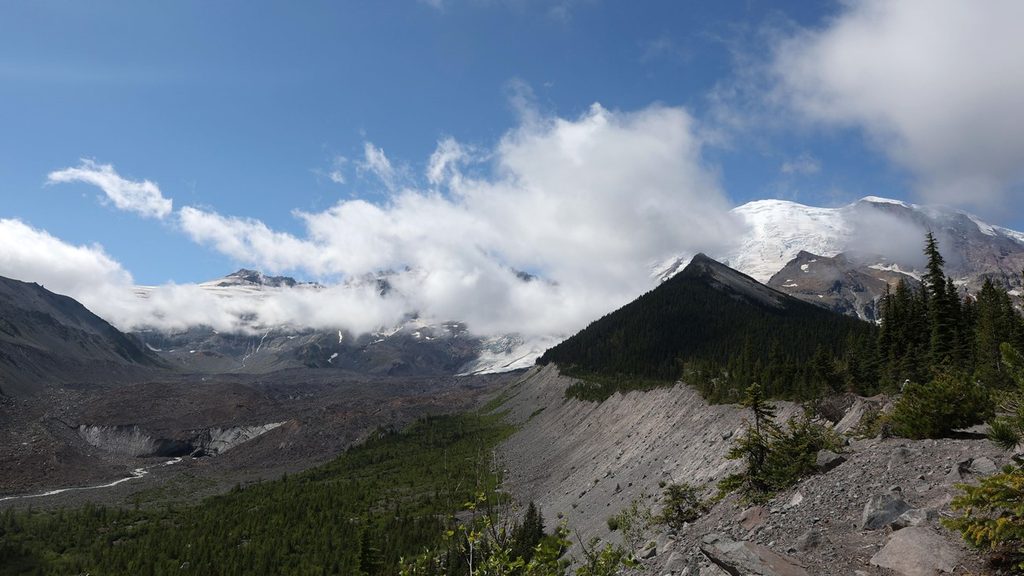
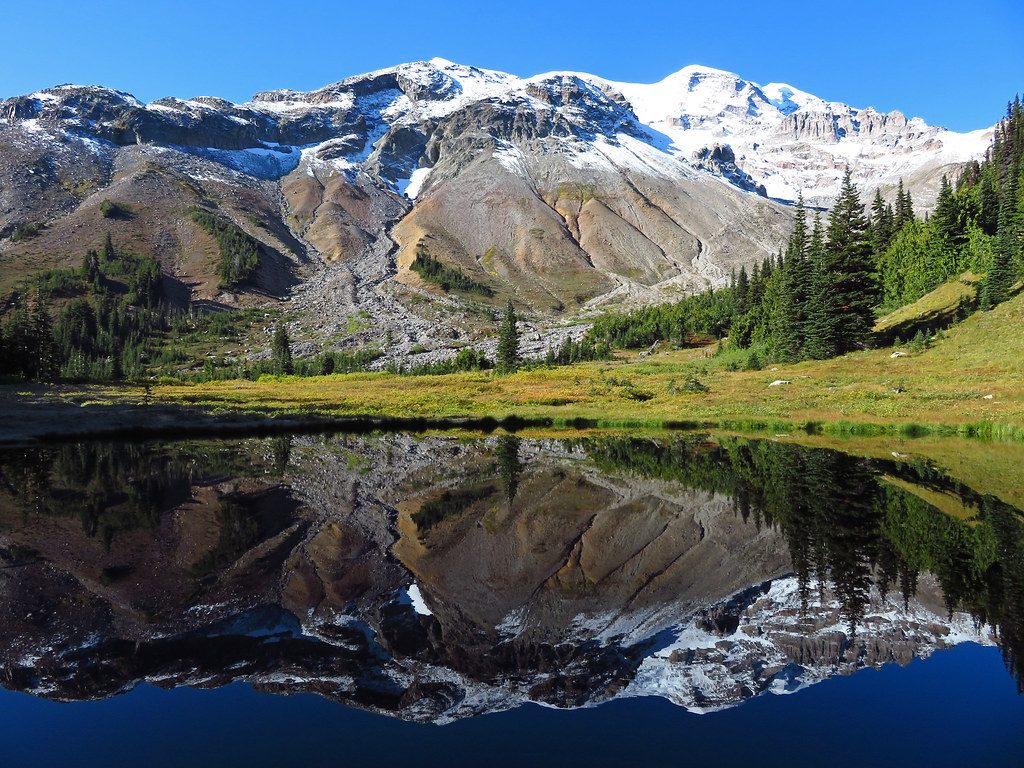
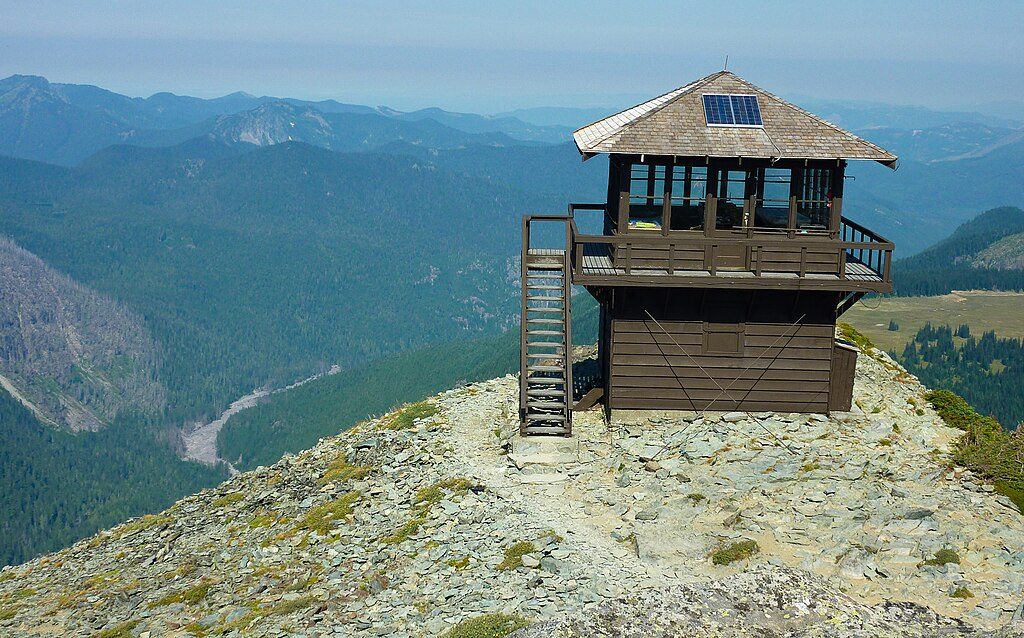
From the summit you get a face-full of Rainier: up-close looks at the Winthrop and Emmons Glaciers and sweeping views across the park. On clear days, scan for Skyscraper Mountain, Little Tahoma, and even Fremont Lookout, plus broad ridgelines rolling off in every direction. It’s a true 360-degree panorama that feels astonishingly close to the mountain.
Life is sparse up here, but keep an eye out for marmots and pikas in the rocks, and the occasional mountain goat. Birds like Clark’s nutcrackers and gray jays work the ridges. Bears are uncommon at this height and exposure, and this popular corridor tends to see fewer bear encounters than wilder corners of the park. Never feed wildlife.
This is a fully exposed route—sun, wind, and weather hit hard. The stretch from Second to Third is steep and feels tiring, especially in wind. Snow and ice can linger into early summer; traction can be helpful. Stay on the main path (parts of the approach to Third are less maintained) to protect fragile alpine vegetation.
Burroughs Mountain is named for naturalist John Burroughs. Geologically, you’re walking a rounded volcanic landscape shaped by glaciers, with broad pumice fields and a true alpine tundra environment that survives short, harsh growing seasons marked by brief wildflower flashes in summer.
Summer into early fall is prime, when snow has receded and skies are typically clearer. Start early for cooler temps and to dodge the strongest midday sun on the exposed plateau; the crowds thin noticeably beyond Second Burroughs. Clear days deliver the big, long-range views you came for.
If you’re up for a strenuous, exposed climb, Third Burroughs pays off with jaw-dropping, right-in-your-face glacier views and a wild alpine feel you won’t forget.
Place · 1.1 mi away
Place · 1.2 mi away
Place · 1.2 mi away
Place · 1.7 mi away
Easy · 3.2 mi away
Moderate · 3.4 mi away
Challenging · 3.4 mi away
Moderate · 3.4 mi away

Parkwolf Tour Guide
