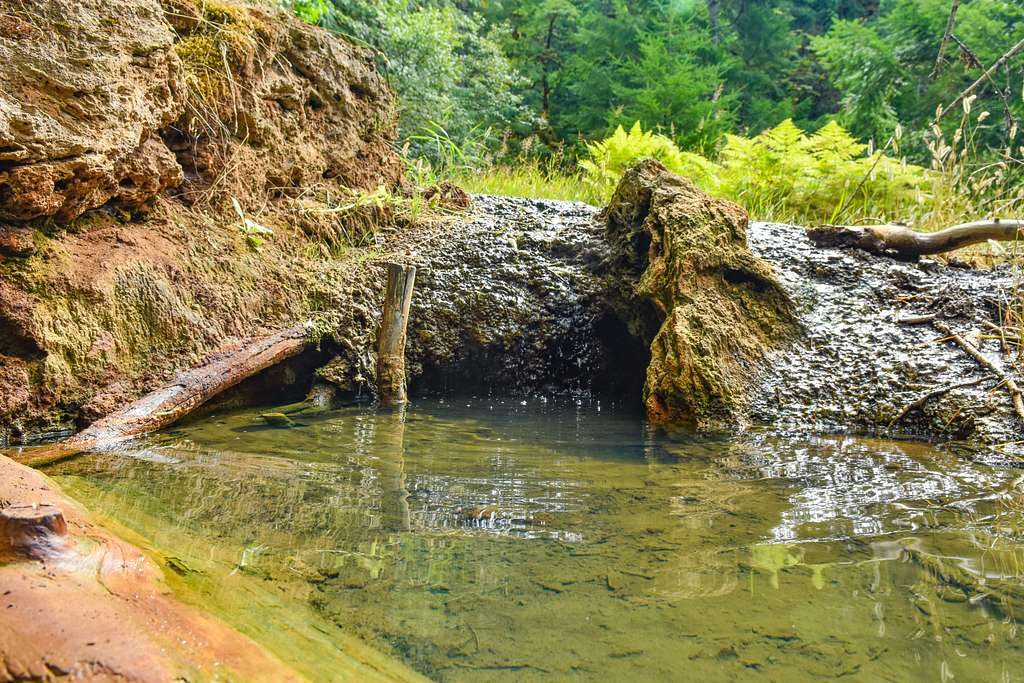
Ohanapecosh Hot Springs (remnants)

A humble loop to see Rainier’s geothermal history up close
Ohanapecosh Hot Springs (remnants), Mount Rainier National Park
InsideMount Rainier National Park

Overview

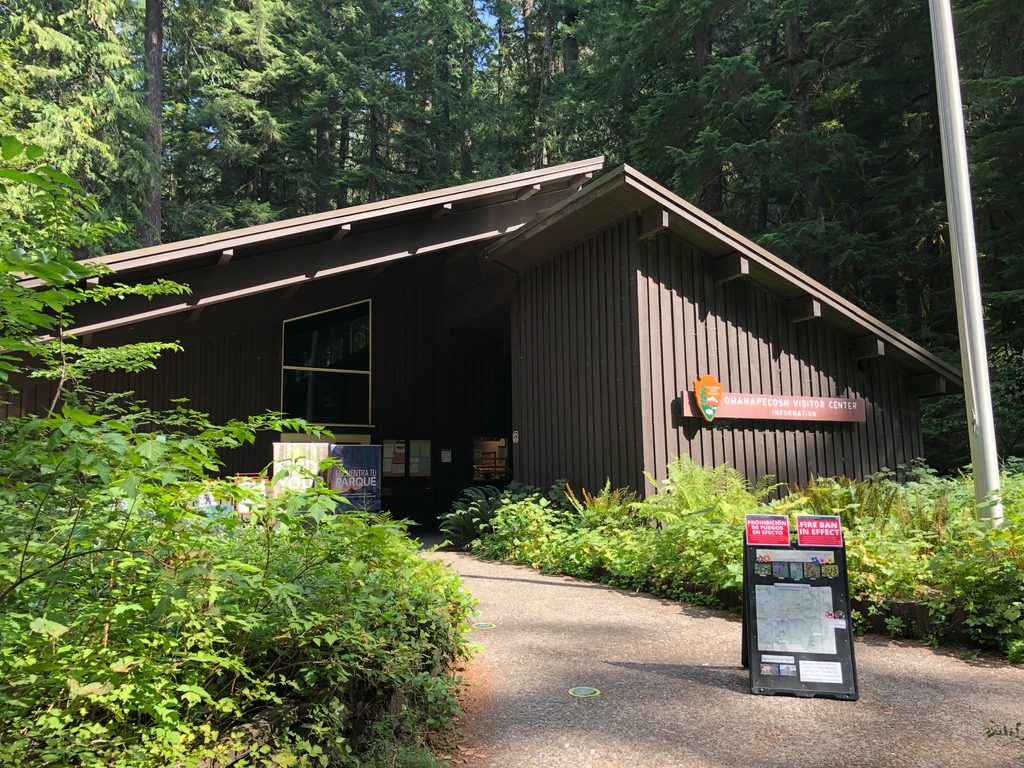
Think of this as a gentle history-and-geology stroll, not a spa day. The Hot Springs Nature Trail loops through forest near the Ohanapecosh Visitor Center and campground, passing the small, warm seeps that are all that remain of a once-bustling hot springs resort. It’s a quick, low-effort stop that’s great for families and anyone curious about the park’s geothermal side.

What You’ll See

  • Small, warm, mineral-rich seeps and boggy patches rather than big pools.
  • Interpretive signs explaining the site’s past and the hot springs’ origins.
  • Open meadow and cleared spaces where resort buildings once stood.
  • A short, roughly half-mile loop that starts near the visitor center and stays close to the campground.

History Snapshot

A health resort operated here for decades in the early to mid‑20th century, with a bathhouse, cabins, and even plans for a large pool. The Park Service removed the dilapidated structures in the 1960s and restored the area to a natural setting. The broader Ohanapecosh area also contains protected cultural resources from earlier periods—treat anything you spot as off-limits to collecting.

Geology in Plain Sight

These springs are warmed by groundwater circulating through volcanic rock tied to Rainier’s geothermal system. They still bubble near the campground, but the heat and flow aren’t high enough for bathing—today it’s about observing, not soaking.

Is It Worth Your Time?

Yes, if you like short, educational walks or you’re camping nearby. No, if you’re hunting for a soak or a dramatic thermal feature—this is subtle. It pairs perfectly with the Silver Falls Loop or a stop at Grove of the Patriarchs when it’s open.

Practicalities

  • No soaking or wading—stay on the signed trail to protect delicate features.
  • Restrooms, water, and parking are at the adjacent campground/visitor center area; there’s no food or gas here.
  • Expect damp ground; the loop can be muddy after rain.

Best Time to Visit

  • Season: This low-elevation corner often opens earlier and lingers later in the year than higher park zones.
  • Crowds: Mornings are typically the quietest; weekend middays draw the most foot traffic.
  • Light: Soft morning or late-afternoon light makes the forest and riparian edges feel more atmospheric.

Who Will Love It

Families, campground strollers, geology and history buffs, and anyone wanting a low-effort leg stretch with a side of context.

Pros

  • Short, kid-friendly interpretive loop near the visitor center
  • Easy look at active geothermal springs without a big hike

Cons

  • No soaking; the springs are small seeps
  • Area can feel muddy and underwhelming if you expect big pools

Tips

  • Start at the Ohanapecosh Visitor Center and follow the signed loop.
  • Do not plan to soak—enjoy the springs from the trail only.
  • Pair this quick stop with the nearby Silver Falls Loop for a fuller outing.
  • Wear shoes you don’t mind getting muddy after rain.
  • Go early or late to avoid weekend midday crowds.
The Parkwolf tour guide sitting on a phone mounted in a car

Parkwolf Tour Guide

Like a tour guide in your car.

Save the places you found around Mount Rainier, then let Parkwolf guide the drive between them.Download Parkwolf on the App Store