
Place · 0.7 mi away
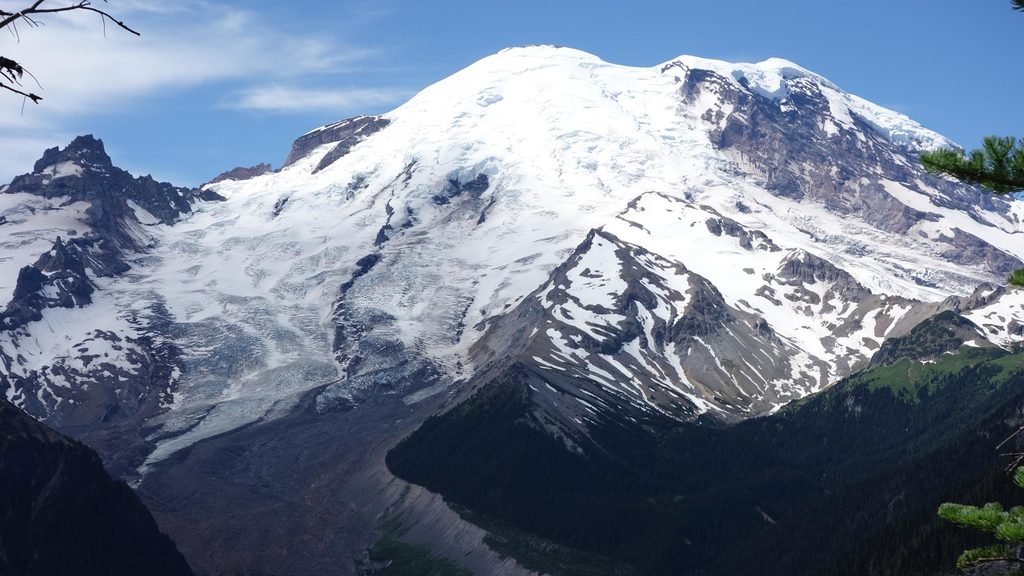
Emmons Glacier sprawls down the northeast side of Mount Rainier and is the largest glacier in the contiguous United States. It’s dramatically split from neighboring Winthrop Glacier by the rock rib called Steamboat Prow, creating a classic twin-glacier panorama on this side of the mountain.
For the best casual vantage, start from White River Campground. Drive through the White River Entrance Station and continue about five miles to the campground, then park in the hiker/climber lot. Begin on the Glacier Basin Trail in Loop D; shortly along this path, a spur leads to the Emmons Moraine—a rocky ridge of glacier-deposited debris with big views of the Emmons Glacier terminus and a striking turquoise lake tinted by glacial silt.
From the moraine you can admire the glacier’s lower ice, lateral moraines, and that milky-blue proglacial lake. Higher up, Emmons is a broad river of ice flowing from just below the summit, riddled with crevasses and sculpted seracs.
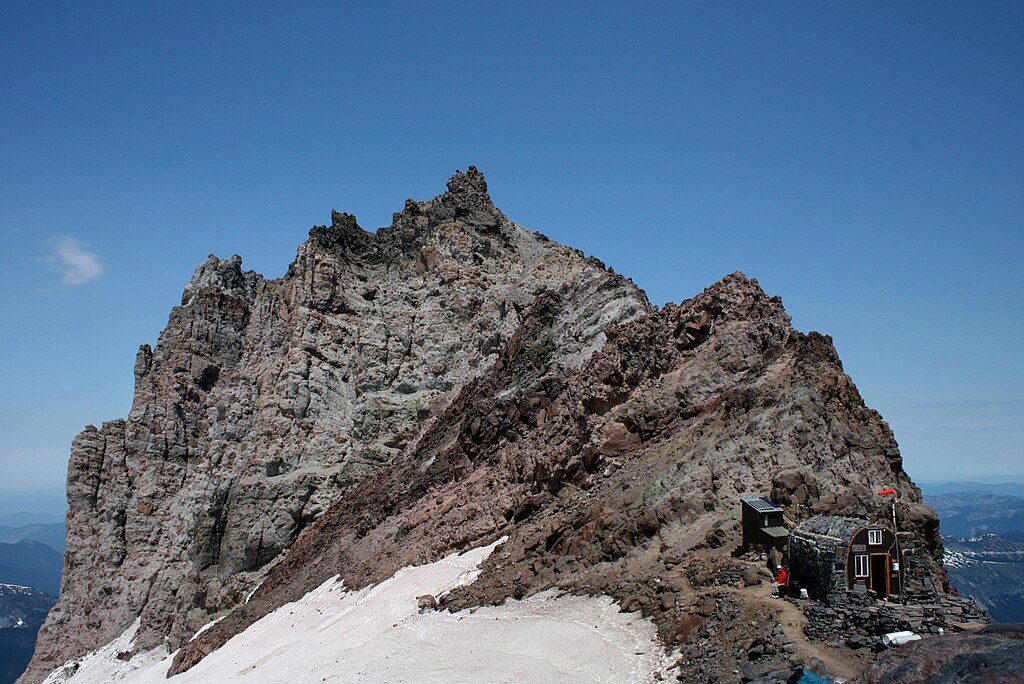
Emmons is the backbone of the Emmons–Winthrop route to the summit—a longer but less steep line than some west-side routes. Parties typically stage at Camp Schurman around 9,500 feet beneath Steamboat Prow. Above, a long snow slope known as “The Corridor” leads to more heavily crevassed terrain. Conditions change fast; expect crevasse hazards, shifting snow bridges, and highly variable route-finding. Climbing and camping permits are required.
On the approach through Glacier Basin and along the moraine, keep an eye out for marmots, pikas, mountain goats, and alpine birds. The moraine itself is textbook glacial geology—a ridge of rock and till pushed and dropped by the ice over time—while the lake’s vivid color comes from suspended glacial flour.
Clear summer days offer the most reliable views and the brightest turquoise water. Photograph in early or late light for texture on the ice and fewer harsh shadows. For climbers, early season snow coverage can simplify crevasse navigation, but conditions vary—always check the latest reports. Weekends around peak season see more activity at high camp; weekdays are generally quieter.
There’s no food or store at the glacier or viewpoint. Treat the moraine edges with respect and keep well back from unstable slopes and the glacier’s toe—ice and rock can move without warning.
Place · 0.7 mi away
Place · 1.2 mi away
Place · 1.3 mi away
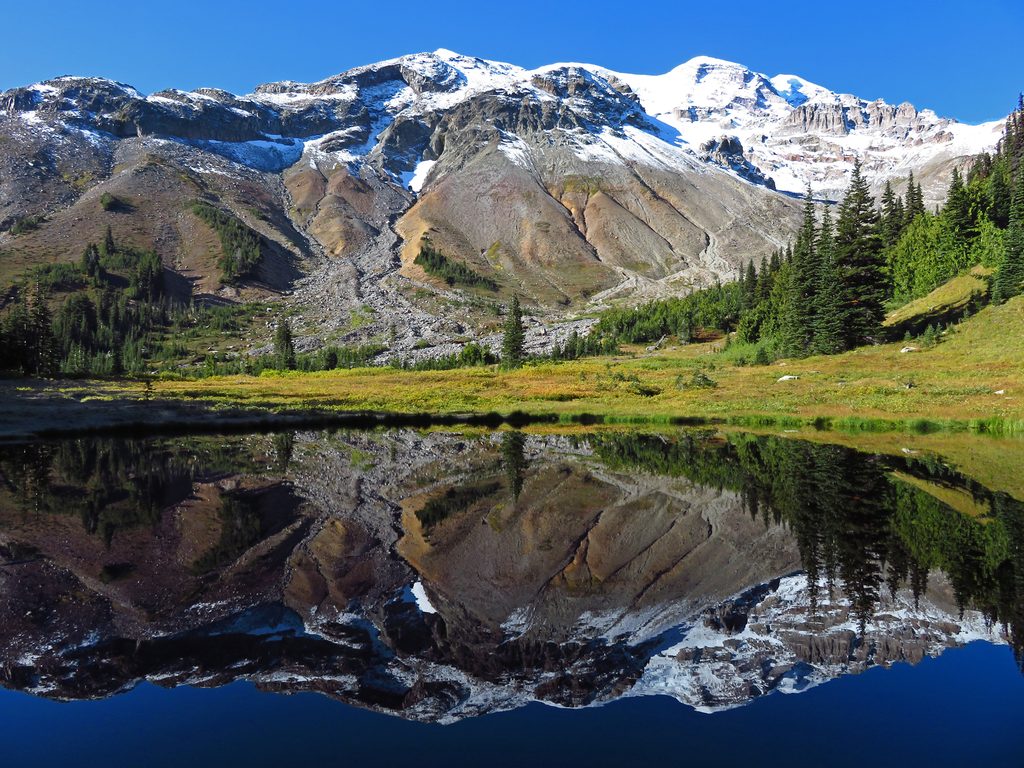
Place · 1.7 mi away
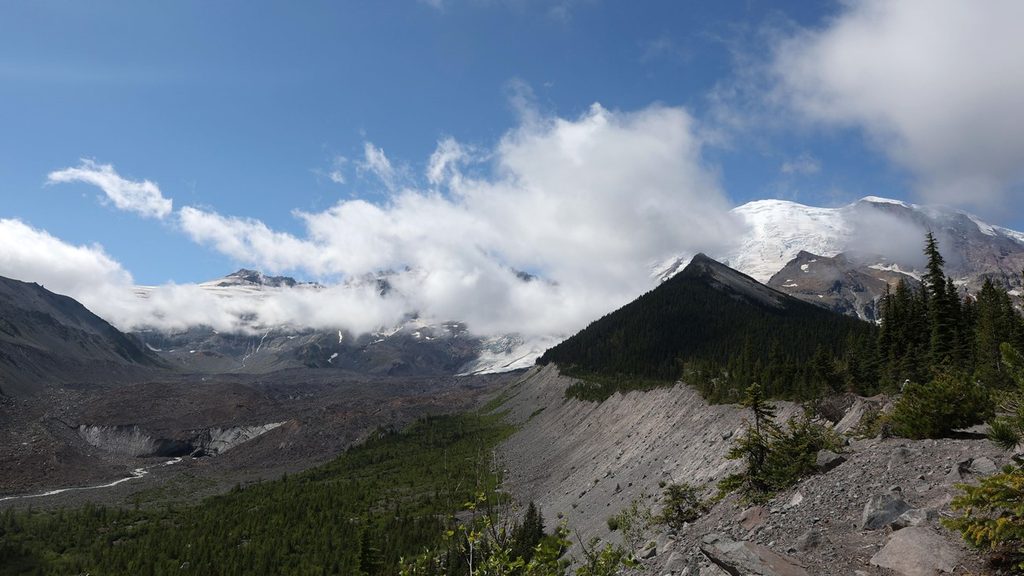
Easy · 4.3 mi away
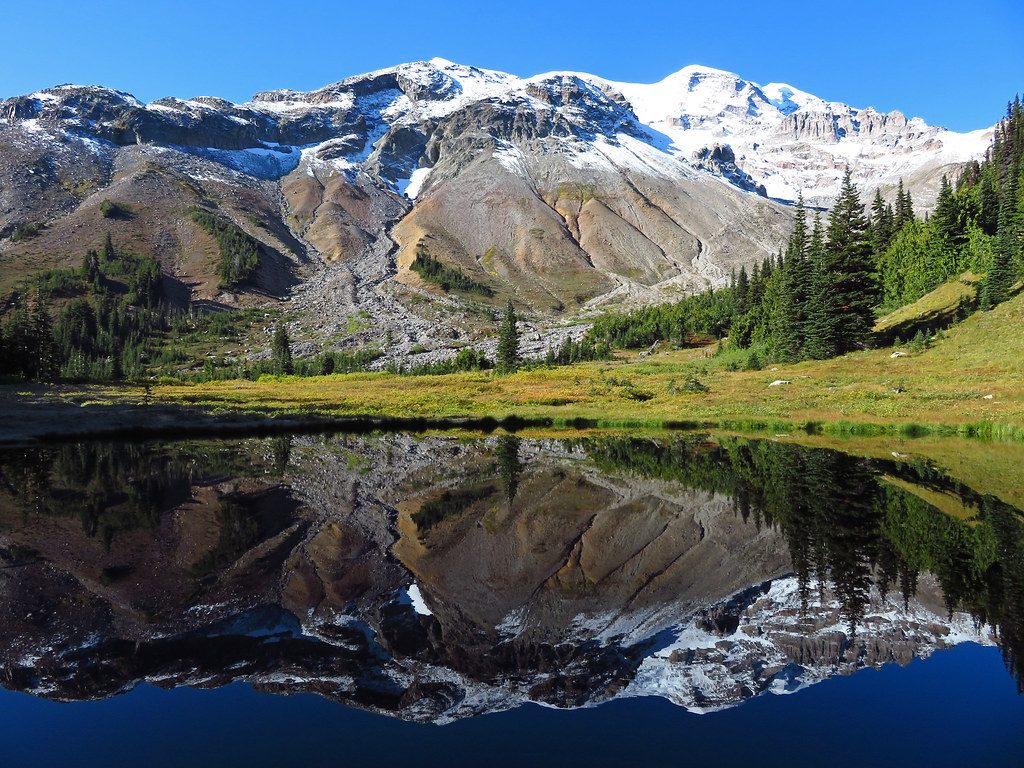
Moderate · 4.5 mi away
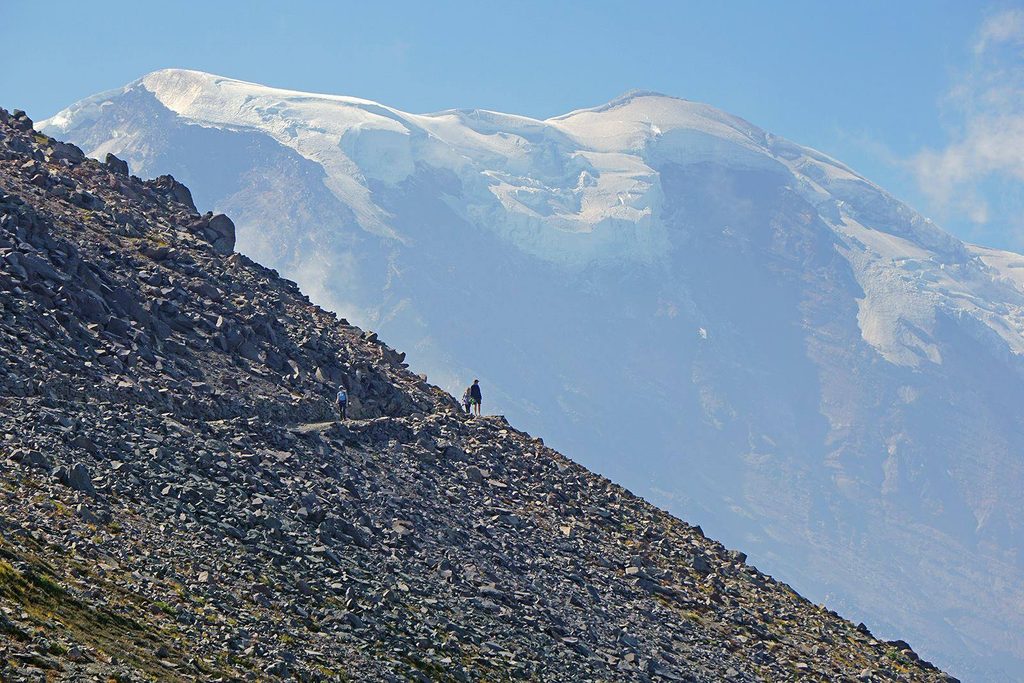
Challenging · 4.9 mi away
Moderate · 4.9 mi away

Parkwolf Tour Guide
