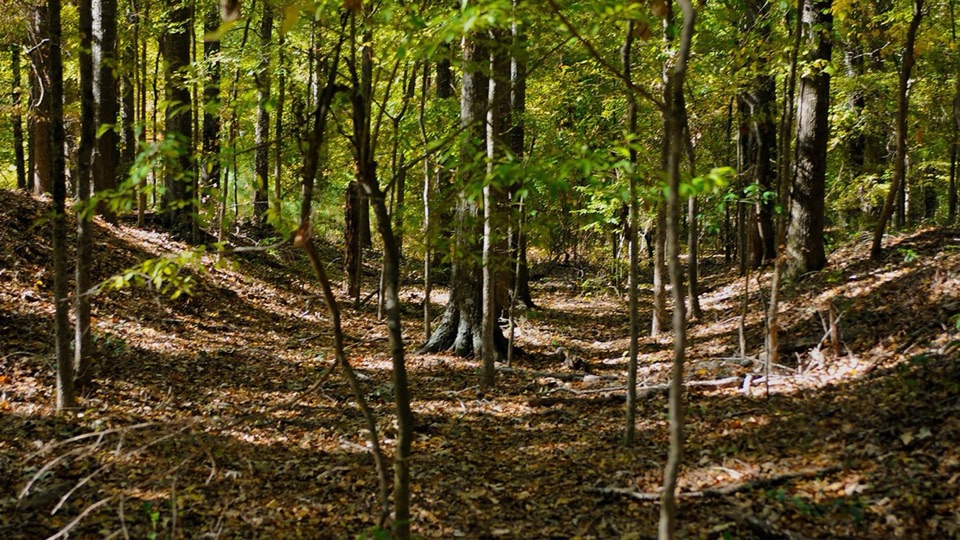
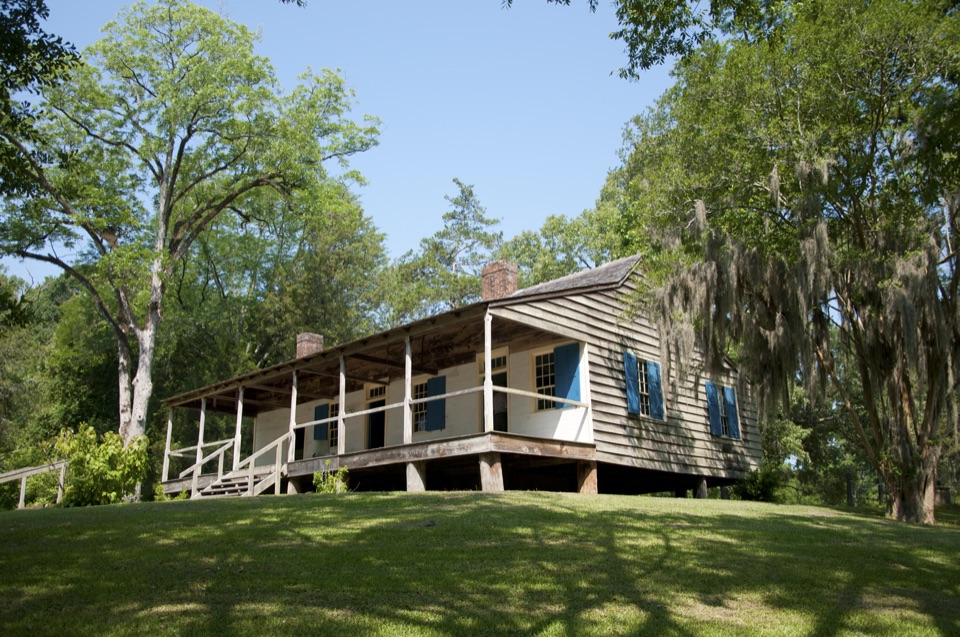
The site is named for Turner Brashears, who moved to the area in the late 1700s, traded with the Choctaw, and learned their language. In 1806 he advertised his place as a "house of entertainment" on the road from Natchez to Nashville. Stands like his were the basic infrastructure of that road, offering simple food and rough accommodations to travelers who had few other options.
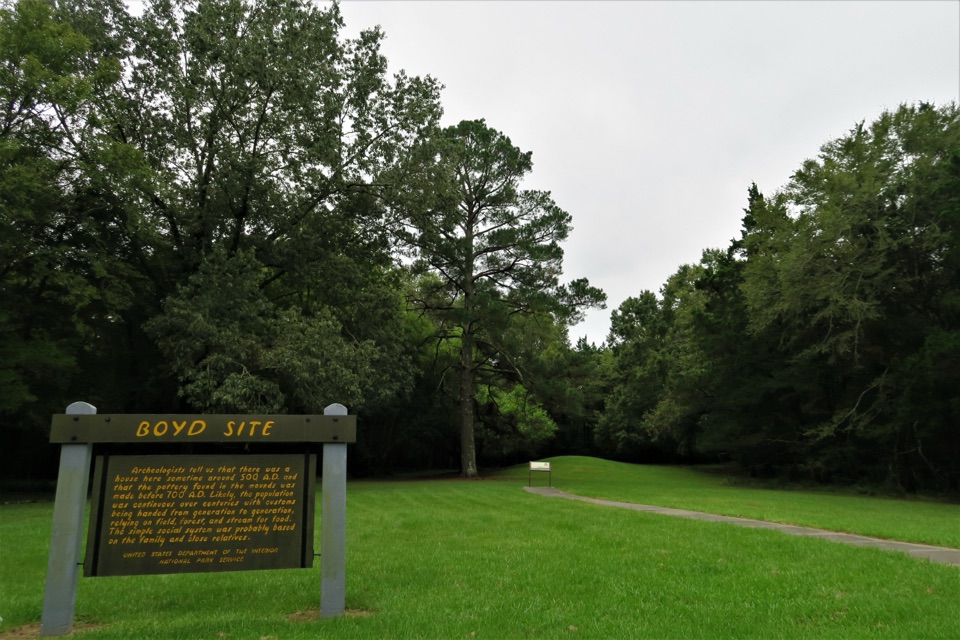
That is only part of the record. Brashears also profited as a trader of enslaved people, and enslaved labor was part of the story of the Trace itself. The walk is more meaningful if you carry that context with you. Nothing of the stand survives, so the story rests entirely on the interpretive panels and on what you picture while standing in the roadbed.