
Place · 0 mi away
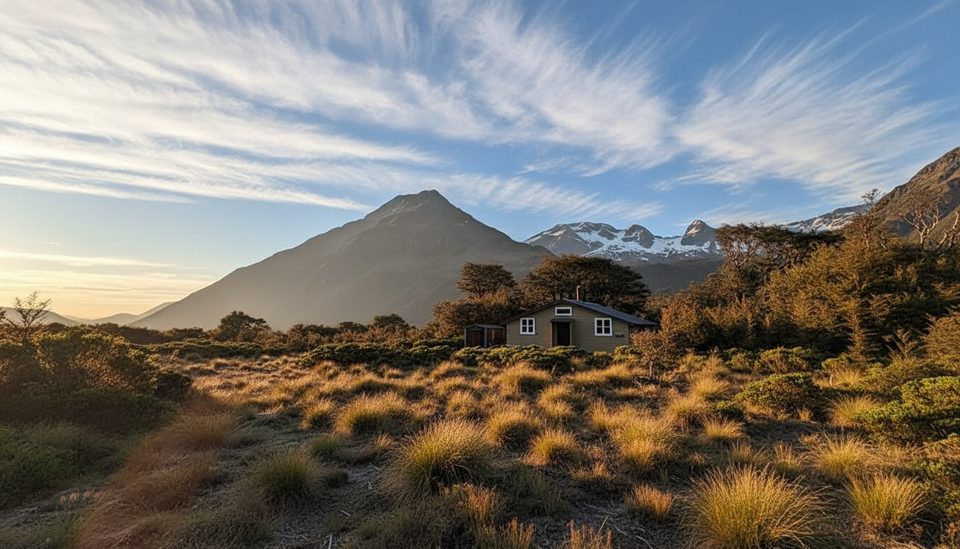
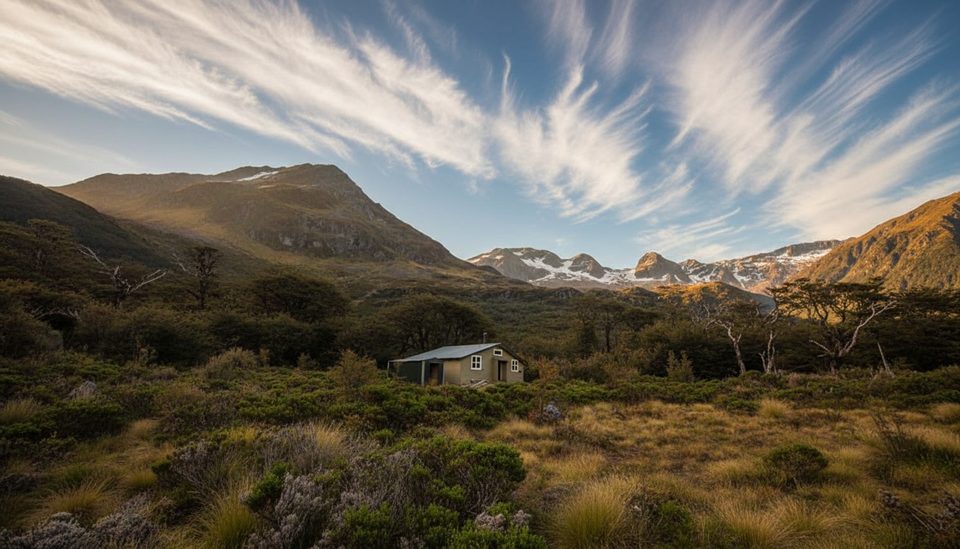
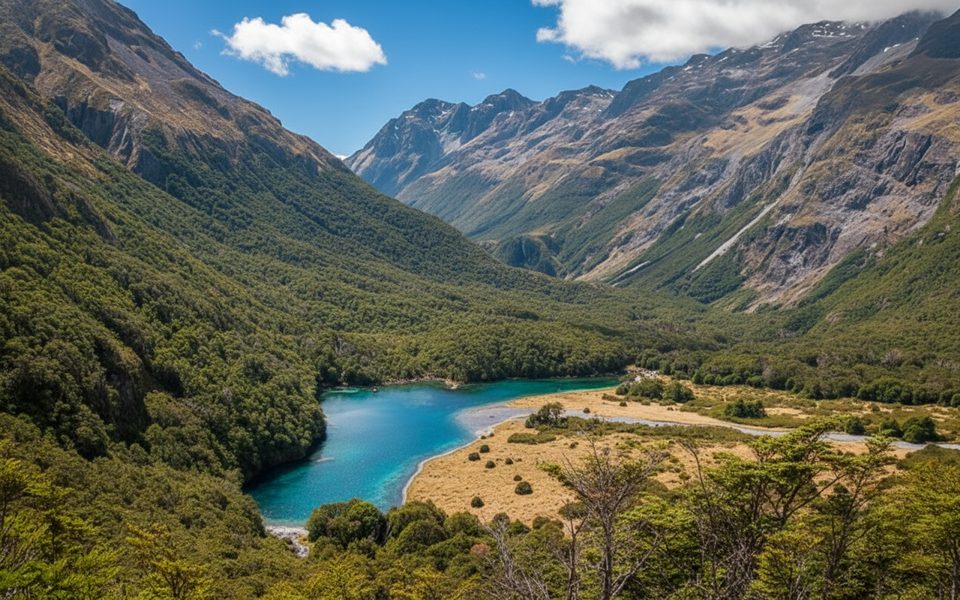
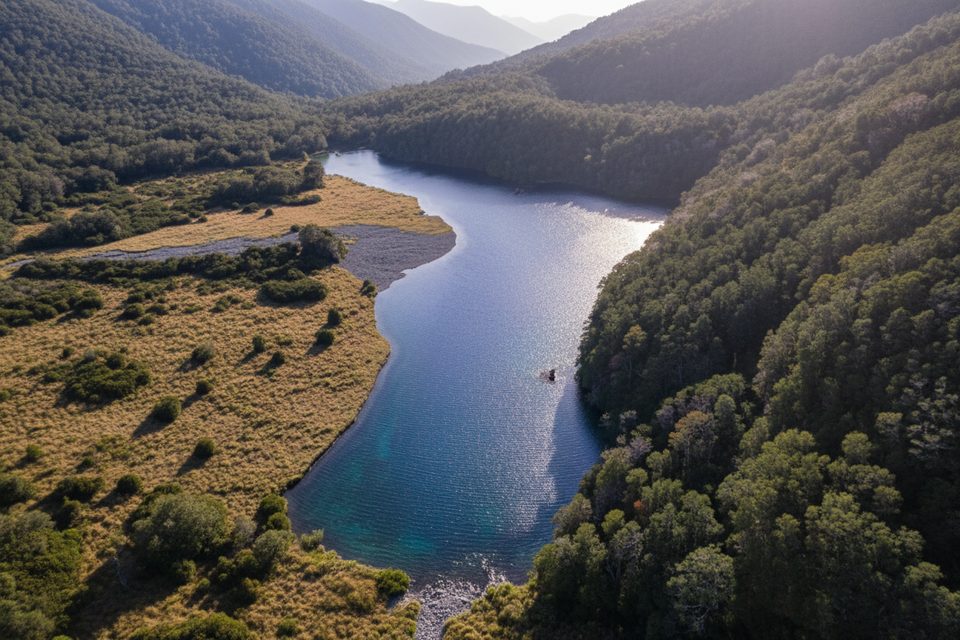
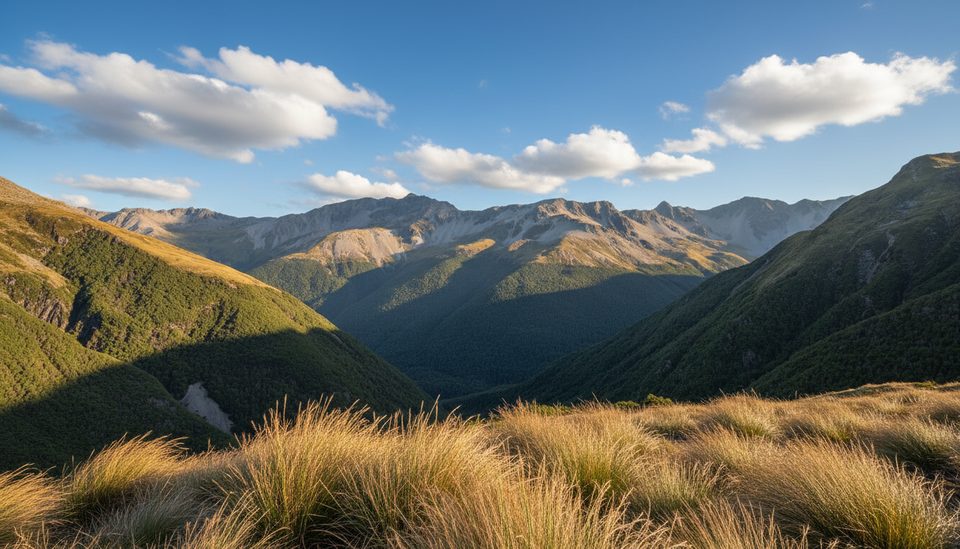
Tucked beside the 16‑bunk Blue Lake Hut, this backcountry campsite puts you steps from Rotomairewhenua/Blue Lake—famed for its astonishing clarity and deeply significant to Ngāti Apa ki te Rā Tō. It’s an unforgettable place to overnight, but it comes with important responsibilities: Blue Lake is tapu (sacred), so you must not touch the water—no swimming, washing, filling bottles, or dipping gear. You’ll still get superb shoreline views just a short stroll from the hut.
Camp near the hut and use the hut toilets. The hut itself is a serviced DOC hut with mattresses, heating (closed fire/wood stove), and a roof‑fed water tank. Remember: do not use Blue Lake for anything. If you want a dip or need to fill bottles, do so in the Sabine River below the lake’s outlet. Fees apply, and stays operate first‑come, first‑served.
Most walkers reach the hut via the Travers–Sabine Circuit over Travers Saddle, typically passing West Sabine Hut. Expect steep terrain and a solid full day between those points—especially tough in the wet. It’s remote, so pack like it: layers, sturdy boots, and solid navigation.
Lindavia (“lake snow”) is present in nearby lakes. Use the DOC biosecurity cleaning stations at Coldwater Hut, Lakehead Hut, and Sabine Hut to disinfect any wet boots, clothing, towels, or bottles before and after you move through the area. That small step protects these waters for everyone.
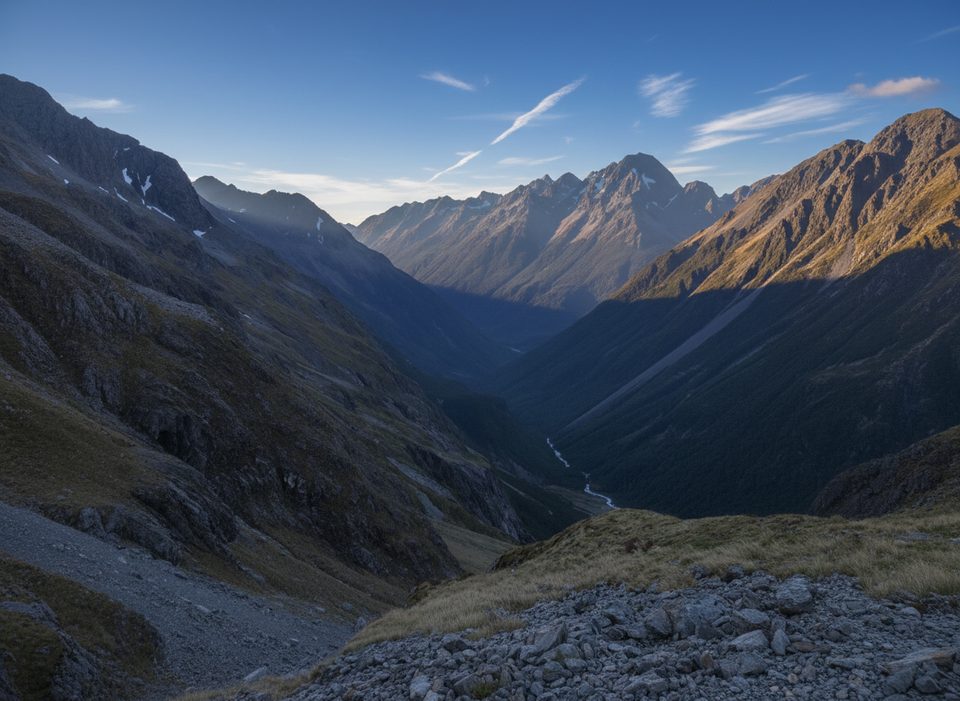
From here, skilled trampers often push on over the Waiau Pass Route to Waiau Hut. It’s a technical alpine undertaking with steep, loose sections and exposure. Weather turns quickly, and when snow is present you’ll need an ice axe and crampons. The route also crosses complex avalanche terrain—highest risk in winter and spring—so only go if you have the skills, gear, and judgment.
Summer brings the best chance of settled travel on the circuit but also the biggest crowds—this hut is often full. Wasps become more of a nuisance later in summer, so those with allergies should come prepared. If you’re eyeing Waiau Pass, avoid winter and spring unless you have avalanche skills and proper equipment.
Place · 0 mi away
Place · 0.2 mi away
Place · 0.9 mi away
Place · 1.1 mi away
Challenging · 3.8 mi away
Moderate · 3.8 mi away
Challenging · 5.5 mi away
Challenging · 8.2 mi away

Parkwolf Tour Guide
