Place · 0.2 mi away

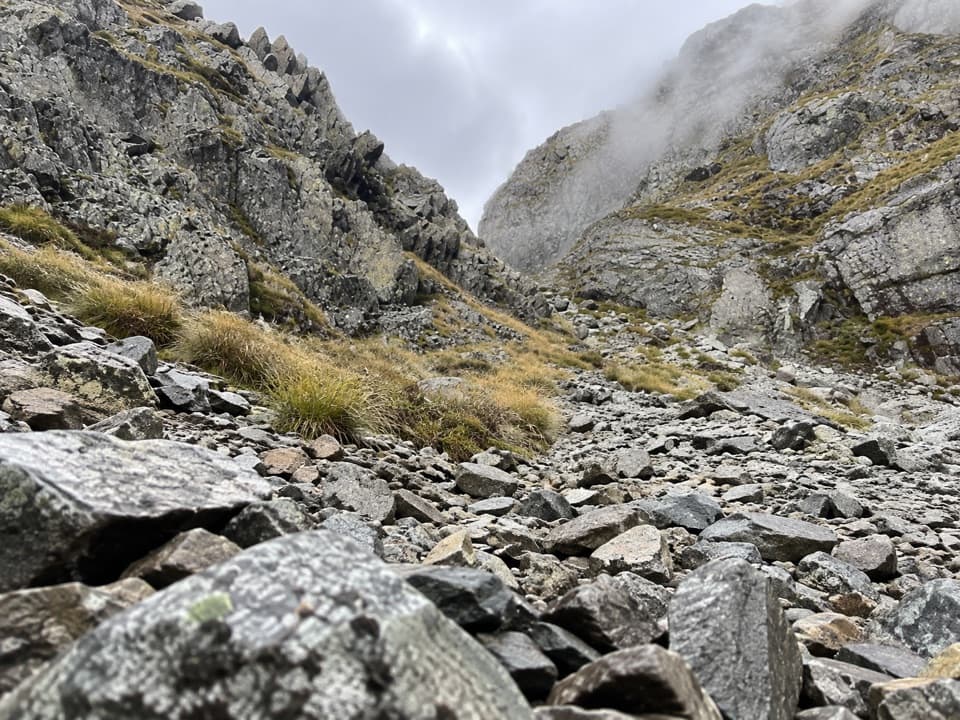
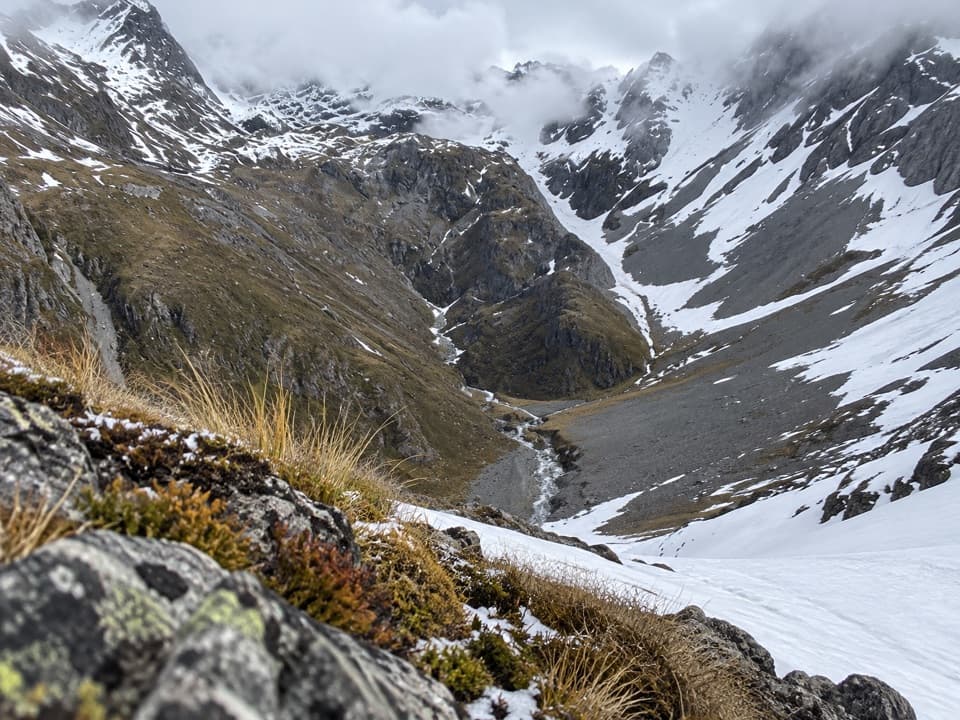
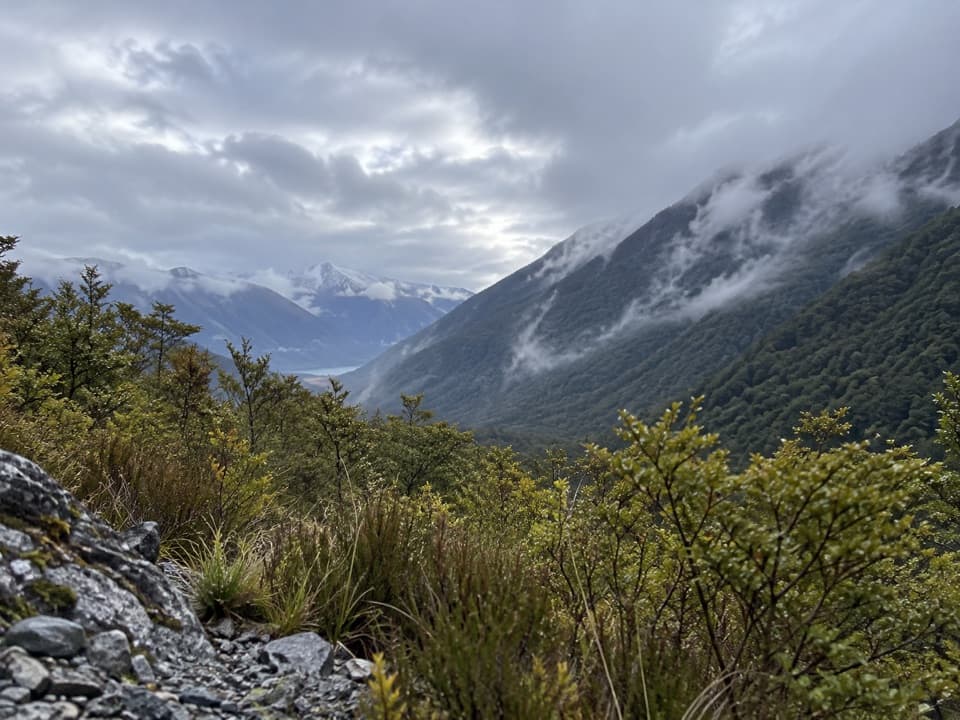
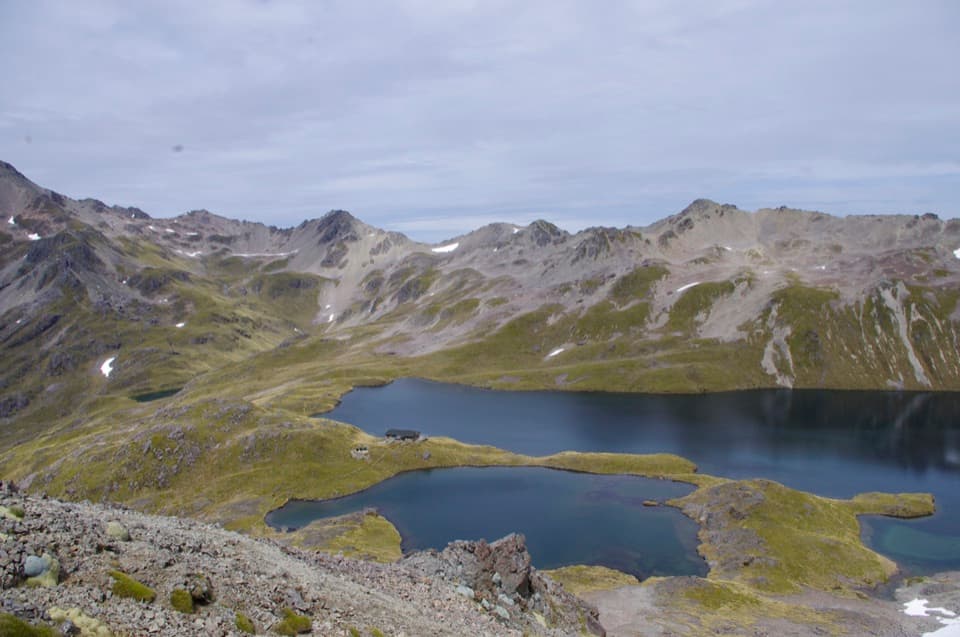
High in a beech-clad valley at roughly 1,200 m and ringed by 2,000 m peaks, Rotomairewhenua/Blue Lake is a true wilderness jewel. It’s revered for its astonishing blue-violet hues and for being measured among the clearest known freshwater bodies on Earth. This is a remote, on-foot-only destination—no roads, no shops, just a quiet hut nearby and the hush of alpine country.
Scientific surveys documented visibility typically around 70 m and at times exceeding ~80 m—close to optically pure water. The lake is fed by Lake Constance through an underground route; as the water percolates through glacial gravel and old landslide debris, it’s naturally filtered before re-emerging in springs above the lake. The system even flushes about every three days, helping preserve that clarity.
Rotomairewhenua is tapu (sacred) to Ngāti Apa ki te Rā Tō. The name is often translated as “the lake of peaceful lands,” and the waters have long-held ceremonial importance. Respect for this heritage underpins every rule here: the water is considered a taonga (treasure) and must remain untouched.
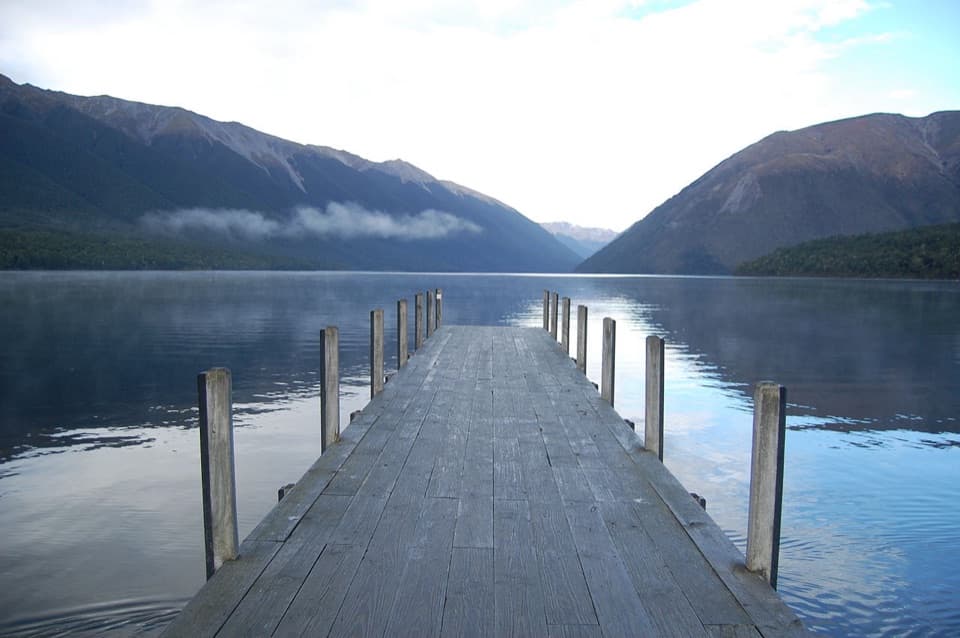
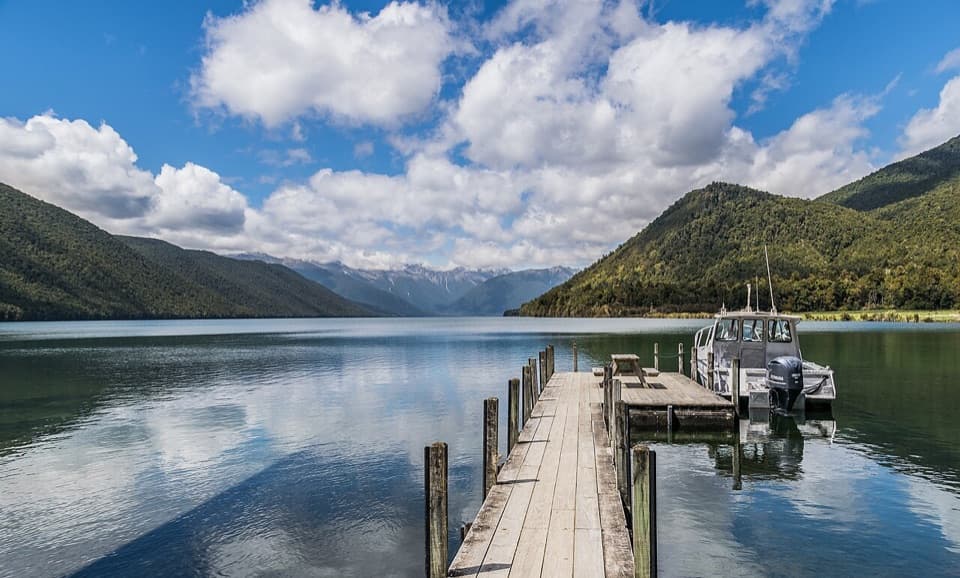
Most walkers reach Blue Lake as a side trip on the Travers–Sabine Circuit from St Arnaud, or by taking a water taxi across Lake Rotoroa to Sabine Hut, then hiking Sabine Hut → West Sabine Hut (about 5 hours) and West Sabine → Blue Lake Hut (about 3–3.5 hours). Fit parties sometimes compress this, but most allow two days in. Expect patchy or no cell coverage.
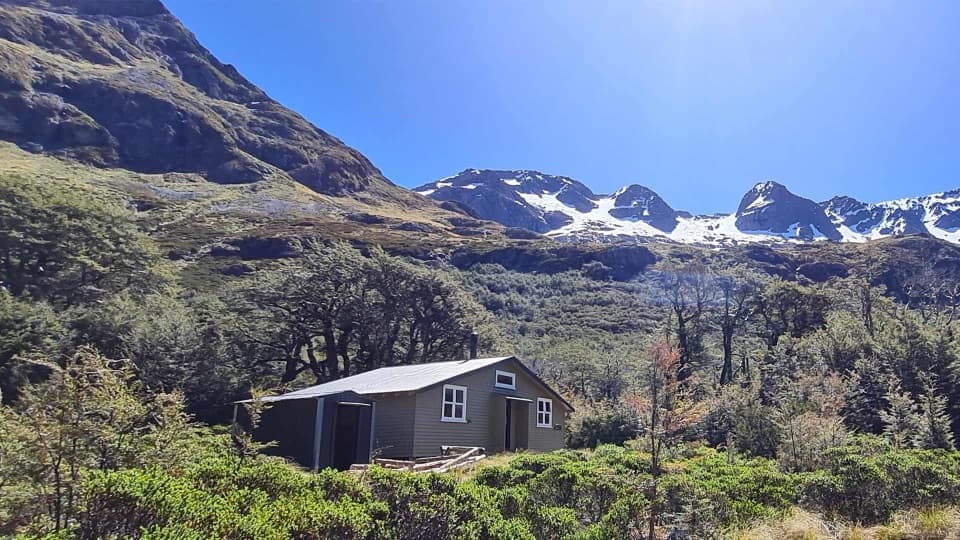
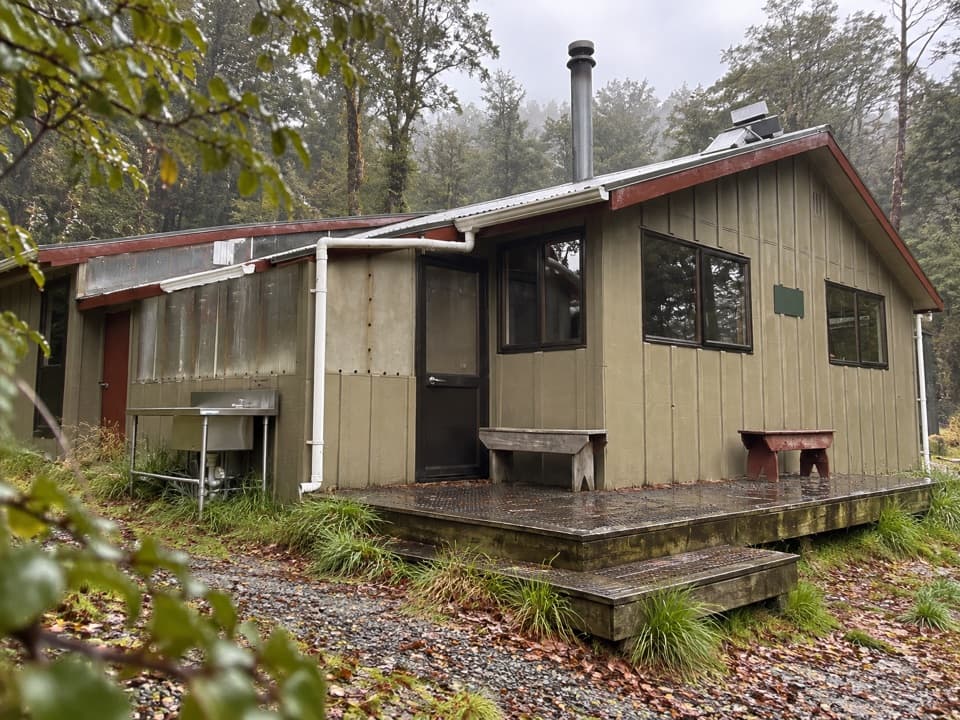
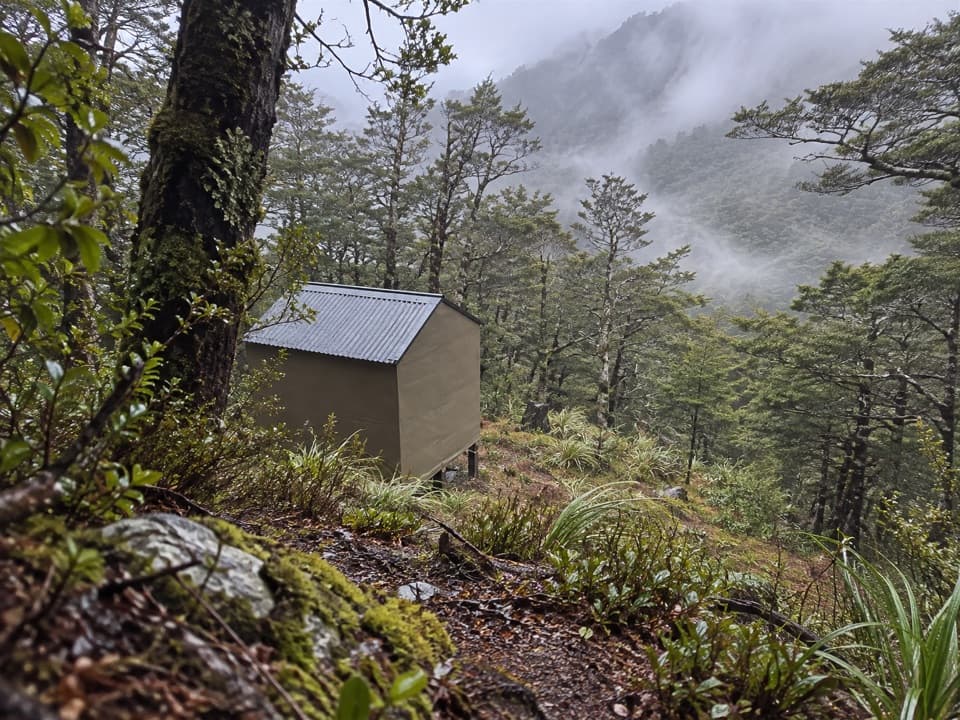
Blue Lake Hut has 16 bunks and sits a short walk from the lake. Huts in this area are serviced: expect mattresses, a water supply, toilets and hand-washing facilities, and a fireplace; do not expect electricity or cooking gear, so bring your own stove and a headlamp (and even your own toilet paper). Stays are typically paid per person per night, and some systems use Backcountry Hut Tickets purchased from DOC; camping fees apply if you pitch near huts. One guide notes hut stays around $25 NZD and camping near huts at $10 NZD, with certain passes valid from May 1–Sept 30; always check current DOC details before you go.
This is graded hard/remote tramping. Weather shifts quickly; even in summer you’ll want full rain gear, warm layers, spare food, a map/app and a PLB. Start early, stick to formed tracks, and treat/boil water taken from streams or rivers (never from the lake itself).
Late spring to early autumn offers the most settled conditions, with the warmest window from December to February. The broader walking season runs roughly November–April. Summer is popular around the huts, so plan your nights and move early in the day for quieter shore time.