
Place · 1 mi away
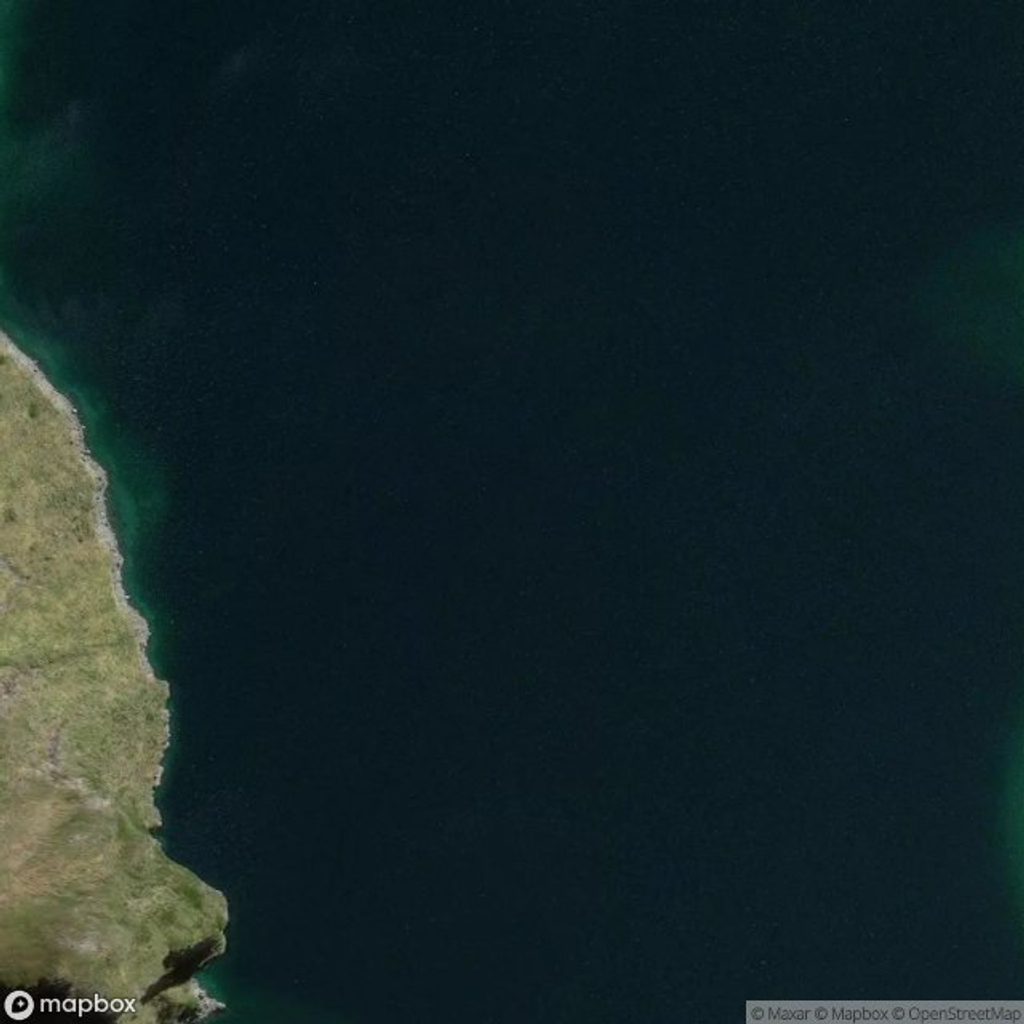
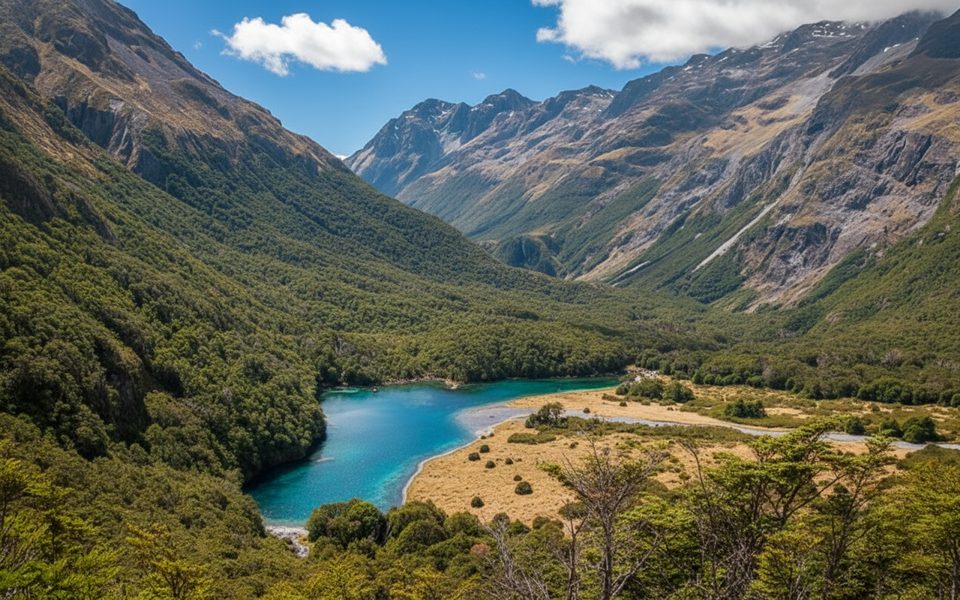
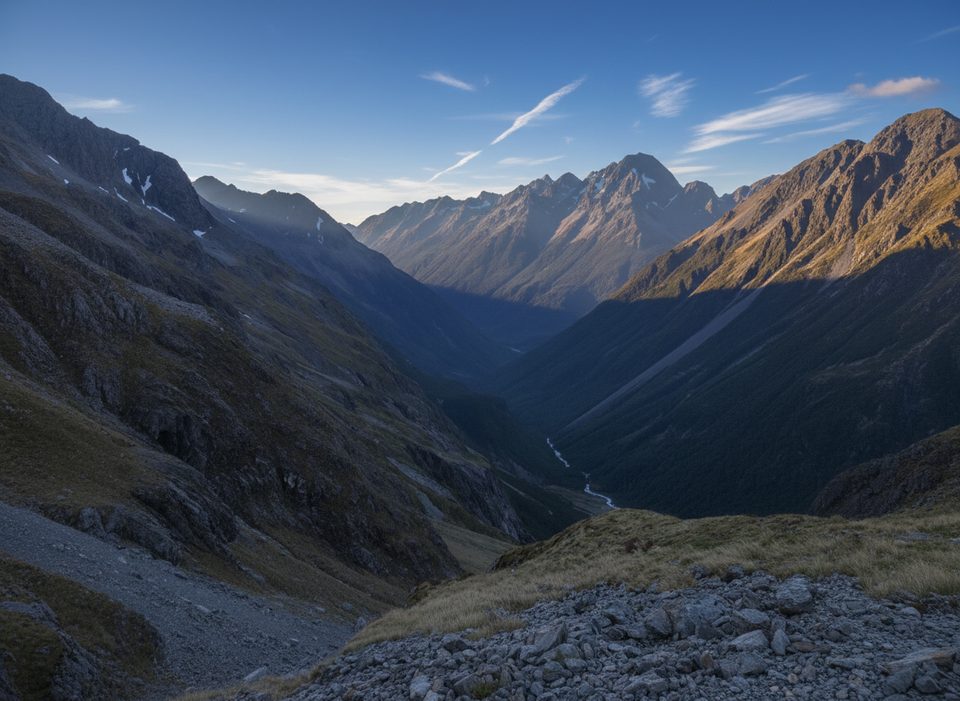
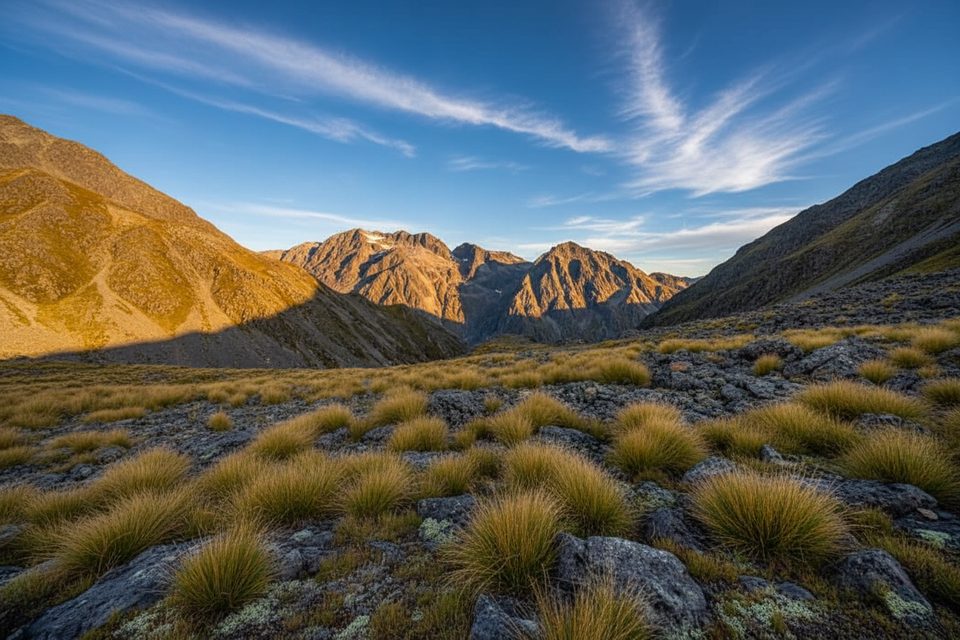
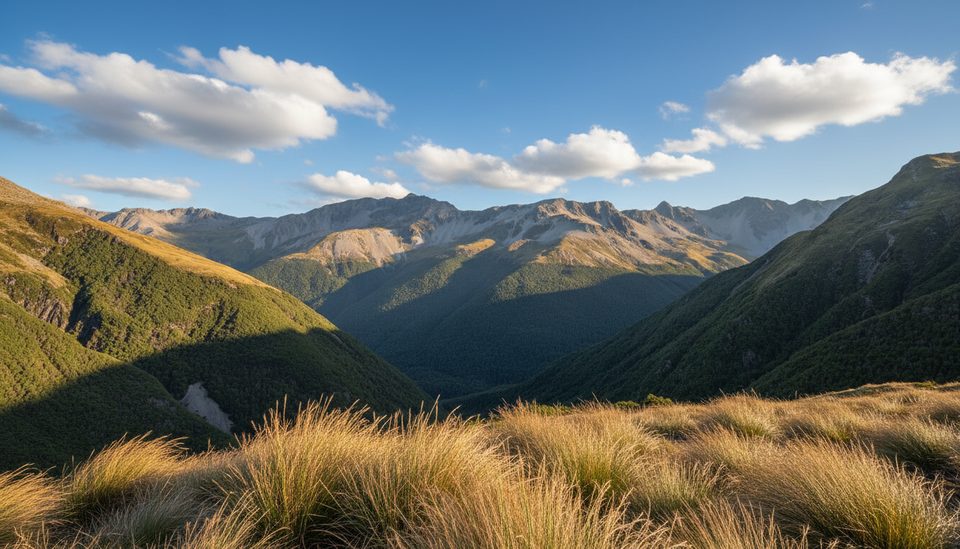
Set just above Rotomairewhenua/Blue Lake, Lake Constance (Rotopōhueroa) is a remote, high-alpine basin of tussock, boulderfields and steep scree. It’s a rewarding side trip for parties already pushing into the headwaters on the Travers–Sabine corridor, with big mountain walls and a true backcountry feel.
Most trampers reach it via the Travers–Sabine route: St Arnaud up the Travers Valley to the main huts, over/around Travers Saddle to West Sabine Hut, then West Sabine Hut to Blue Lake Hut, and a short, steeper climb to Lake Constance. A faster alternative is to take a water taxi to Sabine Hut and walk to West Sabine Hut (about 5 hr) and on to Blue Lake Hut (about 3.5 hr) before the final push to the lake.
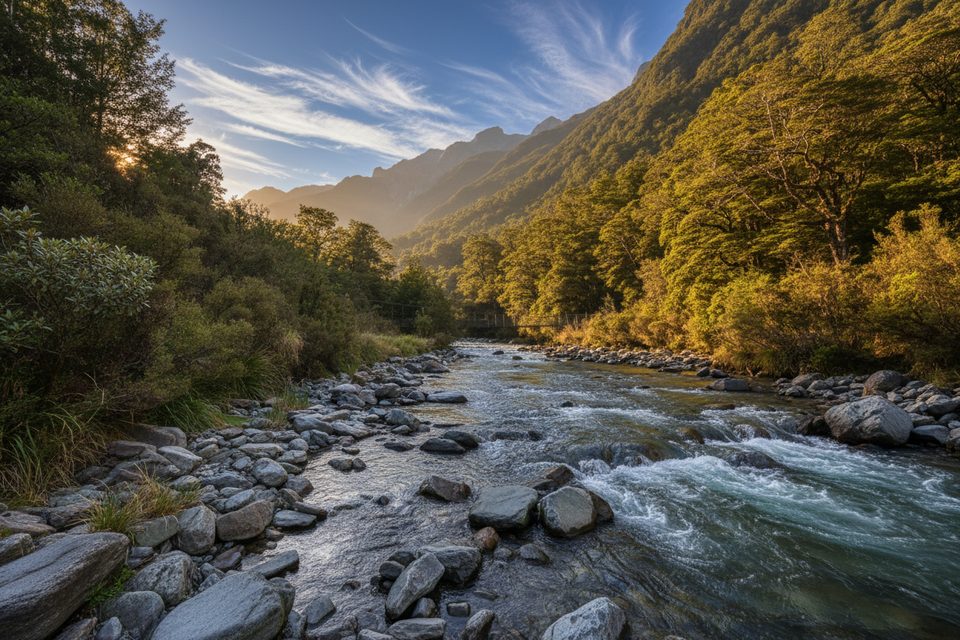
Expect beech forest and river flats in the valleys, opening to tussock basins, boulderfields and very steep scree near and above the lake. The sidle around Lake Constance includes a steep scree traverse that can feel exposed—move carefully and take your time. Parties sometimes wait out poor weather at Blue Lake Hut before continuing.
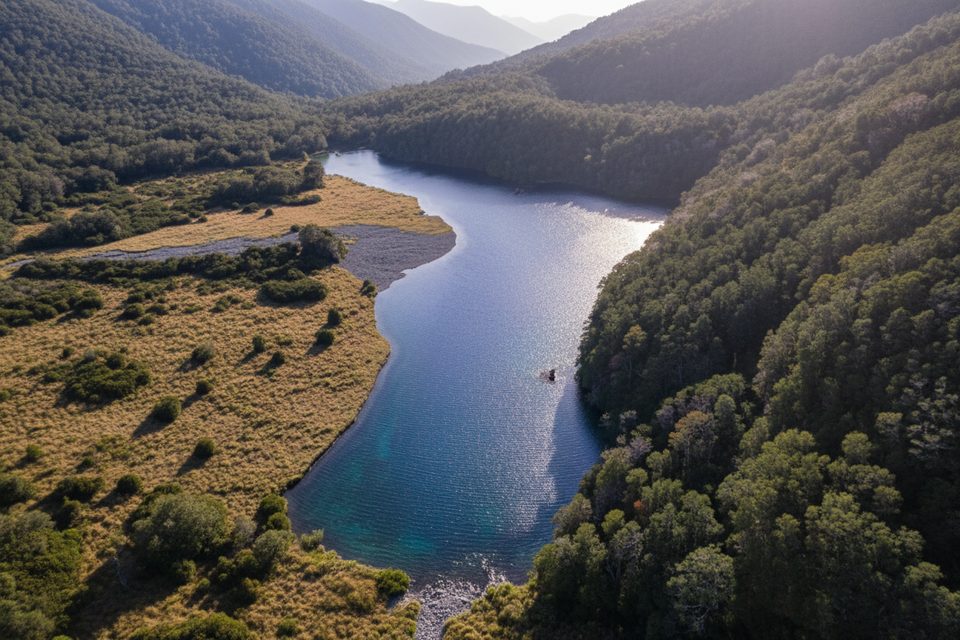
Blue Lake below is tapu/sacred. Do not swim, wash, draw water, or put gear into Blue Lake or Lake Constance. Fill bottles in the Sabine River below Blue Lake’s outlet, or use the hut’s rain-tank tap.
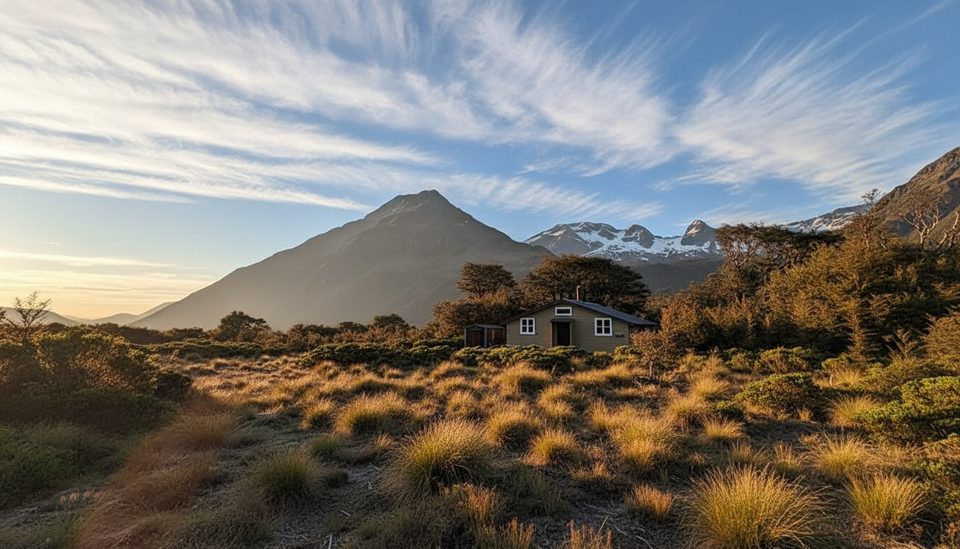
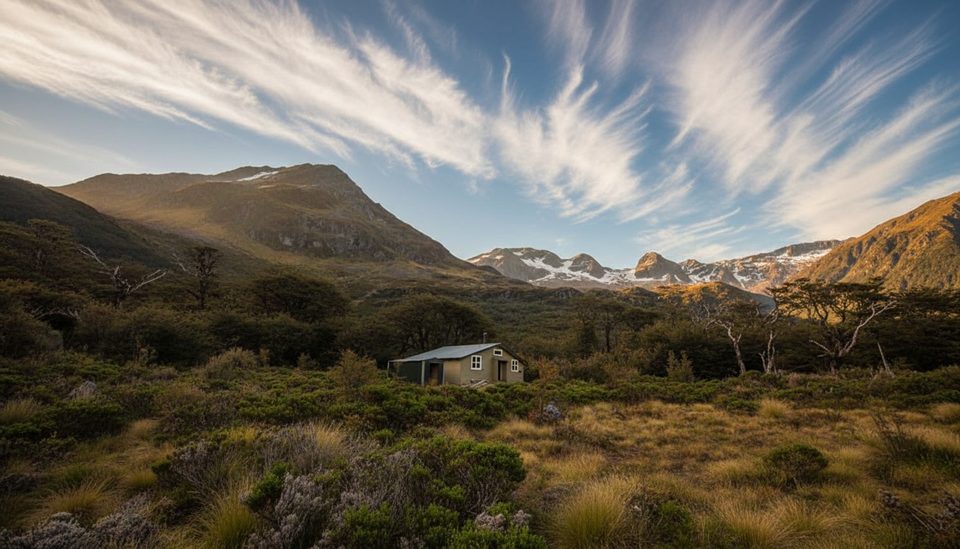
There are no toilets or services at Lake Constance itself. The nearest facilities are at Blue Lake Hut (serviced hut, 16 bunks) with long-drop toilets and a rain-tank tap; bookings are required year-round. DOC added extra tank capacity to reduce summer shortages, but you should still plan conservatively in dry spells. Peak season can pack the huts “to the brim”—carry a mat or be ready to tent nearby. Use the lindavia (lake snow) cleaning stations at Coldwater, Lakehead or Sabine Huts before heading up-valley. Volunteer hut wardens are often present in peak months to help keep facilities tidy.
Beech forest dominates the valleys, with mossy floors, lichens and occasional wildflowers in the open basins. You may hear bellbirds in the morning and see friendly robins around camps. Higher up, the landscape shifts to sparse alpine vegetation, scree and big, craggy rock.
Summer offers longer daylight but can still bring cold, wind, and even snow at altitude. Build a weather buffer day into your plan and start early for the steeper scree sections. Huts are busiest in peak season—book early and carry backup shelter.
Place · 1 mi away
Place · 1.1 mi away
Place · 1.1 mi away
Place · 1.6 mi away
Challenging · 4.7 mi away
Moderate · 4.7 mi away
Challenging · 5.9 mi away
Challenging · 8.8 mi away

Parkwolf Tour Guide
