
Place · 0.8 mi away
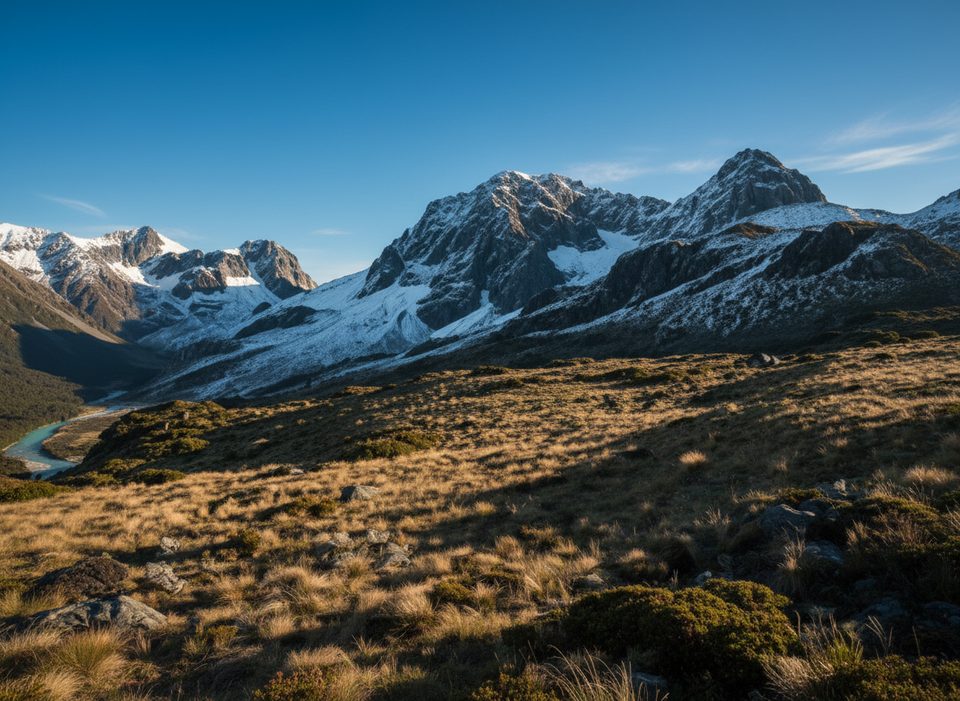
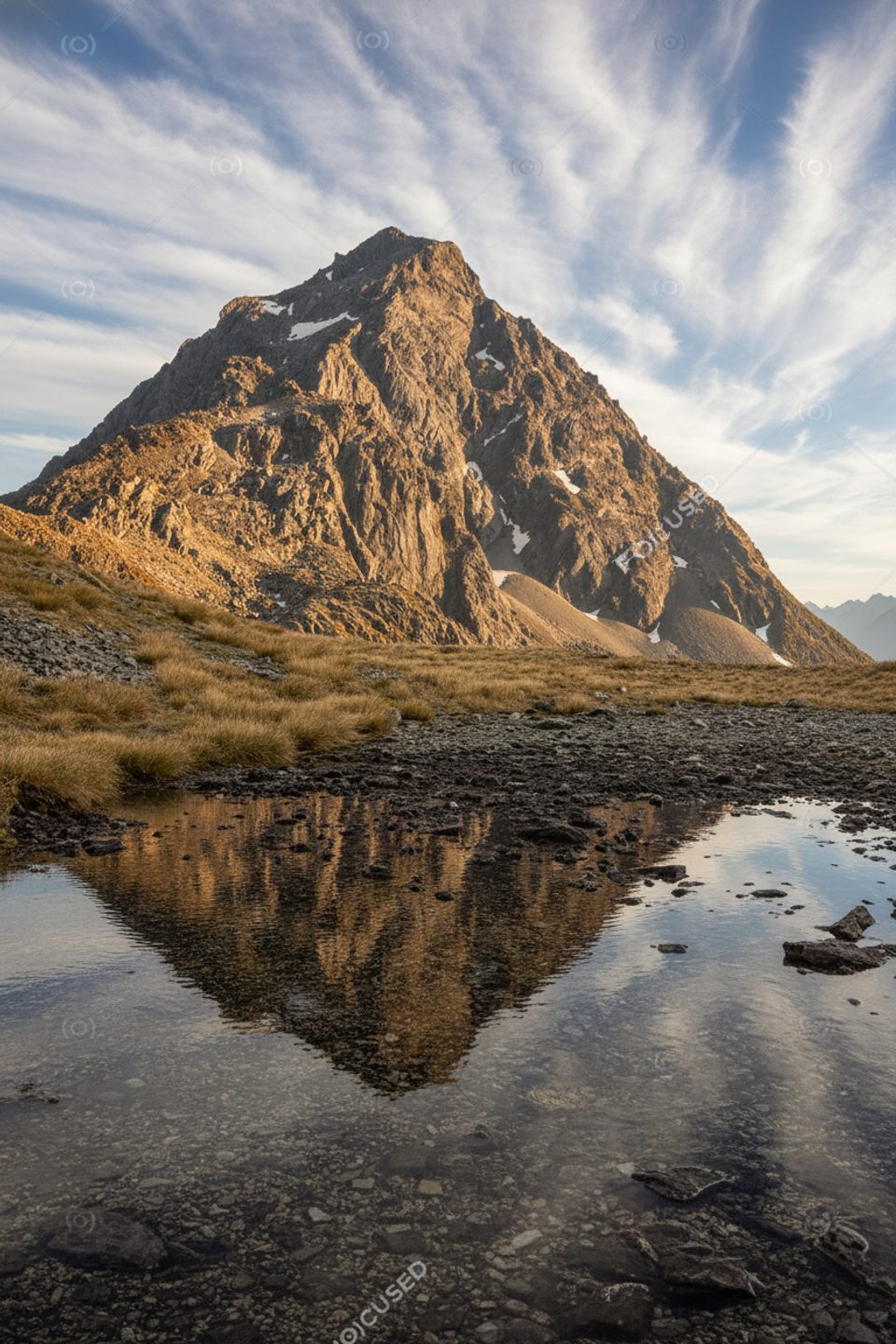
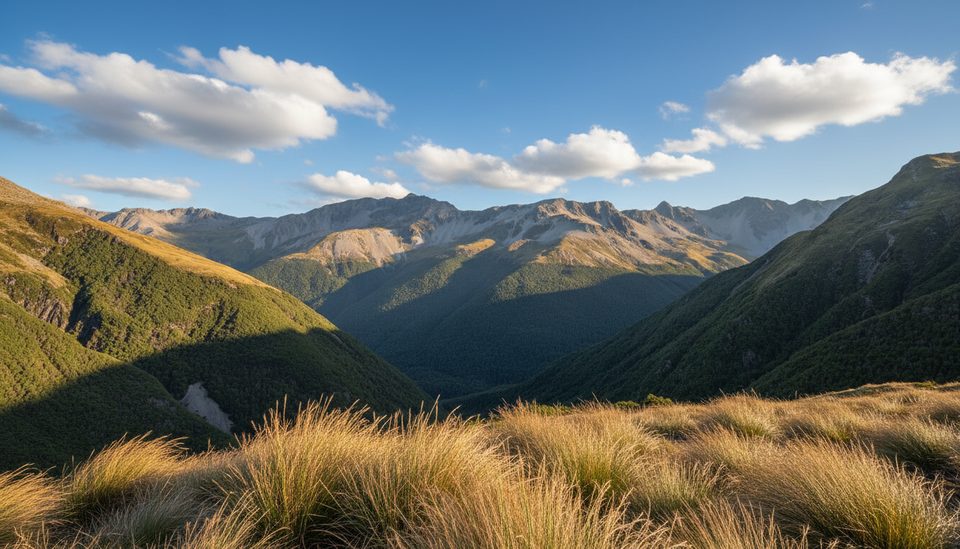
Mount Cupola rises above the Travers Valley and Cupola Basin, delivering big, tranquil alpine views toward Mt Hopeless and the high Nelson Lakes ranges. It’s a rewarding objective if you like your peaks a little off the main tourist circuits, with the tidy Cupola Hut perfectly placed for an early summit start.
Most parties begin from Kerr Bay at Lake Rotoiti. To shorten the valley approach, many book a water taxi to the Lakehead or Coldwater jetties; double‑check which jetty—there are two in Kerr Bay. A common 2–3 day plan is: Day 1 to John Tait Hut via the lake head, then a steep 2‑hour climb to Cupola Hut to overnight; Day 2 attempt the summit from the hut and return; Day 3 walk out the Travers Valley (a water taxi pickup from Lakehead can save time on the lake‑edge track).
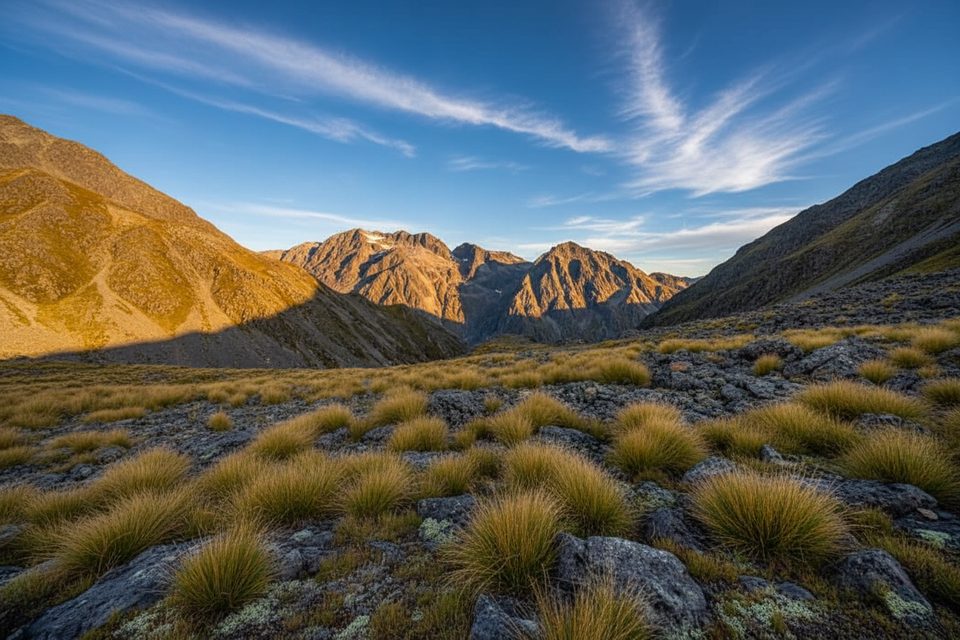
From Cupola Hut the route heads through tussock, then alternating scree and (seasonal) snow. In spring, crampons were needed within minutes of leaving the hut, with one successful ascent via the North Gully; softening snow later in the day led to tedious post‑holing on descent. In early summer, lingering snow above ~2000 m caused parties without alpine gear to turn back. An early start from the hut is the norm.
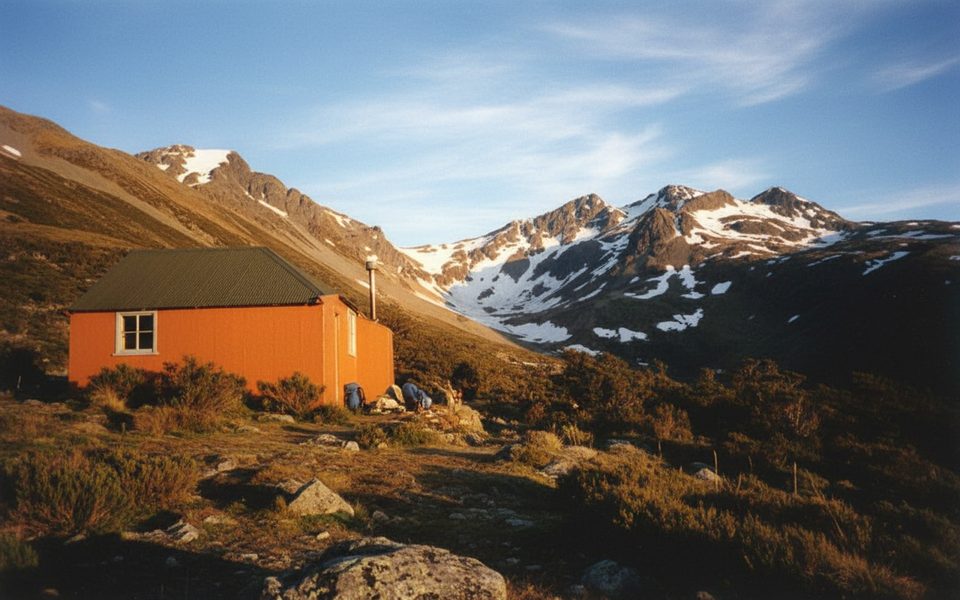
Perched around 1390 m, Cupola Hut is small, cozy, and recently renovated with upgrades like a new roof, linings, water tank, and wood burner. The famed old A‑frame loo with a view has been replaced by a more practical unit. Expect a standard backcountry setup: rain‑tank water and a long‑drop toilet. The steep track up from John Tait Hut keeps casual foot traffic down, which helps the hut feel serene.
Snow can persist into early summer. Avalanche signage is common where the route reaches or exceeds the bushline and on steeper slopes; check the avalanche advisory and mountain forecast before committing. Warm days bring rapid snow softening and hidden holes, so timing your climb for firm morning conditions is key.
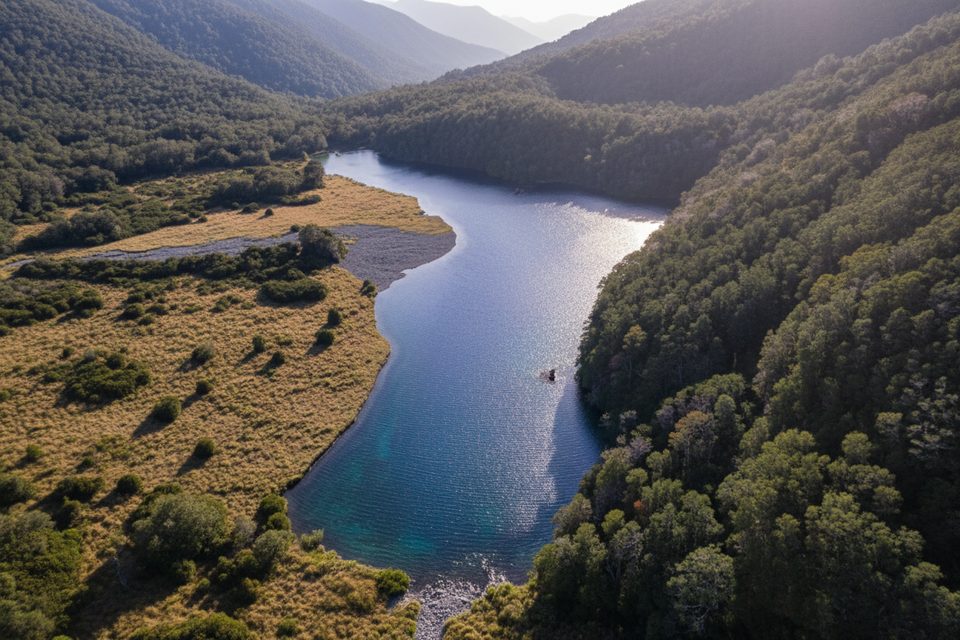
You’re moving from beech forest to high tussock and scree, with a good chance of hearing or seeing South Island robins, kererū, and sometimes kākā in valley sections. The beech honeydew ecosystem is rich—but it also attracts invasive wasps in season. To protect these waters, use cleaning stations and dry any gear that’s been in lakes or rivers to help stop the spread of lake snow (lindavia); some alpine lakes in the area are strictly look‑don’t‑touch.
Most parties target the late‑season window when snow cover is usually reduced, but conditions vary year to year. Spring ascents demand proper alpine equipment and an early pre‑dawn start for firmer snow. Regardless of season, start early from Cupola Hut—the morning freeze makes the upper slopes faster and safer, and you’ll avoid the worst of the afternoon post‑holing.
Place · 0.8 mi away
Place · 1.3 mi away
Place · 1.9 mi away
Place · 2.3 mi away
Challenging · 1.9 mi away
Challenging · 2.7 mi away
Challenging · 3 mi away
Moderate · 3 mi away

Parkwolf Tour Guide
