Place · 1.1 mi away

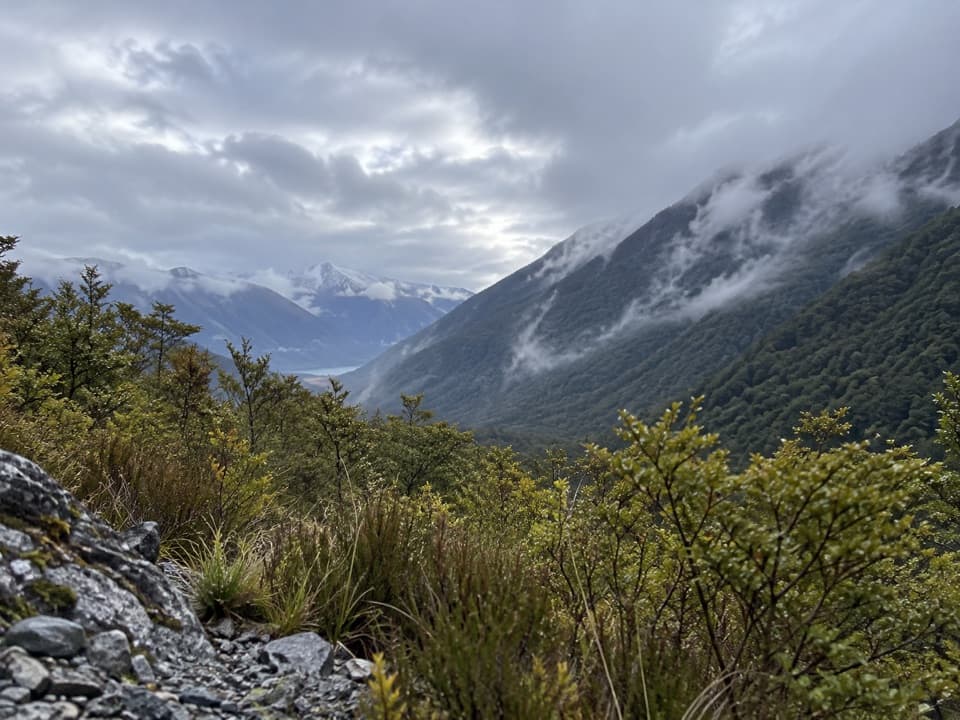
Travers Falls is a brief but rewarding detour in the upper Travers Valley—a 20‑metre cascade plunging into a deep bowl. It’s the kind of side stop that breaks up the valley climb with cool spray and a proper sense of wilderness.
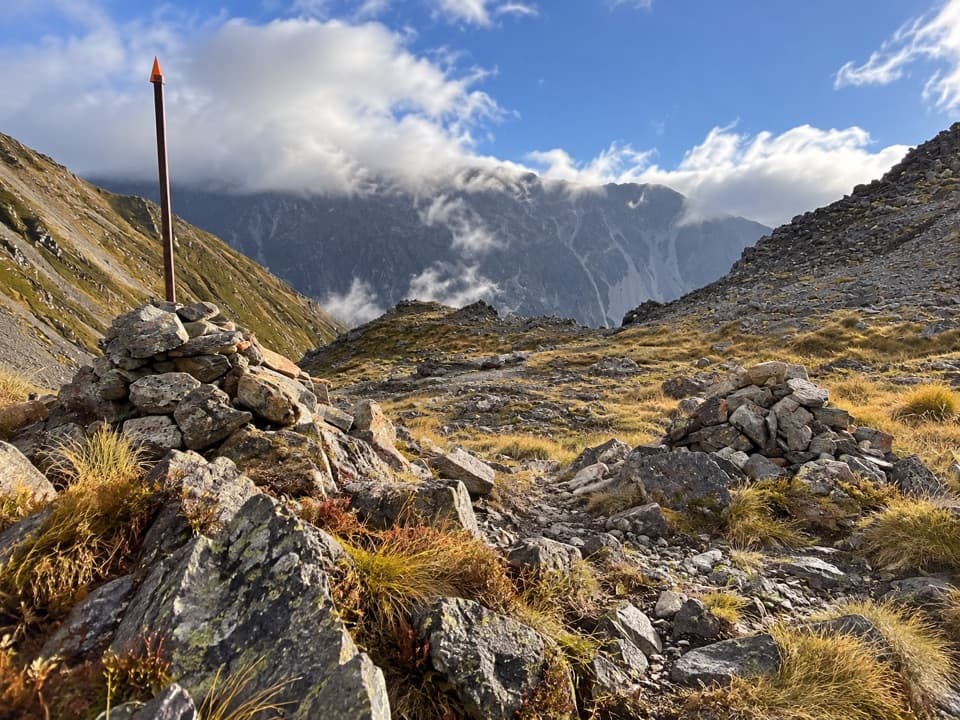
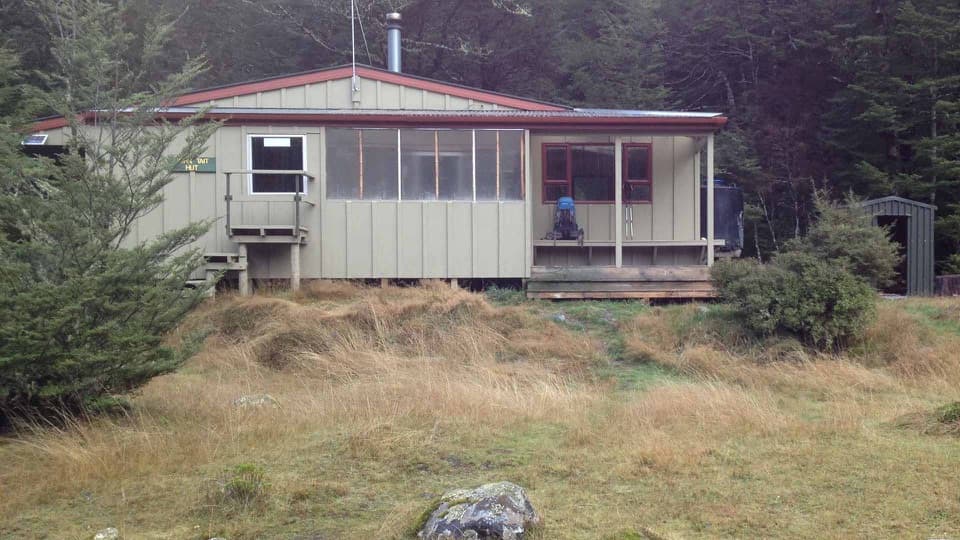
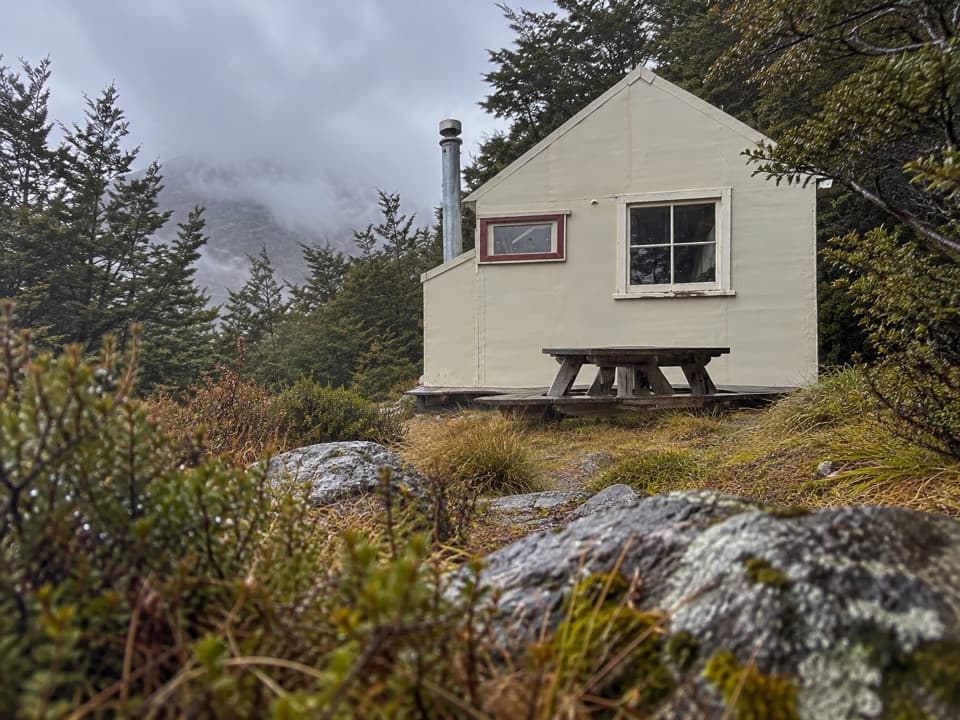
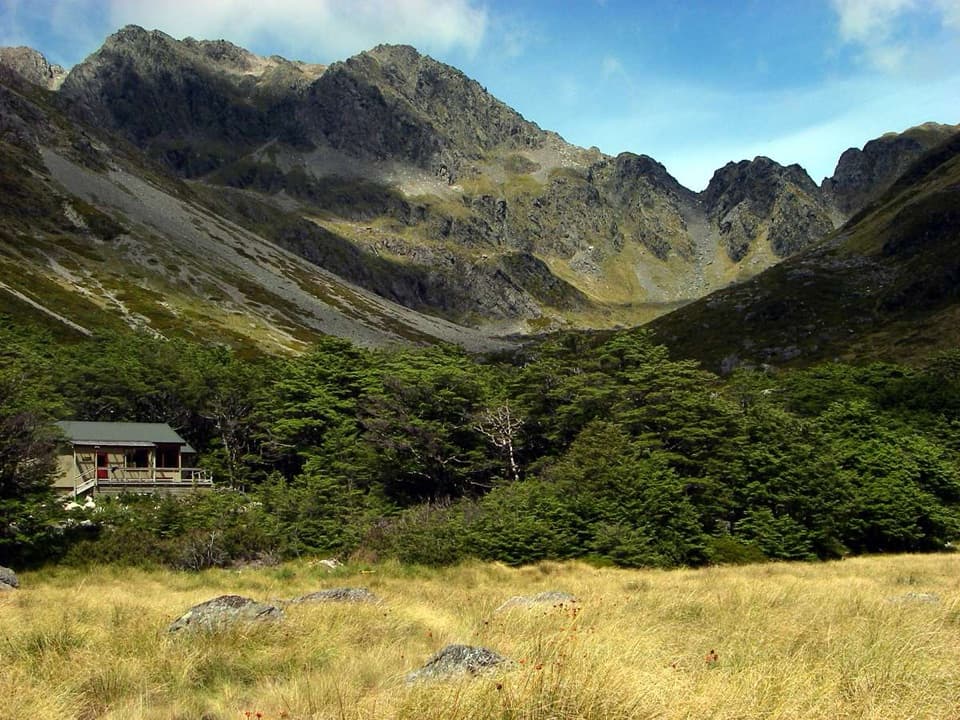
The falls sit on a signed side track between John Tait Hut and Upper Travers Hut on the Travers–Sabine Circuit. From St Arnaud, most trampers stage their days as: St Arnaud → Lakehead Hut (about 3 hr), Lakehead/Coldwater → John Tait Hut (about 4 hr 30 min), then John Tait → Upper Travers Hut (about 3 hr)—the falls are on this last section. A marker points you off the main track shortly after the trail climbs steeply from the Cupola Creek chasm. This is not a casual roadside walk; plan for a multi‑day trip.
A bustling waterfall funnels into a deep pool, hemmed in by rugged rock. The side path is short, so you can drop packs for a quick out‑and‑back and still make hut time. It’s a great morale booster on a long valley day.
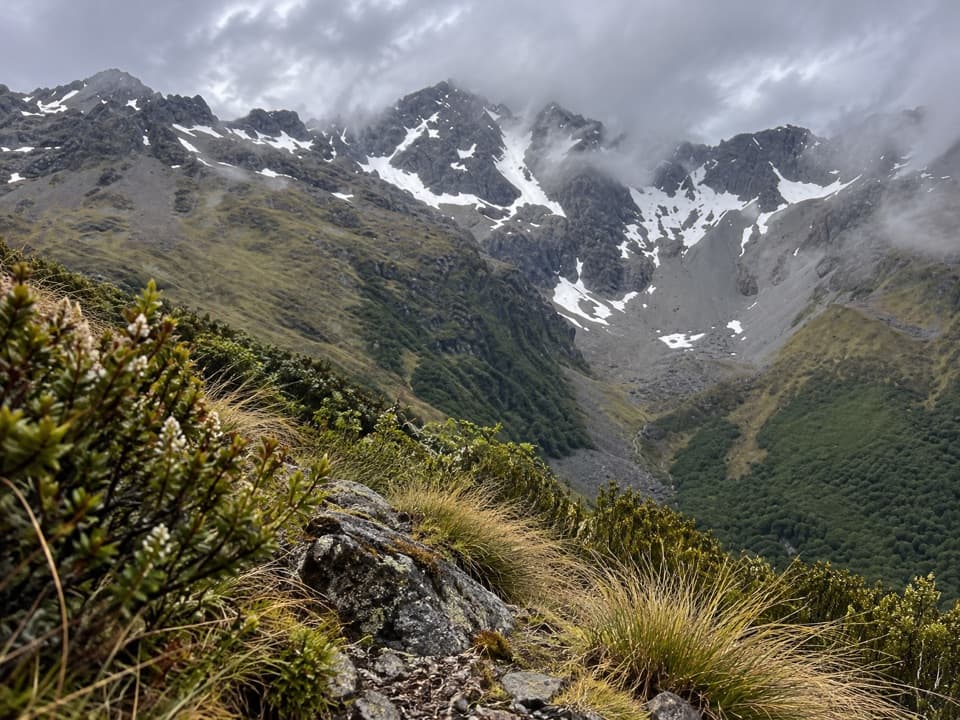
You’re in true backcountry. Weather shifts quickly, and nearby alpine terrain (including the Travers Saddle) can bring freezing conditions outside summer. Heavy rain can make streams tricky, and there are avalanche paths on the circuit outside the summer season. Expect sandflies in summer—especially lower in the valley—and wasps are common January–April. Water in the valleys is generally good but not guaranteed; treat or boil if unsure.
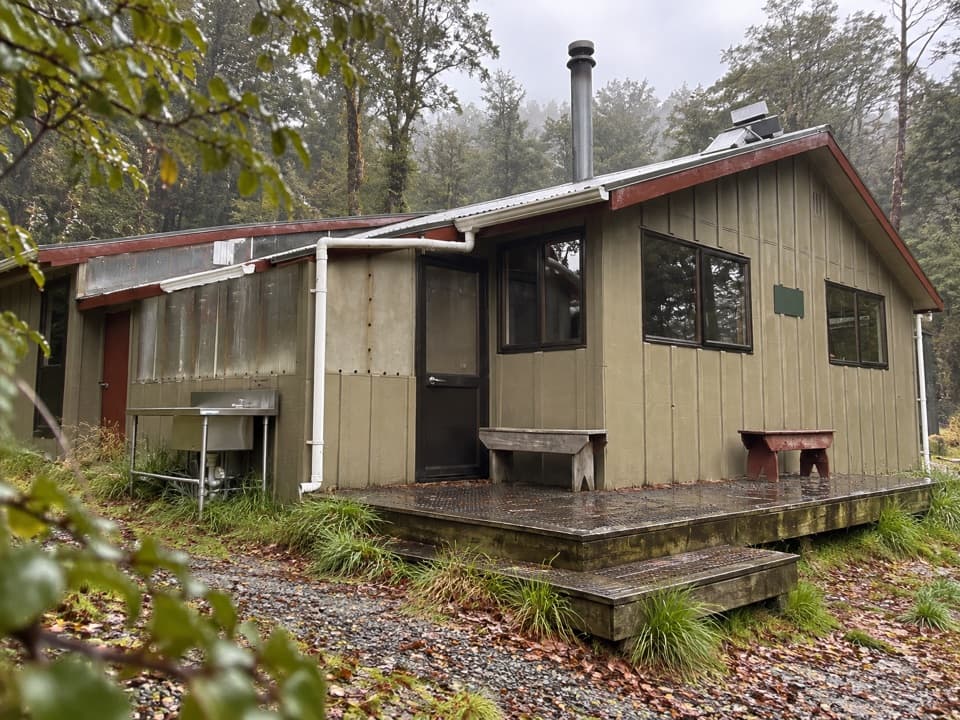
There are no facilities at the falls themselves. Toilets and shelter are at the adjacent huts (John Tait and Upper Travers). If you’re leaving a vehicle at St Arnaud trailheads, don’t leave valuables; use bag storage at the Rotoiti/Nelson Lakes Visitor Centre. Start from Kerr Bay or Mt Robert car parks for standard approaches into the valley.
Aim for the main tramping season: many walkers target December–April for settled conditions, though the circuit is generally considered best between October and May. Visit the falls in daylight hours as part of your hut‑to‑hut day; mid‑morning or late afternoon often gives softer light filtered by the forest, and crowds are rarely an issue this deep in the park.
Keep an eye out for curious wekas along the valley. They’re cheeky around camps and huts—secure your food and shiny items.