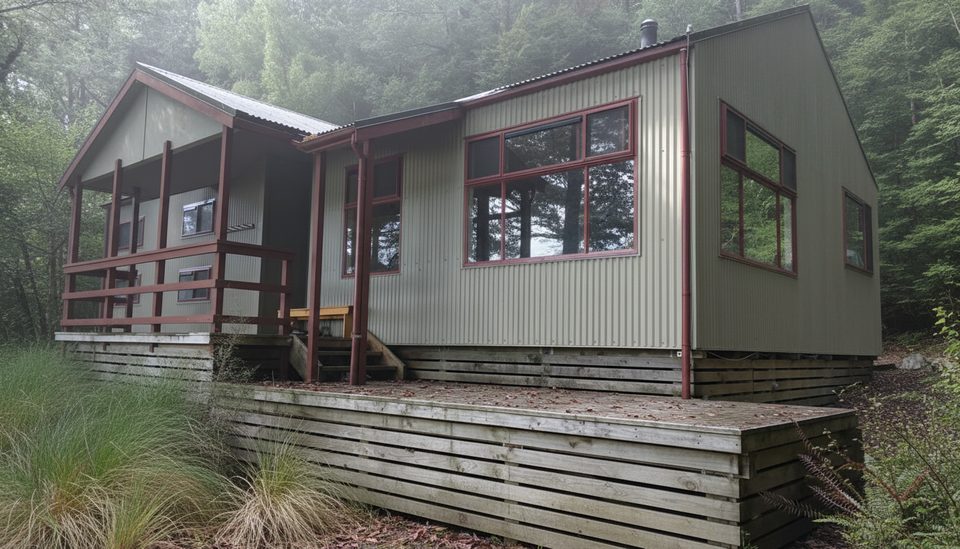
Sabine Hut Campsite

Lakeside campsite with hut toilets, water, and evening eels
Sabine Hut Campsite, Nelson Lakes National Park
InsideNelson Lakes National Park

Overview

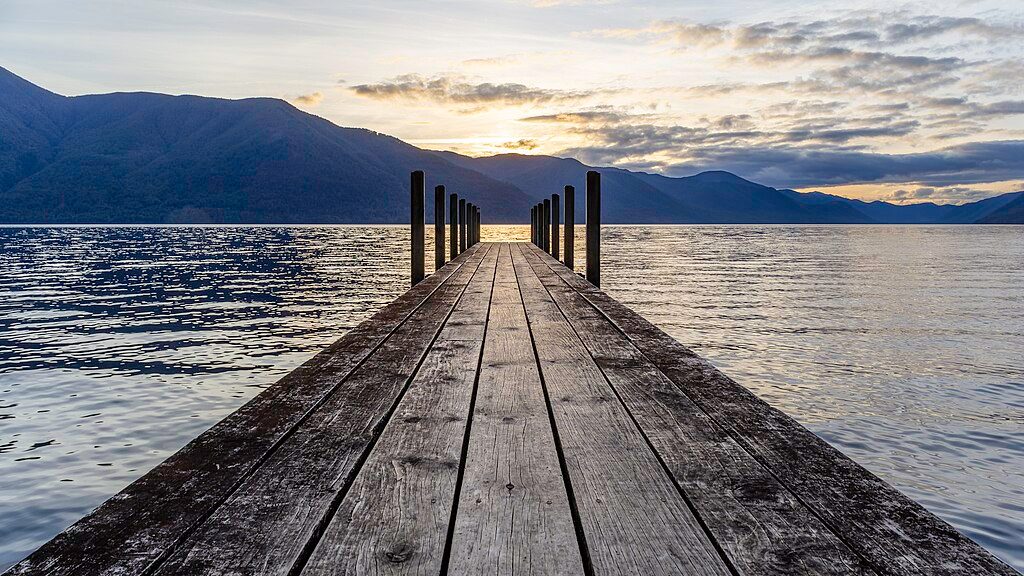
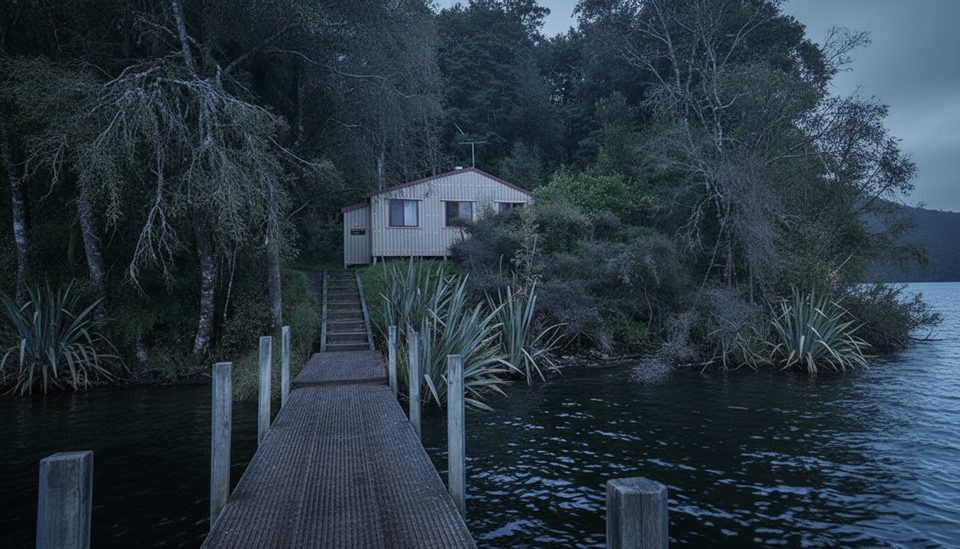
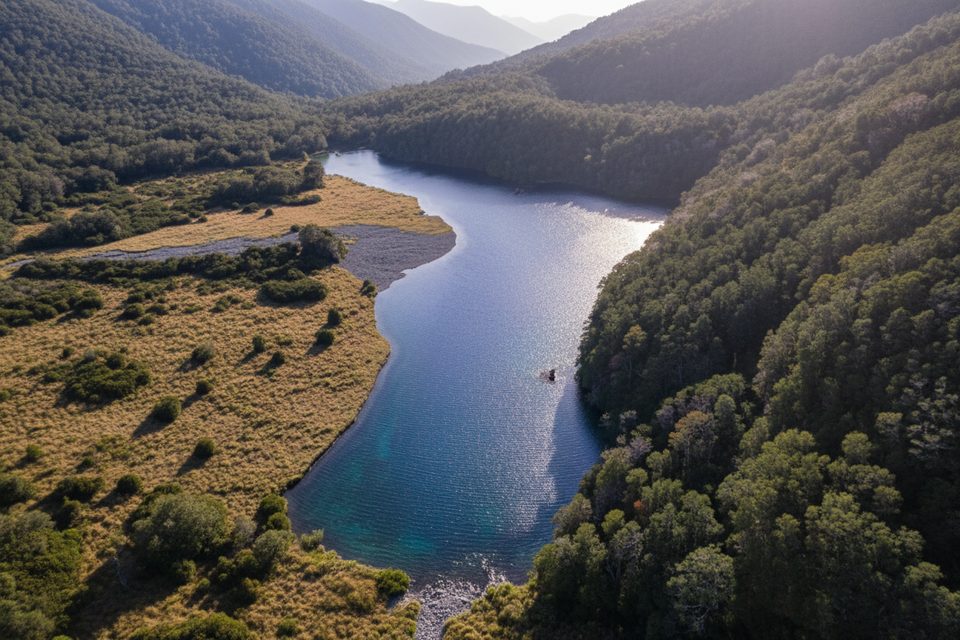
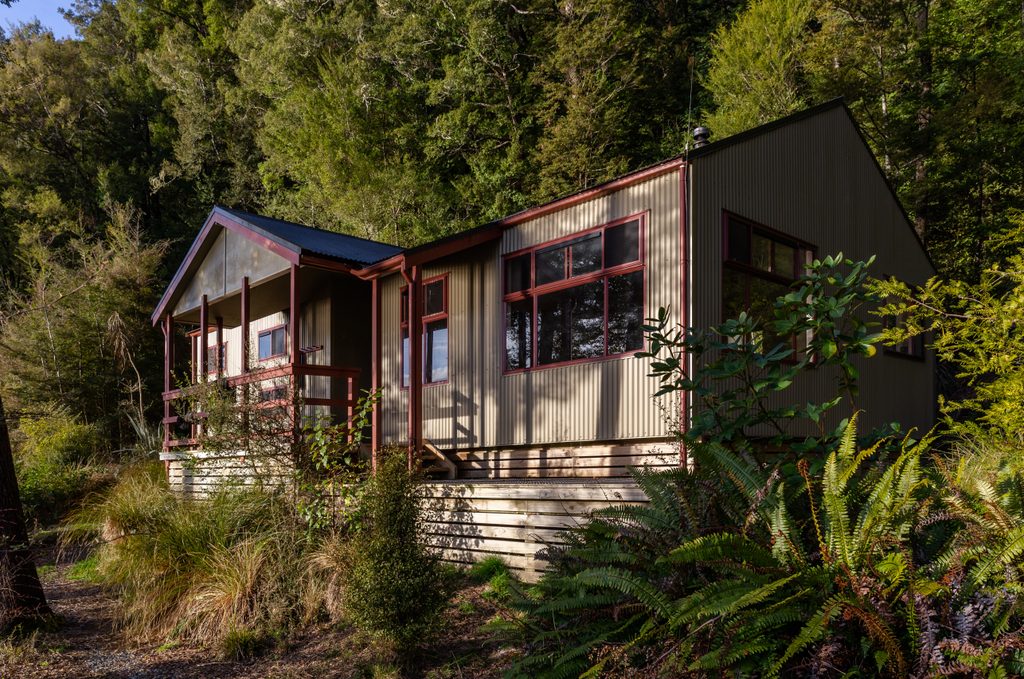
A low-key, lakeside spot beside Sabine Hut on the Travers–Sabine Circuit, this campsite works as a comfortable pause in beech forest country before you push on to bigger alpine days. Expect a quiet shoreline setting, a tidy hut next door, and the occasional nocturnal eel sighting right by the lake.

Facilities and how it works

  • Campers may use the hut’s two long-drop (pit) toilets and the hut water supply (rainwater tank with taps). Treat natural water as you normally would in the backcountry.
  • There’s a biosecurity cleaning station at the hut—use it to decontaminate any gear that’s been in lakes or rivers. Fees apply to stay; bookings aren’t required on this circuit’s huts/campsites—first-come, first-served is the norm.

Access and route notes

  • Reaching the campsite by boat is straightforward, and it’s also a natural stop for trampers linking routes toward Angelus via the Cedric route, West Sabine Hut, or Spreadgrass Hut.
  • Important: the Rotoroa Route along the east shore of Lake Rotoroa is permanently closed—don’t plan exits via that shoreline.
  • Between Sabine and D’Urville Huts a bridge has been removed; you must ford a stream that’s about knee-to-waist deep in normal flow. After rain it can be unsafe or impassable—be prepared to wait or turn back.

Nature & wildlife

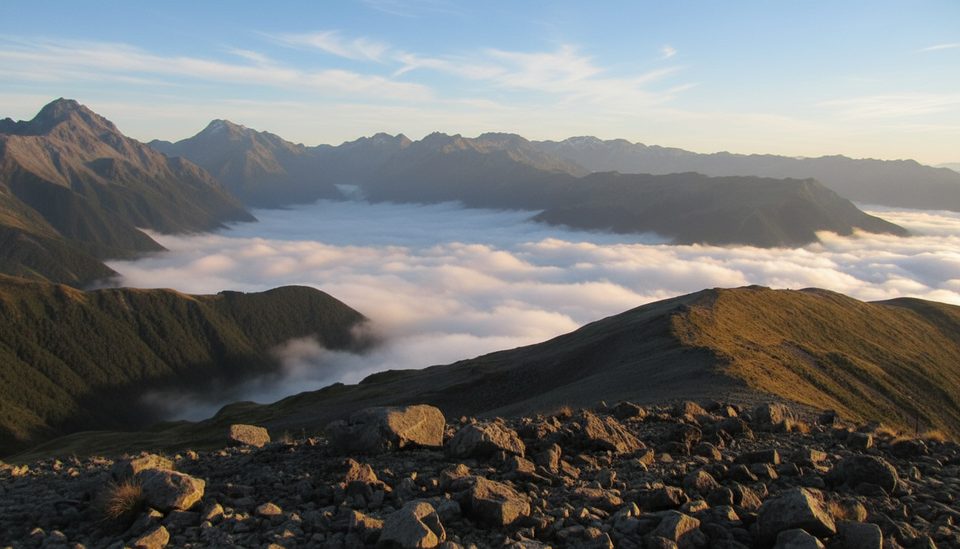
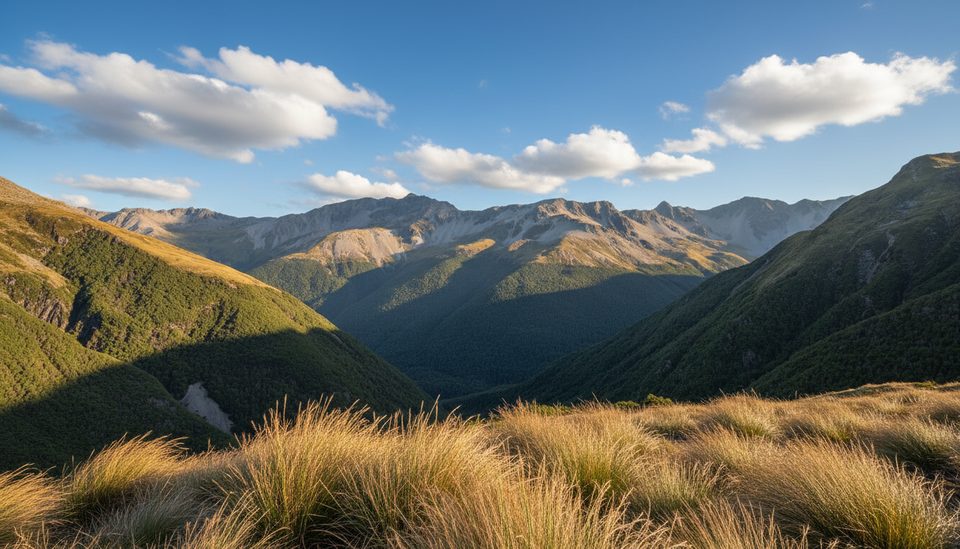
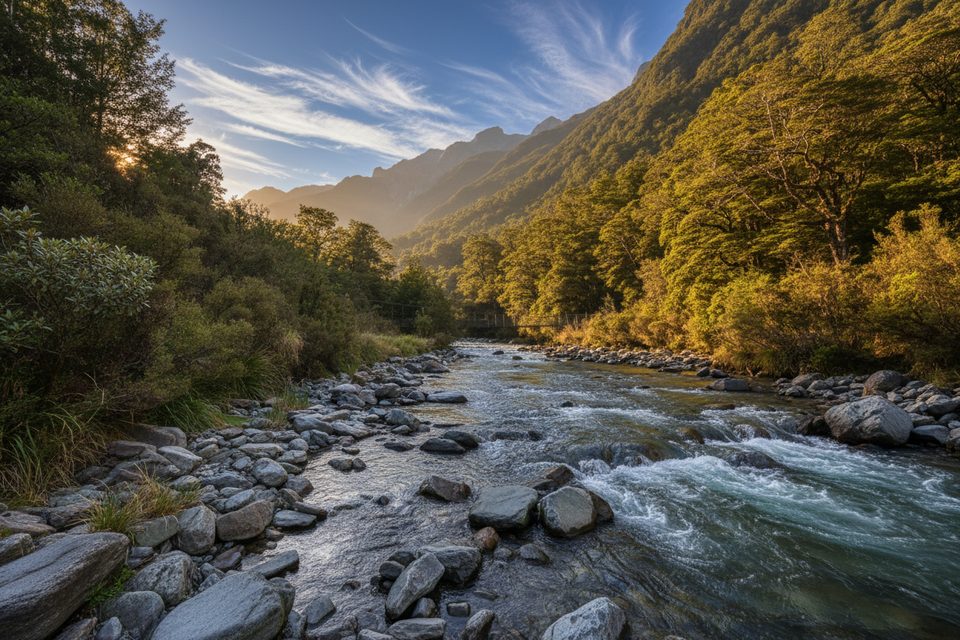
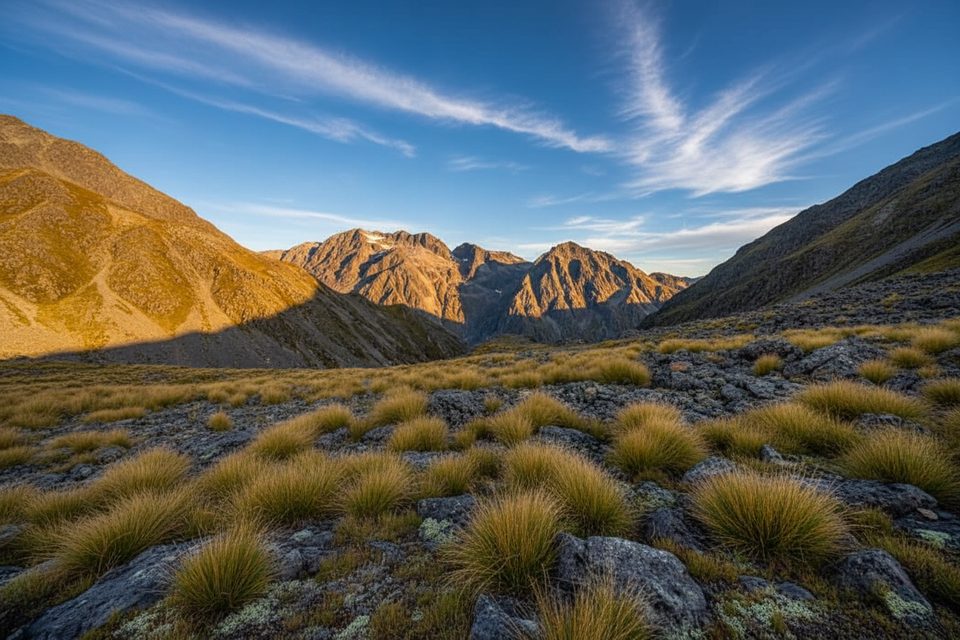
You’re in classic Nelson Lakes terrain—beech forest, clear rivers, and mountain walls framing the lake. Keep an eye out for longfin eels near the shore after dark. Quiet, patient walkers on nearby rivers sometimes spot rare blue ducks. Waterfalls punctuate sections of the wider circuit.

Protect the alpine lakes

Lindavia (lake snow) is present in Lakes Rotoiti and Rotoroa. Dry all gear for 48 hours before entering any alpine lake or tarn, and use the cleaning station here for boots, clothing, towels, and bottles. If you continue to Rotomairewhenua/Blue Lake or Rotopōhueroa/Lake Constance, do not touch the water—these sites are strictly protected.

Best time to visit

Aim for settled weather—rivers drop fastest after clear, cool nights. Mornings and evenings are the calmest and least busy at the lakeshore. After heavy rain, reconsider plans that rely on the D’Urville ford.

Bottom line

Underrated as a campsite, this is a mellow lakeside base with real backcountry feel and just enough hut infrastructure next door to make life easy.

Pros

  • Campers can use the hut’s long-drop toilets and water supply
  • On-site biosecurity cleaning station for gear
  • Boat access makes it an easy lakeside overnight

Cons

  • Sandflies are persistent
  • Some onward routes involve a risky stream ford after rain

Tips

  • Bring strong insect repellent—sandflies are relentless at the shore.
  • Use the biosecurity station at the hut and dry gear 48 hours before entering alpine lakes.
  • No bookings—carry the required fees and arrive early on busy weather windows.
  • If heading toward D’Urville Hut, be ready to wait out unsafe stream levels.
  • The east-shore Rotoroa Route is permanently closed; plan alternative exits.
The Parkwolf tour guide sitting on a phone mounted in a car

Parkwolf Tour Guide

Like a tour guide in your car.

Save the places you found around Nelson Lakes, then let Parkwolf guide the drive between them.Download Parkwolf on the App Store