D’Urville Hut

Cozy lakeside hut with boat access and a tricky ford after rain
D’Urville Hut, Nelson Lakes National Park
InsideNelson Lakes National Park

Overview

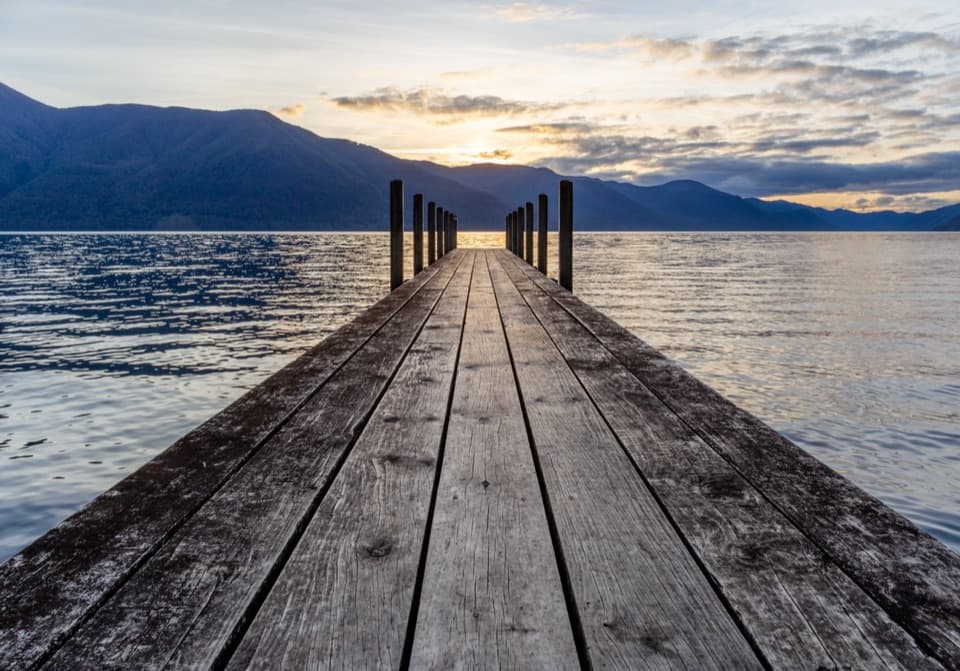
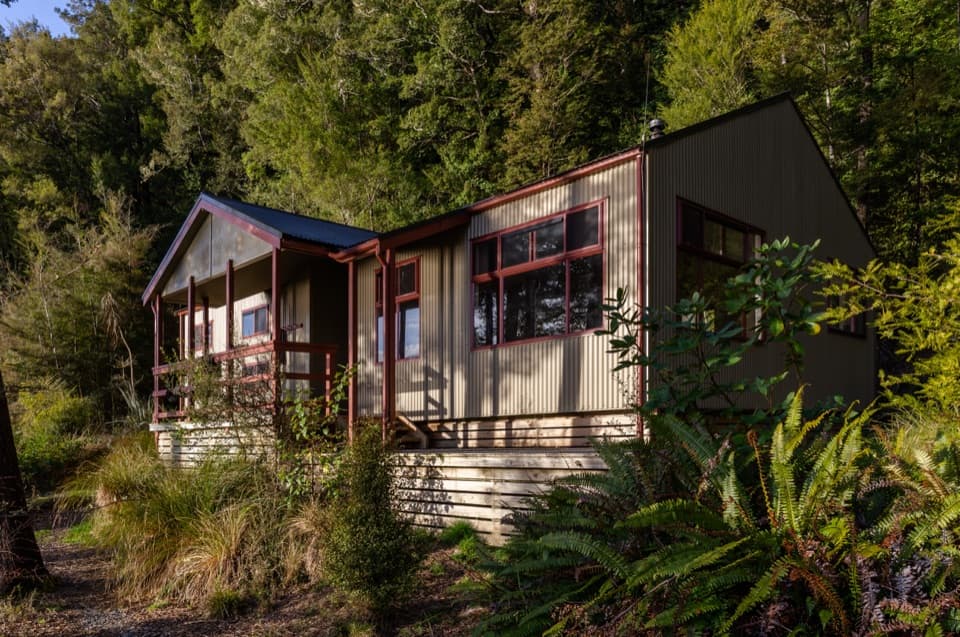
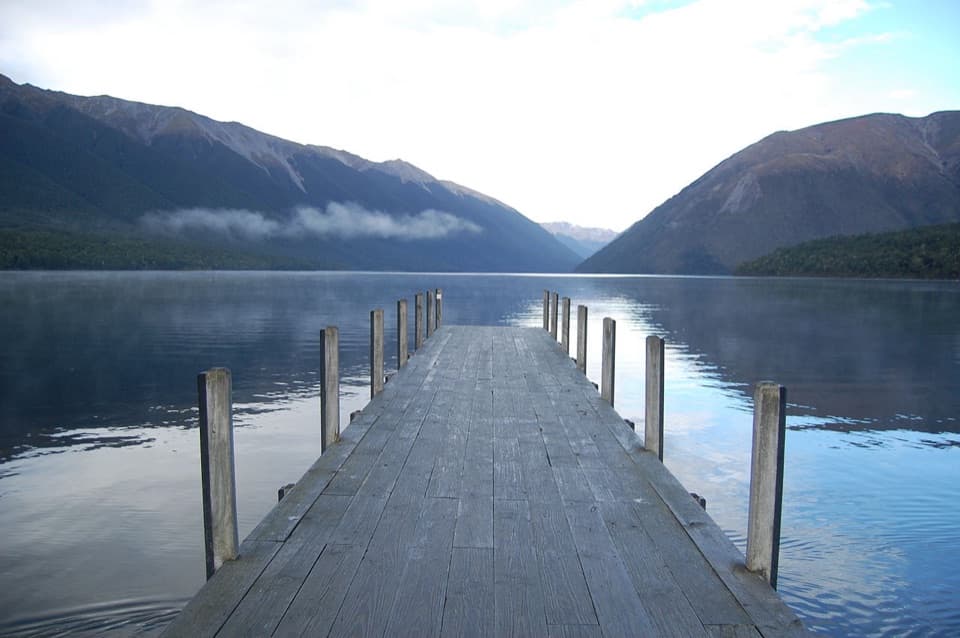
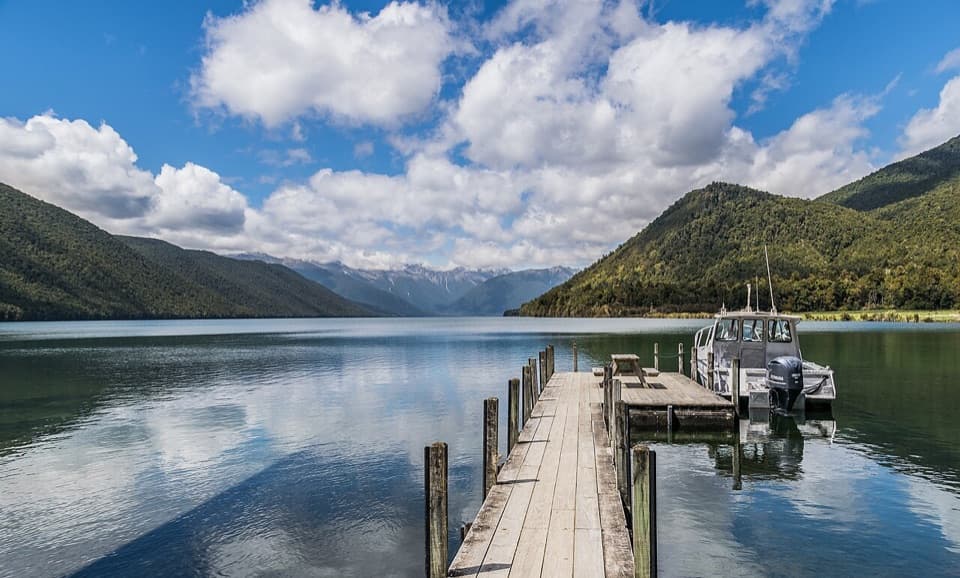
D'Urville Hut is a 10‑bunk Standard Hut built in 1964, set right on the shore of Lake Rotoroa. It’s a simple, comfortable base with mattresses, a closed fire/wood stove for heating, toilets, and a roof‑fed rainwater tank. The setting is a standout—there’s a jetty for direct boat access, insect screens on the windows, and big lake views. It’s also a popular base for fishing and hunting.

Facilities & What to Bring

Inside you’ll find bunks with mattresses and a wood stove/closed fire. There’s no gas or electricity supplied, so bring your own cooker, fuel, and lighting. The water comes from a roof‑fed tank; treat or boil it, and don’t rely on it during very dry periods.

Getting There & Safety

Between Sabine Hut and D’Urville Hut, a bridge has been removed. Expect a stream crossing about 1 m deep at normal flows, which can become unsafe after rain. Be prepared to wait, turn back, or change plans if levels are up. Many visitors arrive by boat via Lake Rotoroa; otherwise, it’s a long walk in.

Conservation & Biosecurity

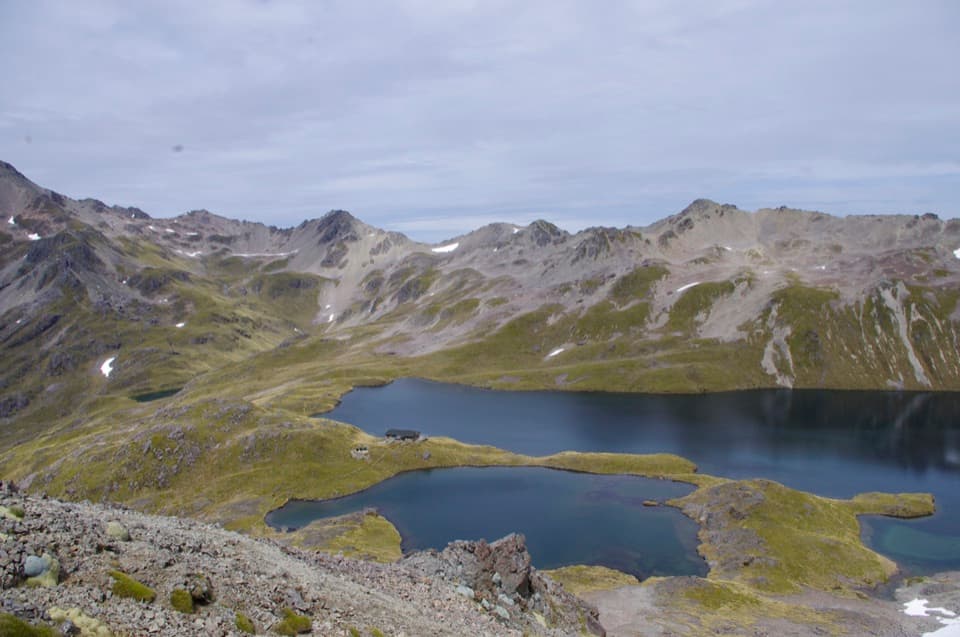
Lindavia (“lake snow”) is present in Lakes Rotoiti and Rotoroa. Dry all gear completely for 48 hours before entering alpine lakes or tarns (including Rotomaninitua/Lake Angelus). Use the DOC cleaning stations at Coldwater Hut, Lakehead Hut, and Sabine Hut for any gear that’s been in lake or river water. Don’t touch the water in Rotomairewhenua/Blue Lake or Rotopōhueroa/Lake Constance, and take extra care if you’ve recently been in Rotoiti or Rotoroa.

Who Will Like It

Self‑sufficient trampers who want a quiet backcountry base with lake views will be happy here. It’s also handy for anglers and hunters who use the hut as a staging point.

Best Time to Visit

Aim for stable weather if you plan to link via the Sabine–D’Urville route; the ford is much friendlier in settled conditions. Standard huts are typically first‑come, first‑served, so arriving earlier in the day improves your bunk odds. If using boat access, plan pickups/arrivals with enough daylight to get sorted comfortably.

Pros

  • Lakeside setting with jetty and boat access
  • Cozy standard hut with heating, mattresses, toilets, and rainwater tank

Cons

  • Access involves a removed-bridge ford that can be unsafe after rain
  • Remote—boat access or a long walk in

Tips

  • Bring your own cooker, fuel, and lighting—there’s no gas or electricity.
  • Treat or boil the roof‑tank water, and don’t rely on it in very dry spells.
  • If walking via Sabine Hut, be ready to turn back or wait after rain due to the ford.
  • Use the cleaning stations at Coldwater, Lakehead, or Sabine Huts if your gear’s been in water.
  • Arrange boat transport on Lake Rotoroa if you want to skip the long walk in.
The Parkwolf tour guide sitting on a phone mounted in a car

Parkwolf Tour Guide

Like a tour guide in your car.

Save the places you found around Nelson Lakes, then let Parkwolf guide the drive between them.Download Parkwolf on the App Store