Sabine Hut

Lakeside serviced hut with heat, views, and boat access
Sabine Hut, Nelson Lakes National Park
InsideNelson Lakes National Park

Overview

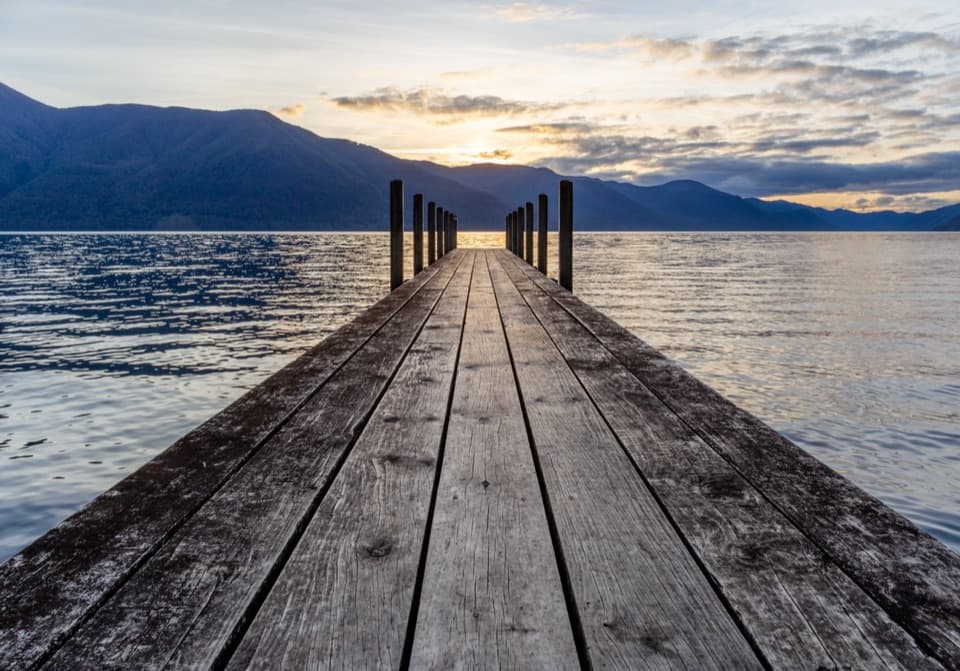
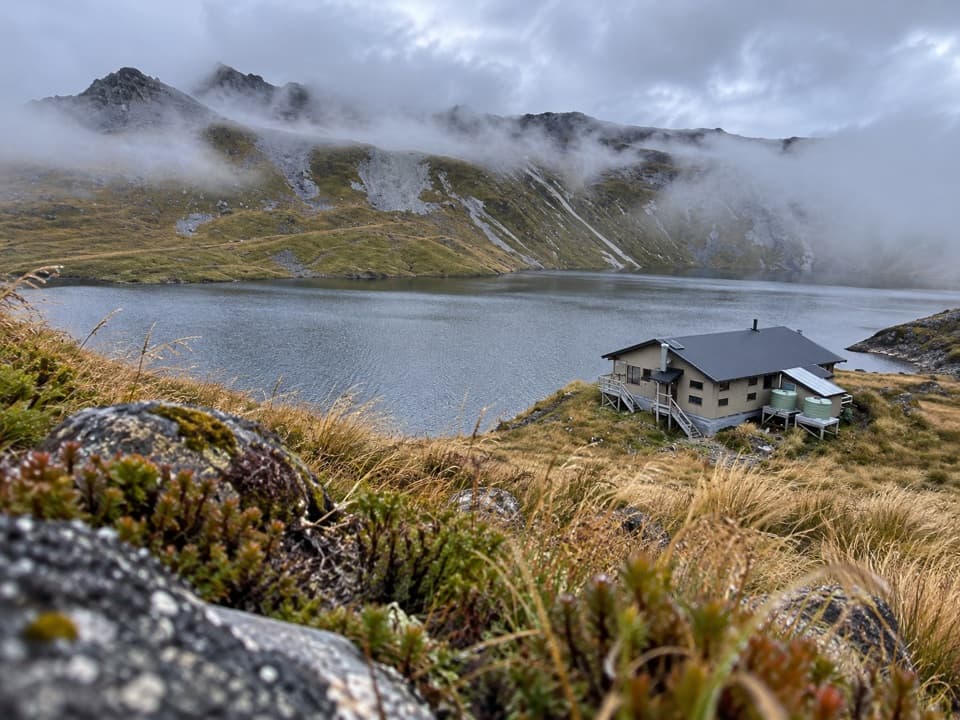
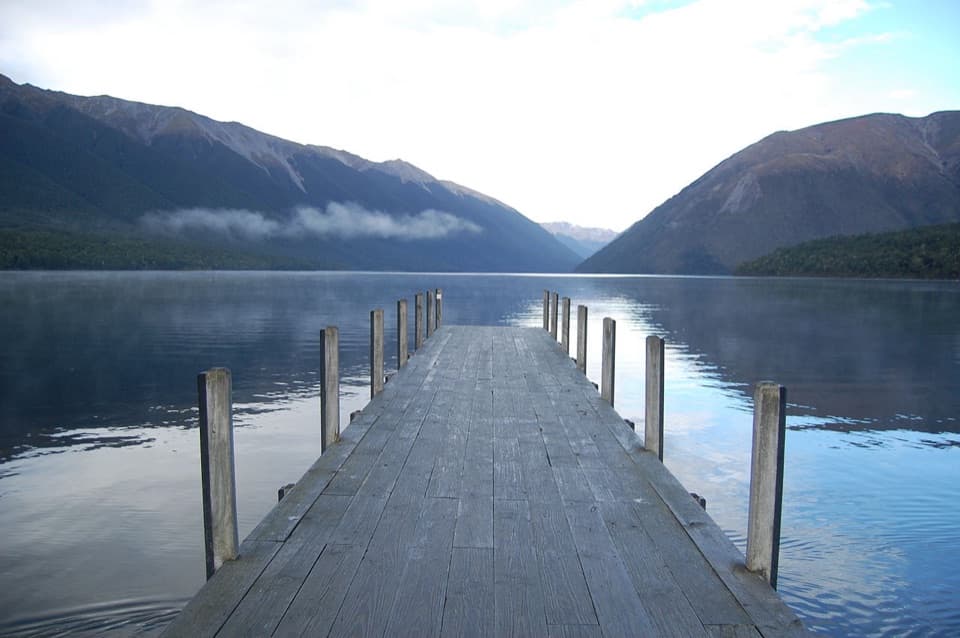
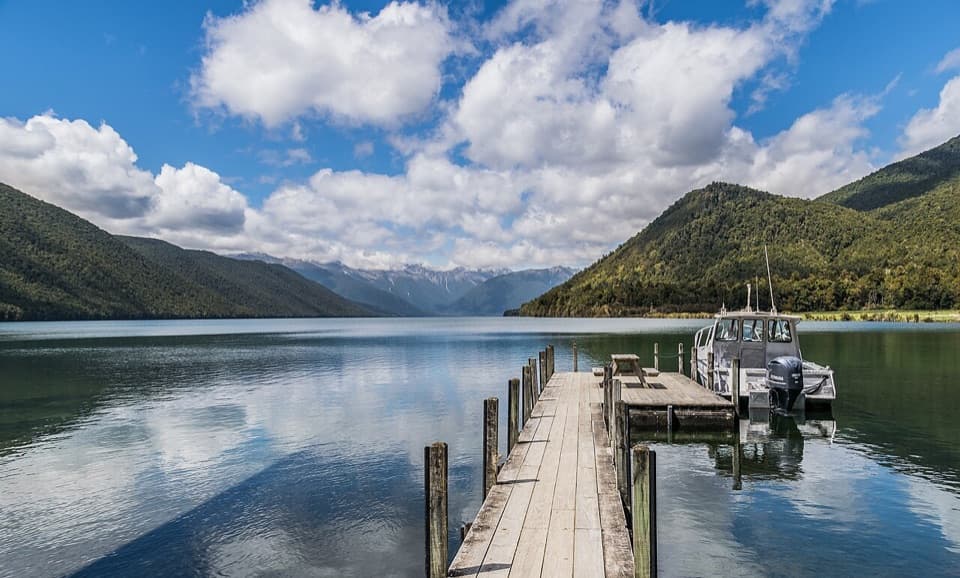
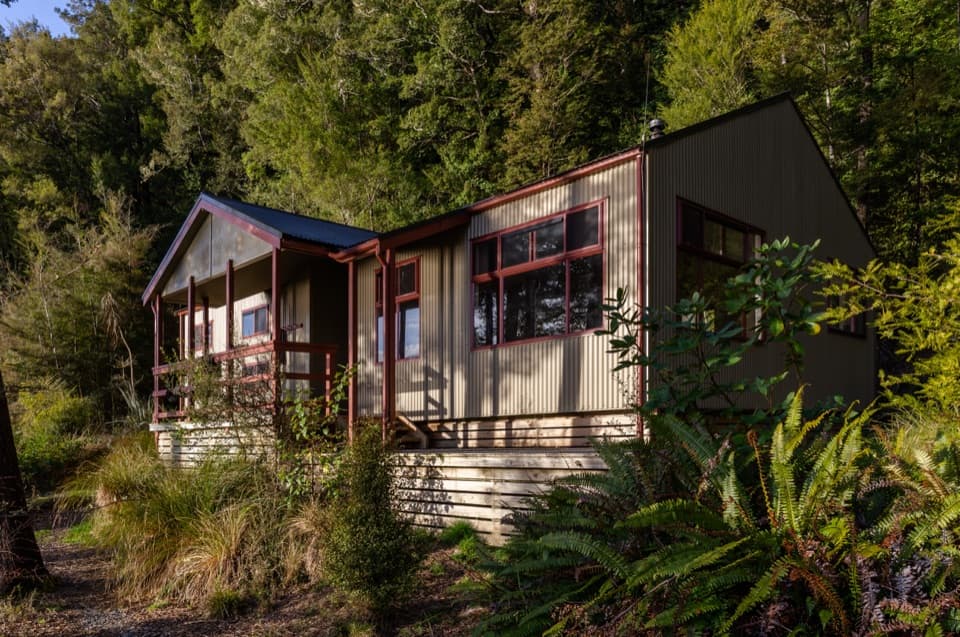
A classic serviced backcountry hut right on the lakeshore, Sabine Hut is a comfortable overnight on the Travers–Sabine circuit and a natural pause point between alpine pushes. Built in 2002, it sits in a gorgeous, calm bay that feels miles from the road yet is still reachable by boat if you’re not tramping. Expect a social, friendly vibe and big lake-and-bush atmosphere.

Facilities & layout

The hut has 32 bunks, mattresses, heating via a closed fire/wood stove, and a bore water supply. There are two dorm rooms, running water inside, and two toilets outside. Bring your own cooker—there’s no gas provided on site. Standard backcountry practice applies: treat/boil water if you’re unsure.

Getting here

Most walkers reach Sabine Hut as part of the Travers–Sabine circuit or via the steep Mt Cedric route from Angelus Hut. It’s also accessible by boat, which some reviewers use for a quick lakeside visit or an easier approach.

Track character & nearby routes

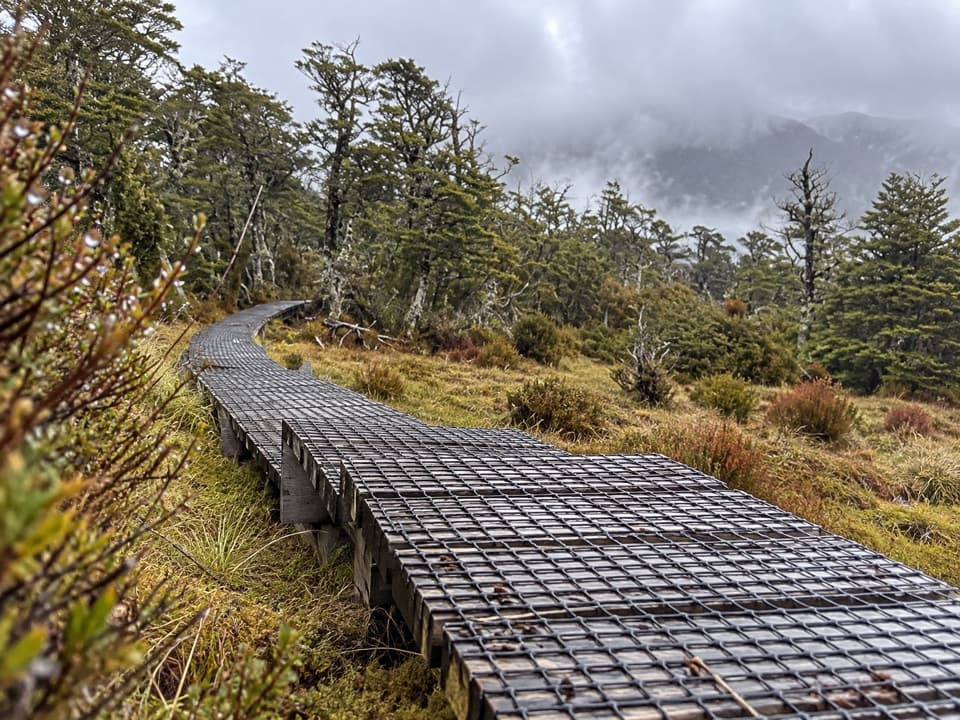
Expect rooty, rocky, often slick forest track in places—especially after rain. The Mt Cedric route to/from Angelus is very steep with bouldery/scree sections and can be slippery and exposed in bad weather. Other options in the wider network (e.g., Speargrass Track) include multiple creek crossings and plenty of slick roots; off‑track, cairn‑only routes are not for poor weather days.

Hazards and current notices

Two key planning notes: the Rotoroa Route along the eastern shore of Lake Rotoroa (Rotoroa village to Sabine Hut) is permanently closed, and a bridge between Sabine and D’Urville Huts has been removed—there’s now a stream ford that’s about a metre deep at normal flow and can be unsafe after rain. Know river‑crossing techniques, and be ready to wait or turn back if levels are up.

Biosecurity: lake snow (lindavia)

Lakes Rotoiti and Rotoroa have lindavia. Sabine Hut has a biosecurity cleaning station—use it to disinfect any wet or damp gear. Dry all gear completely for 48 hours before entering alpine lakes and tarns, and do not touch the water in Rotomairewhenua/Blue Lake or Lake Constance.

Wildlife & hut realities

This is true lakeside living: sandflies can be fierce, so cover up and bring strong repellent. At night, shine a light along the shore and you may spot eels cruising the shallows. Anecdotally, wasps and the occasional rat have been noticed near the toilets—conditions change, but it’s worth packing accordingly.

Best time to visit

Go in settled weather and start early on big days; tracks get slick fast after rain, and the post‑bridge‑removal ford toward D’Urville can become uncrossable. Clear, calm afternoons are lovely on the beachy foreshore; dusk and after dark are best for eel‑spotting.

Pros

  • Lakeside setting with views and resident eels
  • Heated, clean, spacious 32‑bunk hut with running water
  • Reachable by tramping or by boat

Cons

  • Sandflies can be intense around the hut
  • Toilets may have bugs/wasps and can be dirty at times

Tips

  • Use the hut’s biosecurity cleaning station if any gear has been in Lakes Rotoiti or Rotoroa.
  • Pack strong sandfly repellent and long layers for time outside the hut.
  • If heading toward D’Urville Hut, factor in the removed bridge and be prepared to wait after rain.
  • Only tackle the Mt Cedric route to Angelus in good weather; it’s steep and exposed.
  • At dusk, scan the lake edge with a headlamp to spot eels.
The Parkwolf tour guide sitting on a phone mounted in a car

Parkwolf Tour Guide

Like a tour guide in your car.

Save the places you found around Nelson Lakes, then let Parkwolf guide the drive between them.Download Parkwolf on the App Store