
Place · 5.4 mi away
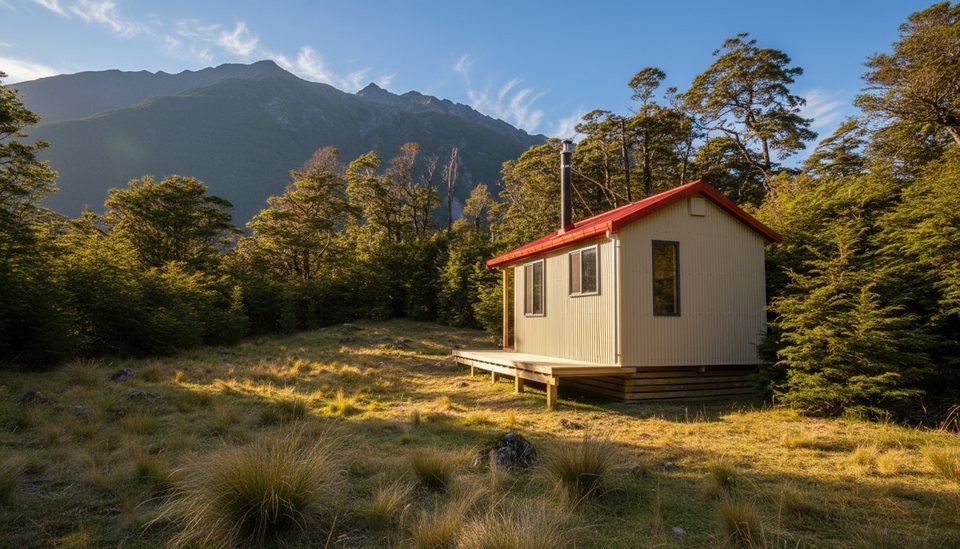
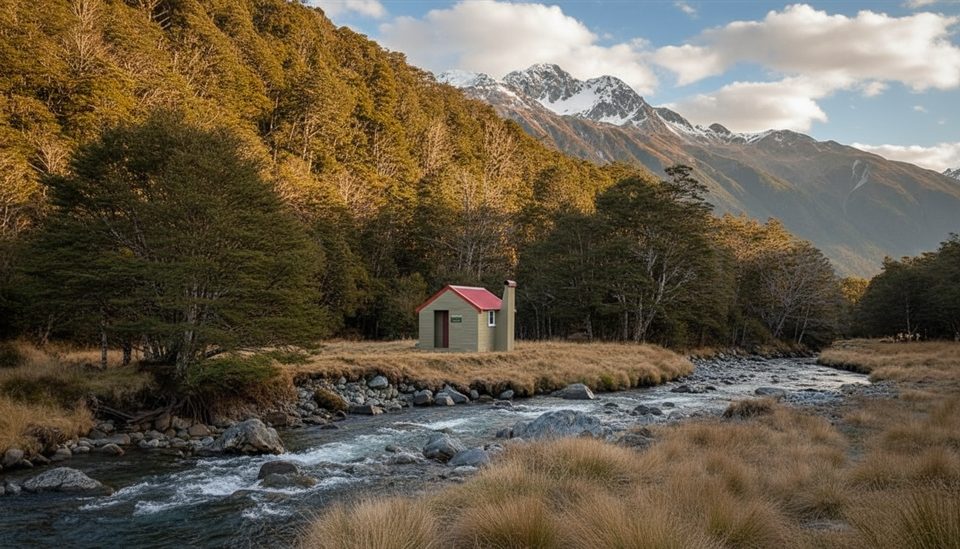
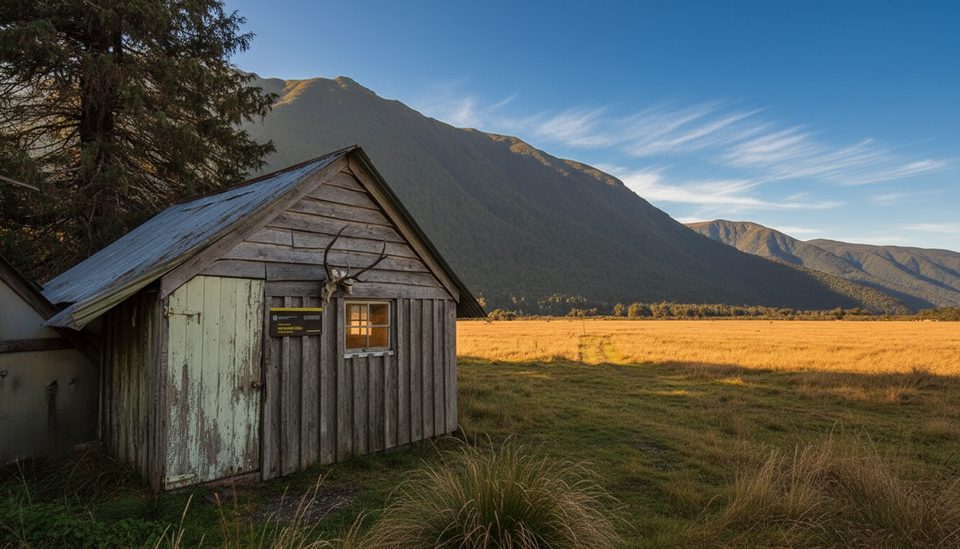
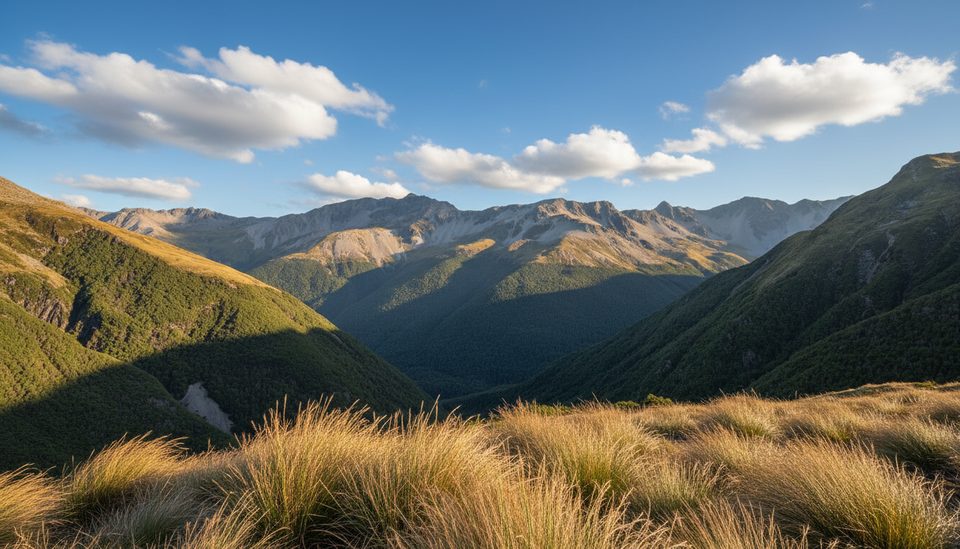
Waiau Hut is a compact 6‑bunk backcountry shelter at about 850 m in the St James Conservation Area, just beyond the park boundary. It’s the natural overnight for trampers linking Waiau Pass between Blue Lake Hut and the St James Walkway/Christopher Hut. Built in 2017 and opened in January 2018, it’s modern and functional, but still very much a simple backcountry stop.
Most hikers arrive via Waiau Pass:
Continuing toward Lewis Pass via the St James Walkway, typical legs are: Christopher → Ada Pass Hut 4 hr 30 min (10.5 km); Ada Pass → Cannibal Gorge Hut 1 hr 30 min (3 km); Cannibal Gorge Hut → Lewis Pass/SH7 3 hr 30 min (7 km). There’s 4WD road proximity around Maling Pass (carpark, toilet, a ford), though the upper valley still feels remote.
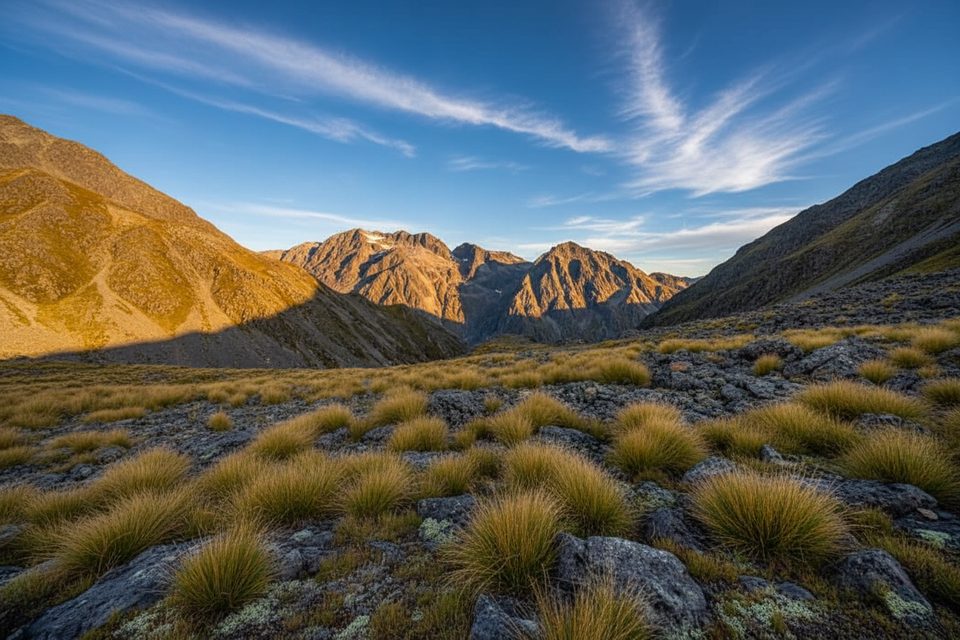
Hard, icy snow can linger on the final 150+ m to Waiau Pass until December. If there’s snow on the south side, you’ll need ice axe, crampons and avalanche rescue gear—and the skills to use them—or retreat to Blue Lake Hut. Expect very steep scree on the north side and a long, slow descent south. Slips and spaced markers around Lake Constance demand tight navigation; trust the map and markers. Summer nights can still be cold here; even February frosts have been reported. The Waiau flats can have limited side‑stream water late in the day—fill up strategically.
Despite its modern build, the hut is small for the flow of Te Araroa walkers and can feel crowded in peak season—carry a tent as a backup. Sandflies are notorious around the hut; visitors have noted they can infiltrate through imperfect screening, and at times the hut/toilet have felt a bit tired and in need of a good clean.
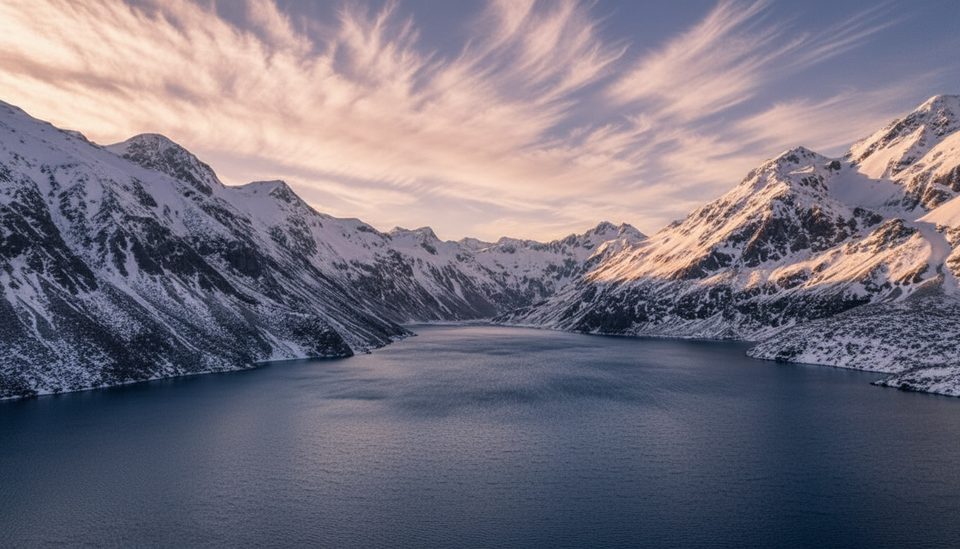
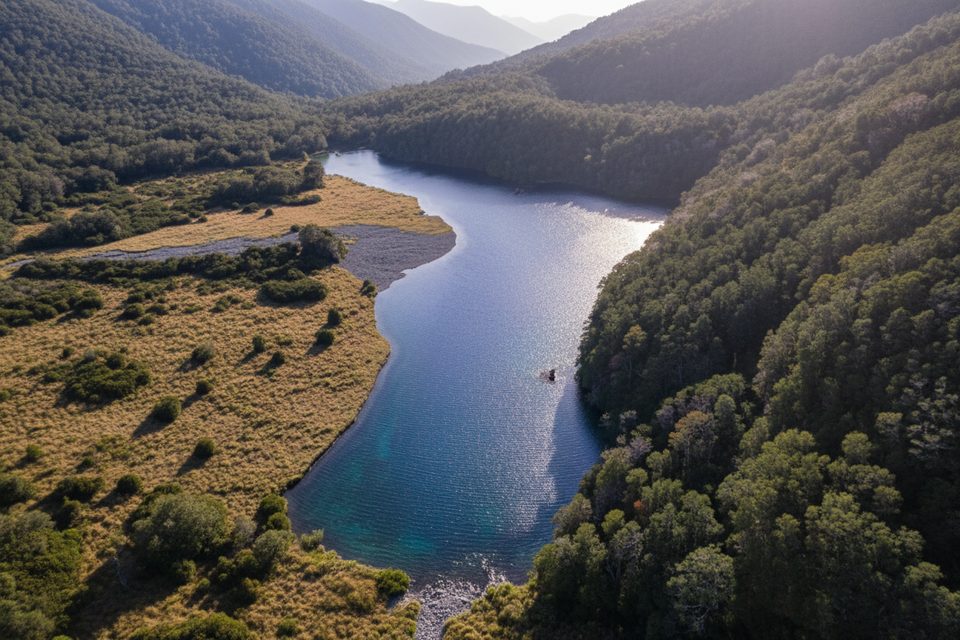
Lindavia (lake snow) is present in Lakes Rotoiti and Rotoroa. Dry all gear completely for 48 hours before entering any alpine lake or tarn. Use the cleaning stations at Coldwater, Lakehead and Sabine Huts if your gear has been wet. Do not touch the water in Rotomairewhenua/Blue Lake or Rotopōhueroa/Lake Constance—no washing, swimming, bottle‑filling, or putting equipment in the water. You can swim and fill bottles in the Sabine River below Blue Lake’s outlet.
Aim for stable summer weather with clear visibility for the pass, ideally after lingering early‑season snow has gone (often from December). Start the Blue Lake → Waiau leg at first light to make the 9–12 hour day comfortably. Expect the most traffic during the Te Araroa season (roughly December–February); arriving early improves your chances of a bunk.
Place · 5.4 mi away
Place · 5.6 mi away
Place · 7.3 mi away
Place · 7.8 mi away
Challenging · 11.9 mi away
Challenging · 12 mi away
Moderate · 12 mi away
Challenging · 15.2 mi away

Parkwolf Tour Guide
