
Place · 1.8 mi away
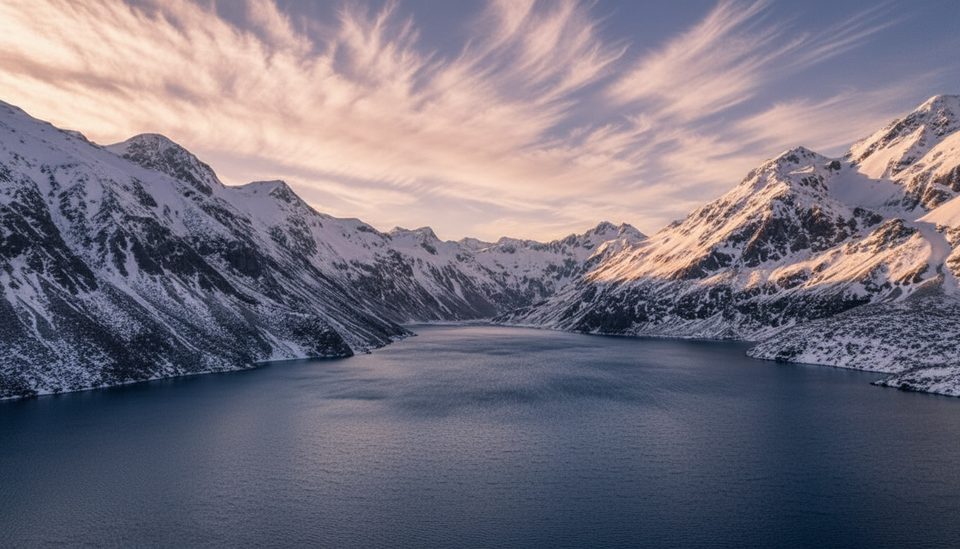
Waiau Pass is the high, rugged saddle linking Nelson Lakes and the Waiau valley on the Te Araroa. It’s stunning—and absolutely no casual stroll. This is a technical alpine crossing for highly experienced trampers with strong fitness, navigation, river‑crossing, and self‑sufficiency skills.
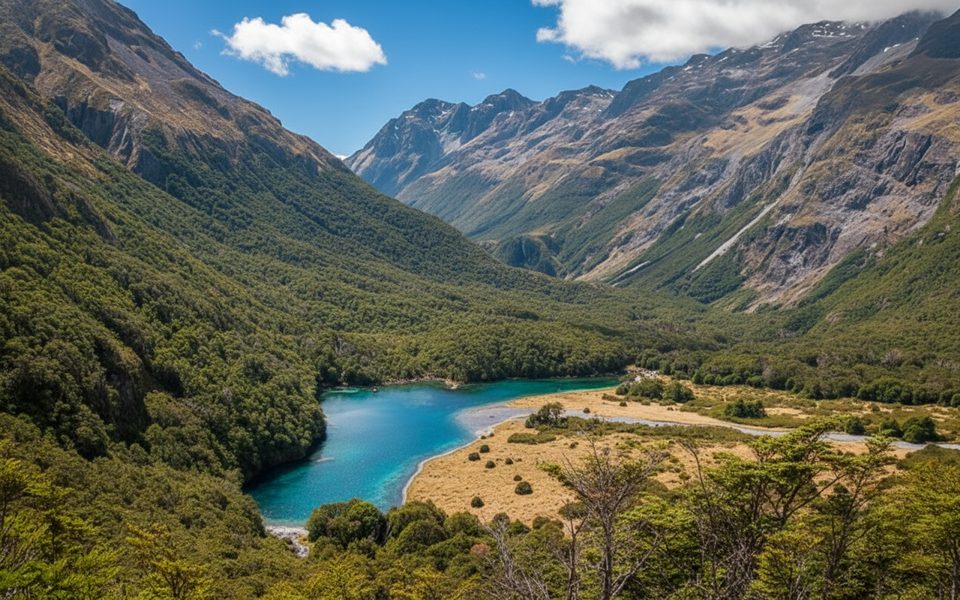
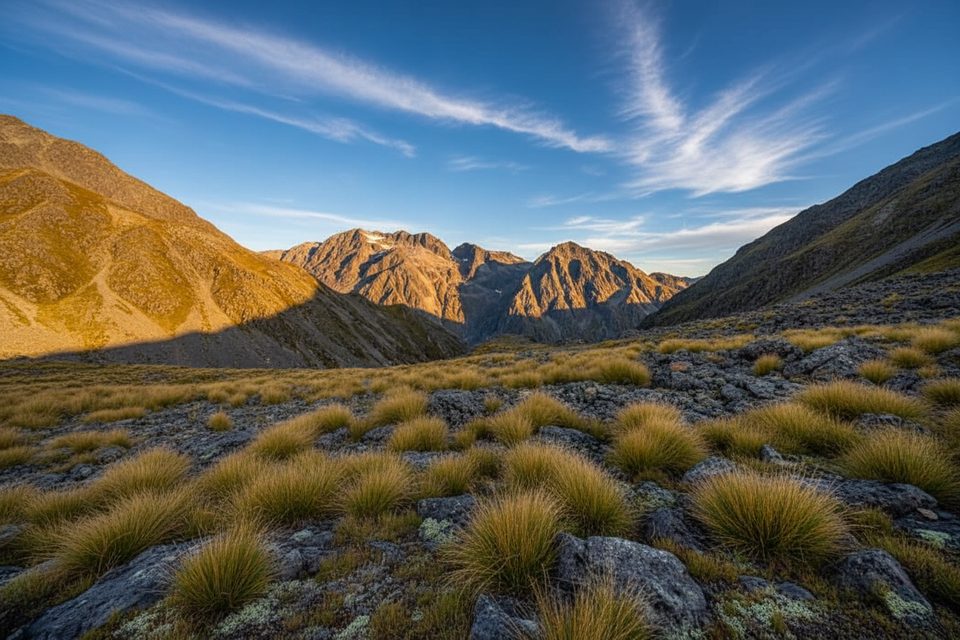
From Blue Lake Hut, the marked route climbs moraine to Rotopōhueroa/Lake Constance, then follows a poled high line above the lake’s western bluffs—do not try the lake edge. After dropping back to the shoreline near the head of the lake, the track turns south and grinds up scree and steep rock to the pass, gaining about 530 m over roughly 1.5 km. The south side descent trends right from the summit; it’s very steep and technical before easing into the valley. Below the Upper Waiau Forks the route can be overgrown—keep a sharp eye on the orange markers.
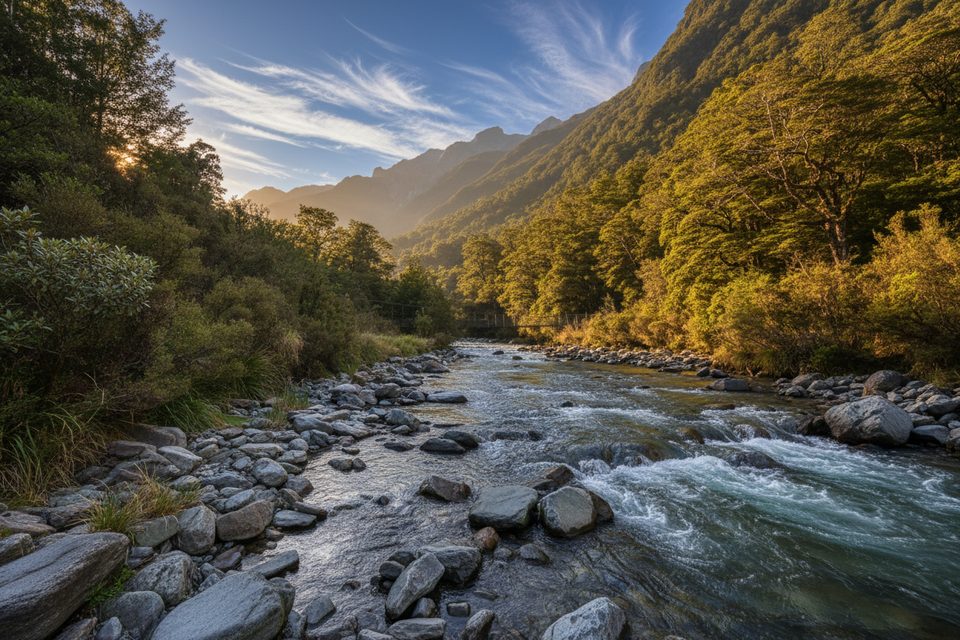
Only go in good weather. Hard, icy snow commonly lingers on the north side until December, and snow can be present any time on the south side. If snow or ice is on the route, you’ll need an ice axe, crampons, and avalanche rescue gear—and the skills to use them—or you should turn back. Expect multiple stream and river interactions and be fully self‑sufficient.
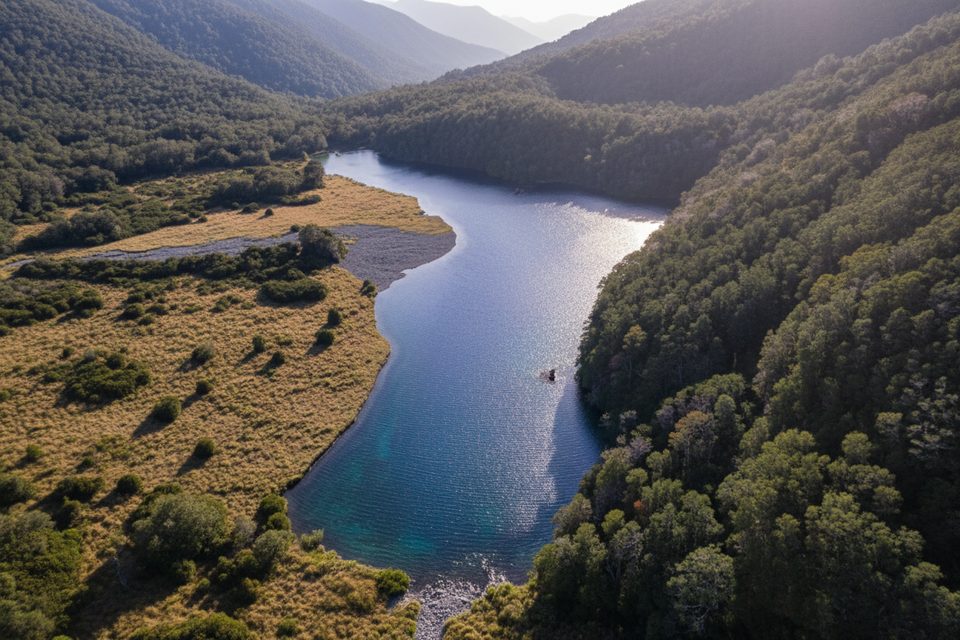
Rotomairewhenua/Blue Lake and Rotopōhueroa/Lake Constance are tapu and extremely sensitive. Don’t touch the water, swim, or rinse gear. To stop the spread of lake snow (lindavia), dry gear for 48 hours before using alpine lakes or use the DOC cleaning stations at Coldwater Hut, Lakehead Hut, and Sabine Hut.
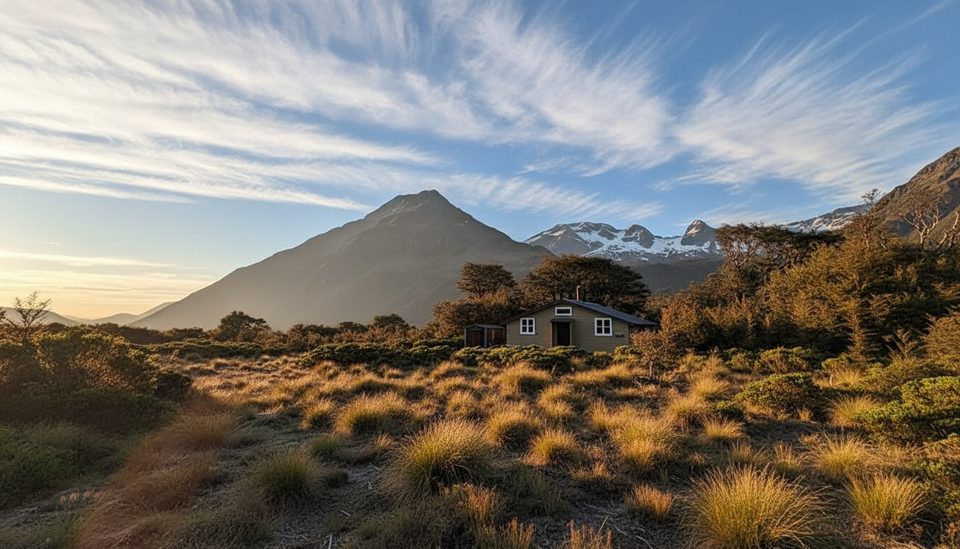
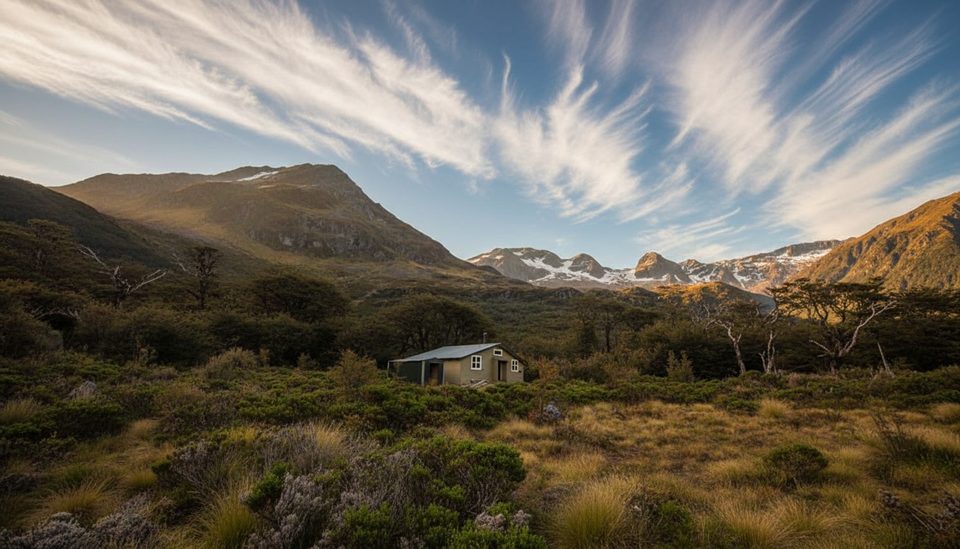
South from the pass you’ll reach Waiau Hut, then either continue via the Waiau–Ada to Christopher Hut and Ada Pass Hut toward Lewis Pass, or swing onto the St James Walkway toward Boyle Village. Note that Caroline Creek Bivvy has been removed; Waiau Hut is the next shelter about an hour downstream from Caroline Creek.
Summer offers the safest window. Build in a weather layover at Blue Lake Hut and start the pass day early. Huts in this corridor are popular and may require bookings in the main season (Oct 1–Apr 30).
Place · 1.8 mi away
Place · 2.8 mi away
Place · 2.9 mi away
Place · 2.9 mi away
Challenging · 6.6 mi away
Moderate · 6.6 mi away
Challenging · 7.4 mi away
Challenging · 10.5 mi away

Parkwolf Tour Guide
