Overview
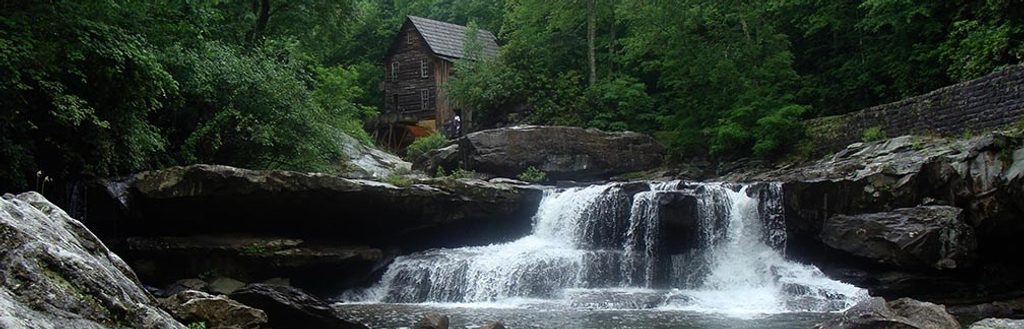
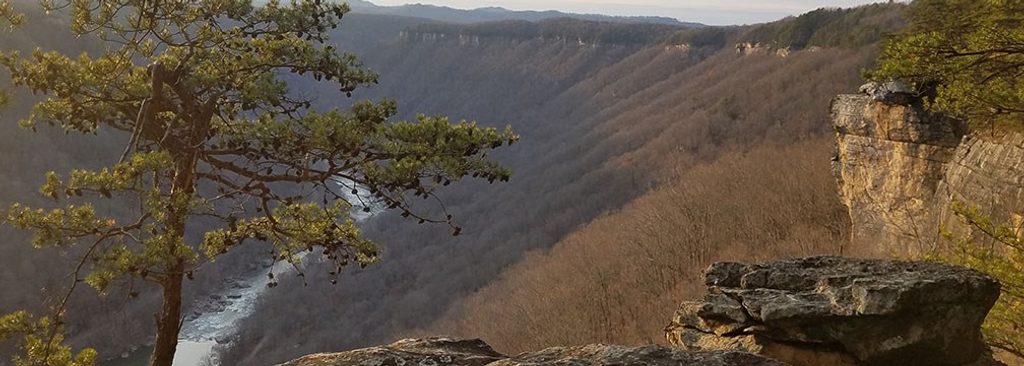
Spread across 4,127 acres in Clifftop, this state park is the photogenic side trip everyone talks about—20 miles southeast of the big bridge. The star is the Glade Creek Grist Mill, a working replica that draws photographers year-round and especially in fall. Admission is free, and the park makes an easy base for hiking, biking, fishing, and day trips into the Gorge.
What You'll See
- Glade Creek Grist Mill: classic Appalachian scenery with cascades, stonework, and wood beams—this is the shot you’ve seen on calendars. The mill typically closes for the season the last Sunday in October.
- Trails: more than 20 miles, from creekside rambles to short, punchy routes like Island-in-the-Sky (expect rock features and even a couple of short ladders) and Manns Creek Gorge with waterfalls and swim holes.
- Boley Lake: a calm spot for paddling and fishing, ringed by forested hills.
- Wildlife: expect Appalachian forest regulars—deer, herons, salamanders—and great spring wildflowers; fall lights up the hillsides with color.
Activities & Amenities
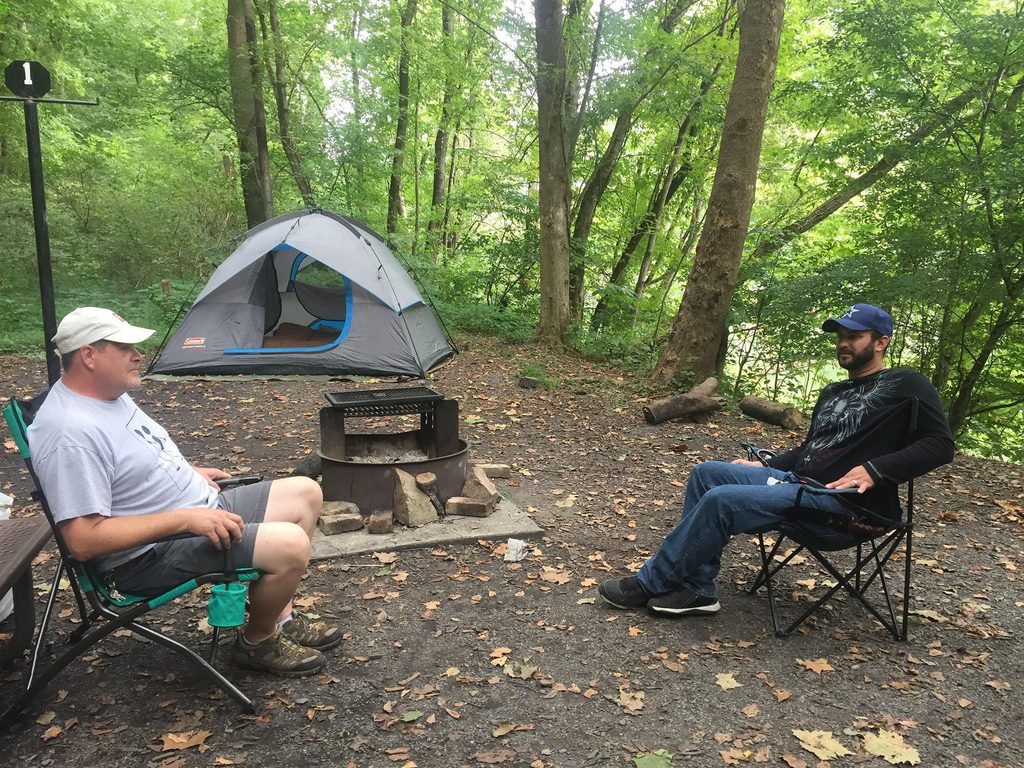
- Camping: 52 sites (28 electric-only, 24 non-electric) with a central bathhouse, hot showers, coin laundry, water fill-ups, and dump stations. Wi‑Fi is available at the campground, and there’s a group tent area with a covered shelter and electricity.
- Cabins: 28 total (several pet-friendly) with kitchens, linens, towels, and Wi‑Fi; some sit near the mill, others tucked deeper in the woods.
- Boating: paddleboats, rowboats, and canoes on Boley Lake from Memorial Day weekend through Labor Day; electric motors only.
- Fishing: Boley Lake and Glade Creek are stocked with largemouth bass, bluegill, trout, and channel catfish; a West Virginia fishing license is required.
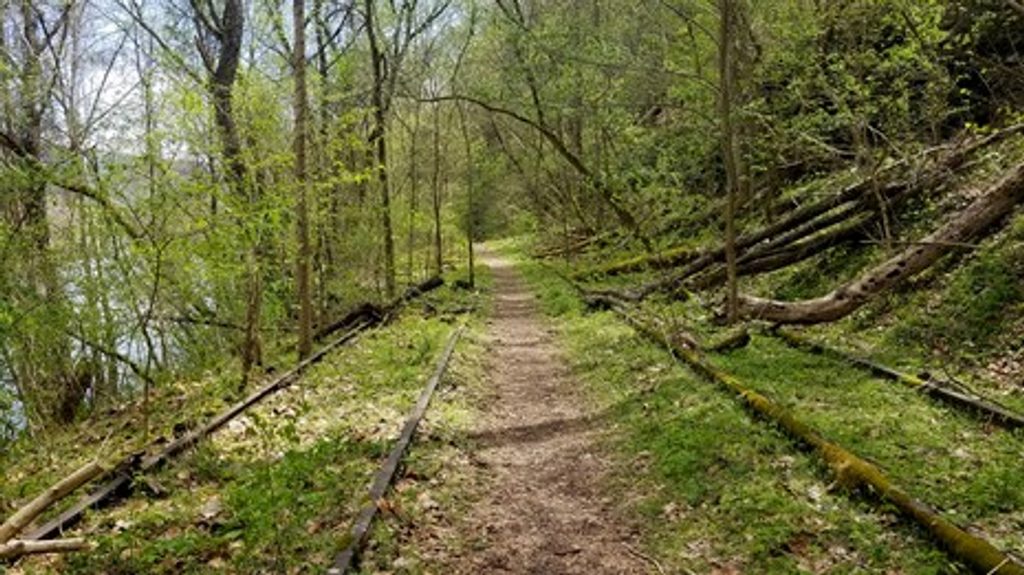
- Biking: ride paved and gravel roads or designated trails such as Narrow Gauge and Manns Creek Gorge.
- Extras: geocaches, game courts (horseshoes, volleyball, tennis, basketball), and summertime naturalist programs.
Practicalities
- Facilities: restrooms at the visitor/gift shop by the mill and in the campground bathhouse; picnic-area restrooms and some gates close October 31.
- Food: there’s no restaurant—bring a picnic. The gift/visitor shop stocks snacks and souvenirs.
- Connectivity: campground Wi‑Fi helps; cell coverage varies by carrier. Campers report a quiet, peaceful scene even when full.
- Rules & vibes: alcohol isn’t allowed in the campground (reported by campers). Roads in and around the park are narrow and curvy—take it slow, especially with trailers or after dark.
Photography & Drones
- Best mill photos are at sunrise (soft light, calmer water, fewer people), with fall color usually peaking mid to late October.
- Drone use near the mill is limited to a daily window (commonly 1–3 p.m.) and requires check‑in at the park office; keep at least 20 feet from the mill and don’t fly over buildings or parking areas.
Best Time to Visit
- Timing: aim for early mornings or weekdays to beat the mill crowds; fall weekends are the busiest.
- Seasons: summer is best for lake rentals and ranger programs; spring has wildflowers; fall color is spectacular but note the mill closes the last Sunday in October.
- Light: sunrise at the mill is gold; late‑day light works for creekside glow, but plan parking accordingly.