
Place · 0.8 mi away
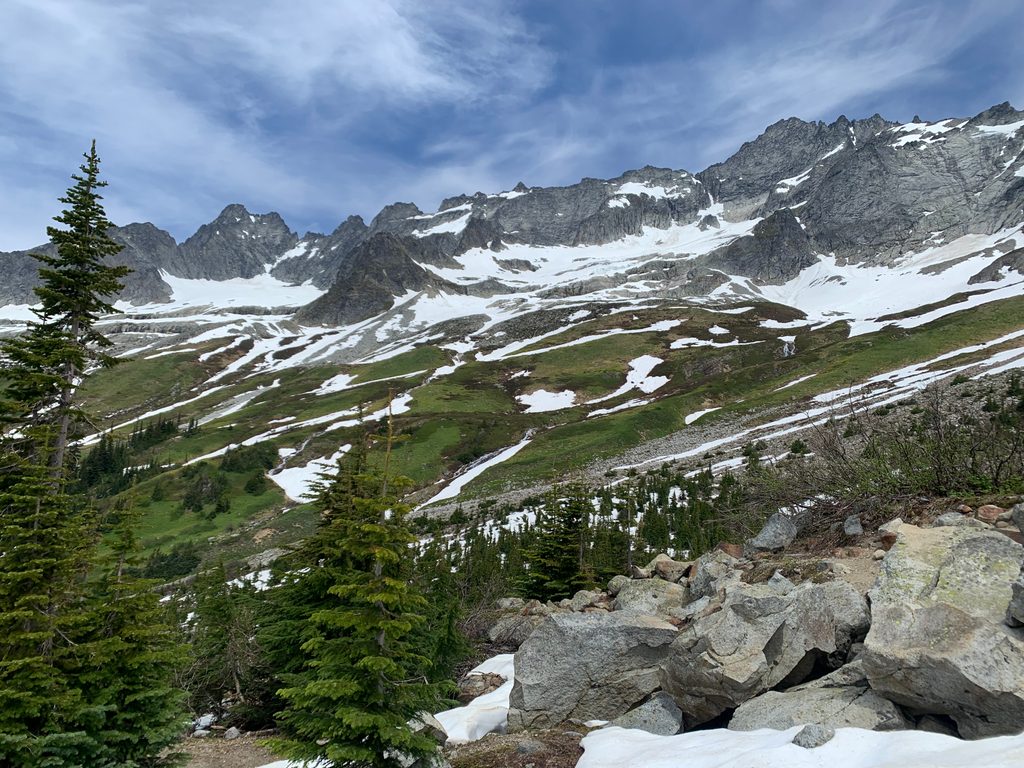
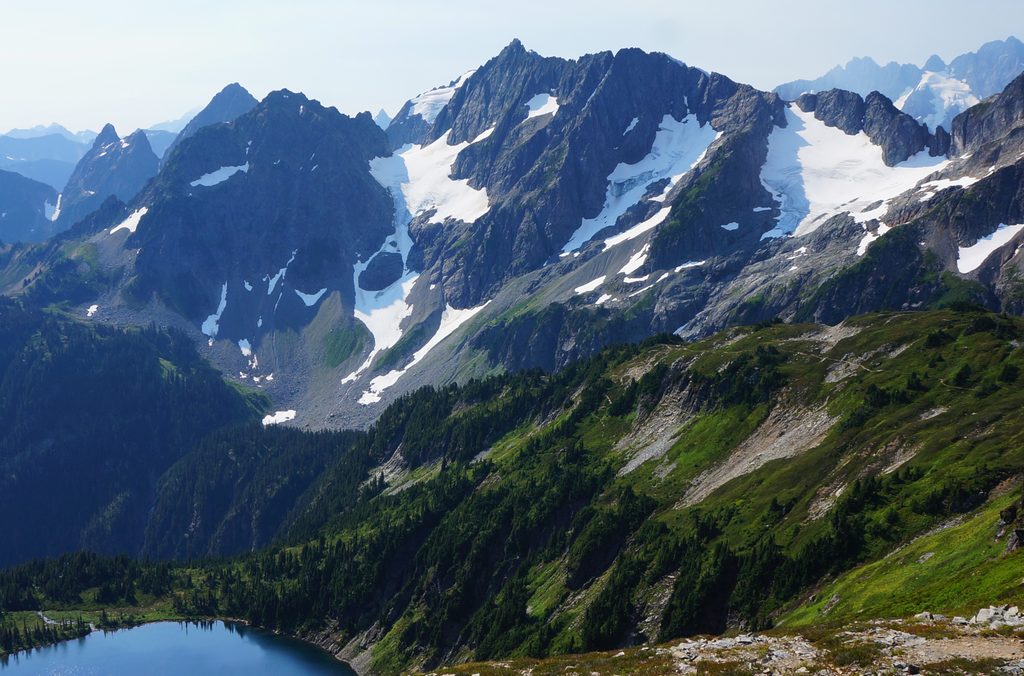
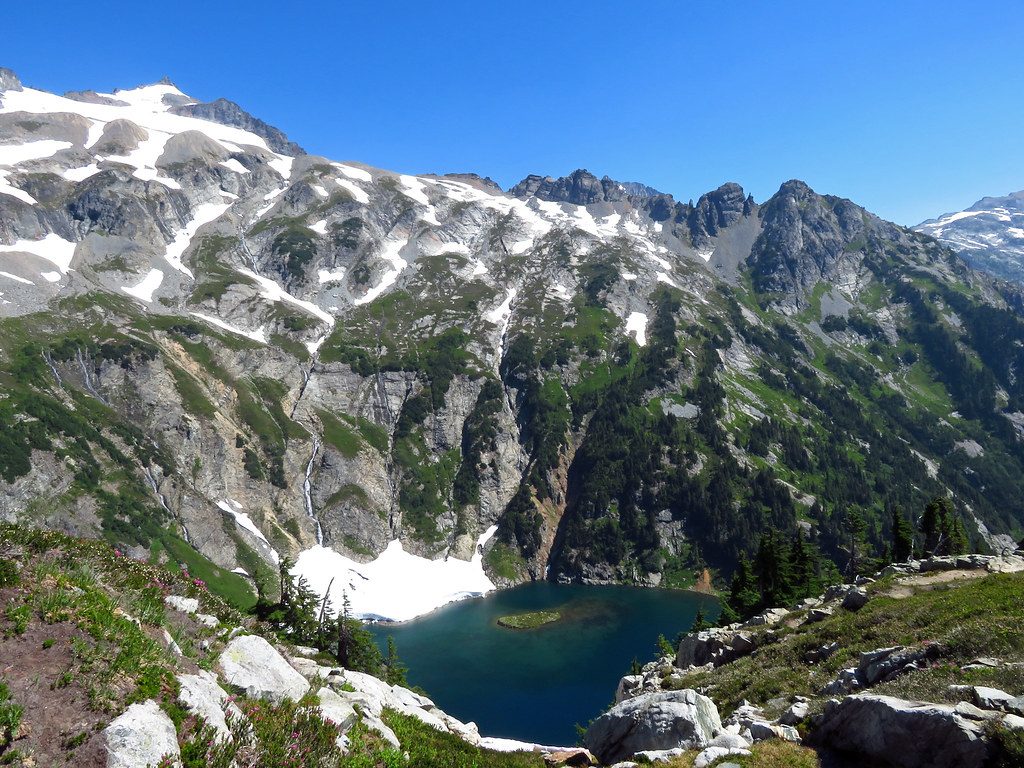
Boston Basin is the North Cascades at full volume: a steep, wild alpine cirque that funnels you to big terrain fast. From the climbers’ trail you can reach the Quien Sabe and Sahale glaciers, Sharkfin Tower, Forbidden and Boston peaks, and traverse into Sahale. It’s strenuous, spectacular, and unapologetically alpine—best for experienced hikers and climbers who are comfortable with exposure, snow, and loose rock.
A heads-up before you plan: the approach trail and trailhead have been temporarily closed for bear activity in recent updates. Always re-check current status, and build a Plan B.
Access is via Cascade River Road from Marblemount; after the paved section it turns to gravel with potholes and narrow, steep stretches. High-clearance is recommended. The Cascade Pass parking area (a common overflow/start point) typically opens in late June or July. Parking at the Boston Basin pullouts is limited; many parties park at the larger Cascade Pass/Sahale lot and walk the short road section pre-dawn to avoid congestion and heat.
The climbers’ trail is steep, sometimes brushy, with stream crossings. Water is generally abundant on the approach, but expect a dry stretch once you’re on the Quien Sabe and until you’re back off the Sahale Glacier—plan your fills accordingly.
Expect everything from Class 3–4 scrambling to short sections of easy 5th class, plus glacier travel. The Quien Sabe often breaks up later in the season; crevasse navigation and seasonal snow bridges require judgment and proper gear. Parties sometimes forgo a rope on the Sahale Glacier when cracks aren’t visible—but conditions change quickly, so bring the kit and use it as the glacier dictates.
Loose rock is part of the game here. On Forbidden Peak, the East Ledges descent can be tricky—especially in whiteouts—so locating rappel anchors takes care and time. Multiple rappels are common across objectives; carry what you need and be prepared to manage rope-snag risk.
This basin is prime habitat for bears, mountain goats, and ground-nesting birds like ptarmigan. Give wildlife space and guard your food—bear activity has prompted temporary closures. Expect minimal infrastructure beyond designated camps; pack out all trash, keep group sizes modest, and tread lightly on alpine vegetation.
Overnights (including bivies) require a backcountry permit with quotas to reduce crowding and impacts. Designated camps in Boston Basin have composting toilets—use them for solid waste only, keep lids closed, and don’t put trash or wipes inside. If you’re away from a toilet and can’t dig in soil (on rock, snow, or glacier), pack out your waste with a WAG/blue bag; do not bury in snow or toss into crevasses. Campfires aren’t allowed in crosscountry zones.
Ambitious hikers and alpinists who want a concentrated dose of North Cascades granite, glaciers, and exposure. If you’re new to glacier travel or 4th/low-5th class movement on loose terrain, consider hiring an authorized guide or choosing a mellower objective first.
Place · 0.8 mi away
Place · 1.5 mi away
Place · 1.7 mi away

Place · 2.2 mi away
Challenging · 1.9 mi away
Moderate · 1.9 mi away
Challenging · 1.9 mi away
Challenging · 1.9 mi away

Parkwolf Tour Guide
