Parking
Follow Cascade River Road 23.1 miles from State Route 20 near Marblemount to the Cascade Pass parking lot. The first third is paved; the rest is gravel, with narrow, steep sections near the end. Check current road access before driving.
#1 of 88 trails in North Cascades
North Cascades National Park, WA
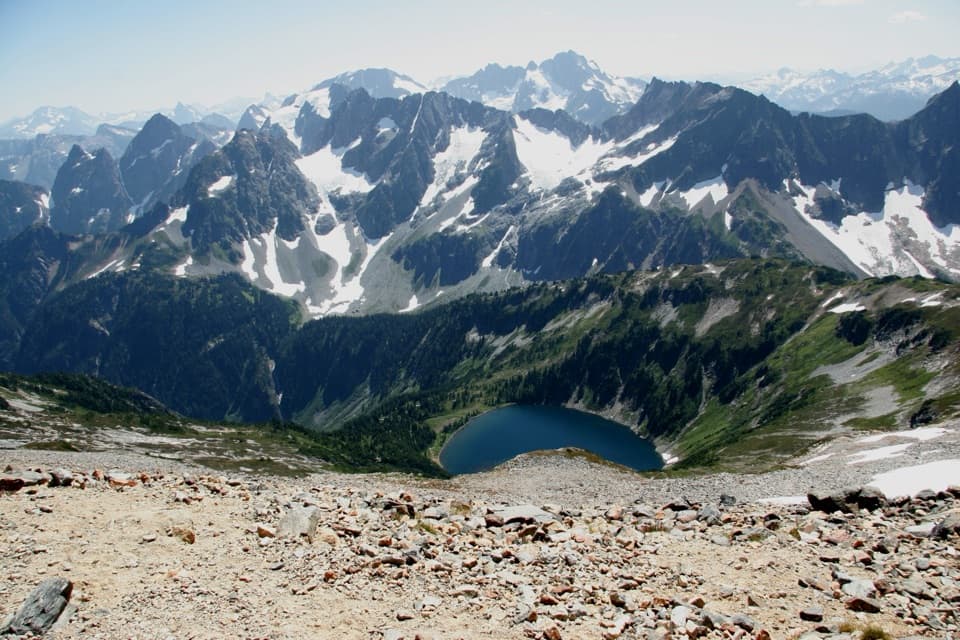
Steep talus and huge glacier views above Cascade Pass.
Overview
Sahale Arm Trail is an 11.8-mile out-and-back from Cascade Pass parking, over Cascade Pass and up to the toe of Sahale Glacier by Sahale Glacier Camp. The one-way walk to the camp is 5.9 miles, with about 3,940 feet of climbing; allow about 8 to 10 hours for the full day. This is a hard hike with a proper alpine finish. If that is more than you want, Cascade Pass alone is a satisfying 7.4-mile round trip with 1,700 feet of gain.
 Parkwolf’s verdictIs this the full hike for you?
Map & elevation
Plan your hike

The highest, rockiest slopes around here are a summer buffet for grizzly bears.
North Cascades Tour Guide
Parkwolf is a GPS audio tour guide for North Cascades National Park. As you drive, it chimes in with what’s ahead: hidden gems, upcoming stops, history, geology, and wildlife, right through your car’s speakers.
See the North Cascades audio tourRecorded for this trailhead
Cascade Pass and Sahale Arm“You're approaching the Cascade Pass trailhead, where a steady forest climb leads to open meadows and glacier views.”
Plays as you drive up to this trailhead in the Parkwolf North Cascades Tour Guide.
More stories near here in the app
“Fantastic app with many points of information… It’s great to just turn on while you’re driving and it gives you an audio tour of the national Park. We love it!!!!”


Trail guide
The first 3.7 miles climb steadily through cool forest on long switchbacks, then leave the trees for a traverse across subalpine meadows to the pass. Waterfalls run off the steep slopes, and the views open toward Eldorado, Johannesburg, Magic, Mixup, and McGregor. Take the northbound Sahale Arm branch at the pass; the trail dropping east leads toward Pelton Basin and Stehekin instead.
The Sahale Arm trail climbs sharply through meadows and talus. About three-quarters of a mile beyond the pass, a rounded shoulder gives you the first clear look at Sahale Mountain and its glacier, with meltwater lines running down toward the Doubtful Lake basin below. The trail then eases across a patch of heather with lake glimpses before turning uphill again. From the ridge, look left across Boston Basin toward Forbidden, Torment, and Quien Sabe Glacier; Baker, Shuksan, and Eldorado appear farther out.
Higher up, the ridge briefly levels around small tarns and granite outcrops. Then the tread gets muddier beside a stream and steepens for the final half-mile over scree and rock. It is a rough finish after the long climb, but it brings you to Sahale Glacier Camp, a cluster of small, flat spots ringed with rocks on the glacier’s terminal moraine. Formidable, Spider, Buckner, Storm King, and Goode fill the skyline. Stop at the camp; glacier travel and Sahale Peak are mountaineering objectives, not part of this hike.
People have traveled through Cascade Pass for centuries. Native travelers used it as a route across the rugged range; fur trader Alexander Ross explored it in 1811, and prospectors later came looking for gold and silver. The pass remains the hinge between the western approach and the country that drains toward Stehekin.
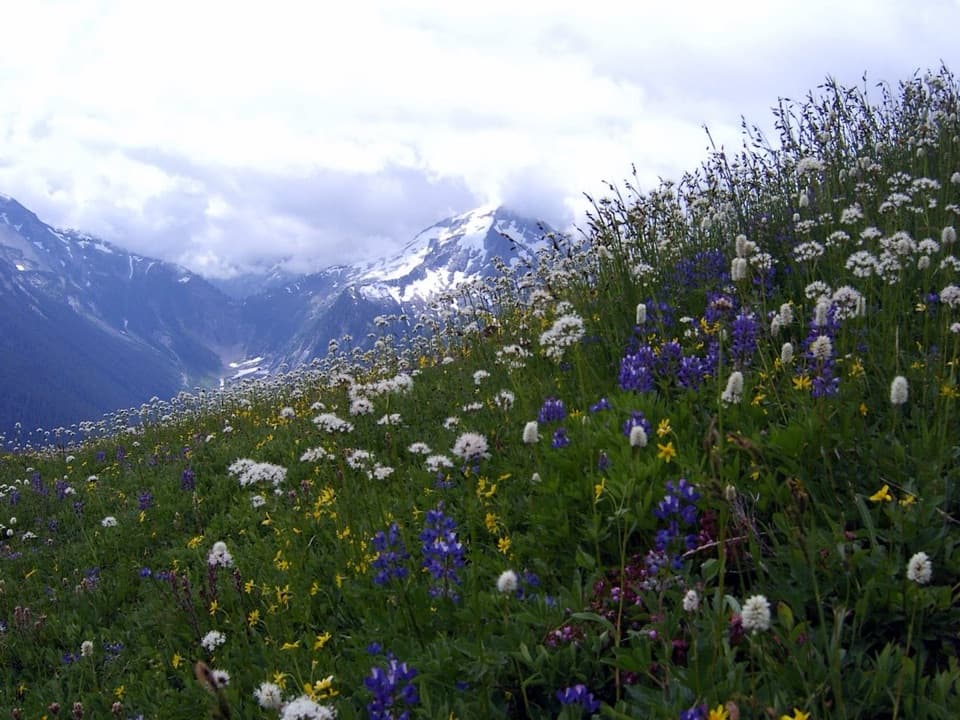
Snowmelt can bring a quick flush of yellow glacier lilies, followed by pink mountain heather. Marmots and pikas may be out on the rock slopes; deer and sometimes black bears use the meadows. The vegetation is easily damaged, and restoration work here grows native plants from collected seeds and cuttings. Keep your breaks on trail, snow, or rock.
Wildlife
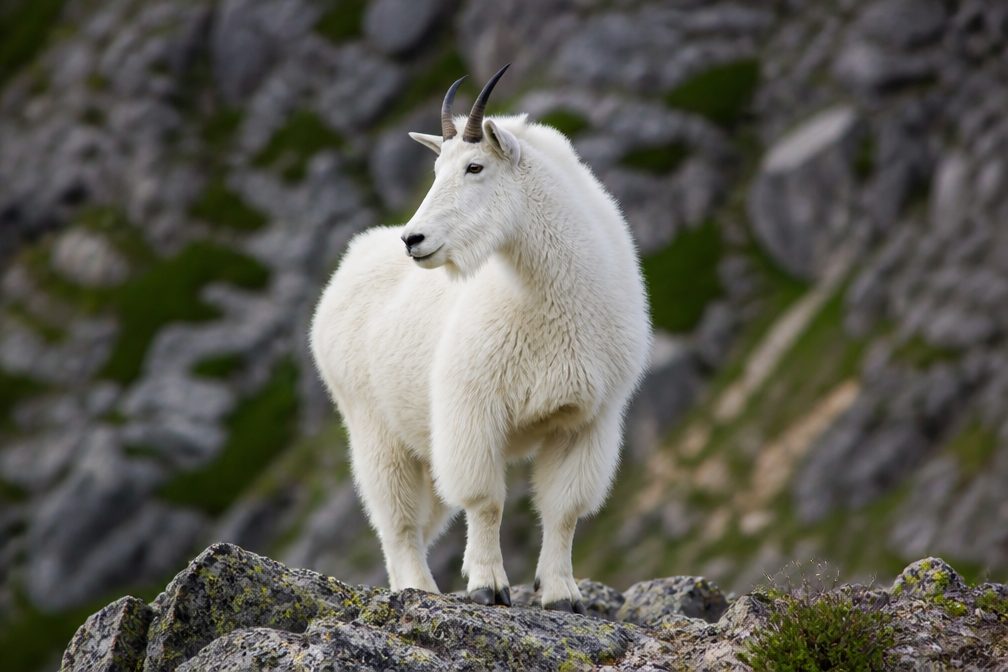 101 sightingsMountain GoatMost seen around 6 PMSighting map
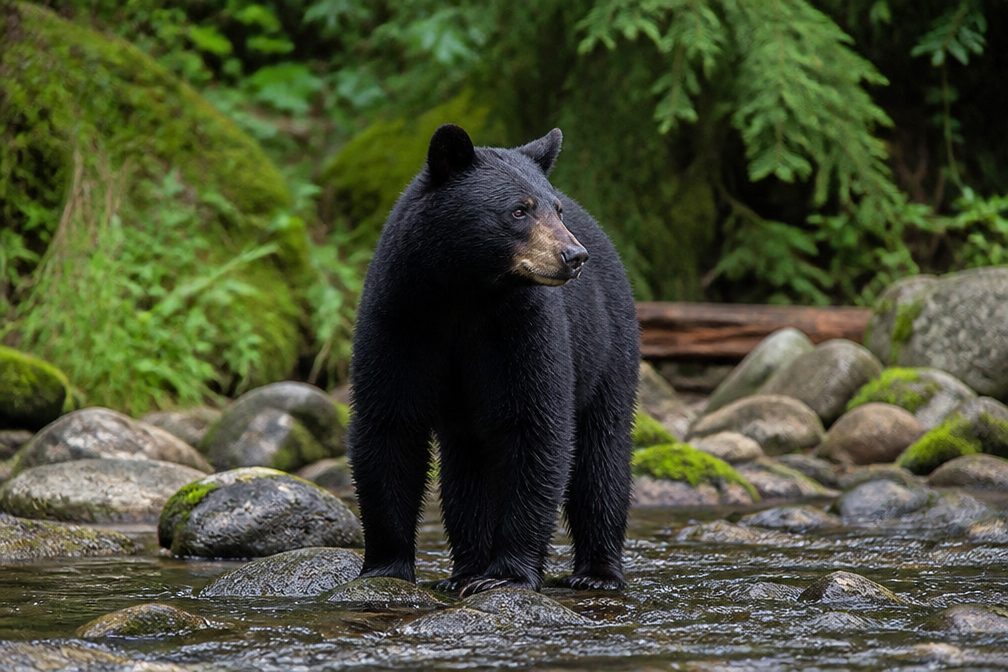 70 sightingsBlack BearMost seen around 8 PMSighting map
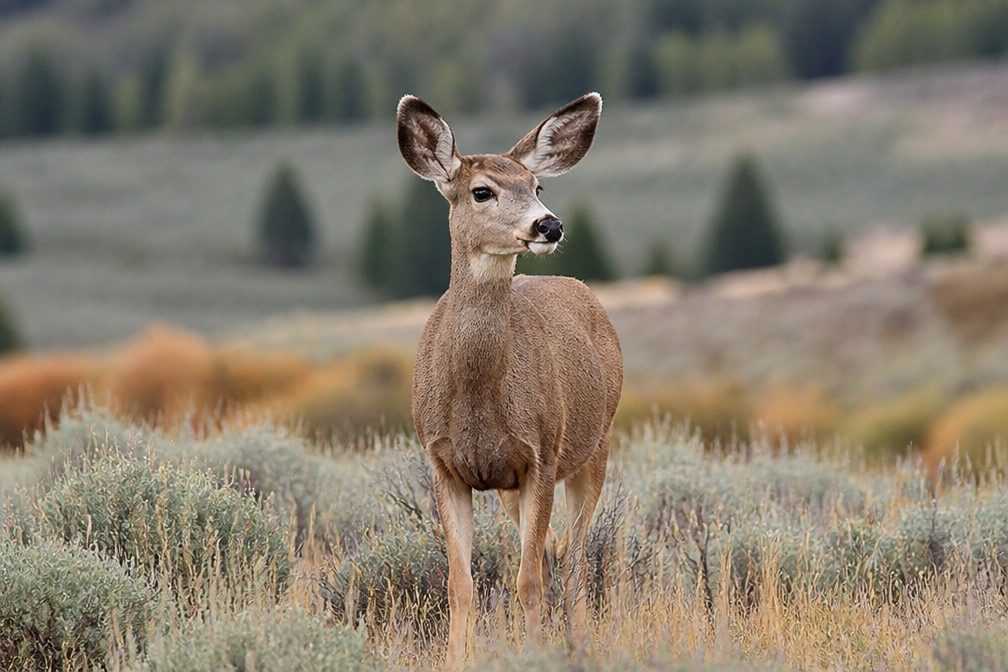 20 sightingsMule DeerMost seen around 7 PMSighting map
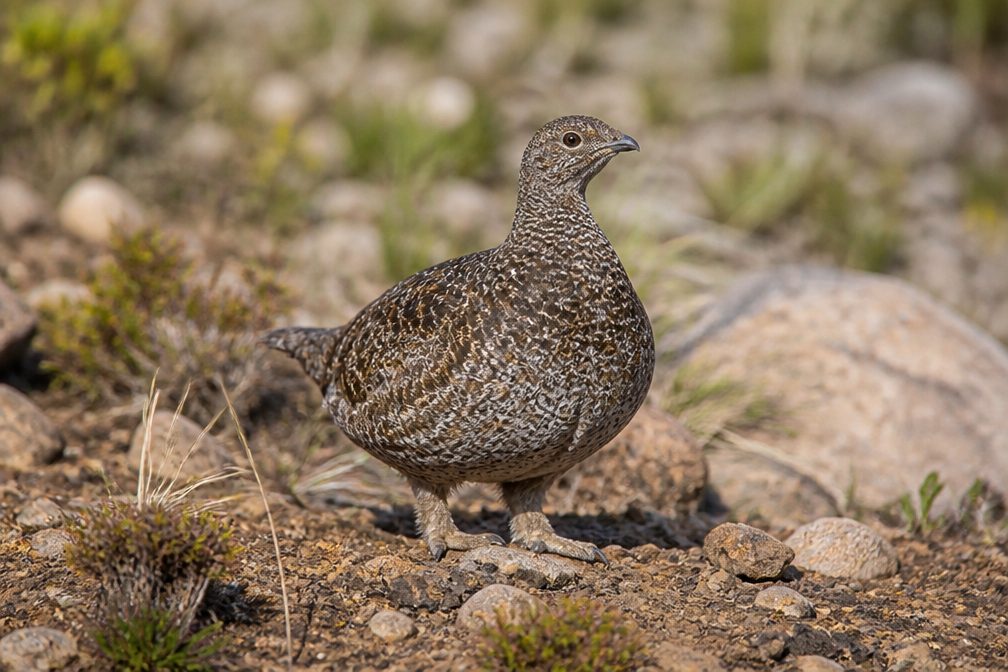 77 sightingsSooty GrouseMost seen around 6 AMSighting map
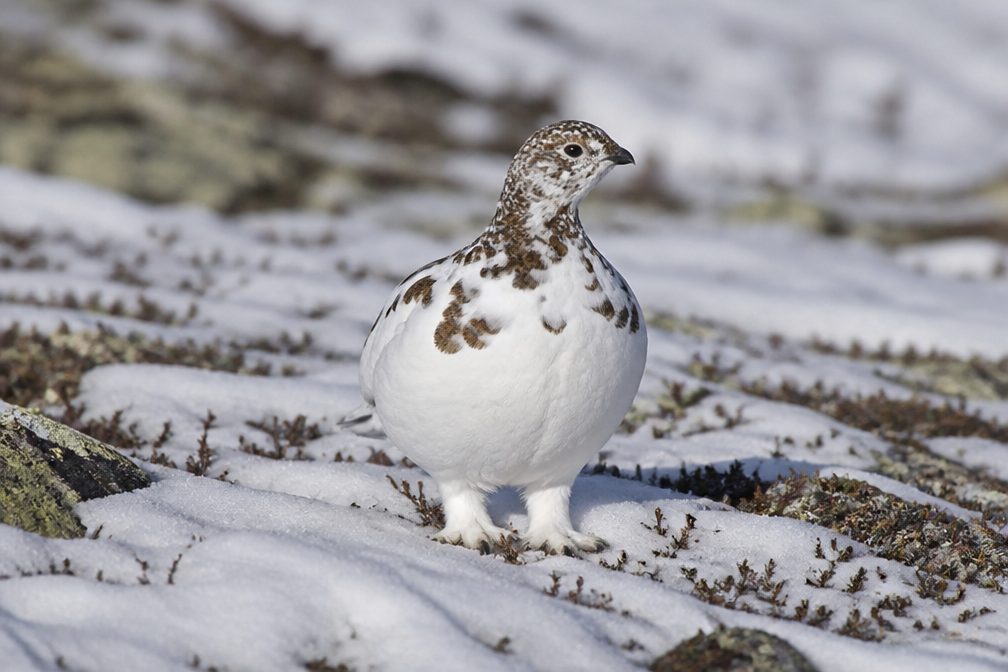 23 sightingsWhite-tailed PtarmiganMost seen around 6 PMSighting map
 75 sightingsWestern ToadMost seen around 8 PMSighting map
Sighting maps show where each species has been reported across North Cascades. Wildlife moves, so no sighting is guaranteed.
Keep exploring
 ModerateCascade Pass Trail7.4 mi · 4.5 hr · At the trailheadA long switchback climb to an alpine pass beneath glacier peaks
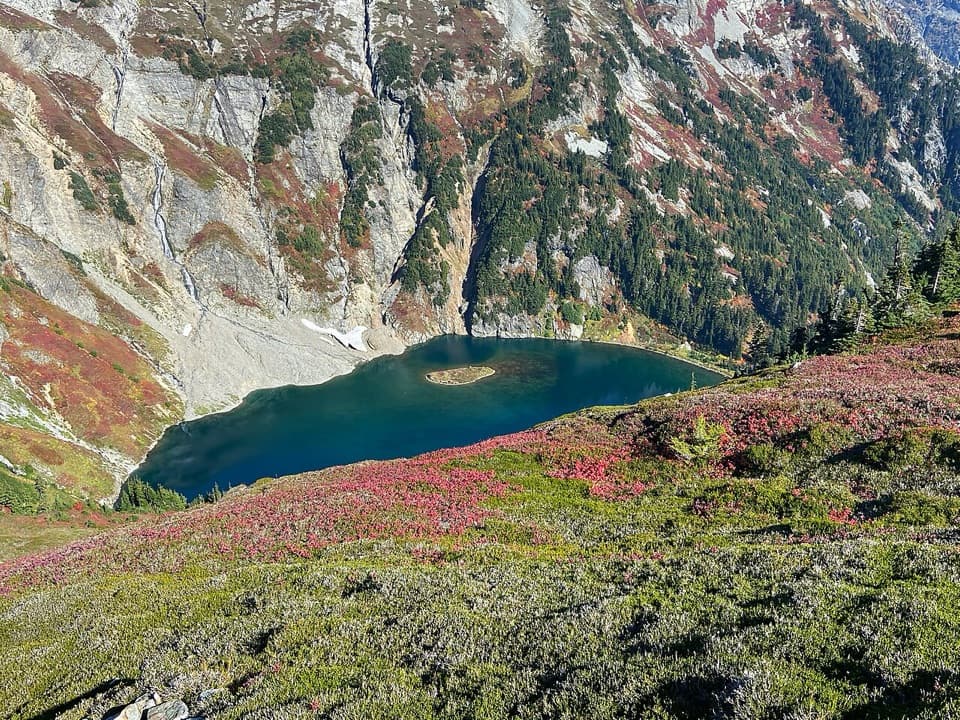 ChallengingDoubtful Lake Trail9.7 mi · 7.5 hr · At the trailheadAn alpine lake spur tucked below Sahale Arm's glacier.
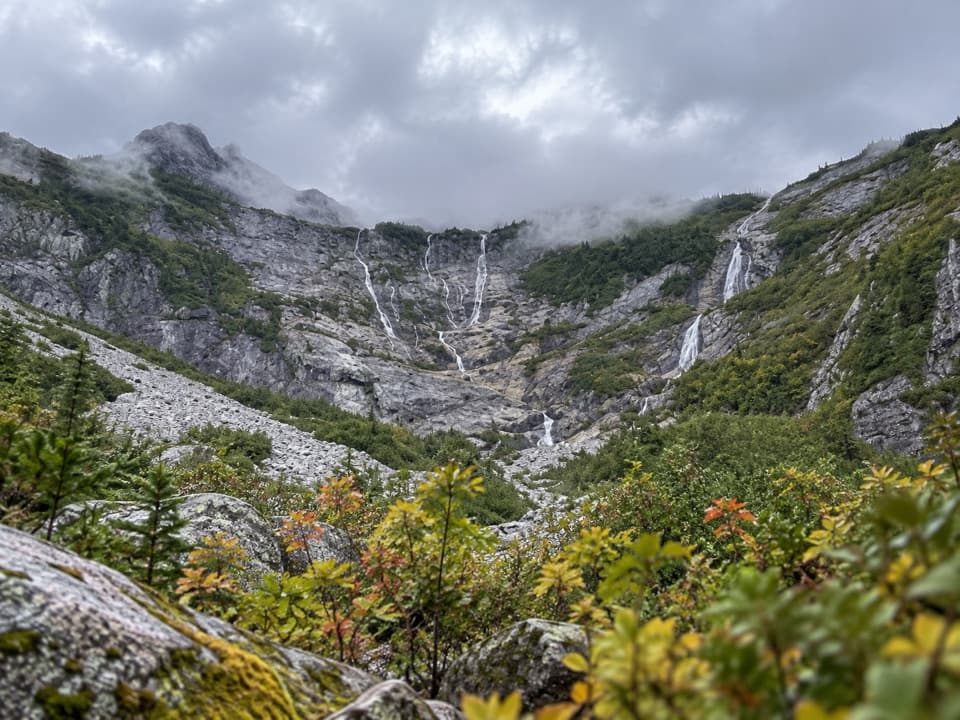 ModerateHorseshoe Basin Trail3.2 mi · 3.5 hr · 2.4 mi awayA steep, brushy spur climbs to a waterfall-filled alpine cirque.
 ChallengingHidden Lake Trail9 mi · 8 hr · 7.2 mi awayA steep climb to a tiny lookout above a hidden alpine lake.
 ModerateFlat Creek Trail6.6 mi · 3.5 hr · 7.7 mi awayA remote valley walk through fire recovery to old-growth cedars.
 ChallengingPark Creek Trail to Park Creek Pass8 mi · 7 hr · 8 mi awayA remote 8-mile climb to a pass between Logan and Buckner
 ChallengingGoode Ridge Trail10 mi · 9 hr · 9.7 mi awaySteep ridge climb to an old lookout with wide Cascade views.
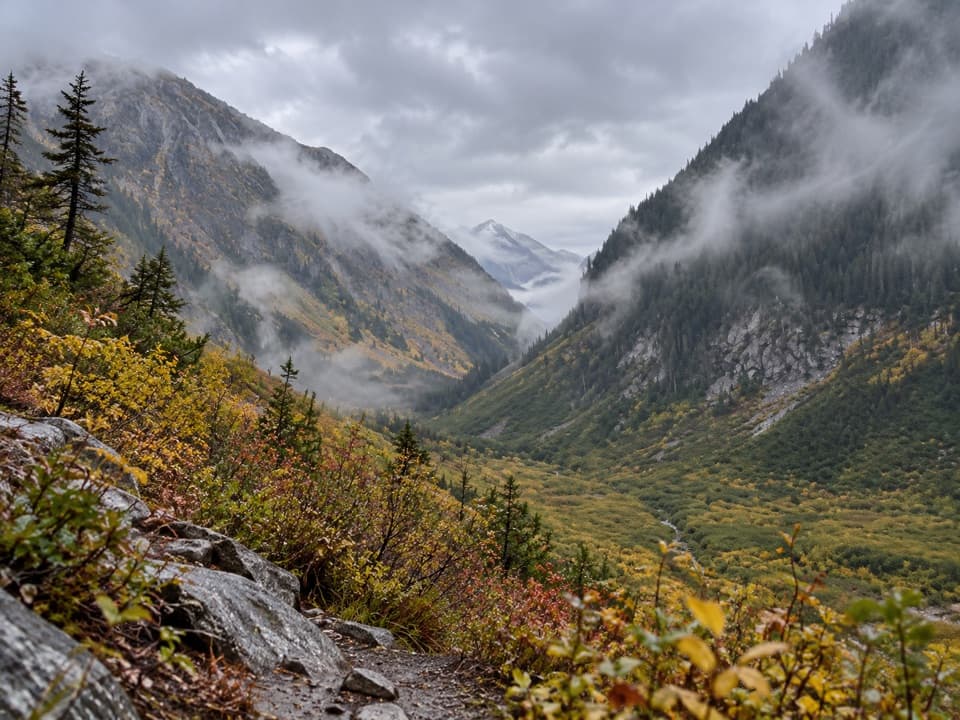 ModerateUpper Stehekin Valley Trail7 mi · 4 hr · 10 mi awayA remote old road connects two backcountry camps in Stehekin Valley.
Parkwolf’s North Cascades ranking
The audio tour guide for the drive, plus offline maps, trails, and wildlife heatmaps for when the signal drops.