Cascade Pass

Big alpine views, wildlife, and options from a classic pass
Cascade Pass, North Cascades National Park
InsideNorth Cascades National Park

Overview

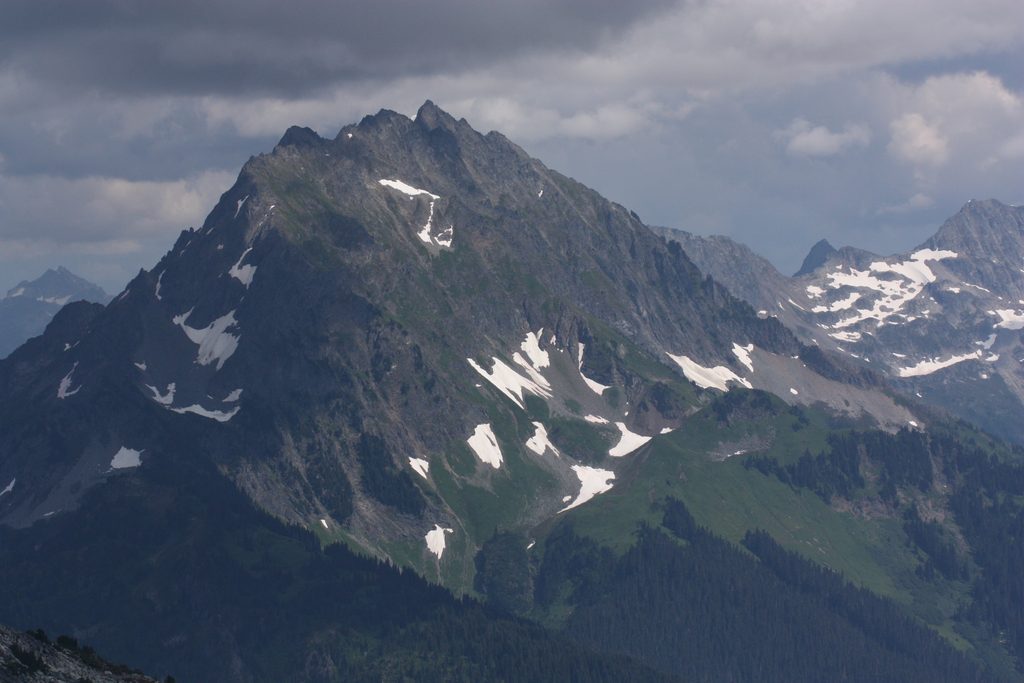
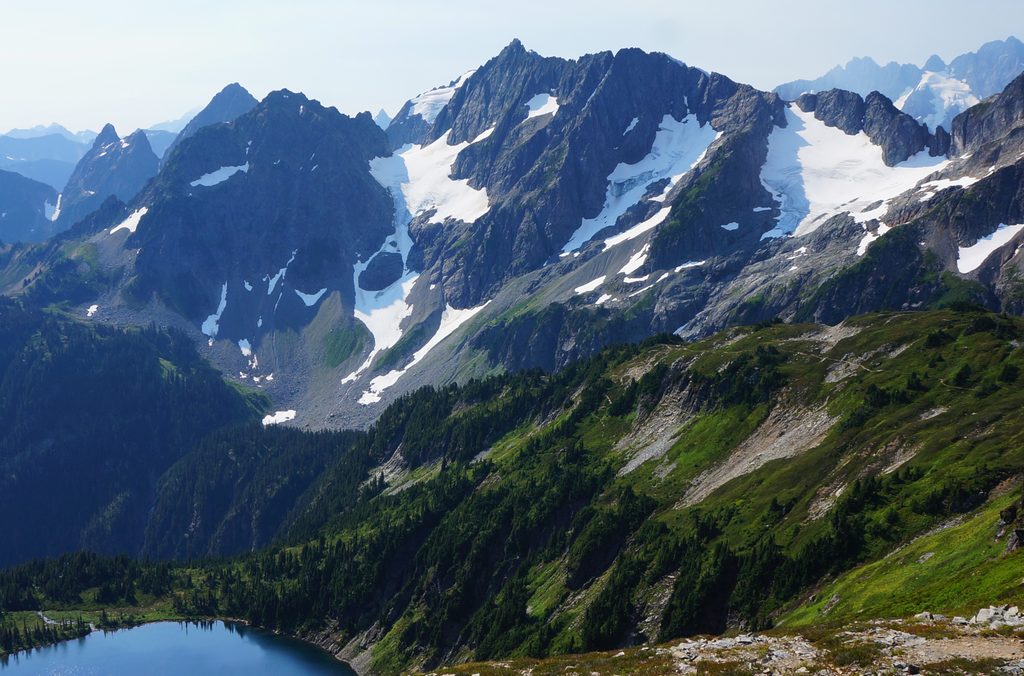
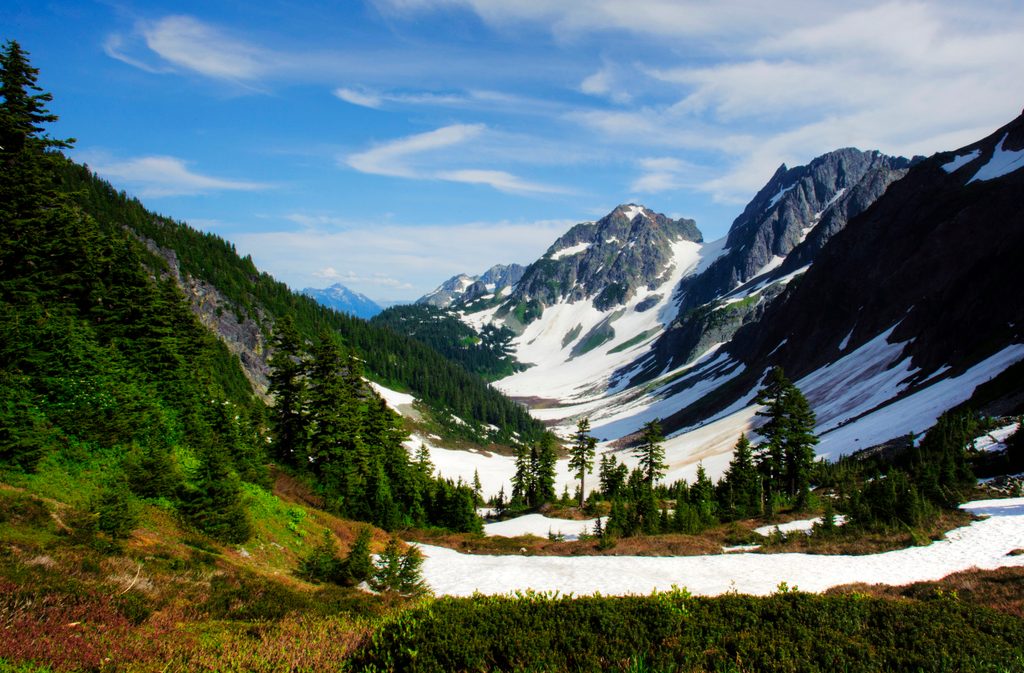
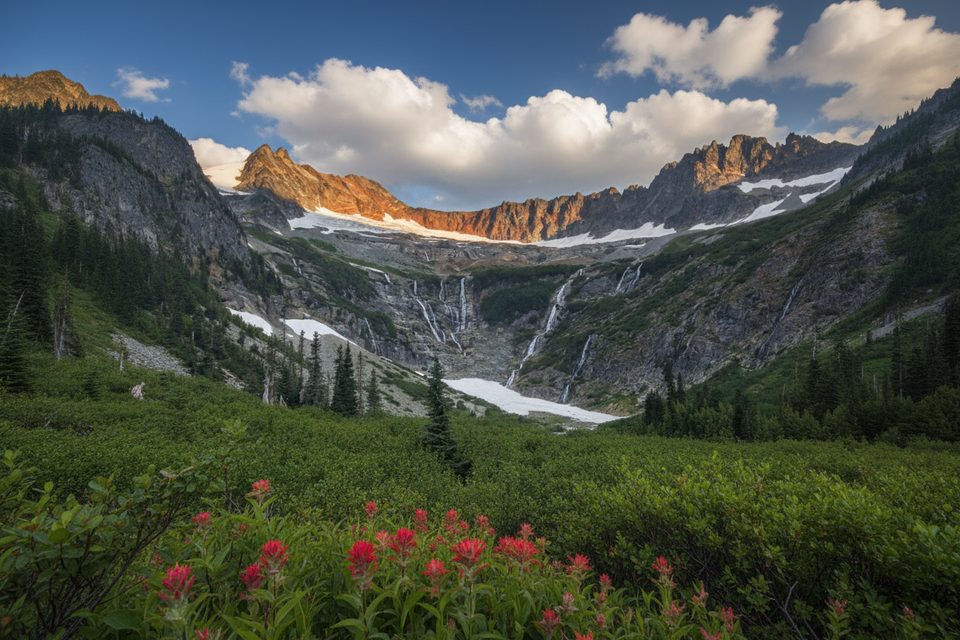
Cascade Pass is the classic payoff hike: about 30 mellow switchbacks through forest lead to a wide-open saddle with head-spinning views to Johannesburg, Eldorado, Magic, Mixup, and the Cache Glacier. It’s the rare spot where effort-to-view ratio feels almost unfair.

Route and What You’ll See

  • To the pass: 3.7 miles one way and roughly 1,700 ft of gain on a well-graded trail. Expect switchbacks, heather meadows, and an airy traverse across open slopes before the pass.
  • Beyond the pass: Continue up Sahale Arm toward Sahale Glacier Camp for true high-alpine drama (total 5.9 miles one way, ~3,940 ft gain, strenuous). Or head east toward Horseshoe Basin and the trail to Stehekin. The pass itself is the sweet spot for most day hikers; push higher only if you’re ready for steeper grades, loose scree, and exposure.

Wildlife

This area reliably delivers: marmots whistling right off the trail, busy pikas in the rocks, and mountain goats wandering the meadows. Black bears are occasionally seen near the pass and along Sahale Arm. Keep distance, secure your food, and ignore the bold chipmunks—don’t feed them.

Access, Parking, and Facilities

Drive Cascade River Road 23.1 miles from SR 20 at Marblemount. It’s paved for the first third, then turns to gravel with some narrow, one-lane stretches and washboarding near the end. A circular trailhead lot sits at road’s end and fills early on summer weekends. Vault toilets are available; there’s no potable water—bring all you need.

Seasonal Conditions and Regulations

  • Early summer can mean lingering steep snow; an ice axe may be necessary until melt-out progresses. Always check current conditions with the park.
  • No camping at the pass. Backcountry permits are required for nearby sites like Pelton Basin and Sahale Glacier.
  • Pets are not allowed on this trail.

Extensions and Turnaround Ideas

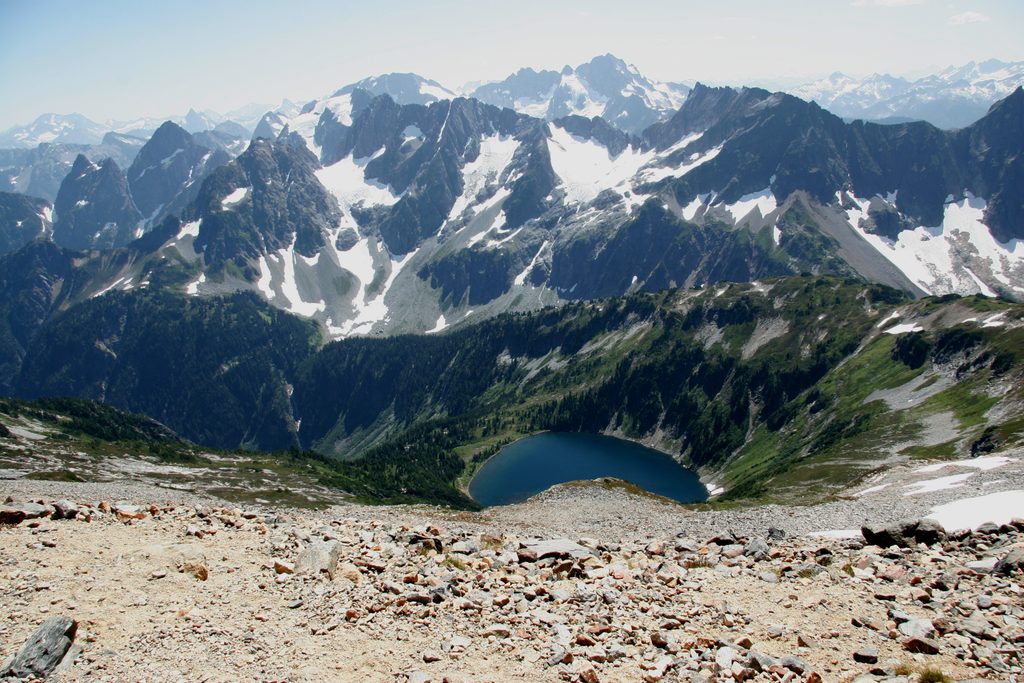
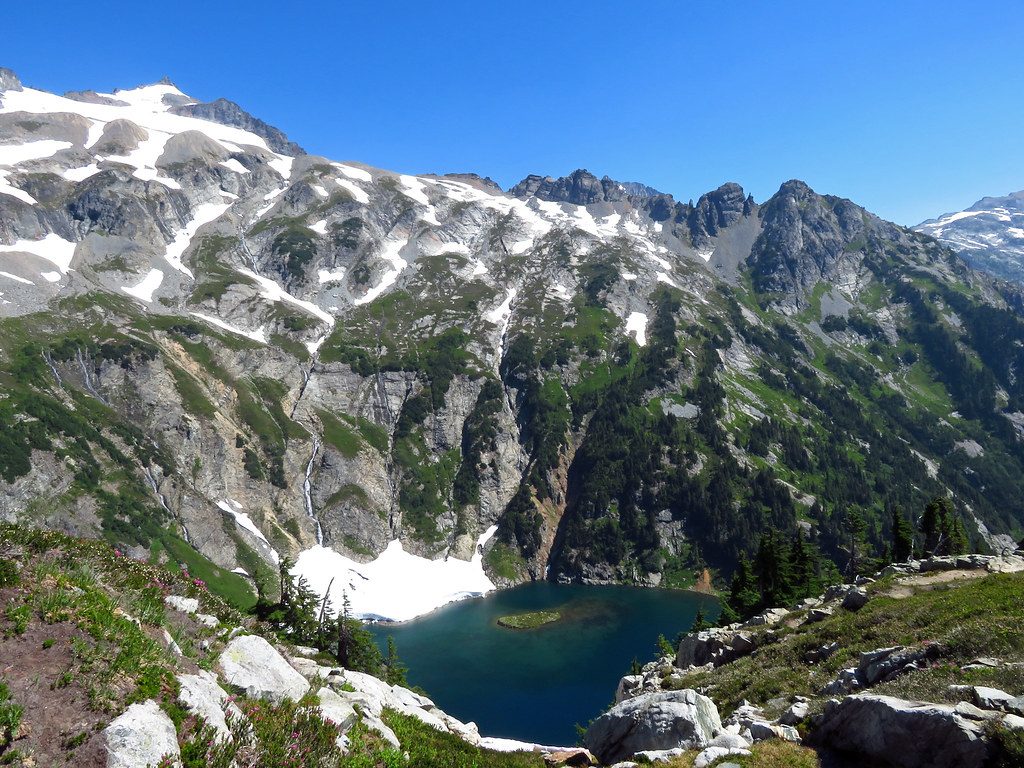
If you want a bigger day, Sahale Arm is jaw-dropping but notably steeper and more exposed. If you’d like to keep it moderate, the level meadows above Doubtful Lake offer a stellar turnaround with huge scenery and fewer crowds than the very top.

Best Time to Visit

  • Timing: Start at or before sunrise on summer weekends for parking, cooler temps, and quiet trails. Midweek sees lighter traffic.
  • Season: The road and trailhead typically open by late June (sometimes early July in big snow years). Late July–September usually offers the most reliable snow-free travel.
  • Photography: Morning light hits the big faces across the valley; afternoons can bring wind at the pass and occasional fog that may lift later—patience pays.

What to Pack

Layers for wind and cold at the pass, plenty of water (no sources at the trailhead), sun protection, and trekking poles for the long descent and any loose sections if you continue up Sahale Arm.

Pros

  • Expansive alpine views of glaciers and big-name peaks
  • Regular sightings of marmots, pikas, and mountain goats
  • Easy-to-extend day with options up Sahale Arm or toward Horseshoe Basin

Cons

  • Parking fills early and summer weekends get crowded
  • Gravel access road has narrow, washboarded sections near the end
  • Lingering early-season snow can require traction or an ice axe into July

Tips

  • Arrive before sunrise on summer weekends to secure a parking spot and quieter trails.
  • Bring all your water—there’s no potable water at the trailhead.
  • Pack layers; it’s often windy and cold at the pass even when warm in the forest.
  • Use trekking poles for the long switchback descent and scree if continuing up Sahale Arm.
  • In early season, check park conditions; lingering snow can require an ice axe into July.
The Parkwolf tour guide sitting on a phone mounted in a car

Parkwolf Tour Guide

Like a tour guide in your car.

Save the places you found around North Cascades, then let Parkwolf guide the drive between them.Download Parkwolf on the App Store