
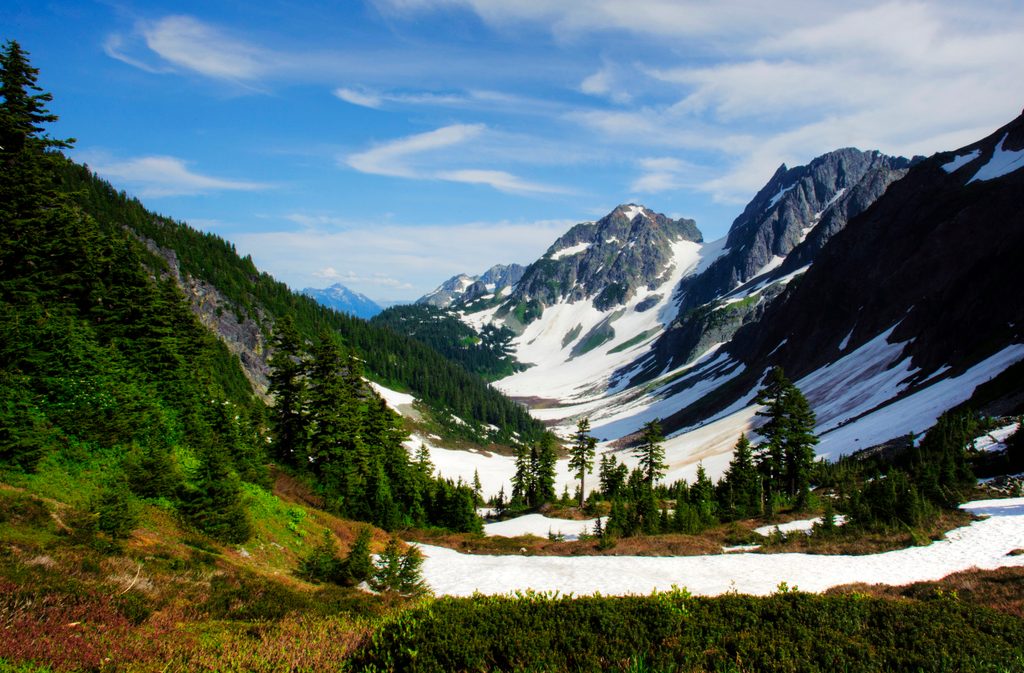
Place · 1.5 mi away
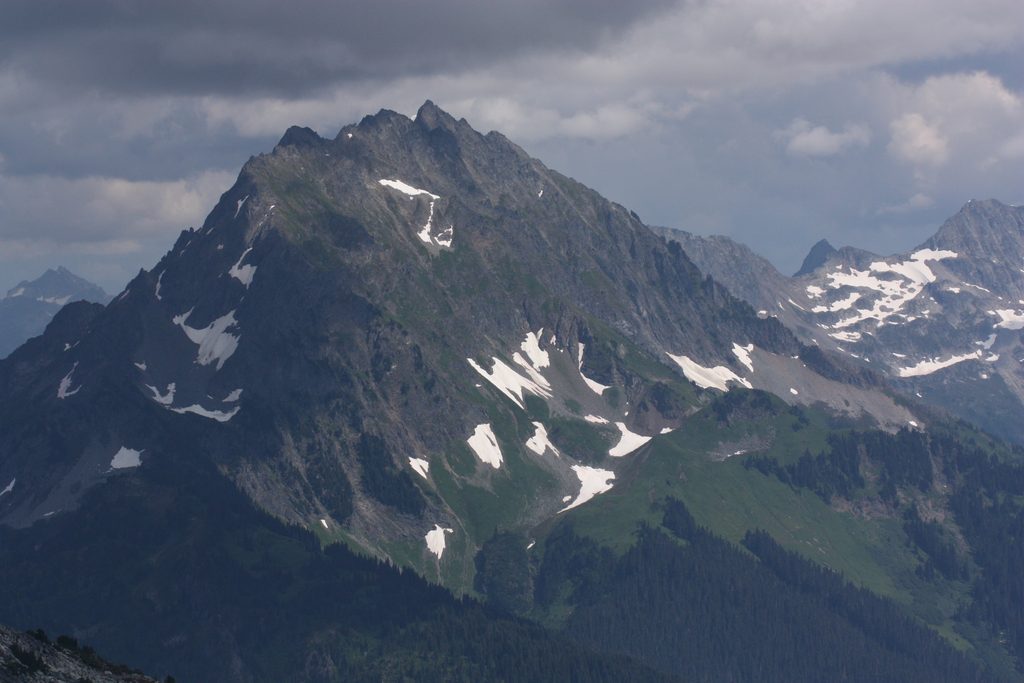
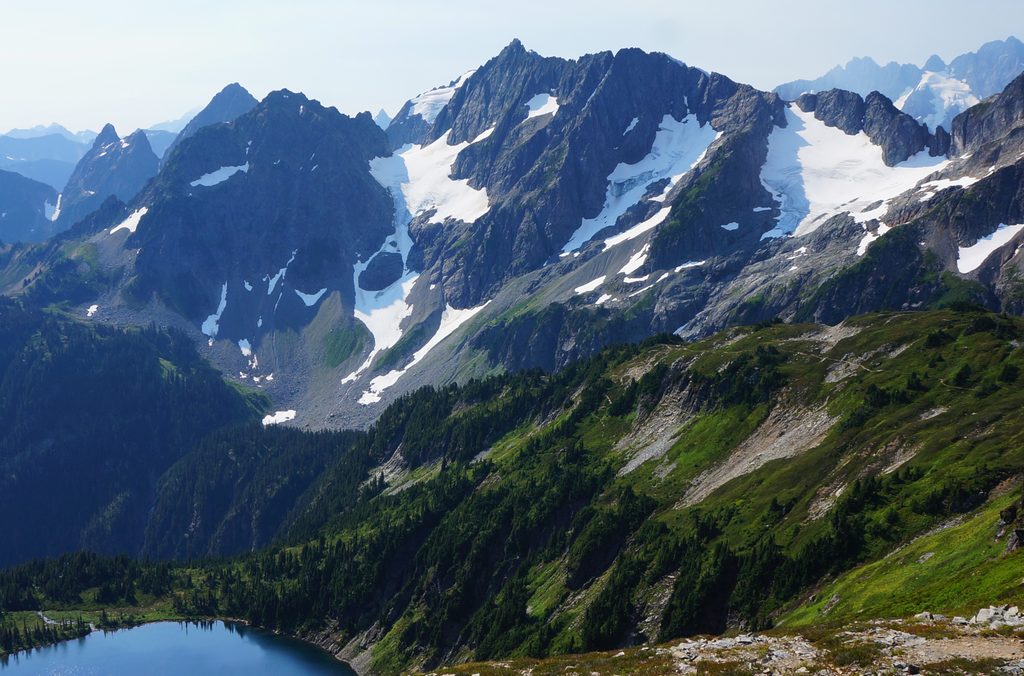
Johannesburg Mountain (about 8,200 feet) dominates the Cascade Pass skyline with craggy faces and massive relief. It’s notorious—in a good way—among Washington climbers: committing, loose in places, and stunning from start to finish. If you’re after a casual stroll, this isn’t it. If you want a serious alpine objective with big views, you’ve found it.
Most parties target the East Ridge/East Face from C‑J Col or the Northeast Rib. Expect exposed scrambling (Class 3–4 with spots of low 5th), sections of very loose rock and dirt, and frequent route‑finding puzzles. The East Face often goes as mostly Class 3 with a short crux that many choose to rappel on descent. False summits are a thing here—save some focus for the final ridge to the true top. Climbers commonly carry a light rope and rappel kit; helmets are non‑negotiable.
Nearly everyone starts from the Cascade Pass trailhead at the end of Cascade River Road (about 22 miles from Marblemount). Popular lines to C‑J Col include Doug’s Direct and Gunsight Notch, both involving heather/scree traverses, steep gullies, snow or glacier crossings, and a key notch on Mixup’s north ridge. The more direct Cascade–Johannesburg Couloir begins near a hairpin pullout below the trailhead, but comes with significant objective rock and icefall hazards. In late season, expect patches of firm snow or “dry glacier” travel; traction and an axe are often prudent.
At the Cascade Pass trailhead you’ll find a busy parking lot and a pit toilet (no potable water; bring your own or plan to filter lower on the road). A Northwest Forest Pass is required to park in the main lot. An alternate “hairpin” pullout roughly 300 meters before the lot typically does not require a pass and is also used by parties aiming for the C‑J Couloir. A small walk‑in “Johannesburg Camp” sits just a few minutes from the parking area—basic sites, no water.
For overnight trips within the park (e.g., Johannesburg Cross‑Country Zone), free backcountry permits are required and obtained at the Marblemount Wilderness Information Center. Camp only on durable surfaces (rock/snow) or established sites; no campfires. Cross‑country camping must meet distance setbacks from trails, designated camps, and water. Some bivy options just south of C‑J Col lie outside park boundaries and may not require a wilderness permit; verify your exact camp location against the boundary before you go.
Prime season is typically June through September. Shoulder‑season ascents happen in good weather windows, but expect shorter days, colder nights, and variable snow/ice coverage. Cascade River Road is often gated near mile 19 in winter, adding a long approach. In late season, plan to melt snow at C‑J Col and bring sufficient stove fuel; flowing water can be scarce near high camps.
From the summit and high ridges, you’ll get sweeping, panoramic views—especially toward the north—over a sea of jagged North Cascades peaks and glaciers. It’s big terrain with a front‑row seat to the range’s ruggedness.
For climbing, aim for stable summer high‑pressure windows, ideally midweek to ease parking pressure at Cascade Pass. Start early (pre‑dawn for long itineraries) to manage daylight and to tackle route‑finding in good light. Morning and late‑day light make the relief around Cascade Pass particularly photogenic.
Johannesburg is a serious undertaking. Parties should be comfortable on steep, loose terrain, prepared to adjust lines to manage objective hazards, and ready to rappel deteriorating anchors if needed. Helmets, careful timing, and conservative judgment go a long way here.
Place · 1.5 mi away
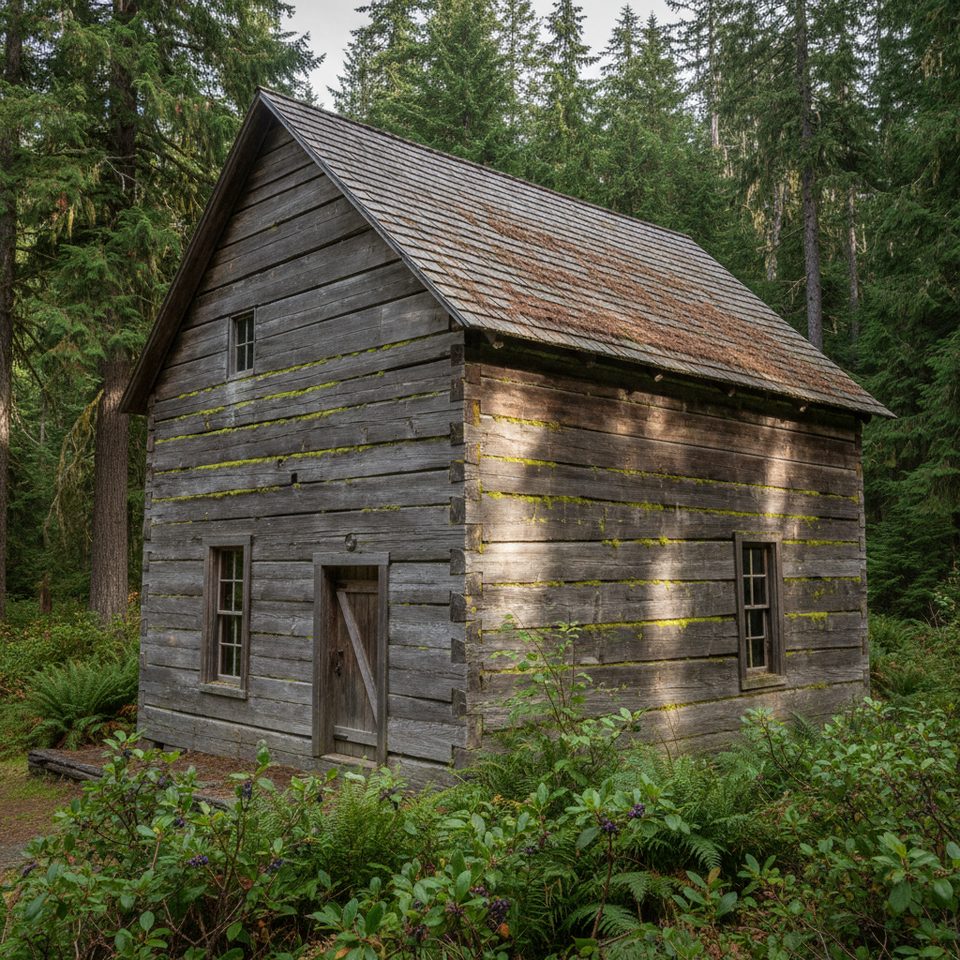
Place · 1.8 mi away

Place · 2.1 mi away
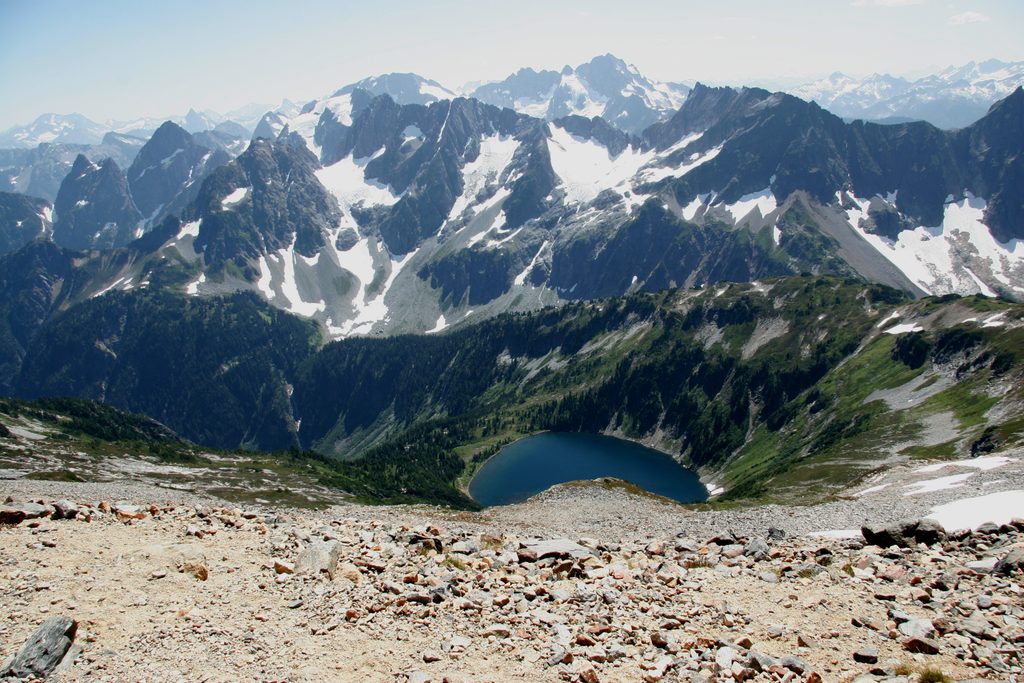
Place · 2.5 mi away
Challenging · 1.1 mi away
Moderate · 1.1 mi away
Challenging · 1.1 mi away
Challenging · 1.1 mi away

Parkwolf Tour Guide
