
Place · 2.9 mi away
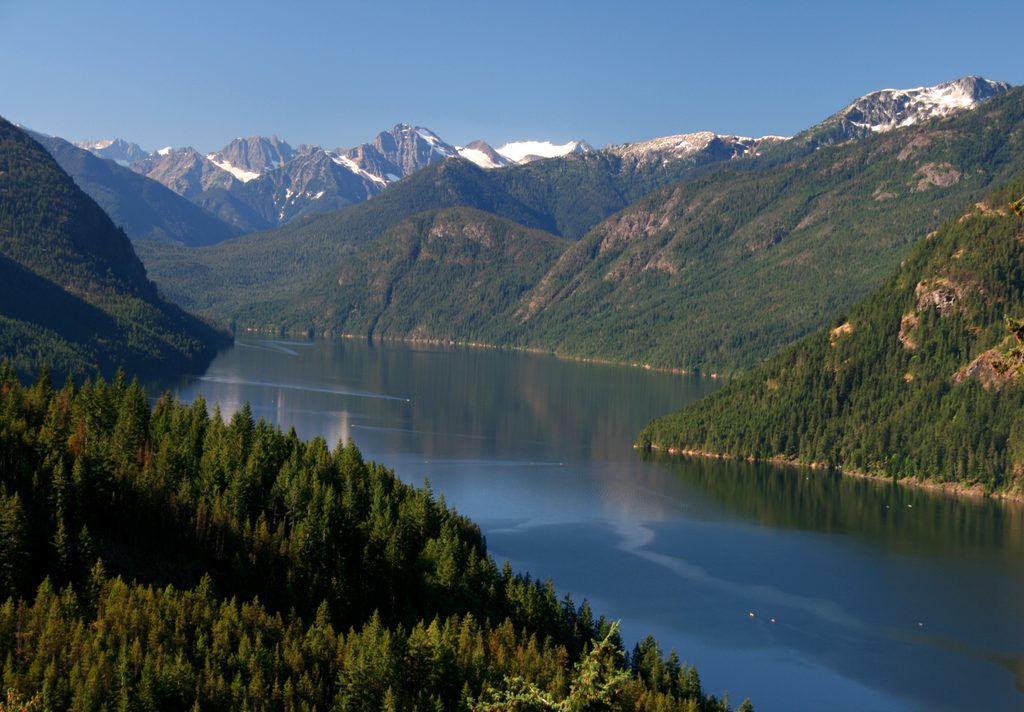
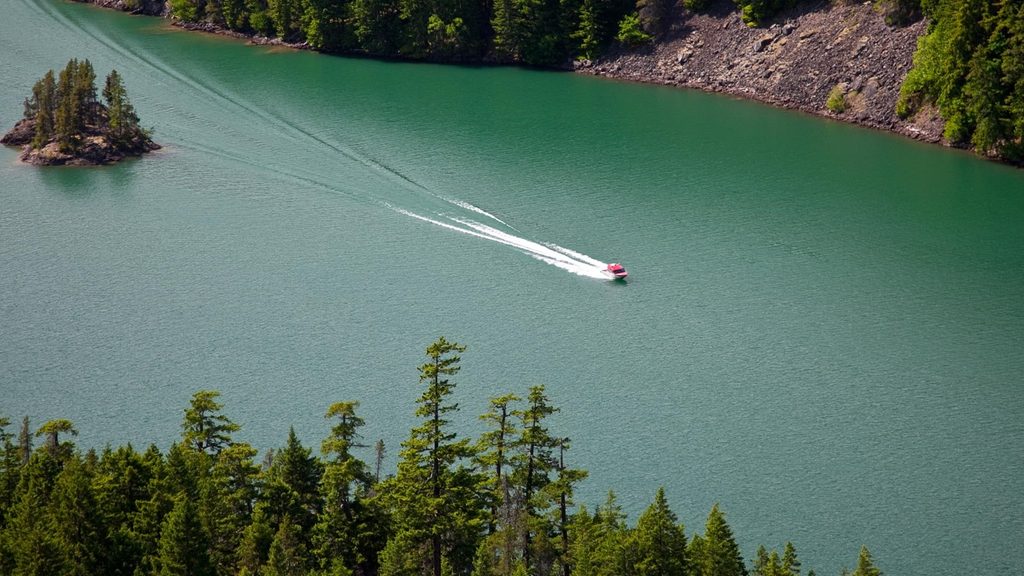
Ross Lake is the big-water centerpiece of the Ross Lake National Recreation Area, a long, fjord-like reservoir framed by steep Cascades peaks. It’s made for boat-in camping, quiet morning paddles, and ambitious side trips from shoreline camps. If you’re up for a bit of logistics, you’re rewarded with an experience that feels far more remote than a drive-up lake.
From the south, there’s no direct road to the lake. Most paddlers launch on Diablo Lake, then portage around Ross Dam via roughly a mile of gravel road with switchbacks (about 520 ft of gain and 120 ft of loss). During the main season, the on-lake resort can portage portable craft and run water taxis to camps and trailheads.
Northern road access via Hozomeen has historically been possible, but the Hozomeen gate is currently closed to vehicle and foot traffic, so that route isn’t available. Plan on the Diablo–Ross approach and build extra time into your day.
Engine rules are enforced: only four-stroke, direct-injection two-stroke, or equivalent tech is allowed on lake waters. Carry required safety gear (PFDs, lights, a bailing device, and oars/paddle) and follow all state and federal boating laws.
There are 19 designated boat-in camp areas (58 total sites). Expect tent pads, picnic tables, vault toilets, fire rings, and bear-resistant food boxes; some locations also have docks. A free backcountry permit is required year-round for any overnight stay. Use the provided lockers and practice strict food storage—bears, cougars, and deer can and do swim to islands. Fires are allowed only in established rings when regulations permit; use driftwood, never cut standing trees, and pack out all trash. Note that wood gathering is prohibited on Cat, Cougar, and Ten Mile Islands.
Mornings are often calm, while breezy southerlies commonly build from afternoon into early evening—paddle early, keep mileage conservative, and favor the east shore where landings are more frequent. The water is cold even in summer (often 50°F or colder). Dress and plan for immersion, and bring rain gear and extra food so you can wait out wind. Treat all drinking water. Watch for floating logs, submerged snags, and shallows, especially when the lake isn’t at full pool.
The lake typically reaches full pool July–September; outside that window, docks and ramps can be high and dry. The on-lake resort generally operates early June through October and offers motorboat, canoe, and kayak rentals, a water taxi to camps and trailheads, and Diablo–Ross portage services. There’s a small shop with souvenirs, snacks, and canned drinks, but no restaurant—bring your groceries and ice. Expect no cell service anywhere on the lake. Check current fire restrictions; in recent seasons, fire bans have been implemented during dry periods.
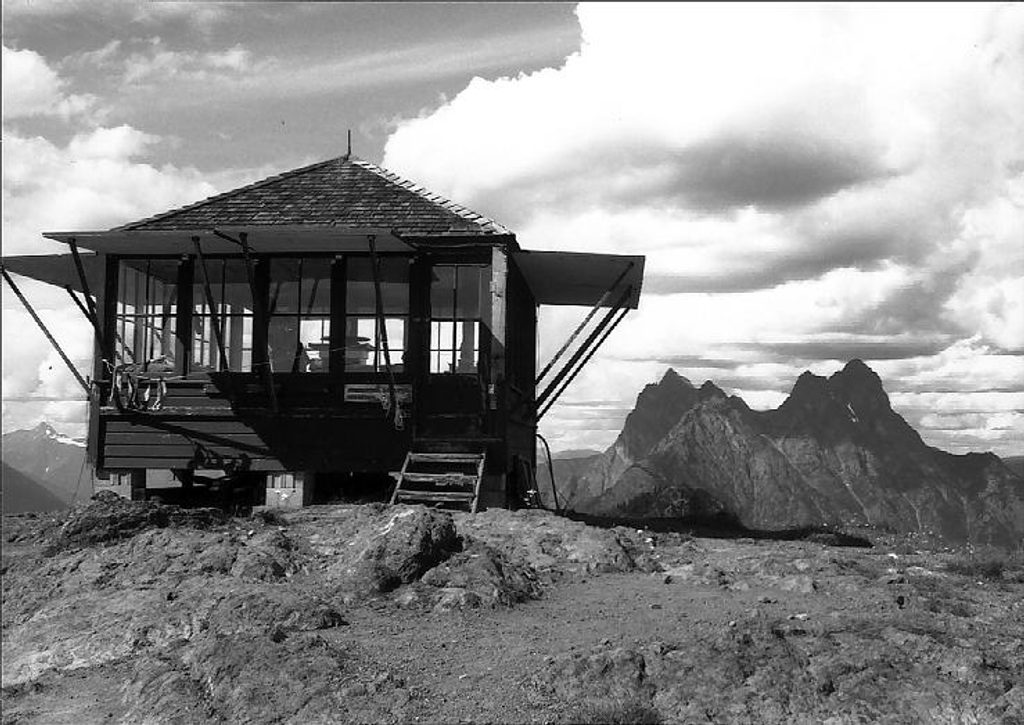
If you want to stretch your legs, Desolation Peak Lookout is a classic, strenuous climb from the lake with sweeping views. Many camps connect to shoreline trails, so it’s easy to build in day hikes on a layover day.
Aim for July–September for full water levels and the greatest number of usable docks. Plan paddling and crossings for early morning when winds are light, and save scenic shoreline poking for the breezier afternoons. State Route 20 often closes in winter, which limits regional access; this is a summer-to-fall destination.
Place · 2.9 mi away
Place · 6.9 mi away
Place · 7.6 mi away
Place · 7.7 mi away
Challenging · 8.4 mi away
Easy · 10.1 mi away
Moderate · 10.2 mi away
Moderate · 11.2 mi away

Parkwolf Tour Guide
