Overview
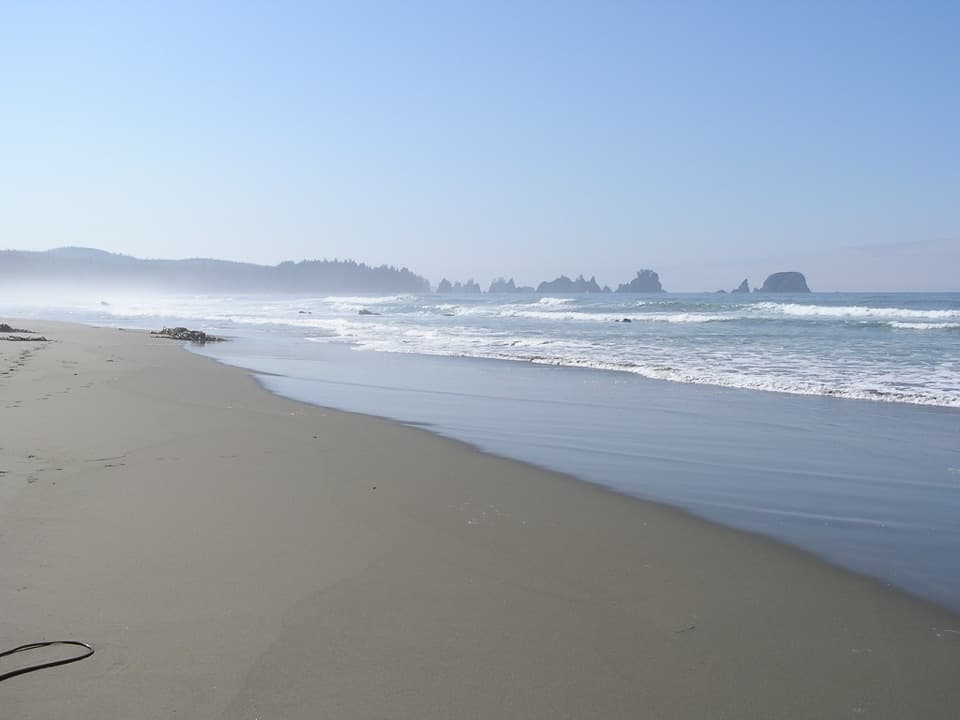
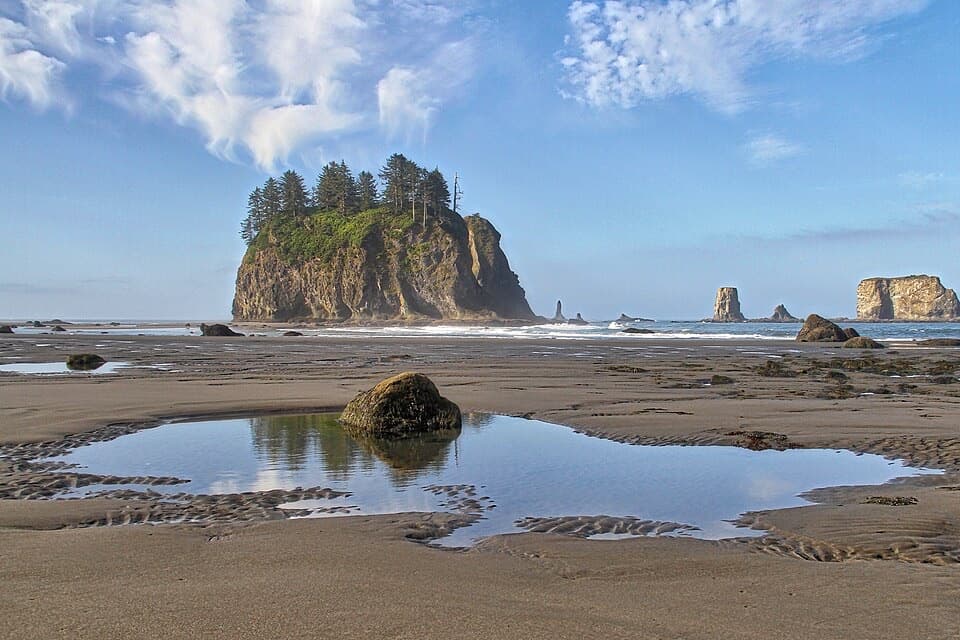
At the south end of Shi Shi Beach, Point of Arches is a labyrinth of sea stacks, natural arches, and tide pools that feels otherworldly. It’s a wilderness beach, not a developed day-use spot, reached by an 8.8‑mile round-trip hike that keeps it wild and quiet compared to roadside beaches.
What You’ll See
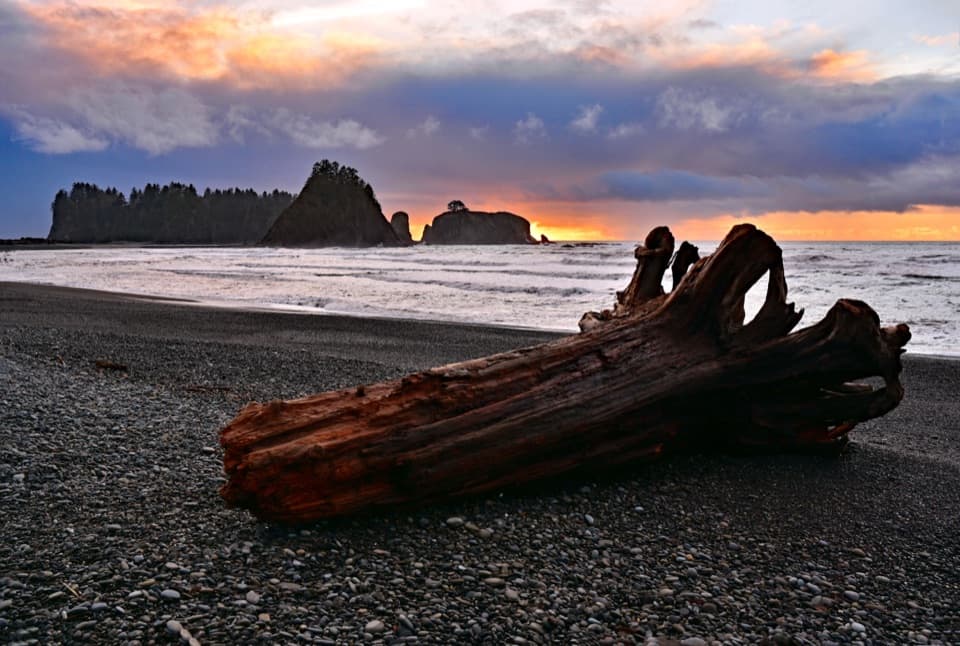
- Dozens of jagged sea stacks and arches rising from the surf, with fog often adding drama.
- Rich tide pools at low tide—expect colorful anemones, starfish, urchins, and crabs.
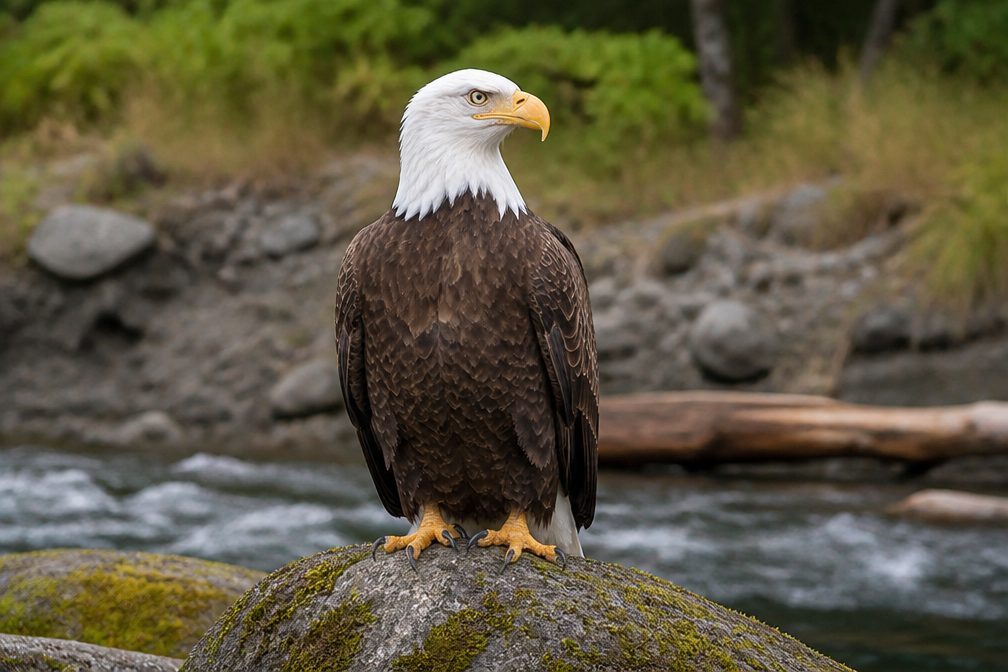
- Frequent wildlife sightings: seabirds and bald eagles overhead; seals or sea lions offshore; occasional otters along the coast.
- Big beach scenery: driftwood tangles, kelp wrack, and long, sandy stretches framed by rugged coastal forest.
Getting There & Logistics
- Access is via the Shi Shi Beach trail across the Makah Reservation, then a beach walk south to the Point.
- The trail is notoriously muddy—plan footwear accordingly—and includes creek crossings that can be trickier after rain.
- A Makah Recreation Permit is required for parking; pick it up in Neah Bay.
- Overnight parking isn’t allowed at the trailhead; paid parking is available about 0.6 miles back down the access road.
- Beach camping is allowed with an Olympic National Park wilderness permit, and approved bear canisters are required for all food and scented items along this coast.
Tides, Safety, and How to Explore
Time your visit for low tide—this is when the tide pools shine and when you can safely weave among the stacks. High tide can force you into clambering over large drift logs (dangerous when slick or in surf). Carry a tide chart, watch your timing if you venture beyond the Point, and don’t get trapped by a rising tide.
Why It’s Special
Plenty of Washington beaches are striking; this one’s on another level. Walking among the formations is the magic—don’t just view them from afar. Sunset here can be phenomenal, with sea stacks glowing while the surf threads through arches.
Geology & Cultural Context
The stacks and arches are tough, ancient volcanic rock, carved relentlessly by Pacific surf and uplifted along marine terraces. The broader coastline has deep roots with the Makah people, whose presence here stretches back thousands of years.
Best Time to Visit
- Low tide is non-negotiable for tide‑pooling and close exploration.
- Golden hour into sunset offers the best light on the stacks.
- Summer sees more campers; weekdays are calmer. After heavy rain, expect extra mud and higher creek flows.