
Place · 6.1 mi away
Challenging
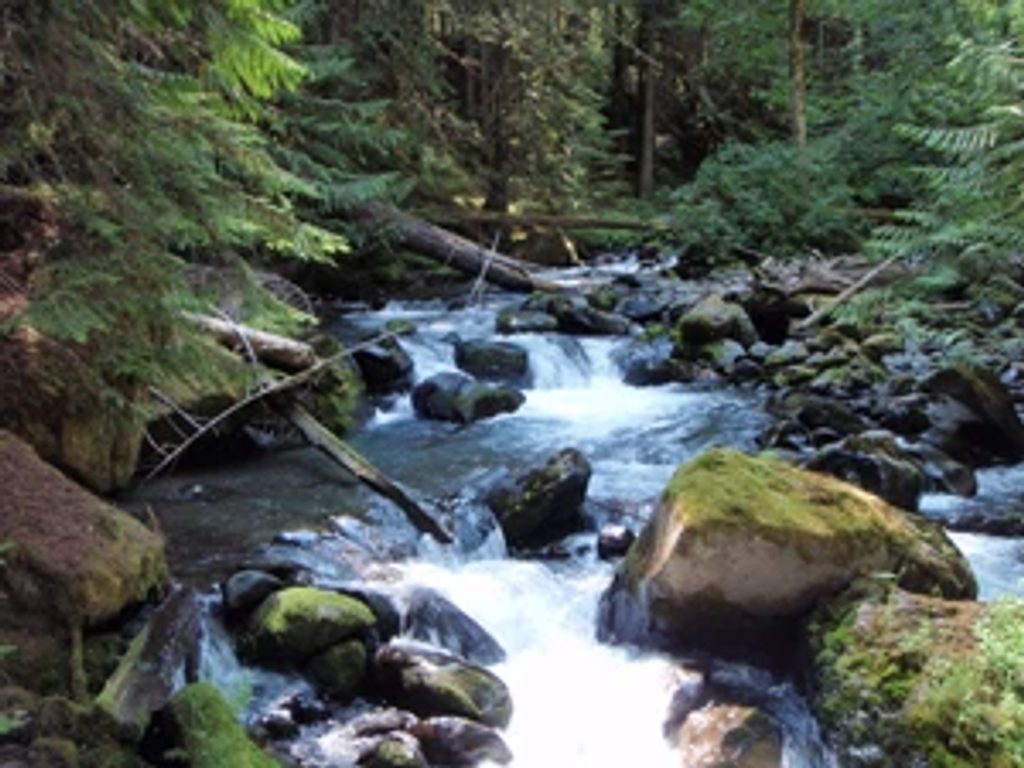
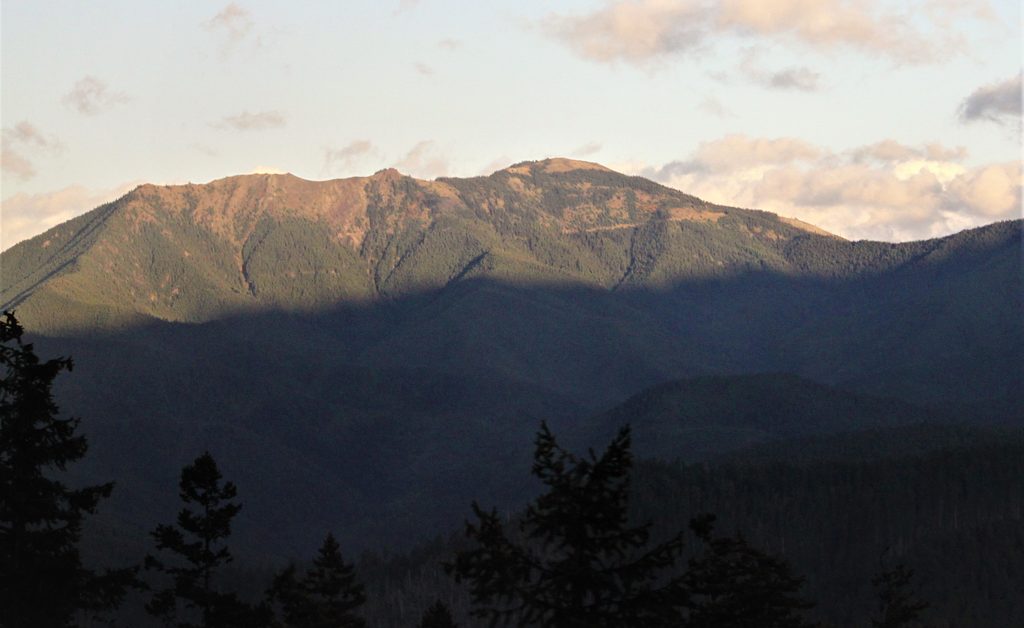
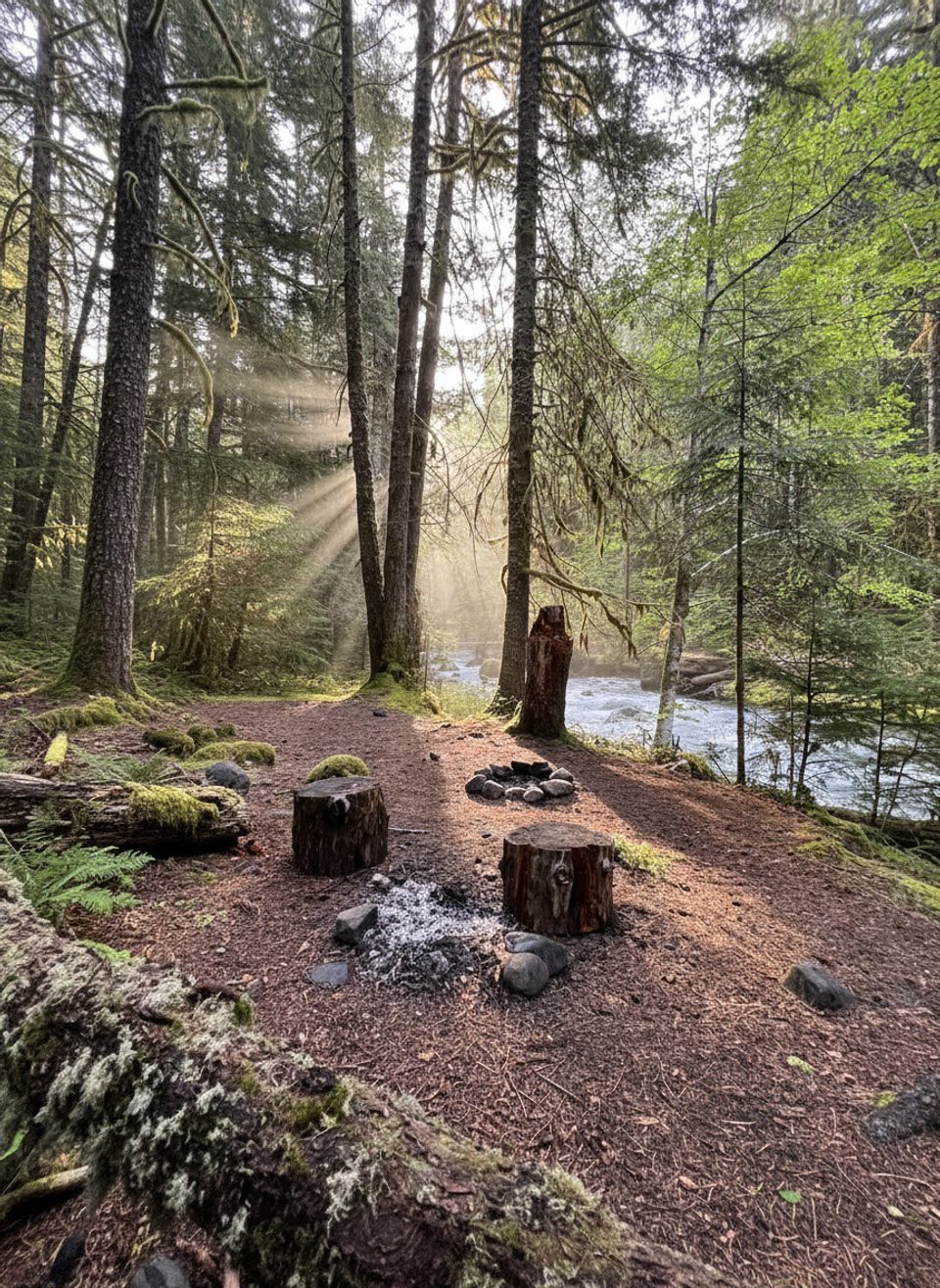
If you want a quieter Olympic valley with the sound of a rushing river and a real sense of remoteness, the Upper Gray Wolf River corridor delivers. Thanks to a long‑standing bridge washout, you now reach the Upper Gray Wolf (inside the park) by starting on the Slab Camp Trail, dropping to the Gray Wolf River, and continuing past the Olympic National Park boundary into the Upper Gray Wolf Trail. Expect deep, shady forests of hardwoods and conifers, moss-draped everything, frequent river views, and a hush that’s hard to find elsewhere in the park.
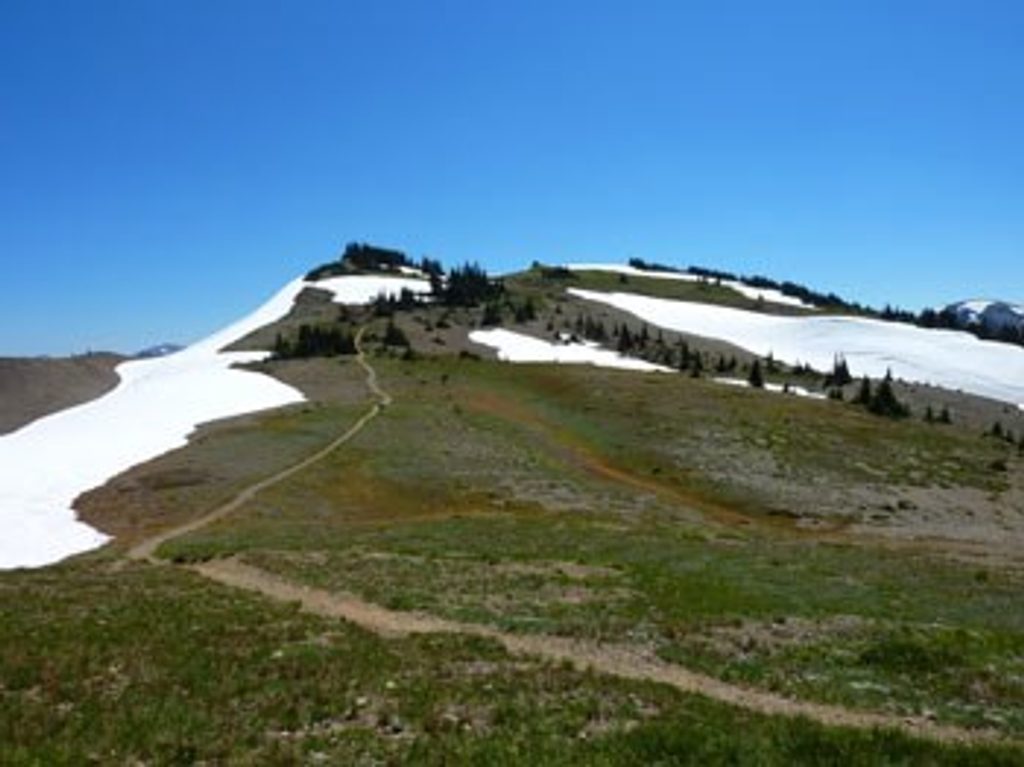
There isn’t one “official” day-hike distance for the Upper Gray Wolf—this is a choose‑your‑turnaround kind of trail. Casual hikers often wander along the river from the Slab Camp junction toward (or just into) the park and head back. Backpackers use this corridor to push deep into the backcountry toward Gray Wolf Pass, a strenuous objective described as roughly 33.7 miles round-trip and decidedly challenging. Along the way the landscape shifts from old-growth valley to subalpine meadows with big high-country views. Water is plentiful from the river and side streams, but treat everything due to Giardia risk.
Wildlife-wise, keep an eye on the river for American dippers bobbing on rocks. In spring, native rhododendrons add pops of color, and the forest understory stays lush and mossy most of the year. Compared to flashier Olympic destinations, this one is all about immersion and solitude rather than big, instant payoffs.
Best time to hike: For the upper trail and any push toward the pass, plan for early July through October—snow lingers late and most of the upper corridor is snowbound in winter. Day-hiking lower stretches near the park boundary can be pleasant shoulder-season outings, but expect mud after rains and possible snow or ice mid-winter. Weekdays see very light traffic.
Regulations and logistics: Dogs are allowed on leash to the park boundary, but they cannot continue into Olympic National Park. Day hiking inside the park doesn’t require a permit, but overnight trips do require an ONP wilderness permit. If you’re heading into subalpine areas, bear canisters are required for food storage, and campfires are not allowed above 3,500 feet. A Northwest Forest Pass is required to park at the trailhead used to access this corridor. The access road to Slab Camp is not maintained in winter—plan accordingly.
Tips: Waterproof boots are your friend—mud and wet tread are common. This corridor is remote; check recent conditions, especially after storms, and expect blowdowns or minor obstacles. Treat all water. If your goal is a mellow river day with solitude, turn around well before committing to backcountry miles; if you’re chasing big views, plan a proper multi-day and target the high season.
Park at the Slab Camp Trailhead off Dungeness Road; a Northwest Forest Pass is required. The access road is not maintained in winter.
Upper access is only via Slab Camp due to a long-standing bridge washout. Dogs are not allowed past the park boundary. Most upper miles hold snow in winter. Treat all water, carry bear-resistant storage in subalpine zones, and note campfire bans above 3,500 feet.
Place · 6.1 mi away
Place · 6.3 mi away
Place · 6.5 mi away
Place · 6.6 mi away
Challenging · 3.1 mi away
Challenging · 3.1 mi away
Challenging · 5.9 mi away
Easy · 6.2 mi away

Parkwolf Tour Guide
