Overview
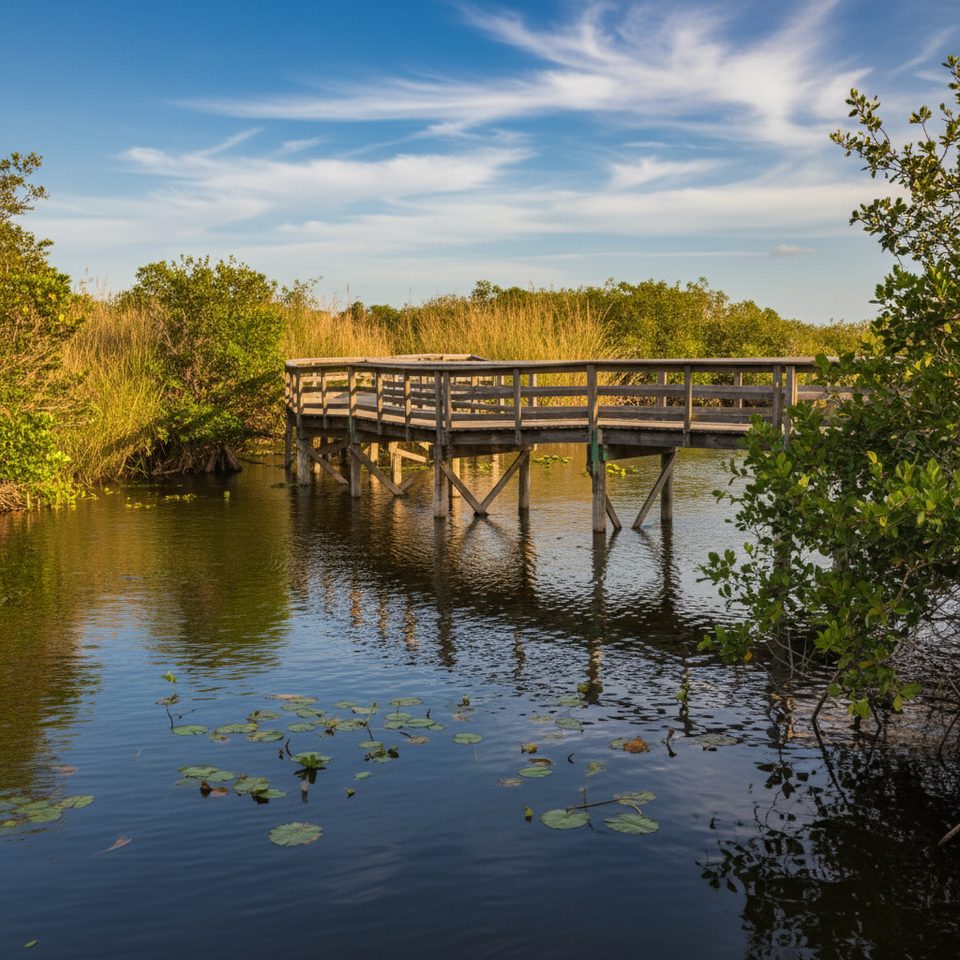
Think of this place as a watery wilderness: 95% of it is underwater. The mainland gateway is the Dante Fascell Visitor Center at Convoy Point in Homestead, where you get exhibits, bay views, and the short Jetty Trail for an easy stroll and sunset. Everything else that makes Biscayne special—coral reefs, shipwrecks, mangrove lagoons, island picnics—means getting on a boat.
What You'll Do
- Snorkel or dive offshore reefs and shipwrecks on ranger‑partnered tours.
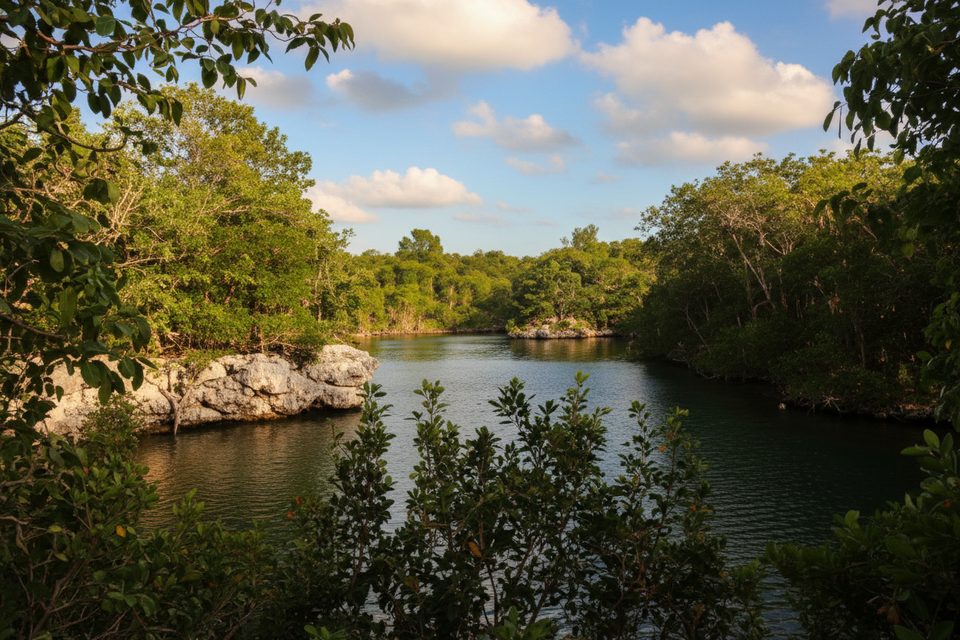
- Paddle calm mangrove shallows (Jones Lagoon is a favorite) by kayak or paddleboard.
- Cruise out to see the quirky, historic houses of Stiltsville.
- Island time on Boca Chita, Elliott, or Adams Key for picnicking, quick walks, and swimming.
- Camp on Elliott Key (larger, quieter) or Boca Chita (social on weekends).
The Islands at a Glance
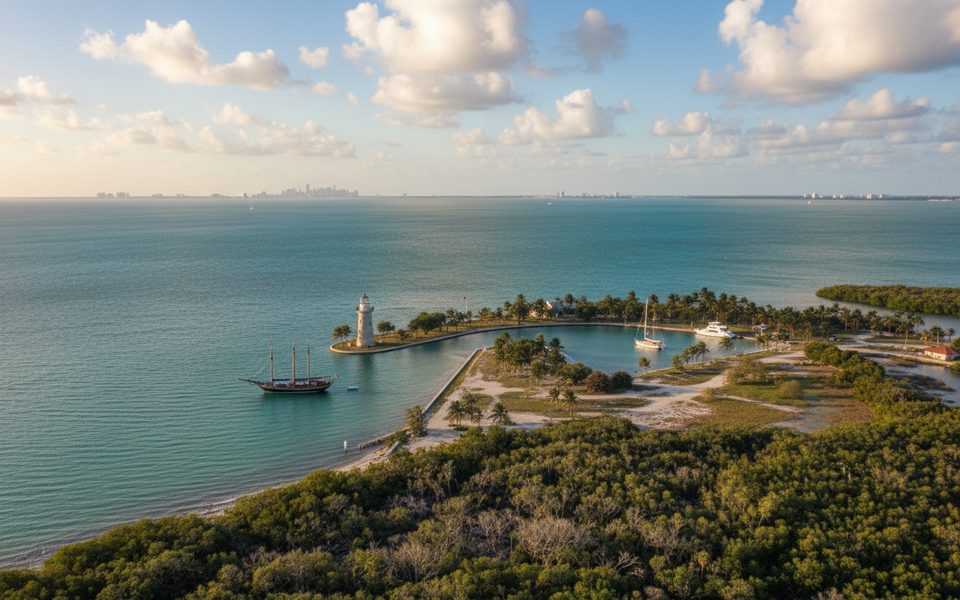
- Boca Chita Key: Palm‑fringed harbor, picnic tables, basic restrooms. The lighthouse is a looker, but its interior is closed for work; the island still makes a great day stop. Weekdays are calmer than weekends.
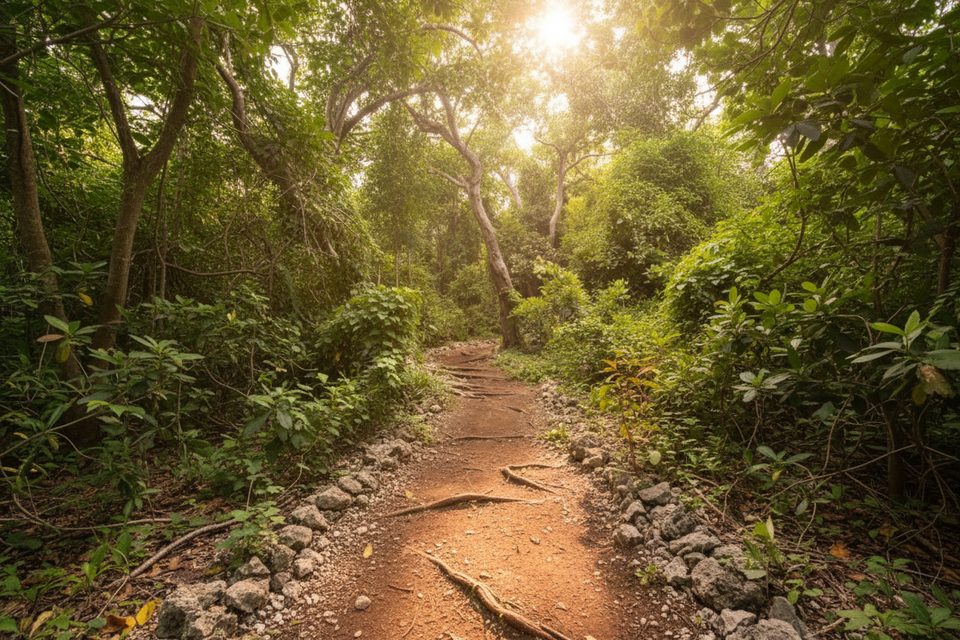
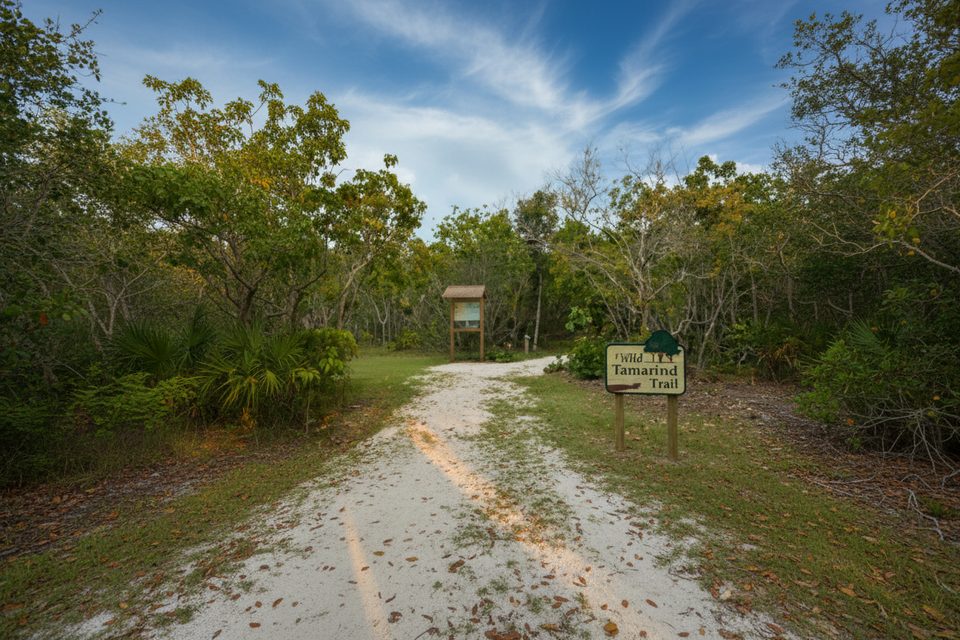
- Elliott Key: The park’s largest island, with a short hiking trail, picnic areas, a campground, and the rare luxury out here—running water and showers.
- Adams Key: Low‑key day‑use stop with restrooms, a few tables, and a pier.
Wildlife & Seascapes
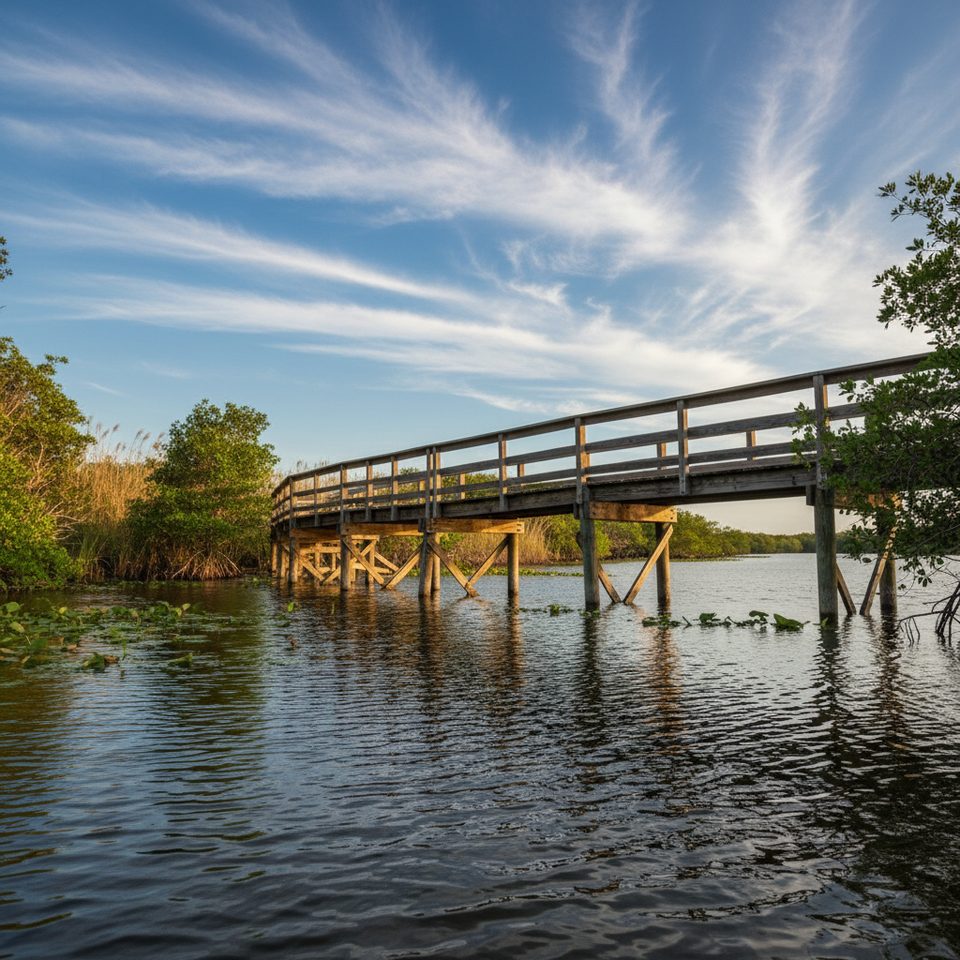
Expect tropical fish, rays, sponges, corals, and—if you’re lucky—dolphins and manatees. The mangroves are nurseries for countless species and great for birding (herons, pelicans, egrets). Winter often brings manatees close to shore; reefs shine when seas have been calm.
Logistics & Tours
There’s no drive‑up beach here and very little true from‑shore snorkeling; plan on a guided boat/snorkel or paddle tour from the visitor center. Cell service drops off once you’re offshore. Marina fees apply at Boca Chita and Elliott Key harbors (camping included), and those fees are typically waived May 1–September 30.
Best Time to Visit
- Season: Dry season (November–April) is prime—cooler temps, fewer bugs, and pleasant hiking and boating. Wet season (May–October) brings heat, humidity, and more insects, but the water’s warmer; early summer can deliver excellent snorkeling if seas are calm.
- Day of week: Weekends see heavy local boating; aim for weekdays for quieter islands.
- Time of day: Most tours leave in the morning when winds are often lighter; sunsets from Convoy Point’s jetty are lovely. The visitor center is generally open 9 am–5 pm.
Good to Know
- Bring plenty of water and sun/bug protection—there’s no potable water on Boca Chita, and shade is limited.
- If wind kicks up and reef visibility suffers, pivot to a mangrove paddle where conditions stay calmer.
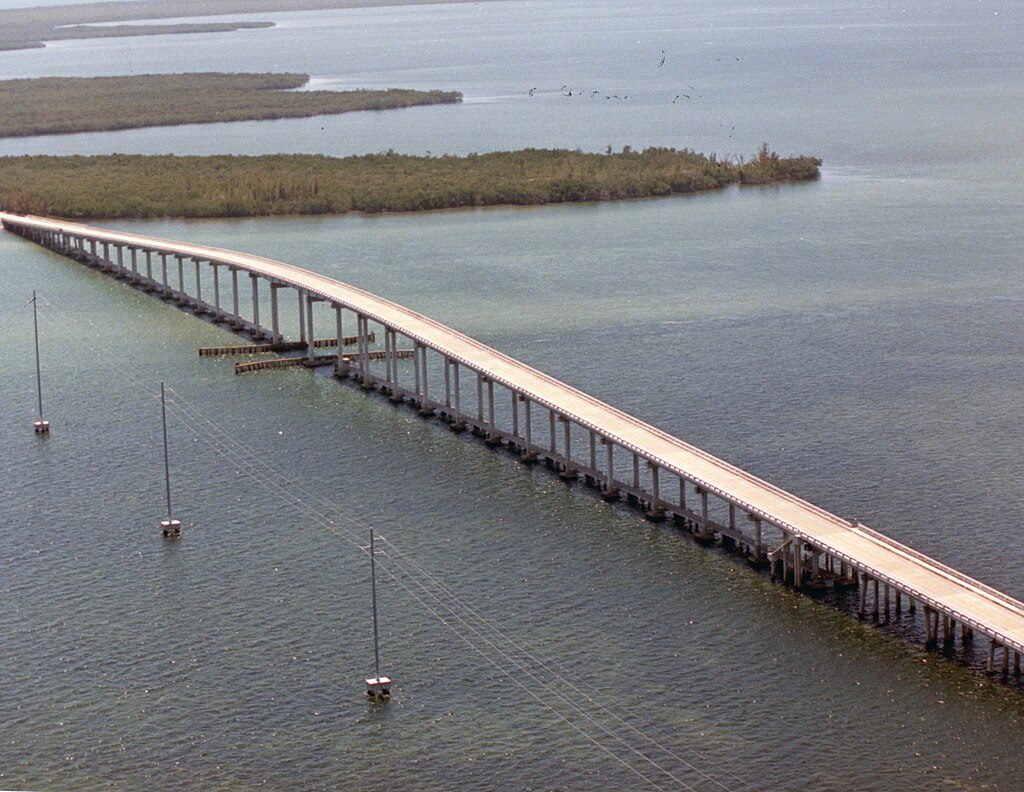
- The park sits north of Key Largo; it pairs well with an Overseas Highway trip, but access is from Homestead rather than directly off US‑1.