Place · 1.5 mi away

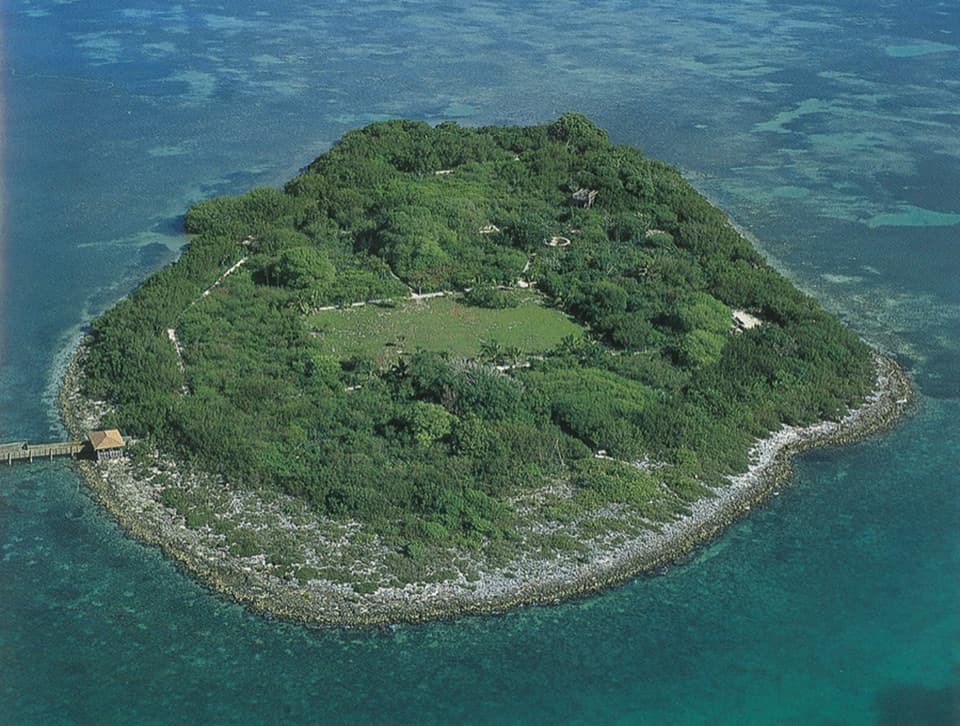
This is a quiet, boat‑only island where a virgin tropical hardwood hammock still feels wild and untouched. You come for the atmosphere as much as the sights: shady trails, a historic Keys home, and the sense you’ve stepped back in time. There’s a small per‑person entry fee, and the park runs on island hours—8 a.m. to 4 p.m., Thursday through Monday.
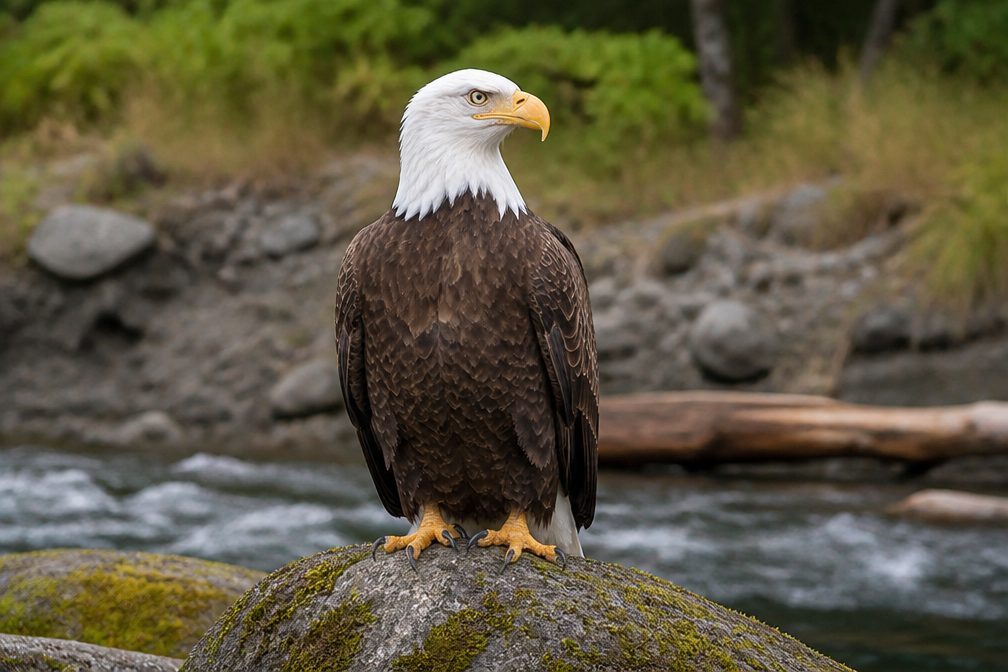
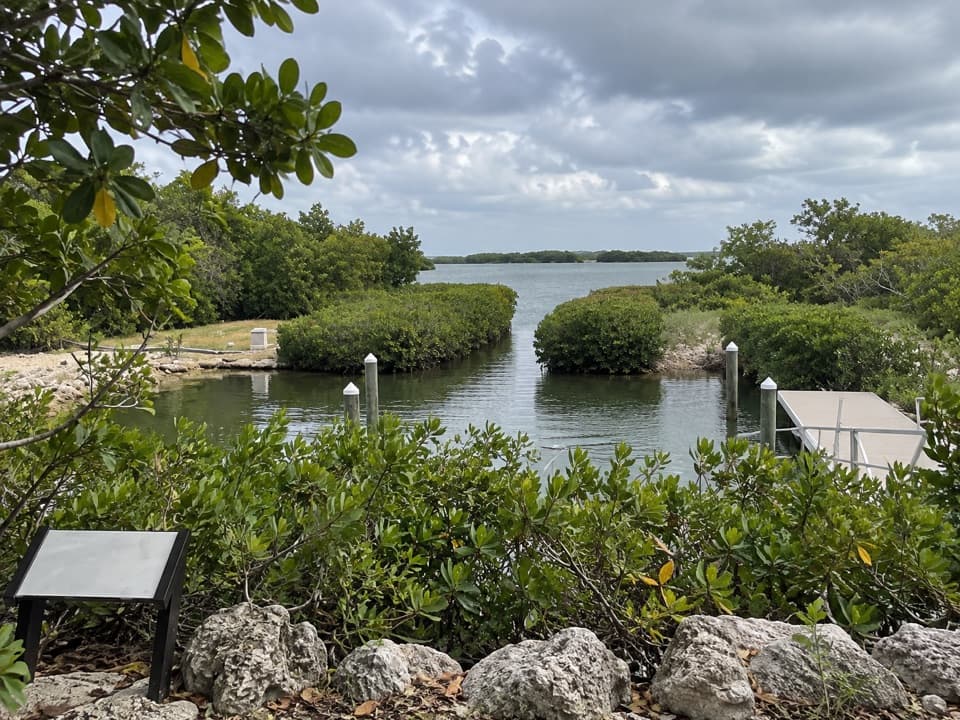
The centerpiece is the 1919 Matheson House, now the island’s visitor center, with a simple self‑guided look at how people lived out here. The hammock shelters lignum vitae, milkbark, and Florida boxwood. From the dock, watch for fish cruising the shallows—tarpon and other species often prowl the edges. Birders should keep an eye out for great white herons, ospreys, pelicans, egrets, and seasonal migrants.
Named for the dense, valuable lignum vitae tree, the island was once a private estate before becoming a state park in 1971. It sits atop ancient Key Largo Limestone—an elevated, domed patch reef from a time when sea levels were higher—so you get a rare bit of elevation for the Keys and a hammock that survived development. The surrounding waters were later protected as an aquatic preserve. The site is also recognized as a National Natural Landmark.
Access is only by water: paddle your own kayak or take a boat from Lower Matecumbe/Islamorada. A small ferry typically runs Friday–Sunday in the early afternoon; confirm current operations before you go. If you’re renting a kayak or skiff, Robbie’s Marina is the most common launch.
Ranger‑guided tours have been paused at times; expect a self‑guided brochure at the house. When operating (typically winter season), guided tours run at set times and may control trail access to protect the fragile hammock. Call ahead if walking the interior trails is essential to your visit.
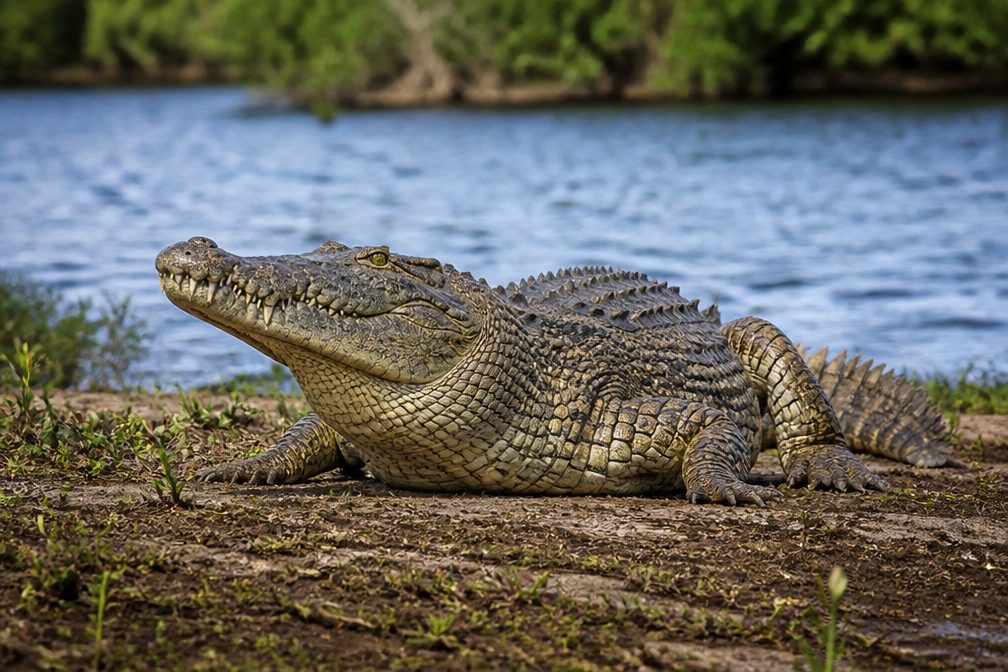
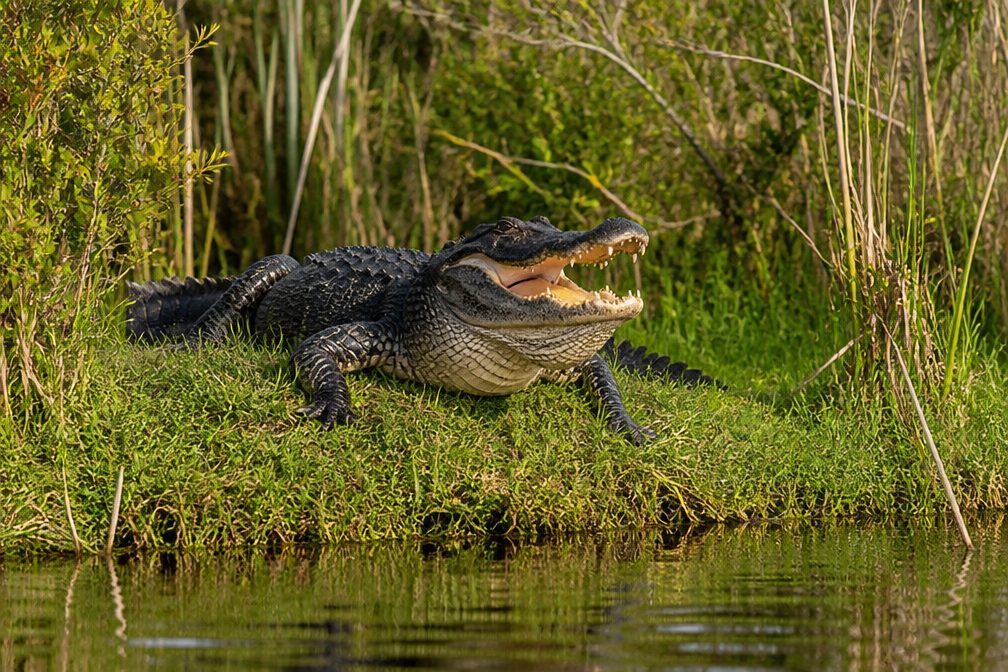
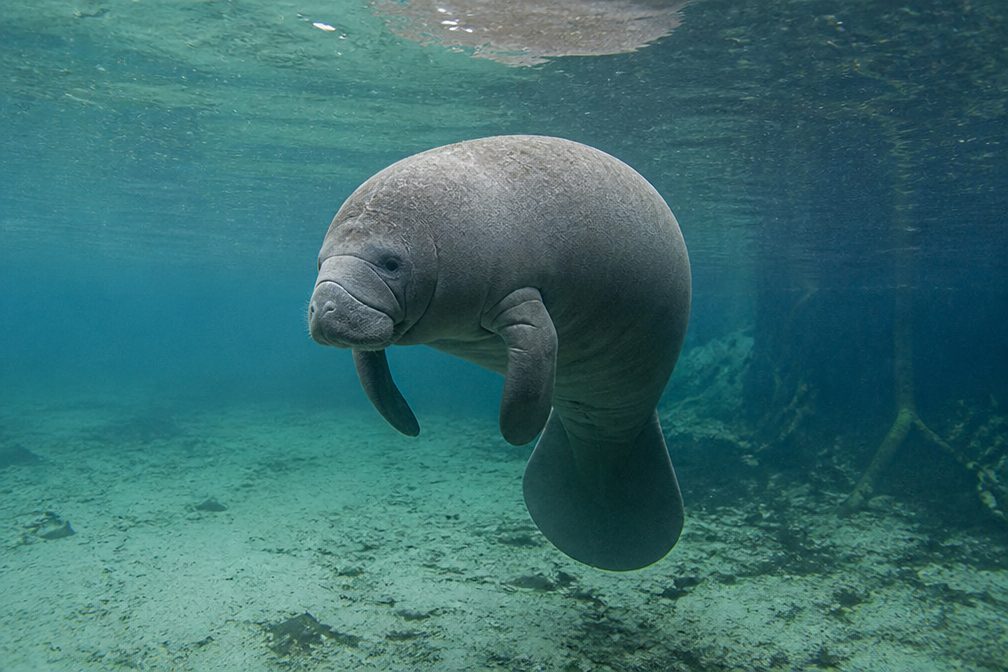
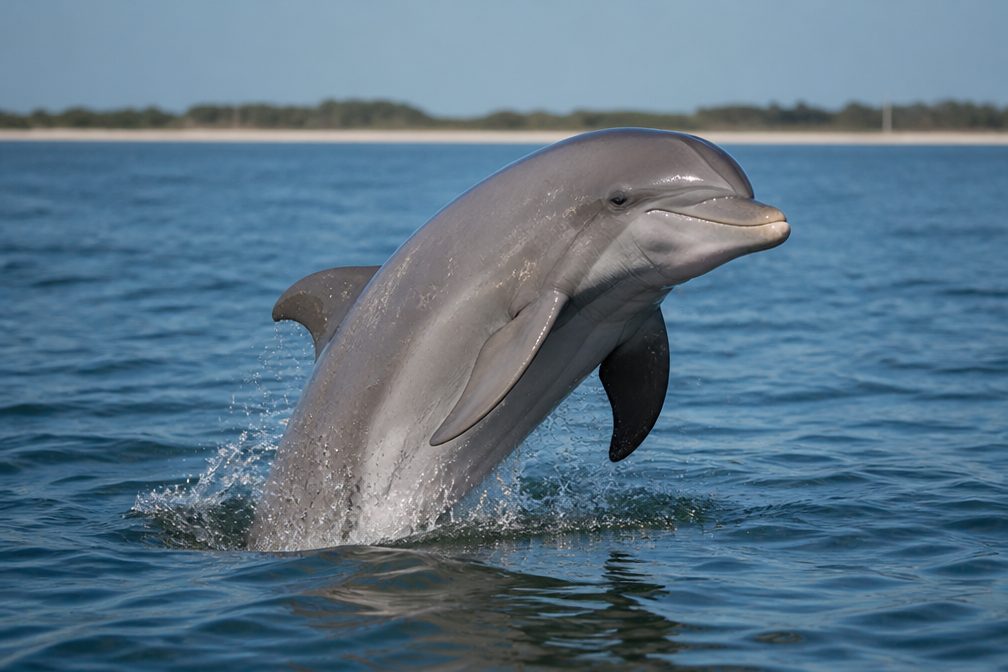
These waters and mangroves are a crossroads between Florida Bay and the Atlantic. Look for dolphins and manatees, wading birds like roseate spoonbills, and, offshore, sport fish from bonefish to permit. Crocodiles are occasionally sighted—give them plenty of space.
Facilities are minimal. There’s a basic restroom at the Matheson House, but no potable water—bring all you’ll need and pack out everything you bring. Swimming is permitted from a mooring buoy, but not within 100 feet of the dock. Fishing is allowed around the island, also not within 100 feet of the dock.
Shallow flats around the key are sensitive. Outside marked channels, many areas are designated No Internal Combustion Motor Zones to protect seagrass and nesting birds. Stay in channels; damaging seagrass can lead to hefty fines.
Aim for breezy, dry mornings Thursday–Monday to beat bugs and heat. If you’re relying on the ferry, plan around its Friday–Sunday early‑afternoon window and arrive early. After heavy rains (including late fall), mosquitoes and no‑see‑ums spike; long sleeves and strong repellent make the difference.
If you want beaches and conveniences, skip it. If you like low‑key nature, Keys history, and a short, serene wander with great birding potential, it’s a gem—underrated precisely because it takes a little effort.