Place · 0.1 mi away

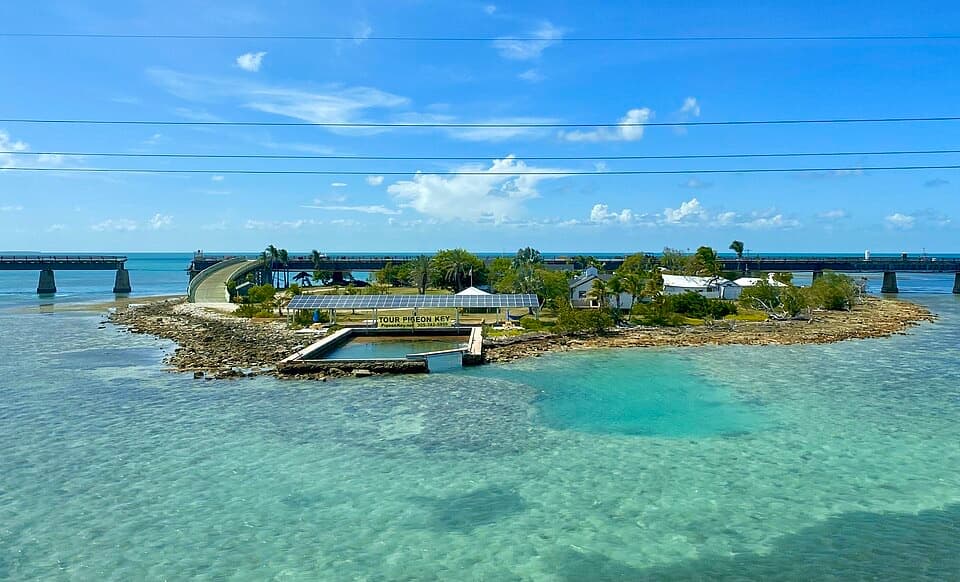
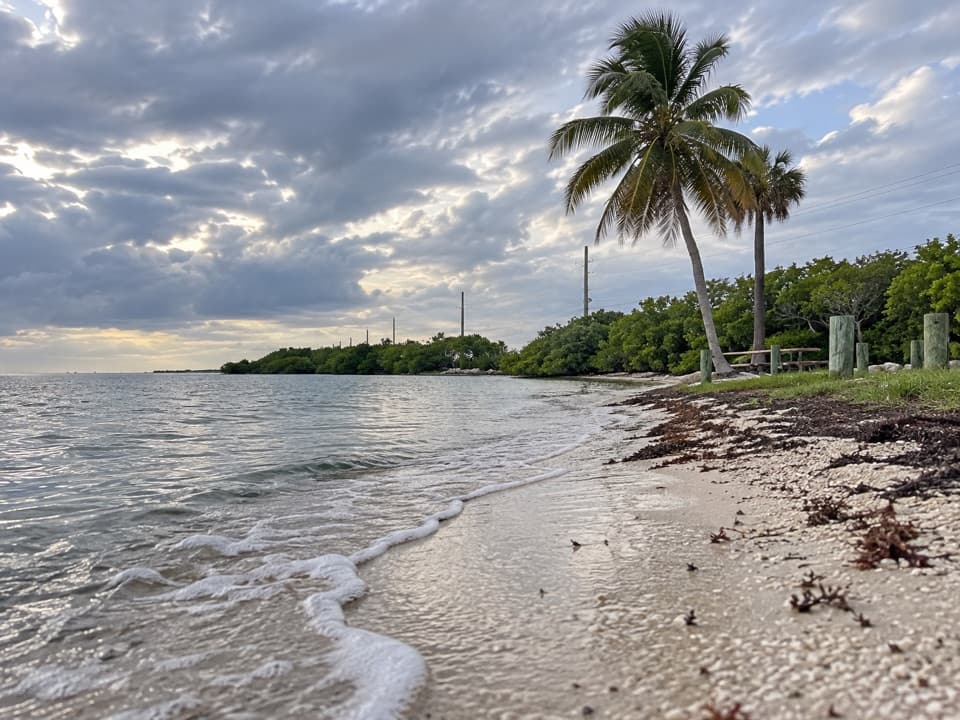
Pigeon Key is a tiny, historic island tucked beneath the Old Seven Mile Bridge—an easy add-on if you’re road‑tripping the Overseas Highway. It’s the best single stop for understanding how the railroad became the highway, with intact early‑1900s buildings and a compact museum. The setting is classic Keys: clear, shallow water all around and big‑sky views from the bridge.
You’ve got two options: walk or bike 2.2 miles each way on the Old Seven Mile Bridge, or ride the Pigeon Key tram/train from the Visitor Center in Marathon (departures typically at 10:00 a.m., 11:30 a.m., 1:00 p.m., and 2:30 p.m.). The island operates roughly 9 a.m.–4 p.m., with the last tram returning around 4:15 p.m. Reservations for the tram are smart in busy periods.
Aim for morning: cooler temps, easier parking, calmer water for snorkel visibility, and gentler sun for walking the bridge. Midday light is best for seeing into the water; late afternoon can be lovely but note operating hours end around 4 p.m. If you’re tram‑curious, pick an earlier departure so you have time to tour, swim, and picnic without rushing.
Once called Cayo Paloma, this 5‑acre speck became the base camp for Henry Flagler’s Seven Mile Bridge crews in the early 1900s. After the railroad opened, it shifted to a bridge‑tender community with a commissary, school, and post office. Following the 1935 hurricane, the right‑of‑way was sold and repurposed into the Overseas Highway, with Pigeon Key serving as headquarters for the conversion. Later, it hosted marine‑science programs and today stands as a listed historic district—small, but packed with stories.