
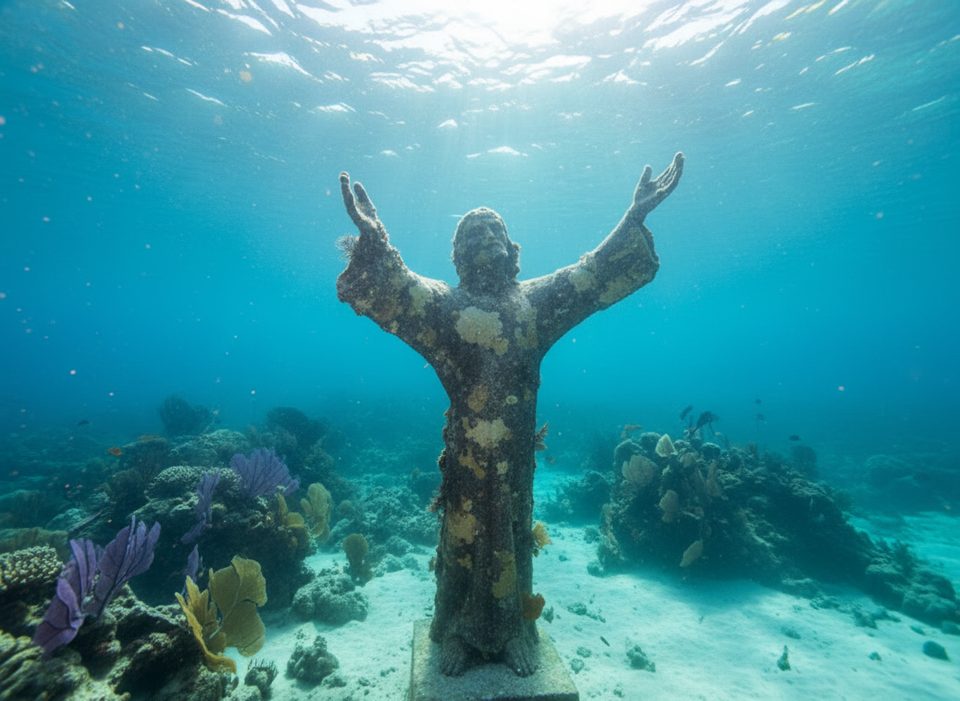
Place · 4 mi away
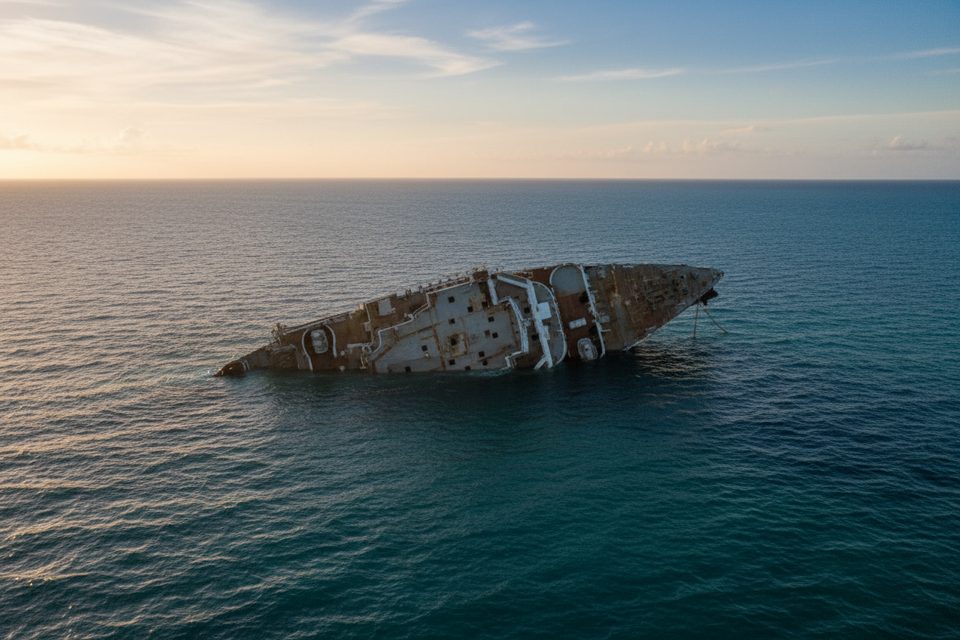
Six miles off Key Largo on Dixie Shoal, the former Navy ship Spiegel Grove was intentionally sunk in 2002 to create an artificial reef. After a dramatic start—landing on her side and later righted by a 2005 hurricane—the 510‑foot giant now sits upright, drawing divers for both her scale and the life she hosts.
Expect a deep wreck: the sand is roughly 130 feet, with superstructure around 60 feet. Currents can be sporty and change with depth, so controlled descents and ascents on the lines are standard practice. Most operators expect Advanced Open Water (or equivalent) for non‑penetration dives; overhead penetration requires specific training. Recreational divers are commonly advised to avoid any openings below about 90 feet or below the main deck.
This is a city‑block of steel turned reef—rails, decks, cranes, and corridors now cloaked in coral and sponges. You’ll often find schools of fish swirling around the superstructure, plus regular sightings of turtles, barracuda, goliath grouper, and reef sharks. There are well‑known photo stops on the upper decks (ask your guide about “Snoopy”).
Mooring buoys are in place, and crews typically rig a trail line to a granny/wreck line that leads to the mooring. Use these for both descent and ascent. Lose your line? Ascend on the nearest mooring line and stay with that boat for pickup rather than fighting current.
It’s a deep, no‑deco‑limited dive where gas disappears quickly. Nitrox is widely recommended to stretch NDLs, and a dive computer is required. Bring a primary light (plus backup if you’re peeking into structures), a cutting tool, and an SMB with a spool. Many charters run “double‑dip” two‑tank trips on the wreck or pair it with a shallower reef.
There are no facilities at the site—access is by boat only. You’ll stage, park, and use restrooms at your departure shop or marina. Book your charter ahead; this is a signature Upper Keys dive and spots go fast.
Conditions rule here. Currents and visibility vary, so coordinate with your operator for a suitable day and plan a conservative profile. If maximizing time on the wreck is your priority, opt for a double‑dip charter. In cooler stretches, reported water temps around 75°F can make a thicker suit comfortable, and a good light helps at depth.
Place · 4 mi away
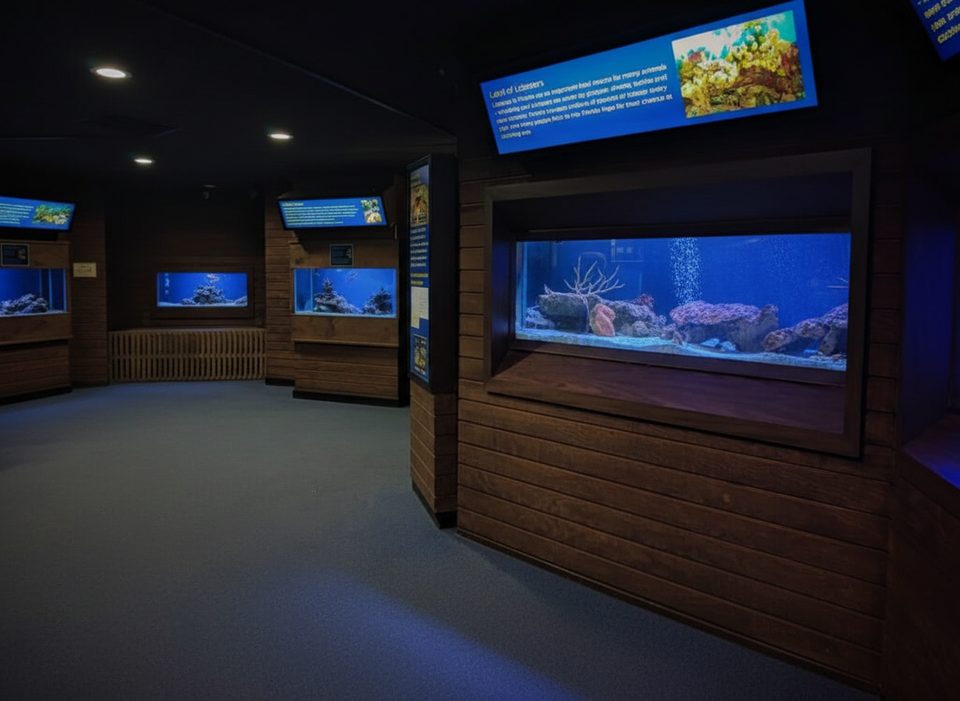
Place · 7.8 mi away
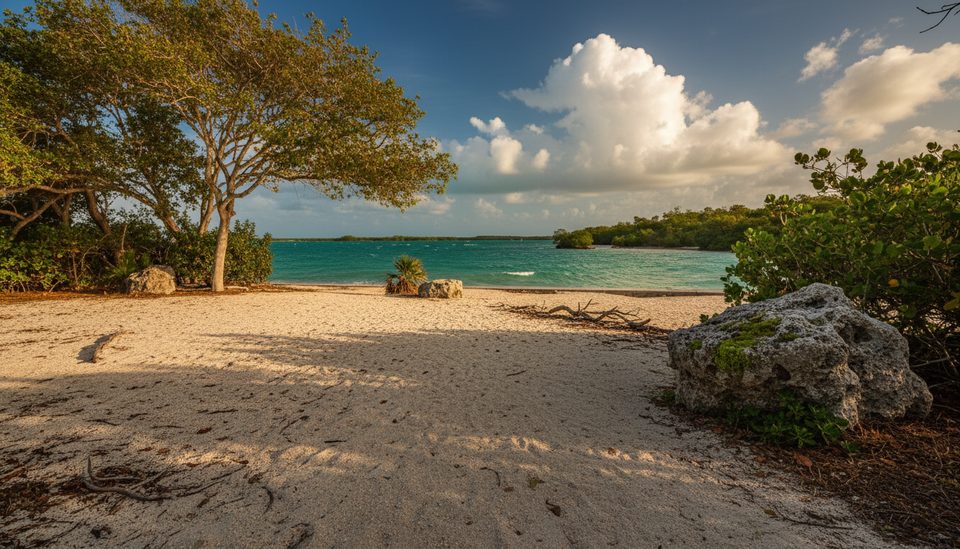
Place · 7.8 mi away

Place · 8 mi away
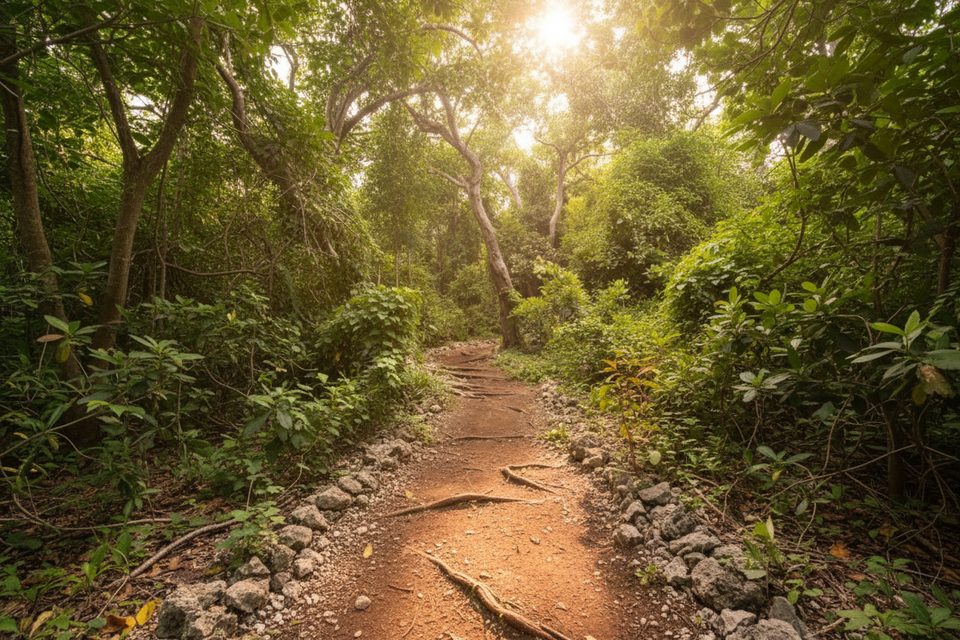
Easy · 7.8 mi away
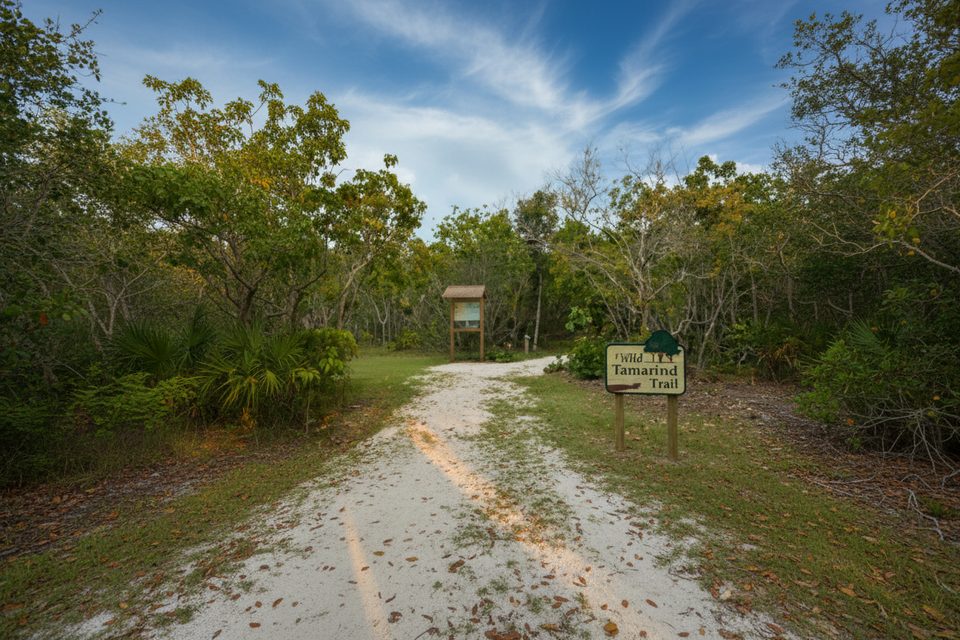
Easy · 7.8 mi away

Moderate · 8.5 mi away
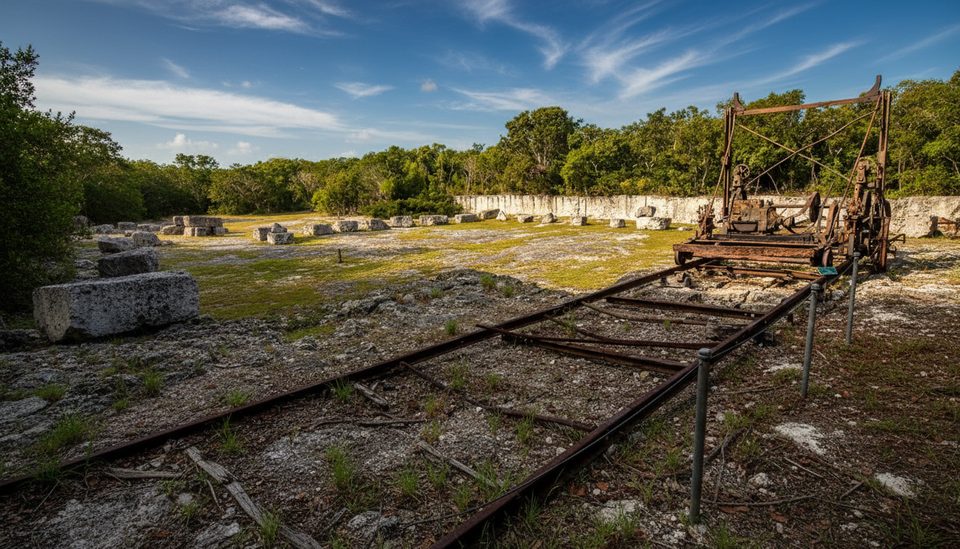
Easy · 20 mi away

Parkwolf Tour Guide
