
Place · 0.2 mi away
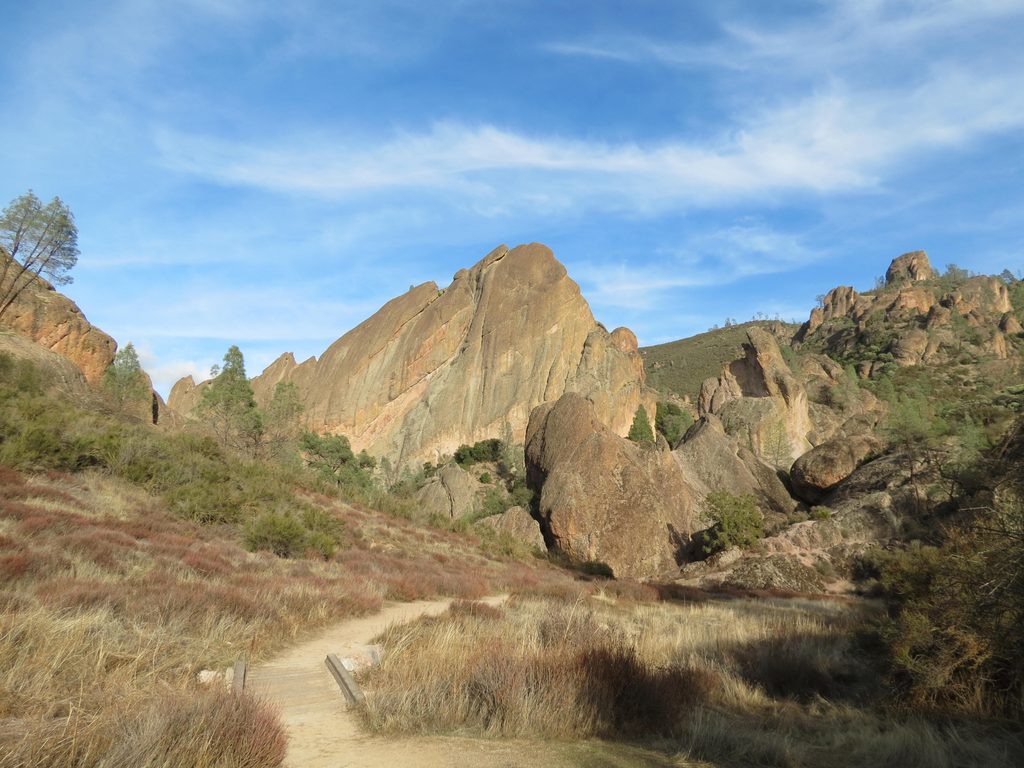
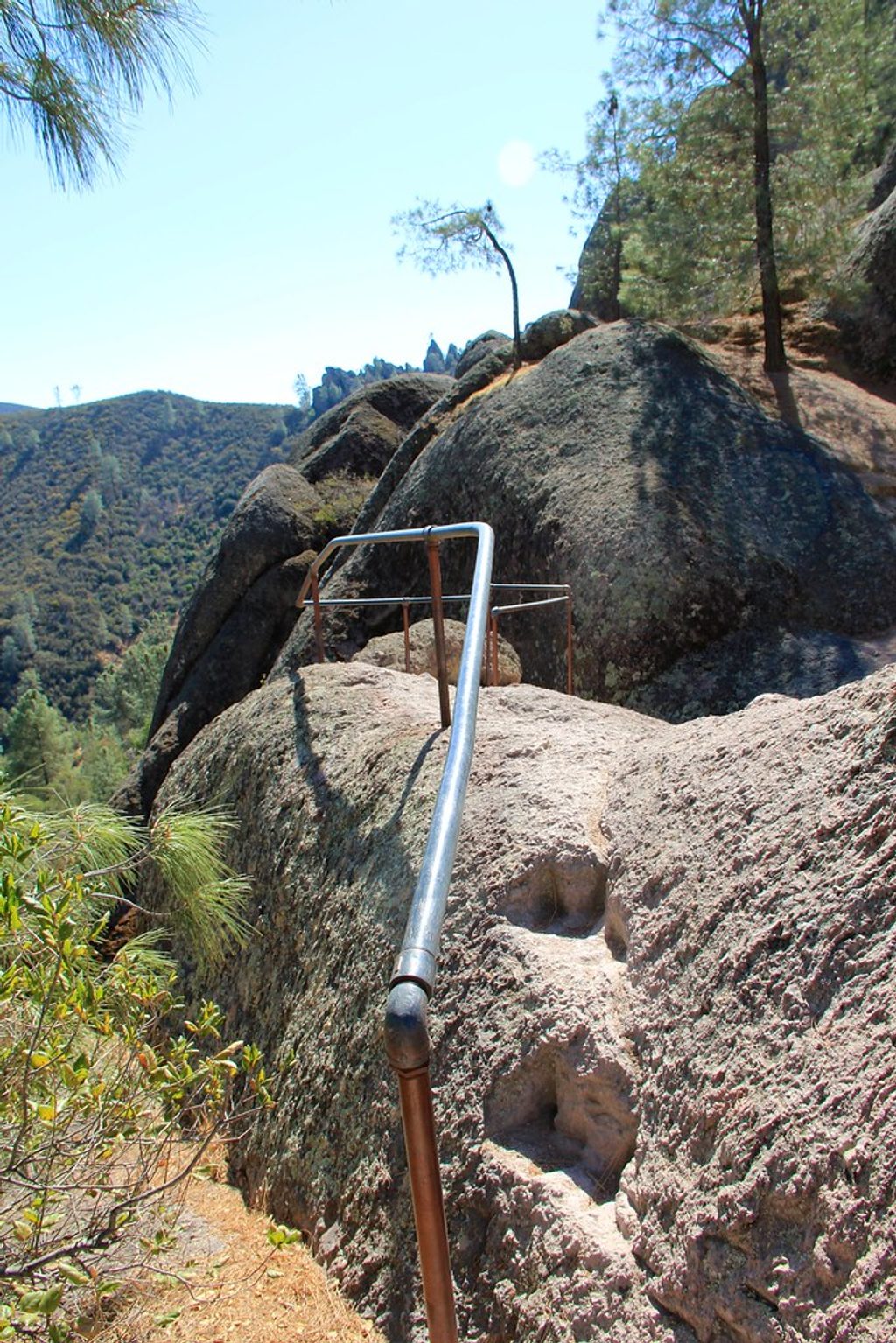
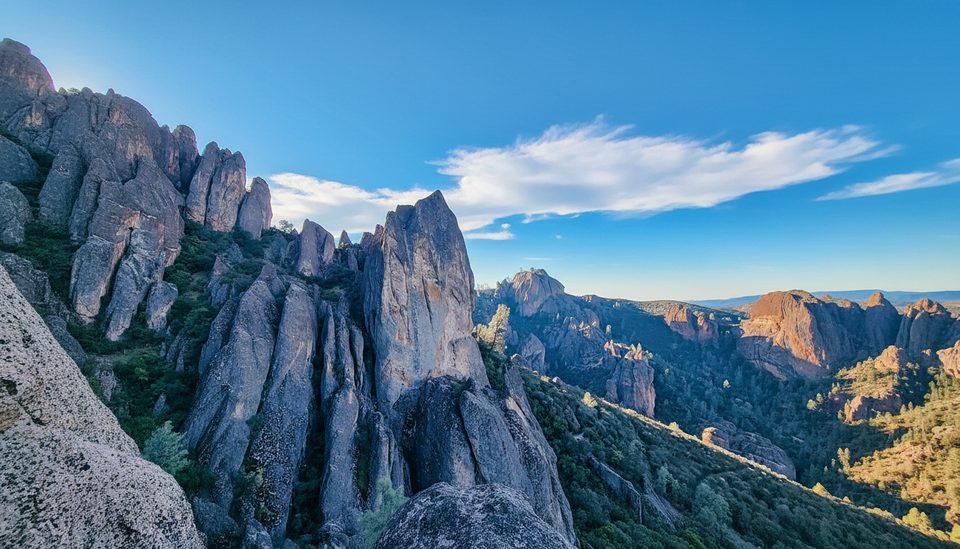
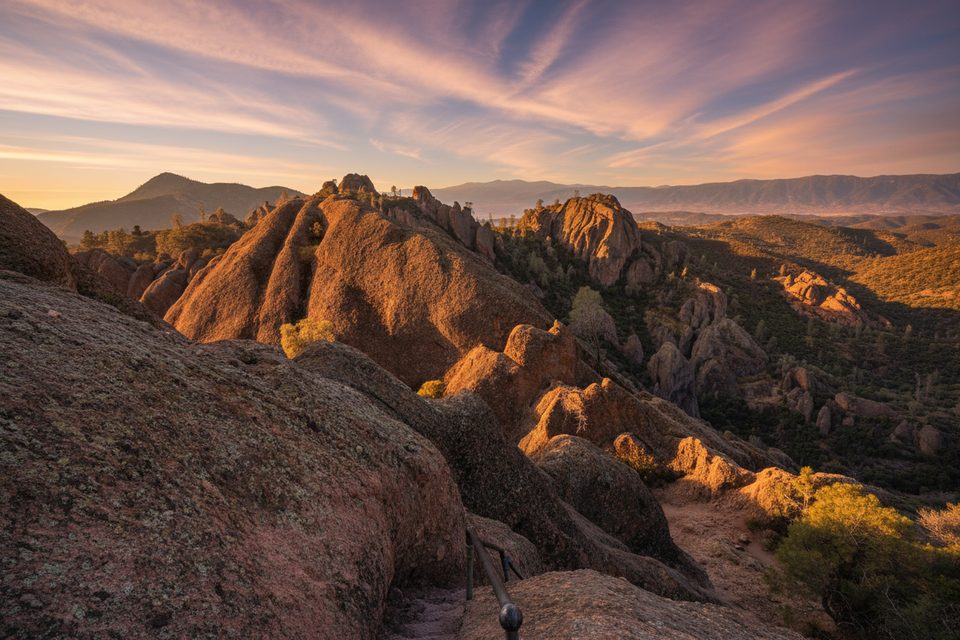
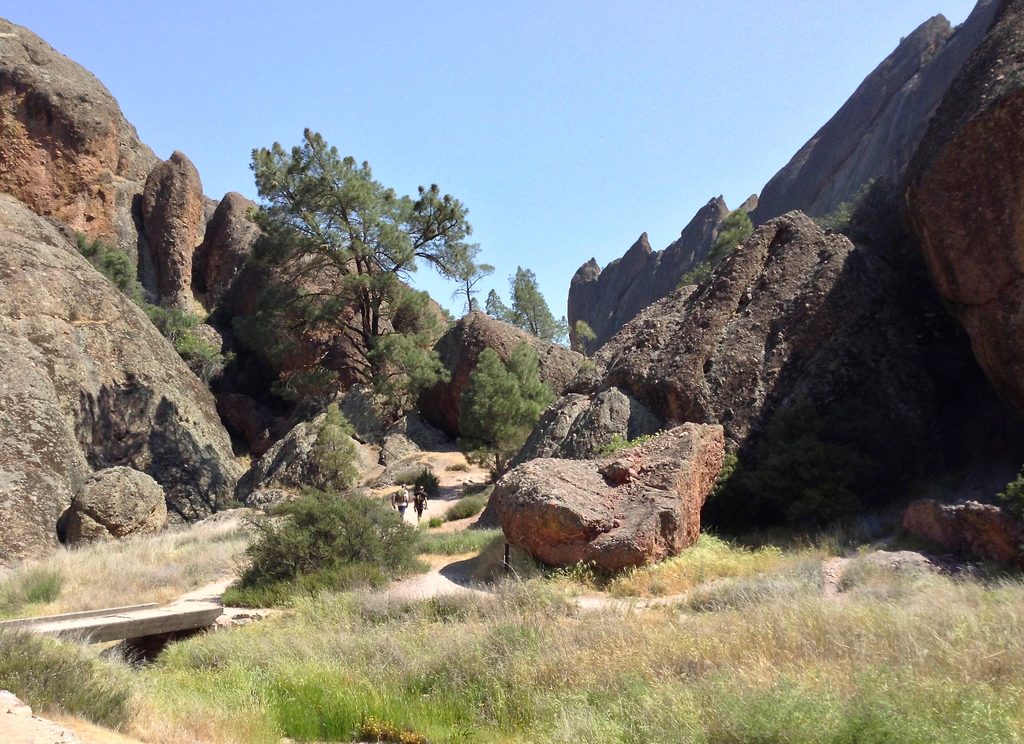
Balconies Cliffs delivers a high-reward, low-effort sampler of what makes this park special: rugged volcanic walls, dramatic spires, and the option to thread through the Balconies talus cave. The classic loop is about 2.4 miles with roughly 100 feet of gain—easy to moderate by park standards. Views open up to the park’s largest rock formations, including Machete Ridge.
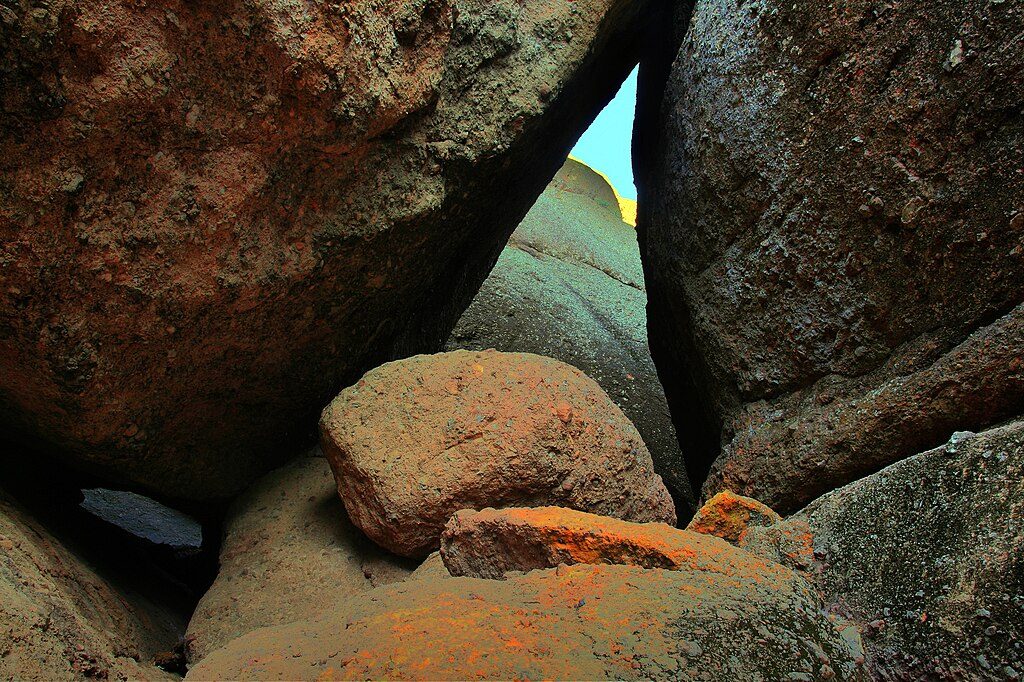
You can walk the airy Balconies Cliffs segment for sweeping rock views, then return through the cave, or flip it. The cave section involves uneven footing, low ceilings, and some scrambling; bring a headlamp or flashlight. In winter or after rains, expect water in the cave—wading can be required. If you’re cave-averse or prone to claustrophobia, stick to the cliff route and make this a simple out-and-back.
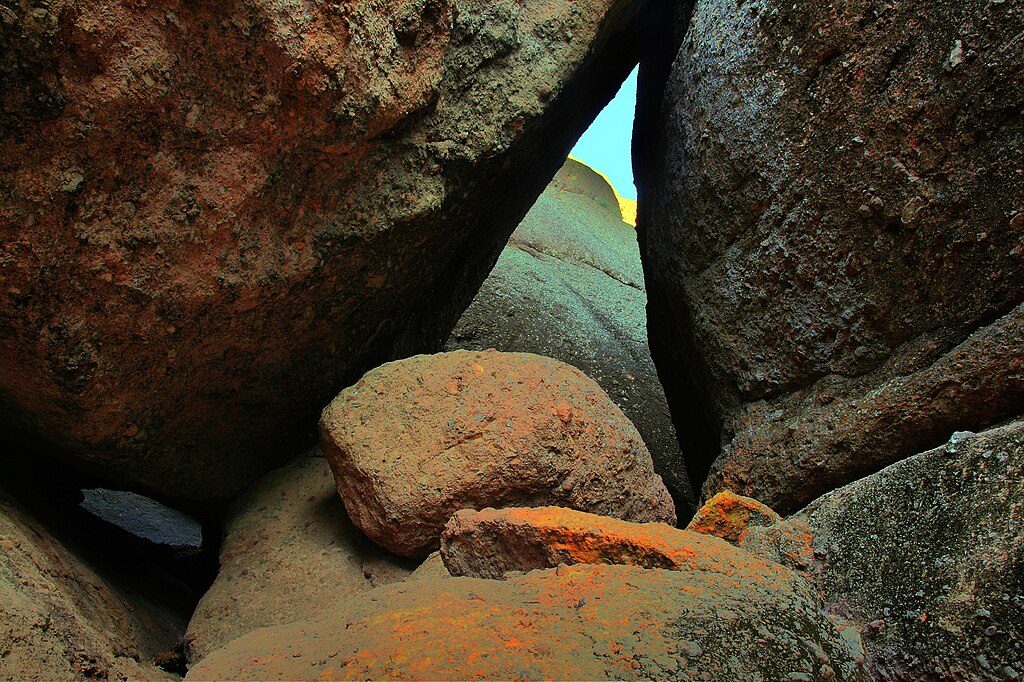
These cliffs are welded volcanic breccia—chunky rock made of older fragments glued by volcanic activity roughly 23 million years ago. Over time, faulting and erosion carved today’s fins and towers. The cave isn’t a limestone cavern; it’s a talus cave, formed when boulders tumbled into a narrow canyon and roofed over the passage below.
Scan the sky for California condors and swift-flying peregrine and prairie falcons—mornings and late afternoons are best. The talus caves shelter bat species; move quietly and don’t disturb any roosts. Snakes, including rattlesnakes, are present—watch hands and feet.
Access is easiest from the West Entrance (Chaparral). Note that CA 146 from Soledad is steep and narrow, and there’s no road connecting the park’s east and west sides. West Entrance hours can be limited, while the east side is open 24 hours; plan your timing accordingly. Amenities at Chaparral include parking, restrooms, water, and a picnic area, but the lot fills early on busy days.
Heat is the headline hazard here. Carry and drink at least a liter of water per person per hour, wear sun protection, and use sturdy, grippy footwear. Cell service is limited. Pets and bicycles aren’t allowed on trails. Be mindful of poison oak and give all wildlife space. Cave access can close seasonally or after storms—check current status before committing to the loop.
Aim for early morning to beat heat and crowds; late afternoon brings softer light on the cliffs and better raptor activity. In summer and early fall, avoid the peak heat window (roughly 10 am–4 pm). After winter rains, the cave can be wetter—fun if you’re prepared, frustrating if you’re not.
Place · 0.2 mi away
Place · 0.3 mi away
Place · 0.7 mi away
Place · 1.1 mi away
Challenging · 0.7 mi away
Moderate · 0.7 mi away
Moderate · 0.7 mi away
Moderate · 1.7 mi away

Parkwolf Tour Guide
