Balconies Cave

Short, adventurous talus cave with dark squeezes and condor chances
Balconies Cave, Pinnacles National Park
InsidePinnacles National Park

Overview

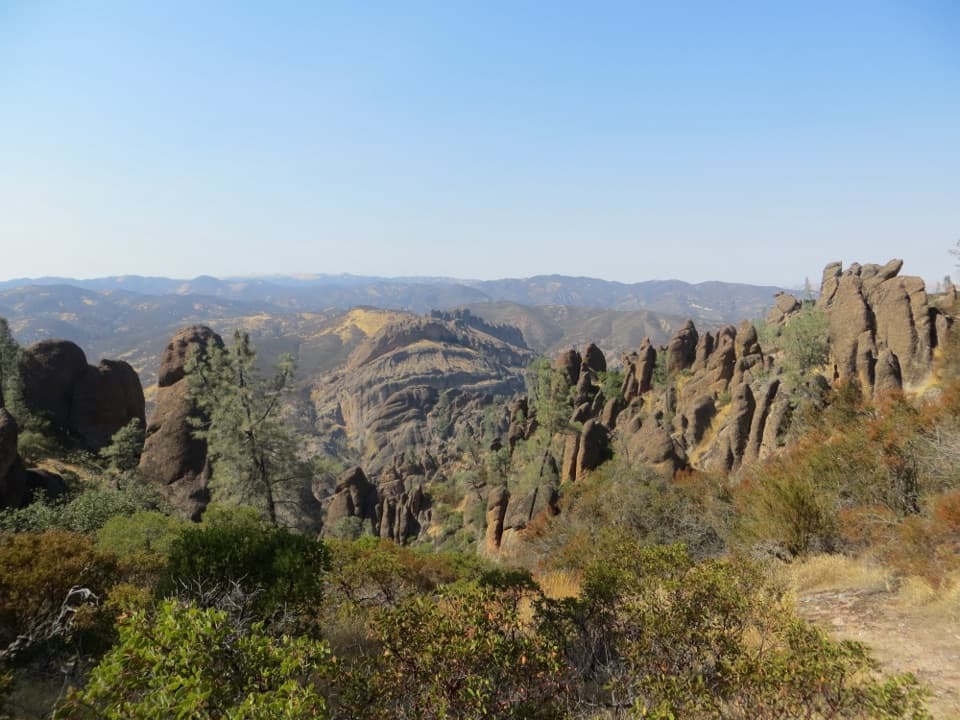
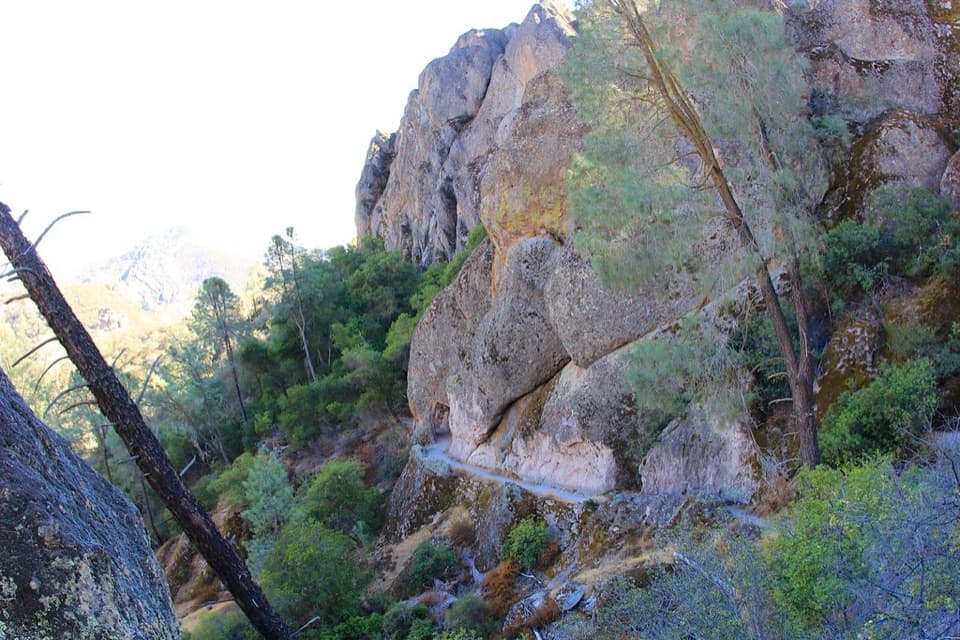
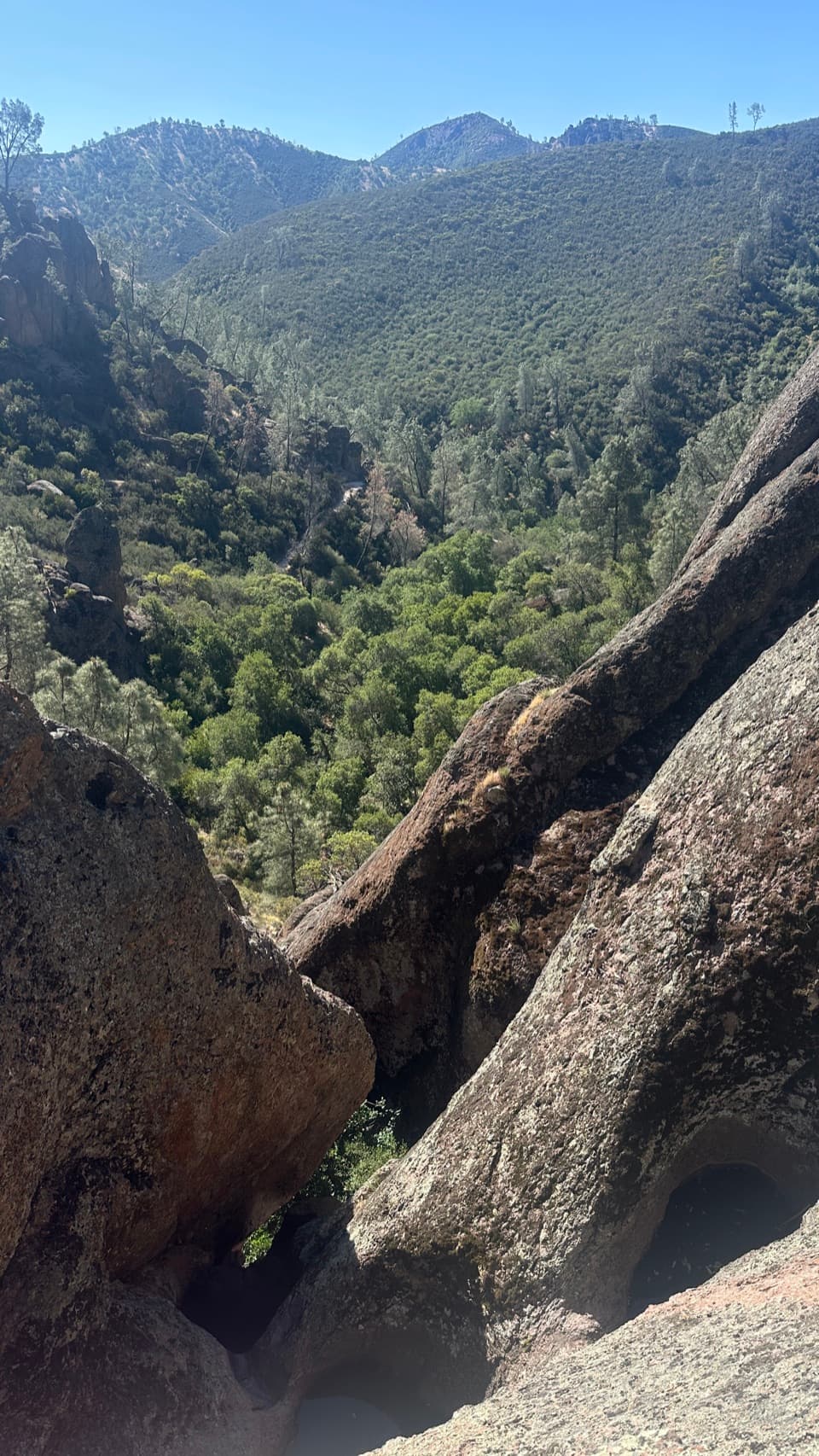
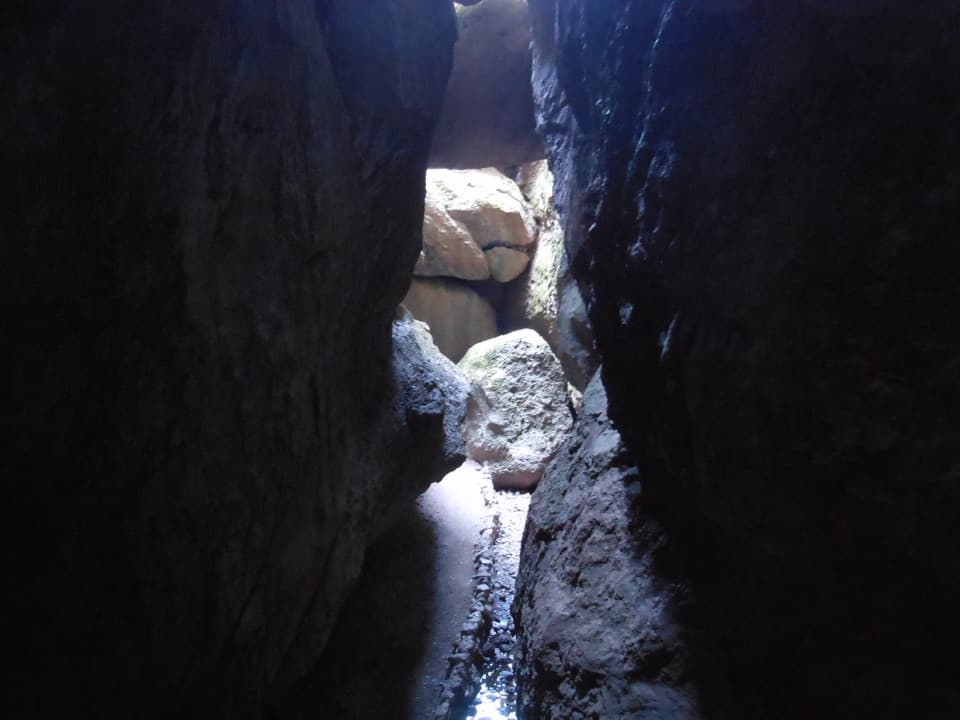
Balconies Cave is a classic Pinnacles talus cave—passages formed not by water, but by giant volcanic boulders wedged into a narrow canyon. It’s a short, high-reward adventure that combines a fun scramble in real darkness with dramatic cliff views above.

Routes and How to Get There

  • West side (short and sweet): Start at the Chaparral day-use area for a 2.4–2.6 mile loop with roughly 400 feet of gain. This is the easiest way to experience the cave.
  • East side (longer day): Hike from Old Pinnacles Trailhead for a 5+ mile trip to the cave, often returning via the Balconies Cliffs for bigger scenery.

What It’s Like Inside

Expect true talus-cave travel: you’ll duck, squeeze, and use your hands on short scrambles. Some hikers prefer approaching the far entrance and climbing up through the cave—it’s generally easier than descending. In spring, pooled water can be knee-deep and rocks are slick, so waterproof footwear helps. Bring a real light; parts are completely black.

Geology and a Bit of History

The pinnacles rose from volcanic activity about 23 million years ago. Over time, rockfall filled fractures and canyons, creating the cave ceilings you walk under. Trails and steps through the park’s talus caves were improved in the 1930s, making them passable without technical gear.

Closures and Safety

Cave gates may be locked for bat protection, high water, or unstable rocks—always check current park alerts before you go. After storms, expect wet, slippery rock and flowing water; don’t enter during active flooding. Summer heat is intense—avoid the 10 am–4 pm window. Carry plenty of water, wear grippy footwear, and watch for poison oak and rattlesnakes. Cell service can be unreliable and medical help is a long way off.

Wildlife

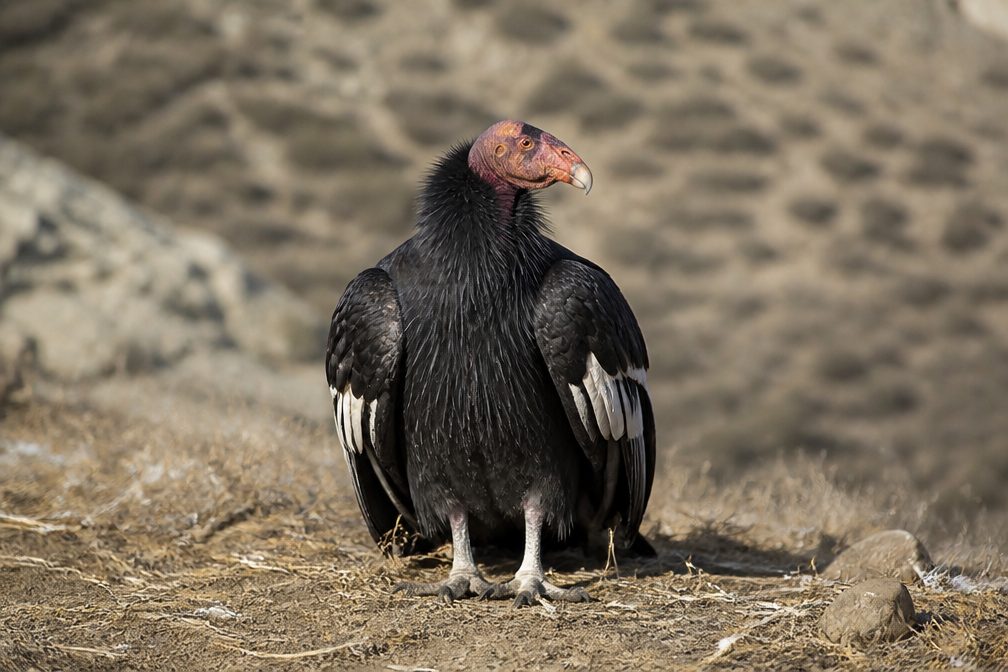
You’re likely to see wildlife on the approach and cliffs: keep an eye out for soaring California condors, plus turkeys, quail, deer, lizards, and snakes. Inside the cave, move quietly to avoid disturbing roosting bats.

Amenities (West/Chaparral Start)

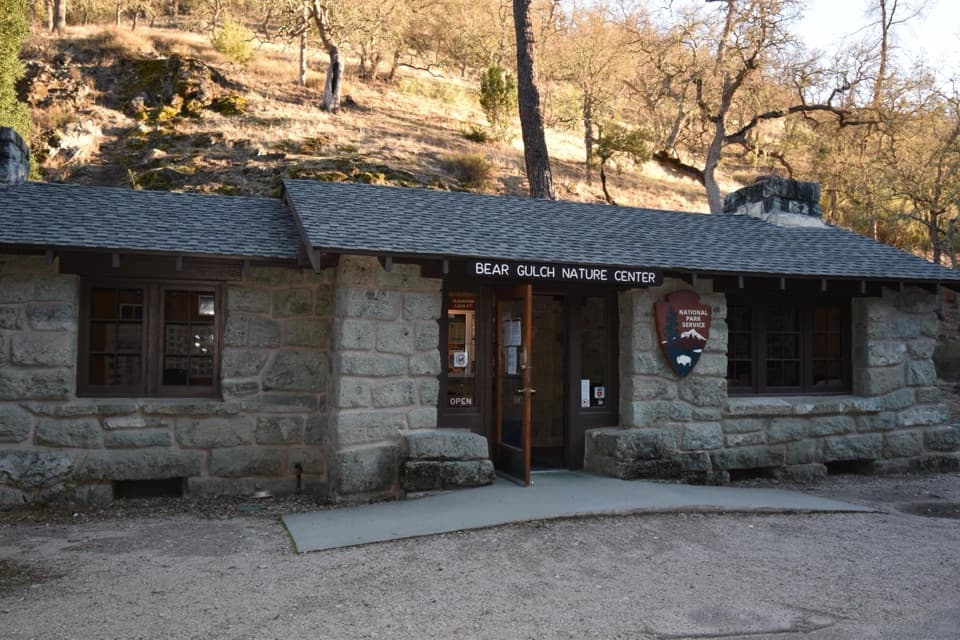
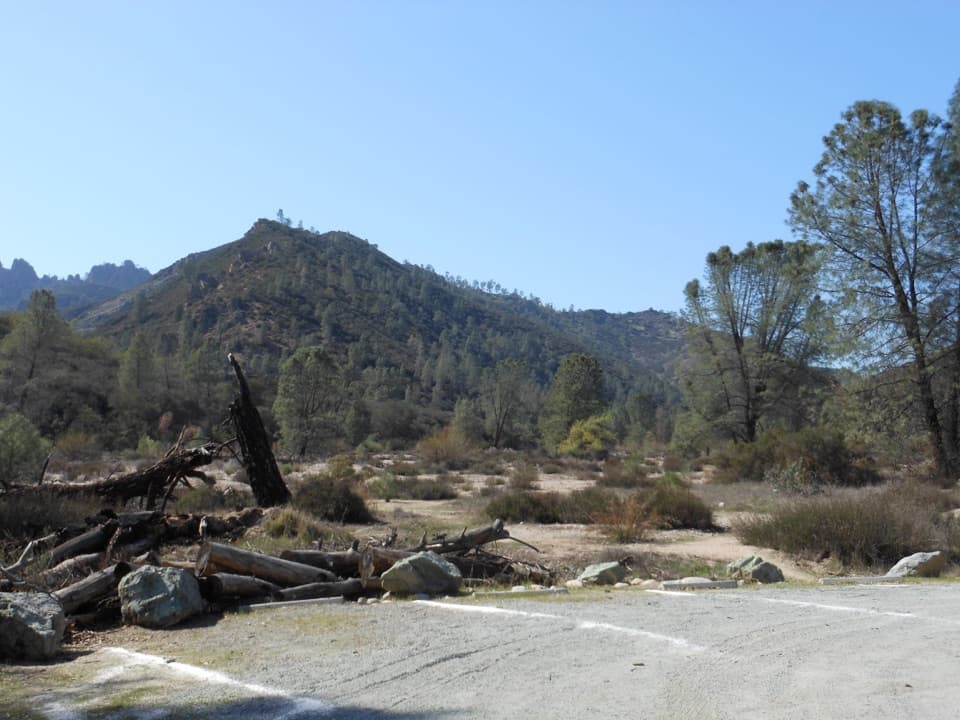
The Chaparral trailhead has parking, restrooms, a picnic area, and a water spigot. It’s a convenient base for the cave and for connecting trails like the Balconies Cliffs.

Best Time to Visit

Start early for cooler temps, softer light, and easier parking—especially on weekends and holidays, when lots fill. Spring offers moving water and a moodier cave; summer is best tackled at dawn. If you like fewer people and warm rock glow, late afternoon is lovely (check cave status and day-use hours before committing).

Pros

  • Short, adventurous talus-cave loop from the west side
  • Pitch-black sections make for a true headlamp adventure
  • Frequent condor sightings along the surrounding cliffs

Cons

  • Dark, tight, and often wet; expect scrambling and ducking
  • Subject to seasonal closures for bats or hazardous conditions
  • No dogs allowed on the trail

Tips

  • Bring a headlamp for each person; phones aren’t enough in pitch-dark sections.
  • Hike to the far cave entrance and go up through it, then return via the cliffs for views.
  • Start early to beat heat and secure parking at the Chaparral lot.
  • Check current cave status and park alerts for bat closures or flooding.
  • There’s a water spigot at Chaparral, but carry more water than you think you’ll need.
The Parkwolf tour guide sitting on a phone mounted in a car

Parkwolf Tour Guide

Like a tour guide in your car.

Save the places you found around Pinnacles, then let Parkwolf guide the drive between them.Download Parkwolf on the App Store