Parking
The marked start is in the Big Tree Wayside parking area on Newton B. Drury Scenic Parkway (mile marker 127.96). The finish is at the Parkway access across from Prairie Creek Visitor Center; parking is available at the Visitor Center end.

Redwood National Park, CA
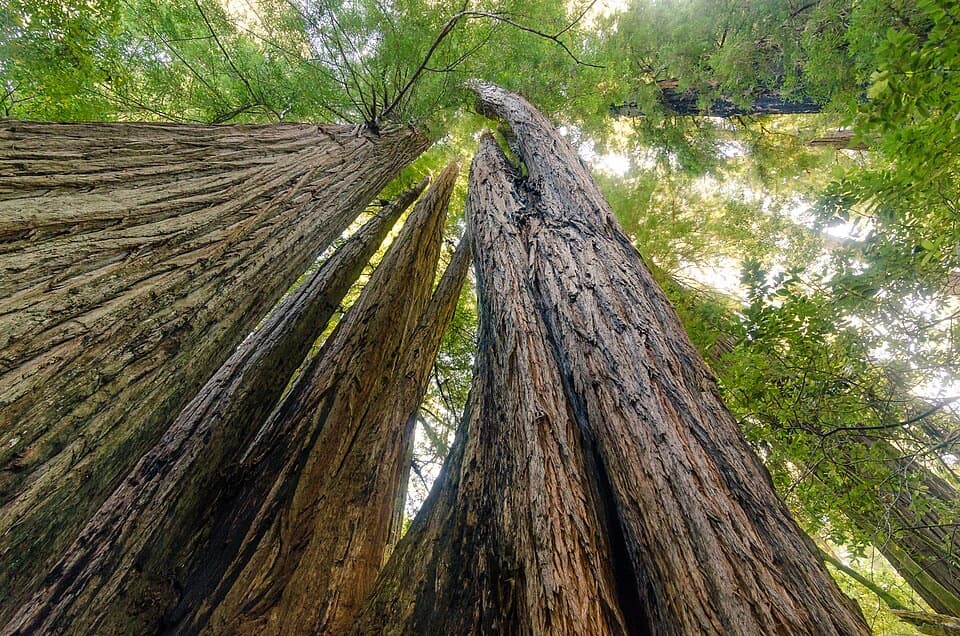
A short one-way walk among family groups of towering redwoods.
Overview
Map & elevation
Plan your hike
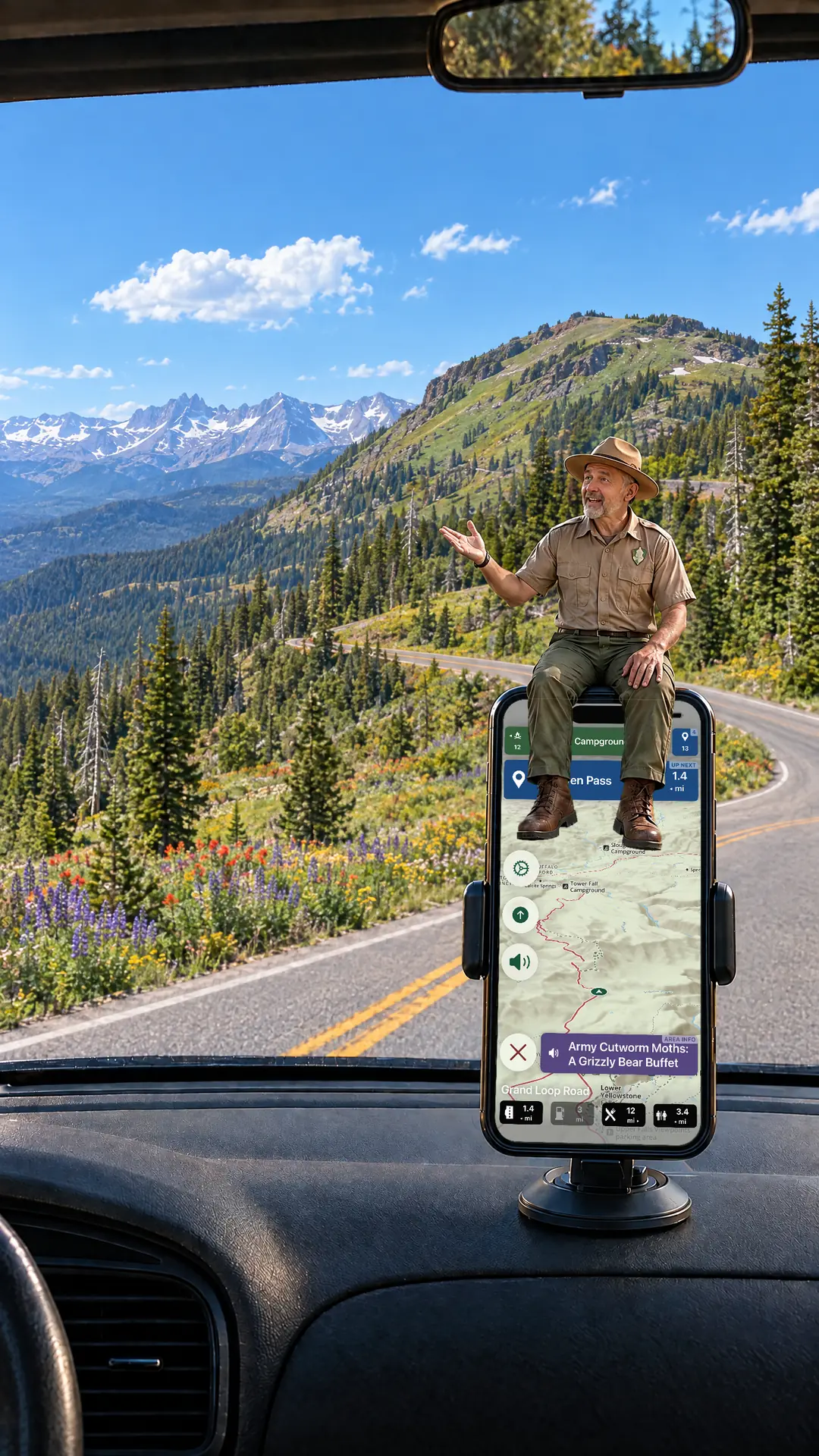
The highest, rockiest slopes around here are a summer buffet for grizzly bears.
Redwood Tour Guide
Parkwolf is a GPS audio tour guide for Redwood National Park. As you drive, it chimes in with what’s ahead: hidden gems, upcoming stops, history, geology, and wildlife, right through your car’s speakers.
See the Redwood audio tourRecorded for this trailhead
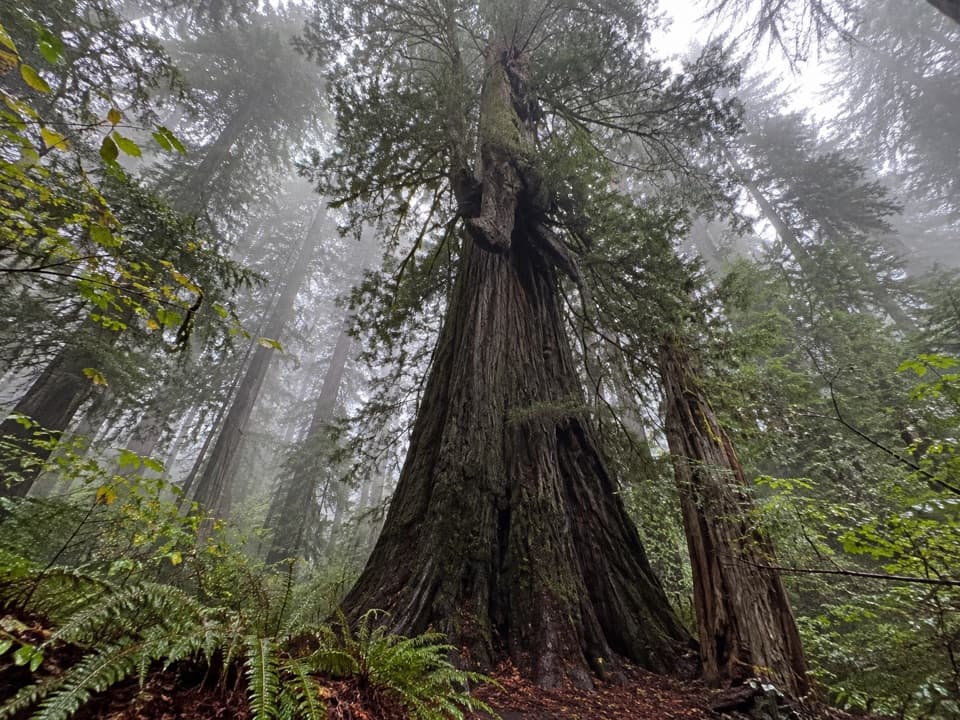
Big Tree Wayside“Up ahead is Big Tree Wayside, an easy stop for a close look at a redwood estimated to be more than fifteen hundred years old.”
Plays as you drive up to this trailhead in the Parkwolf Redwood Tour Guide.
More stories near here in the app
“Fantastic app with many points of information… It’s great to just turn on while you’re driving and it gives you an audio tour of the national Park. We love it!!!!”


Trail guide
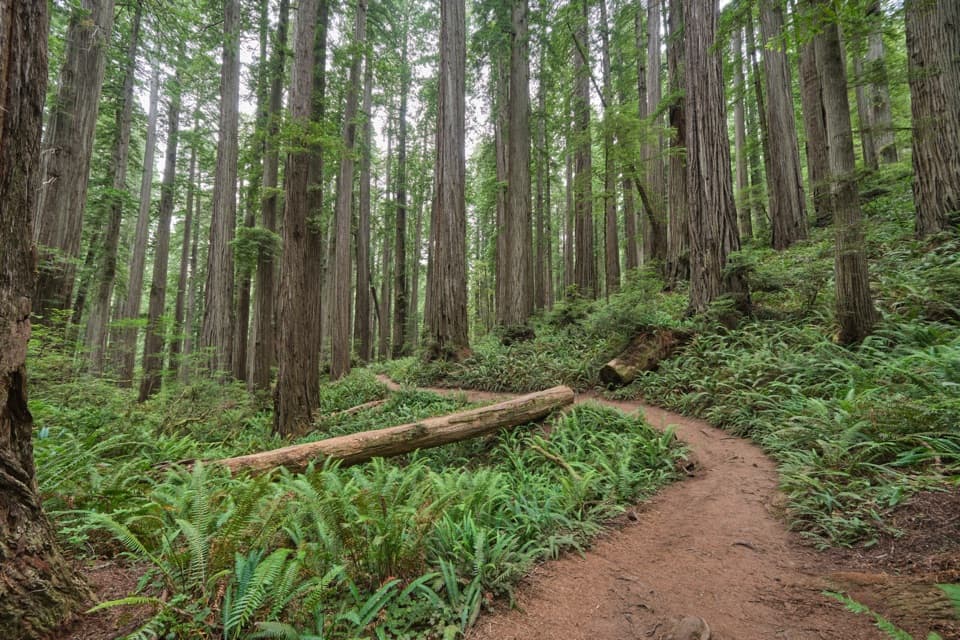
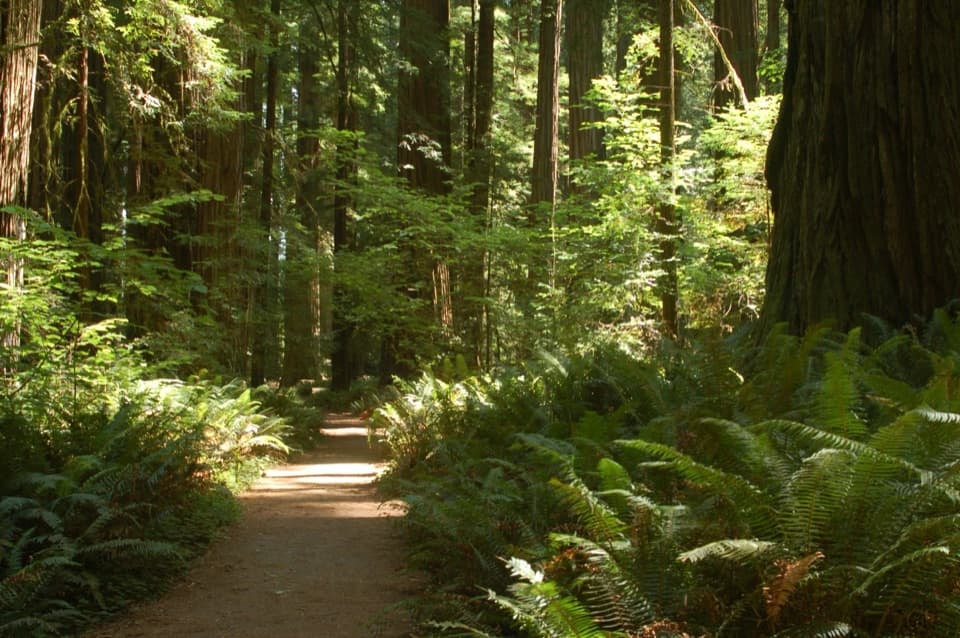
Cathedral Trees Trail is a 1.4-mile point-to-point walk from Big Tree Wayside to the Parkway access across from Prairie Creek Visitor Center. It follows old-growth redwoods on the slopes and finishes at the connected trail access by the Visitor Center. Allow about an hour one way. The grade is described as gentle, though the route is rated moderate. The posted 1.4-mile figure does not say whether it includes a return; the mapped line between the two access points is 1.4 miles one way. Retracing it makes a roughly 2.8-mile walk.
The name refers to groups of redwoods growing together on the slopes. Fallen mother trees become nursery logs for younger trees and ferns, and herbs and berries grow along the path. Slow down for those details: the pleasure here is being among the trunks and forest floor, not reaching a far-off viewpoint.
This is the shorter Cathedral Trees line from Big Tree Wayside to the Parkway access. The nearby Big Tree Loop is a separate, longer circuit that combines other named trails, around 3.1 miles. The Visitor Center also connects to Elk Prairie Trail on a separate 0.42-mile accessible segment; that description does not establish that the full Cathedral Trees route is wheelchair-accessible.
The marked trailhead is at Big Tree Wayside. For a one-way walk, arrange a pickup or leave a car at the Visitor Center end. If your car stays at Big Tree, walk back the same way and plan on about 2.8 miles. Pets are not allowed on park trails except service animals.
Wildlife
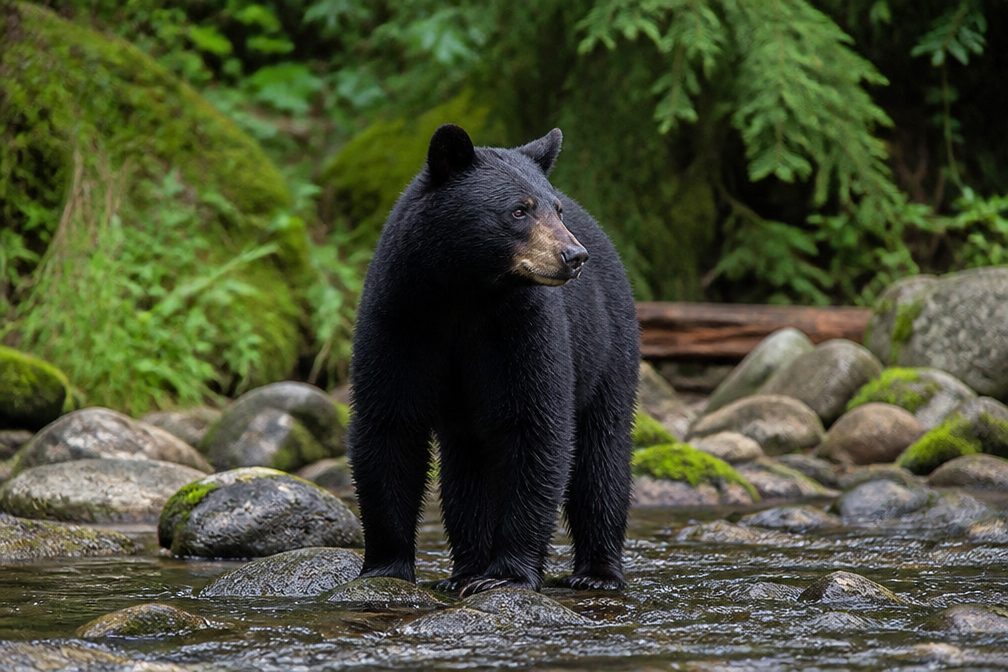 256 sightingsBlack BearMost seen around 7 PMSighting map
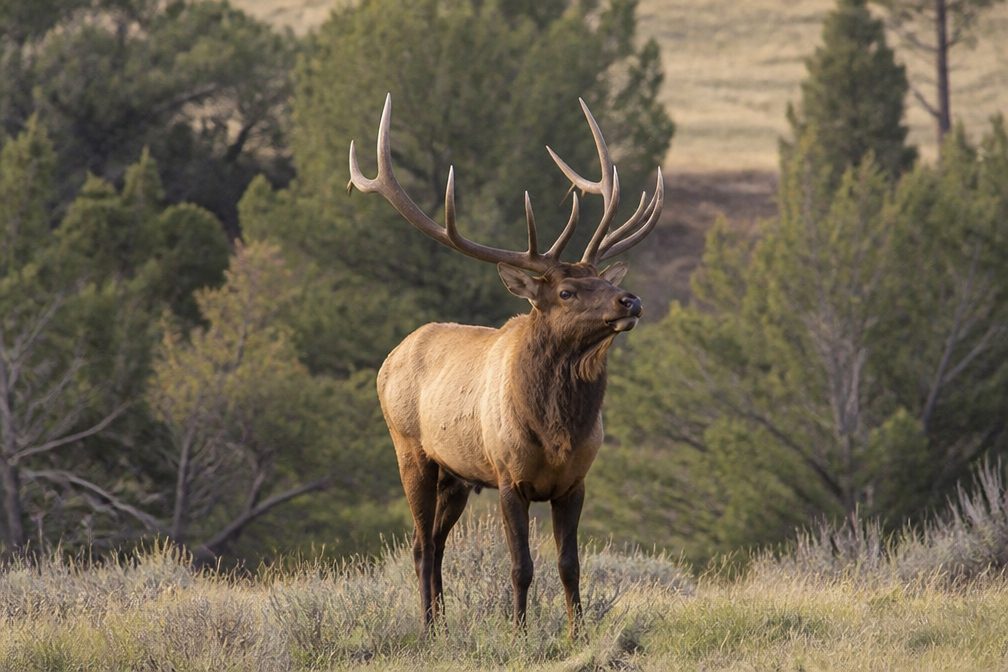 2,389 sightingsElkMost seen around 6 PMSighting map
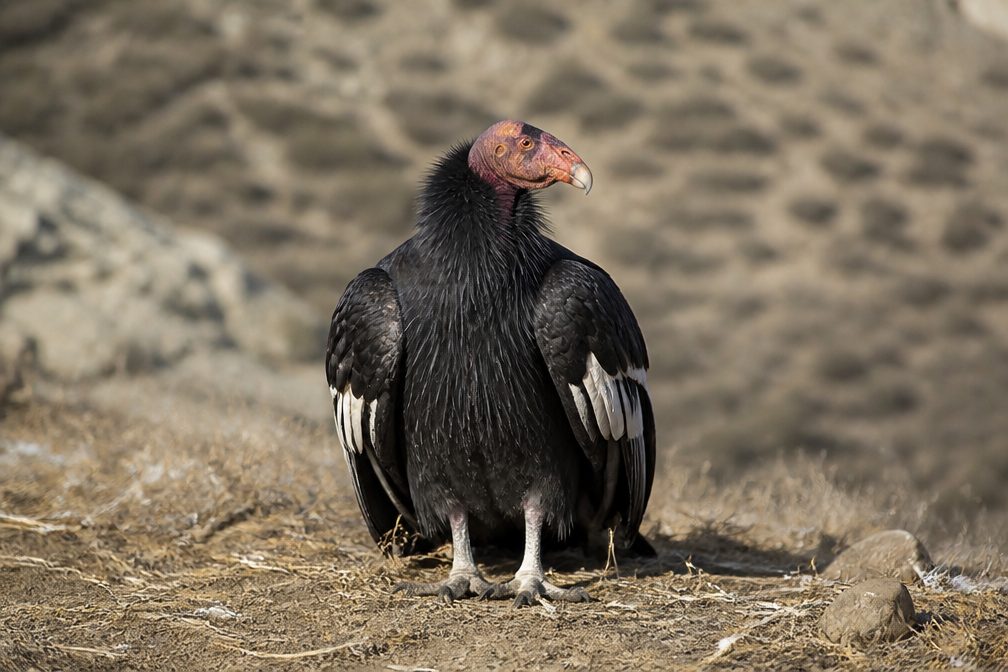 62 sightingsCalifornia CondorMost seen around 1 PMSighting map
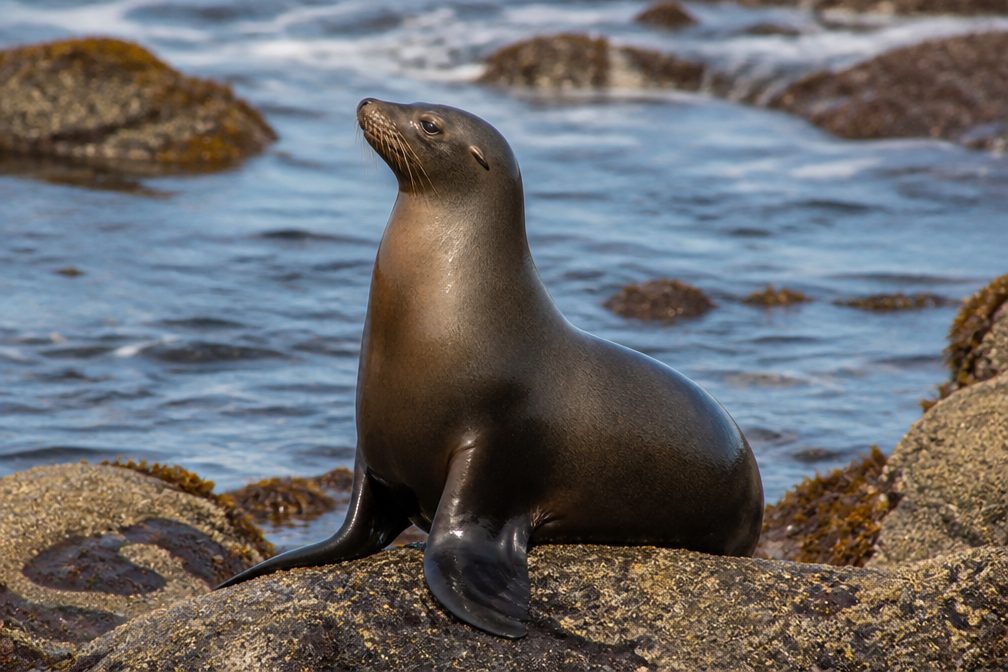 60 sightingsCalifornia Sea LionMost seen around 11 AMSighting map
 216 sightingsHarbor SealMost seen around 10 AMSighting map
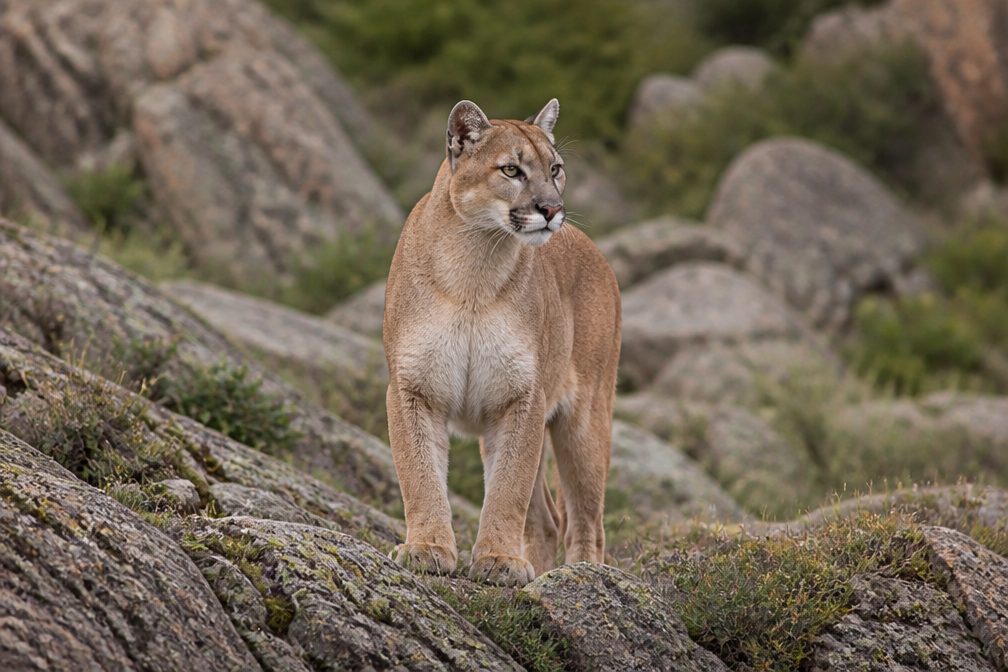 13 sightingsMountain LionMost seen around 7 PMSighting map
Sighting maps show where each species has been reported across Redwood. Wildlife moves, so no sighting is guaranteed.
Keep exploring
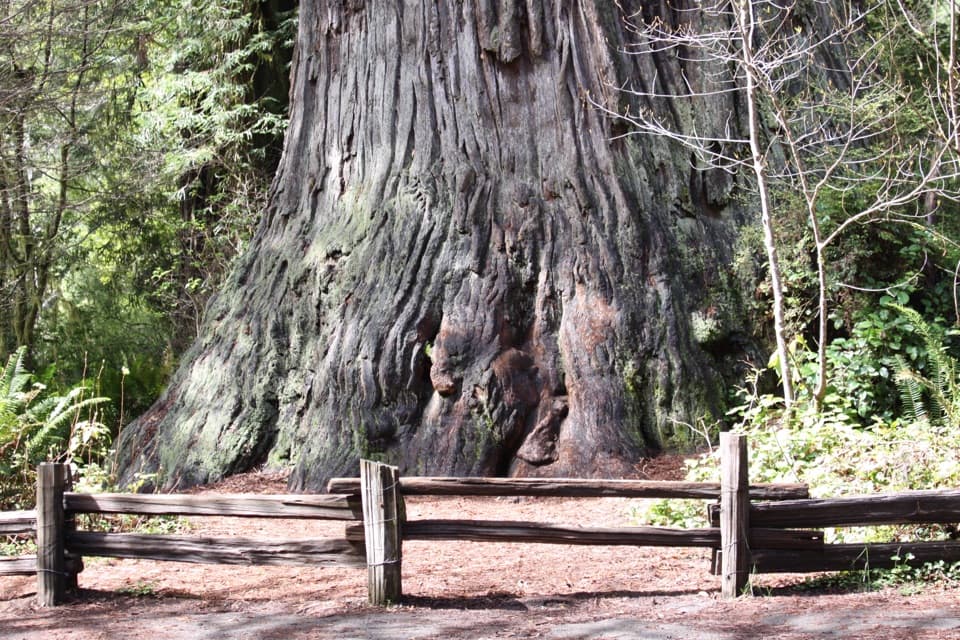 EasyCircle Trail0.3 mi · 20 min · At the trailheadA short, easy loop with a huge coast redwood at its heart.
 ModerateFoothill Trail2.2 mi · 1.8 hr · 0.4 mi awayOld growth, Big Tree, and a long bridge over Corkscrew Creek.
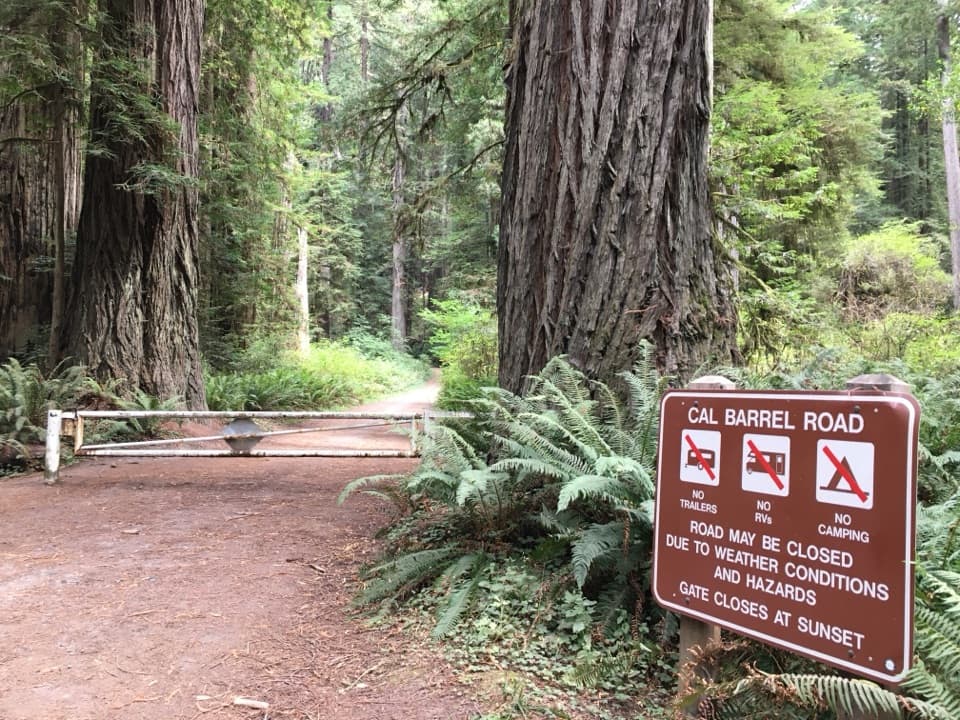 ModerateCal Barrel Road Hike3.9 mi · 2.3 hr · 0.4 mi awayLeashed dogs can join the climb beneath the redwoods.
 EasyCorkscrew Tree Trail0.2 mi · 10 min · 0.5 mi awayA short detour to a single redwood with many trunks.
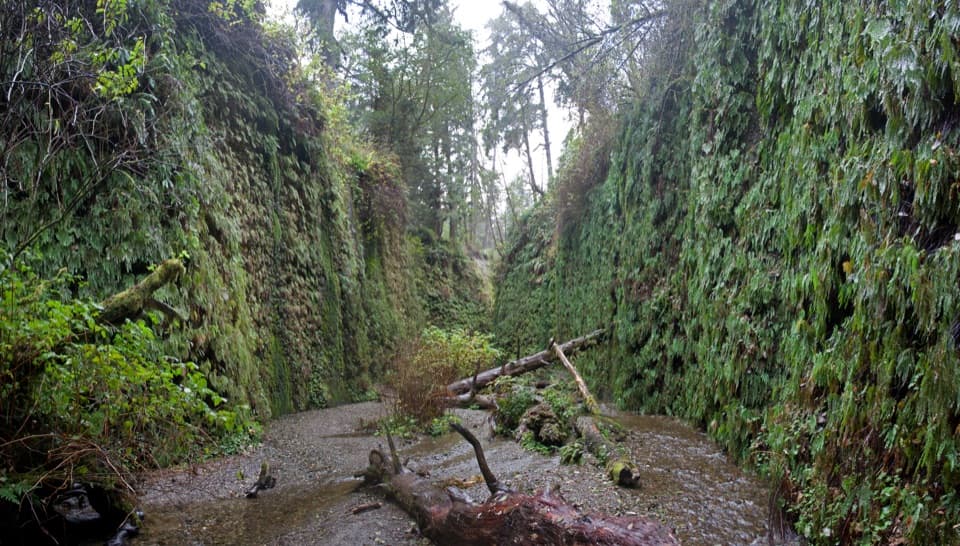 ModerateJames Irvine Trail9.8 mi · 6 hr · 0.7 mi awayOld-growth redwoods lead to fern cliffs and a shallow creek crossing.
 ModerateWest Ridge and Karl Knapp Loop5.7 mi · 3 hr · 0.8 mi awayRidge climbs give way to Prairie Creek’s lush redwood groves.
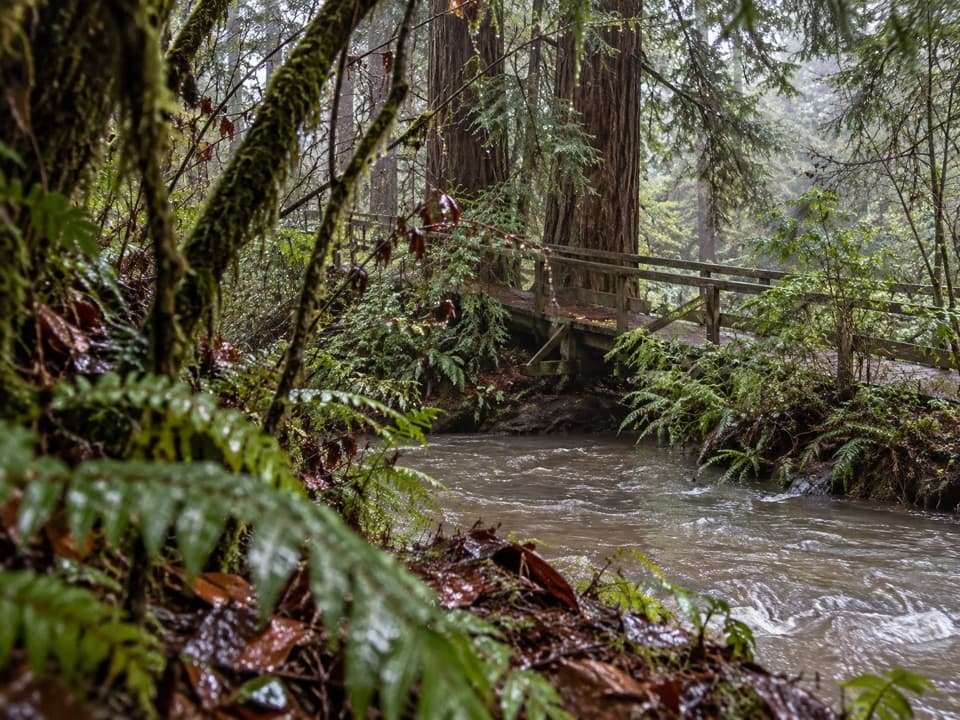 EasyElk Prairie Trail Loop2.8 mi · 2 hr · 0.8 mi awayA prairie-and-creek loop through redwoods with Roosevelt elk.ChallengingMiners Ridge and James Irvine Loop12 mi · 6 hr · 0.8 mi awayA long loop joining old-growth redwoods, Fern Canyon, and the coast.Sight · At the trailheadBig Tree WaysideA 1,500-year-old redwood with a platform and short grove walksSight · 0.6 mi awayCorkscrew TreeOne redwood, several trunks, and a remarkably twisted form.
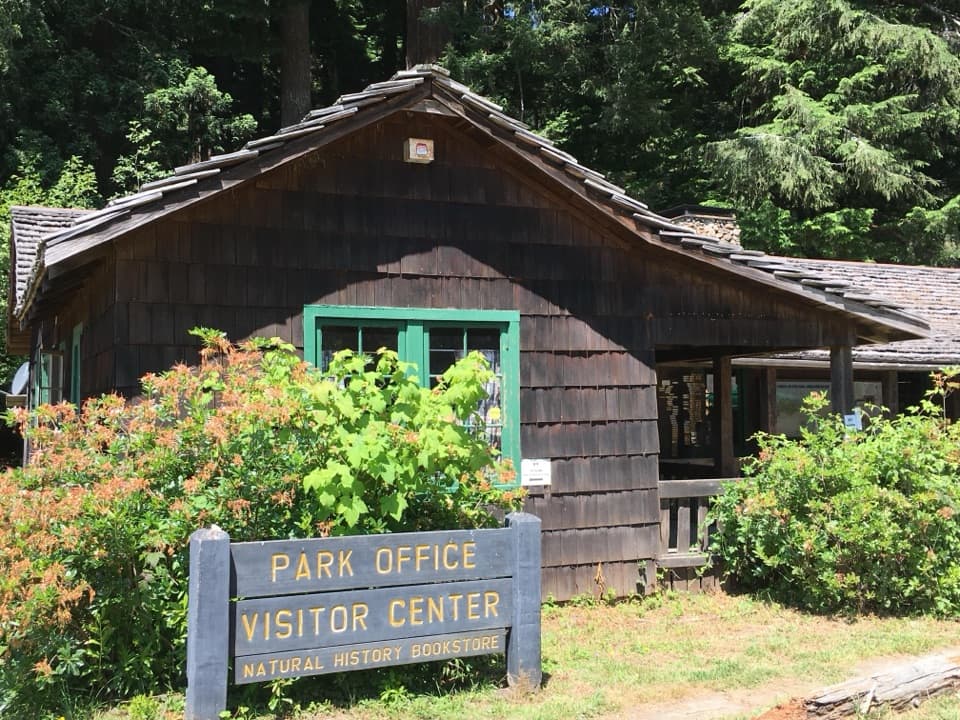 Visitor center · 0.8 mi awayPrairie Creek Visitor CenterA CCC cabin with redwood exhibits and trail advice.
 Picnic area · 1.2 mi awayElk Prairie Day Use AreaA picnic under old-growth redwoods at the prairie edge.
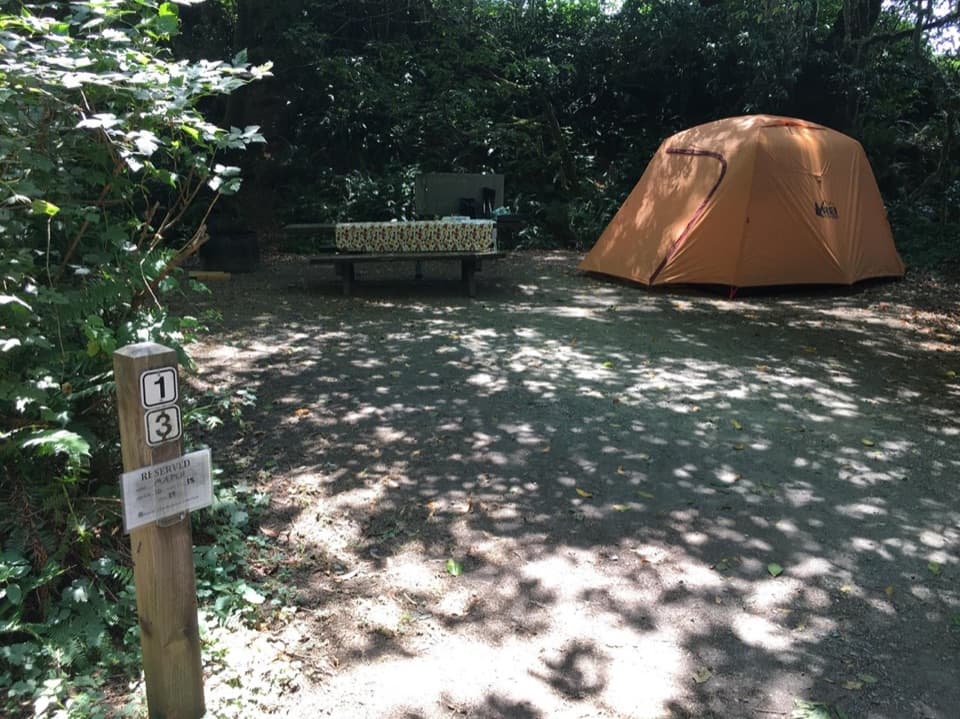 Campground · 1.2 mi awayElk Prairie CampgroundA leafy base near elk meadow and old-growth trails
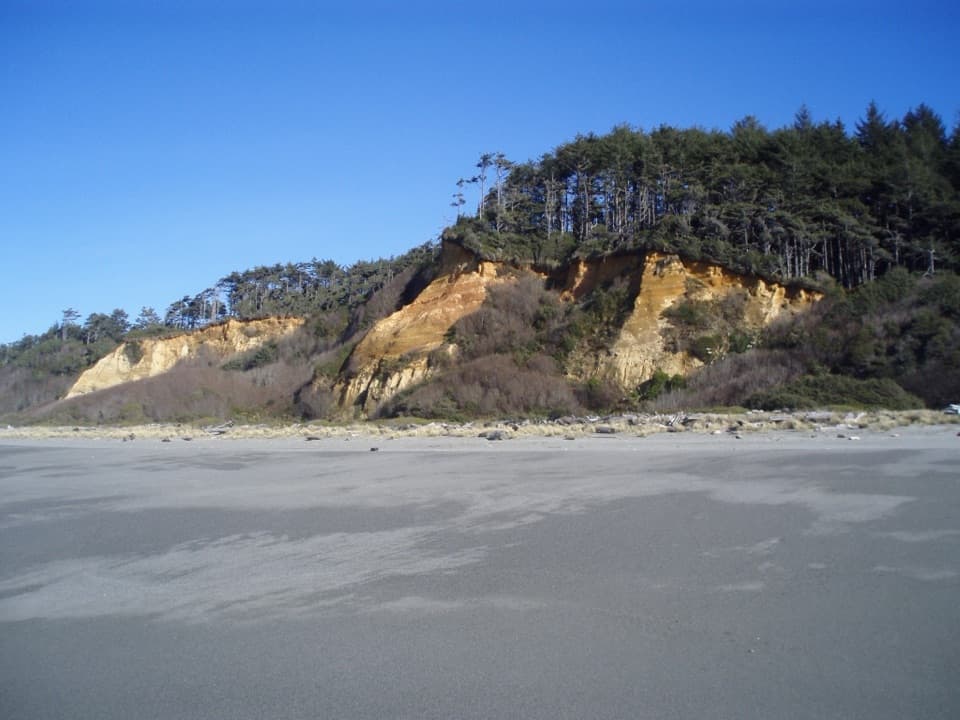 Beach · 2.9 mi awayGold Bluffs Beach Day Use AreaA long gray-sand beach below orange bluffs and coastal forest.
 Campground · 3 mi awayGold Bluffs Beach CampgroundSleep beside the Pacific, with Fern Canyon up the road.
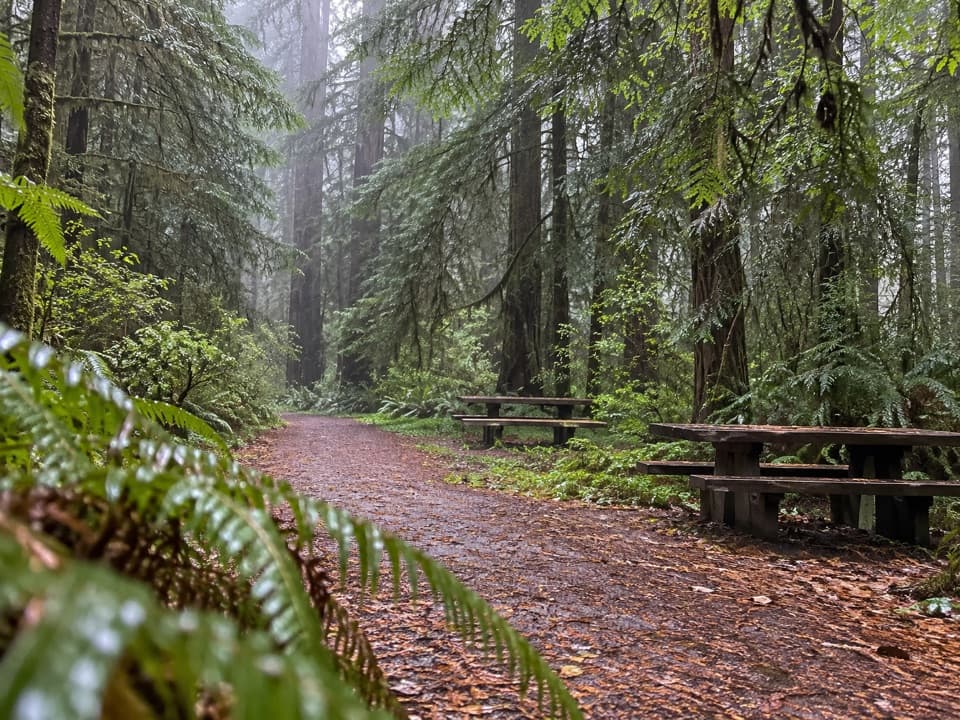 Picnic area · 3.2 mi awayLost Man Creek Picnic AreaA simple picnic stop with an easy first mile by the creek.
Parkwolf’s Redwood ranking

The audio tour guide for the drive, plus offline maps, trails, and wildlife heatmaps for when the signal drops.