Parking
Use the marked Little Bald Hills Trailhead at the east end of Howland Hill Road. RVs and trailers are not advised on the road.
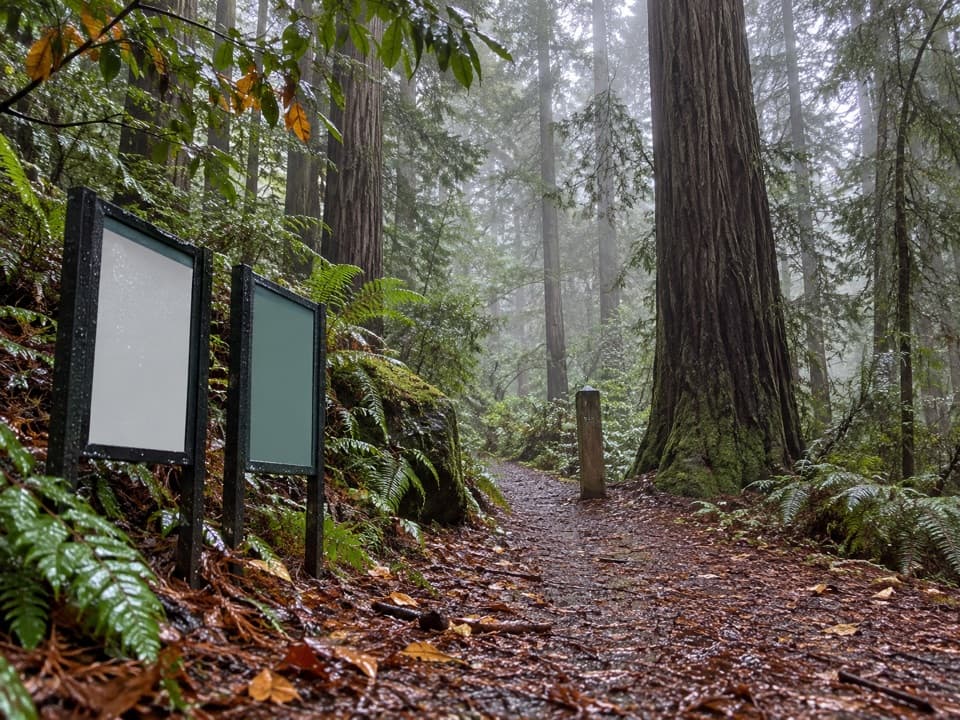
Redwood National Park, CA
A long climb through redwoods to a quiet, open ridge.
Overview
Map & elevation
Plan your hike

The highest, rockiest slopes around here are a summer buffet for grizzly bears.
Redwood Tour Guide
Parkwolf is a GPS audio tour guide for Redwood National Park. As you drive, it chimes in with what’s ahead: hidden gems, upcoming stops, history, geology, and wildlife, right through your car’s speakers.
See the Redwood audio tourRecorded for this trailhead
River Trail“Ahead on Howland Hill Road is the River Trail access, for a walk beside the Smith River under old-growth redwoods. Allow about an hour and a half for the roughly two-mile return, with moderate, uneven grades.”
Plays as you drive up to this trailhead in the Parkwolf Redwood Tour Guide.
More stories near here in the app
“Fantastic app with many points of information… It’s great to just turn on while you’re driving and it gives you an audio tour of the national Park. We love it!!!!”


Trail guide
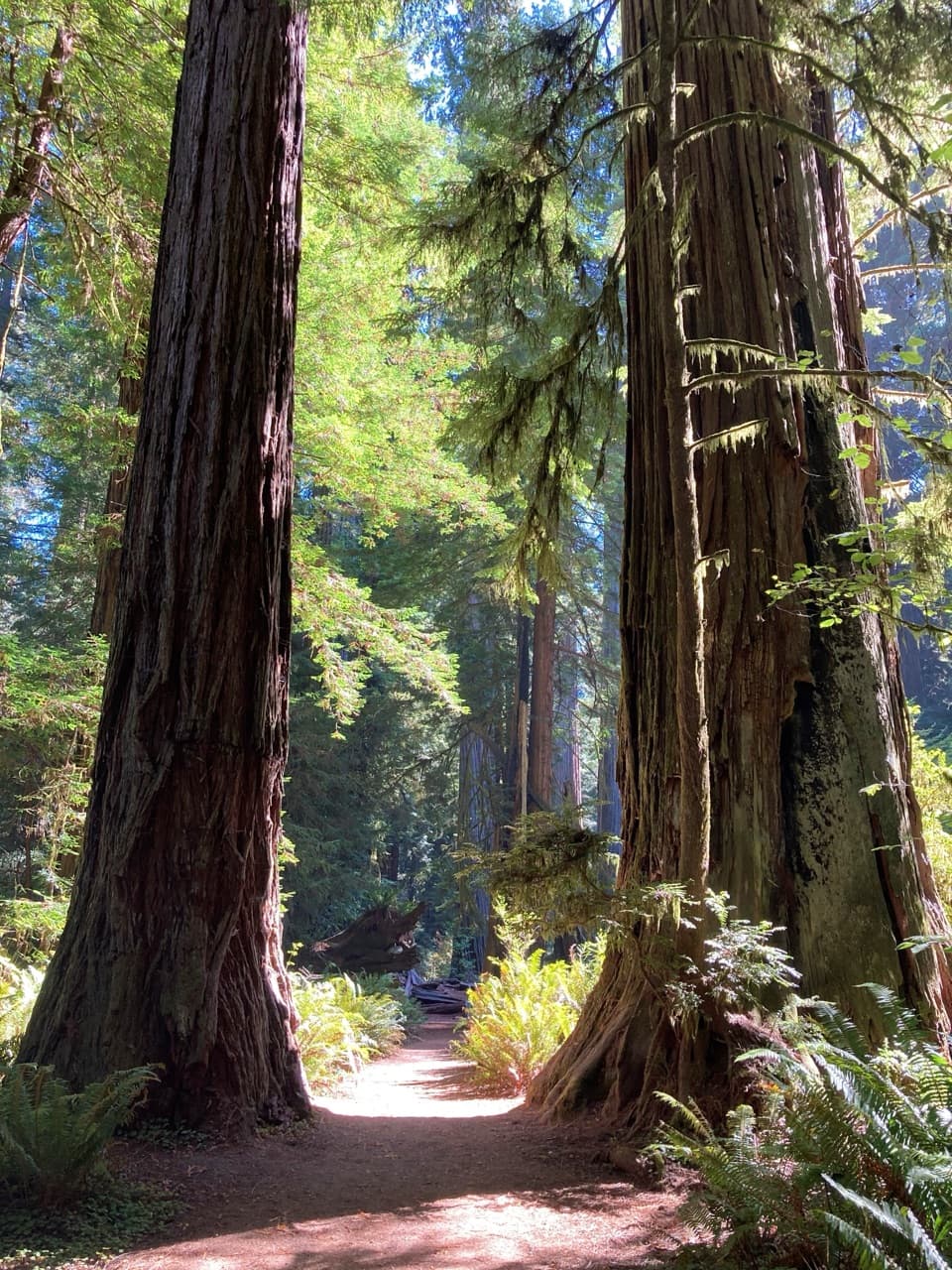
Little Bald Hills Trail is a 9.6-mile out-and-back from the marked trailhead at the east end of Howland Hill Road to the park boundary and back. The boundary is 4.8 miles from the start, with about 1,800 feet of climbing on sustained grades and switchbacks. Allow about five to six hours with stops. It suits hikers who want a substantial climb through changing forest; most of this park-side stretch is enclosed, so come for the walk rather than a grand overlook.
The first miles climb through redwoods toward Little Bald Hills Backcountry Camp, about 3.3 miles in. That makes a shorter turnaround of roughly 6.6 miles if you retrace from camp. The trail continues another 1.5 miles to the boundary; from there, five more miles on Paradise Flat Trail reach South Fork Road. That is a separate point-to-point outing with different transport, not part of the 9.6-mile return described here.
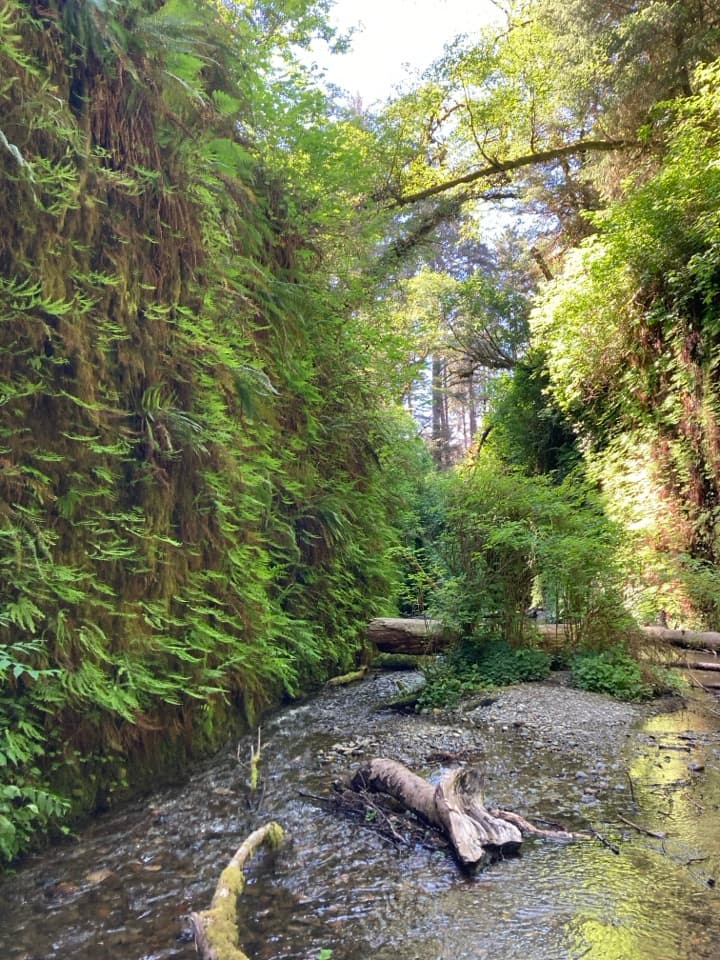
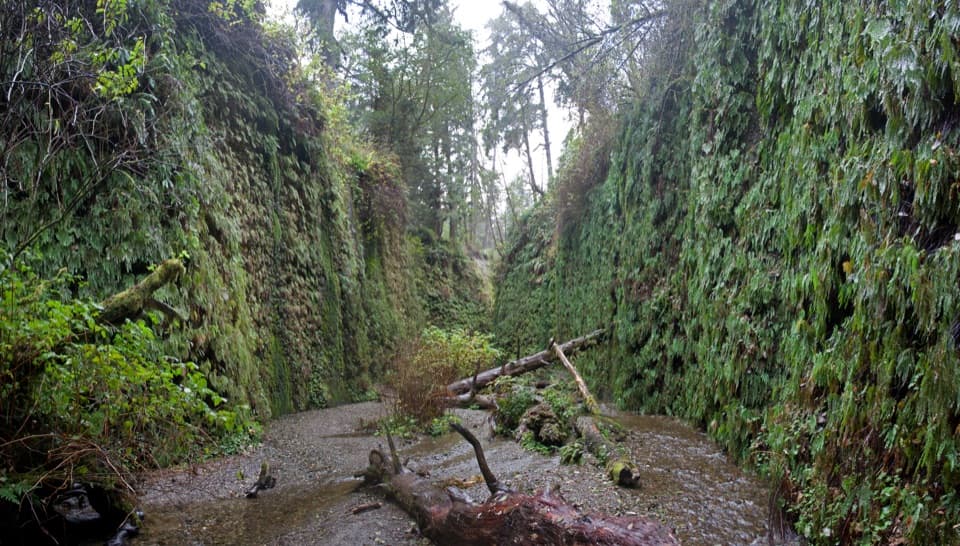
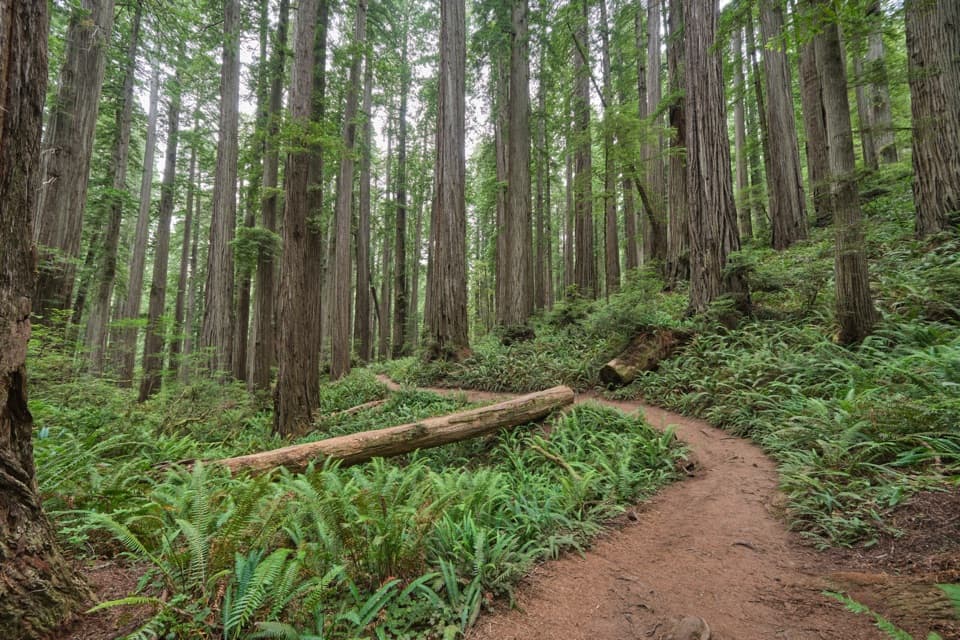
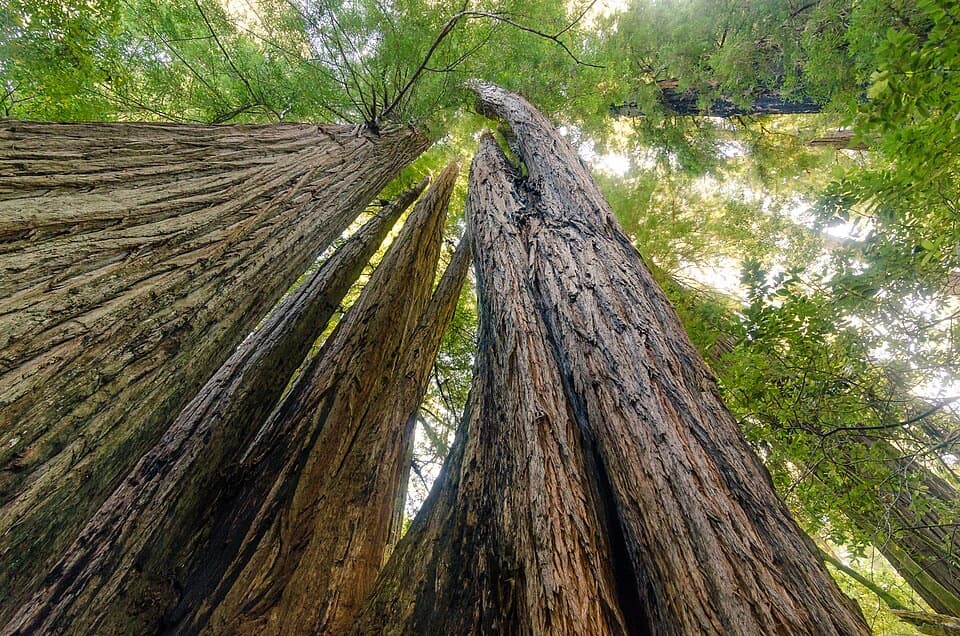
The path starts in ferny redwood forest on old marine sediment, then climbs into mottled serpentine where Port-Orford cedar, Douglas-fir, and coffeeberry grow. Higher up, red clay supports knobcone pine, huckleberry, and azalea. Near the ridge, the trees open into prairie and shrubland on pale acidic soil, with beargrass and hairy manzanita. The changing plant life is the hike’s main reward.
The opening stretch is lush and shaded, with tall shrubs beside the tread. It steepens into old-growth uplands, then crosses a logged patch of young redwoods before a gravel bypass around cedar-root disease. A brighter Douglas-fir grove follows. Past the camp spur, the route is less maintained and climbs to a broad, pine-dotted savanna ridge. Expect only short glimpses toward the Mill Creek watershed and coast, not a continuous panorama.
Part of the climb follows the Kelsey pack trail, used from 1855 to 1909 to supply mining camps and settlements in the Klamath Mountains. Its old alignment later became a fire road, then was returned to trail with switchbacks in the 1980s. You are walking a route shaped by both the forest and the region’s mining-era travel.
Little Bald Hills Camp has a pit toilet, food-storage boxes, picnic table, fire ring, and a horse corral. Its water is seasonal and untreated, so bring enough water or a treatment method; do not count on potable water along the hike. Overnight camping requires a backcountry permit. Hikers share this multi-use trail with bicycles and pack animals. Pets are prohibited on park trails; service animals are allowed.
Wildlife
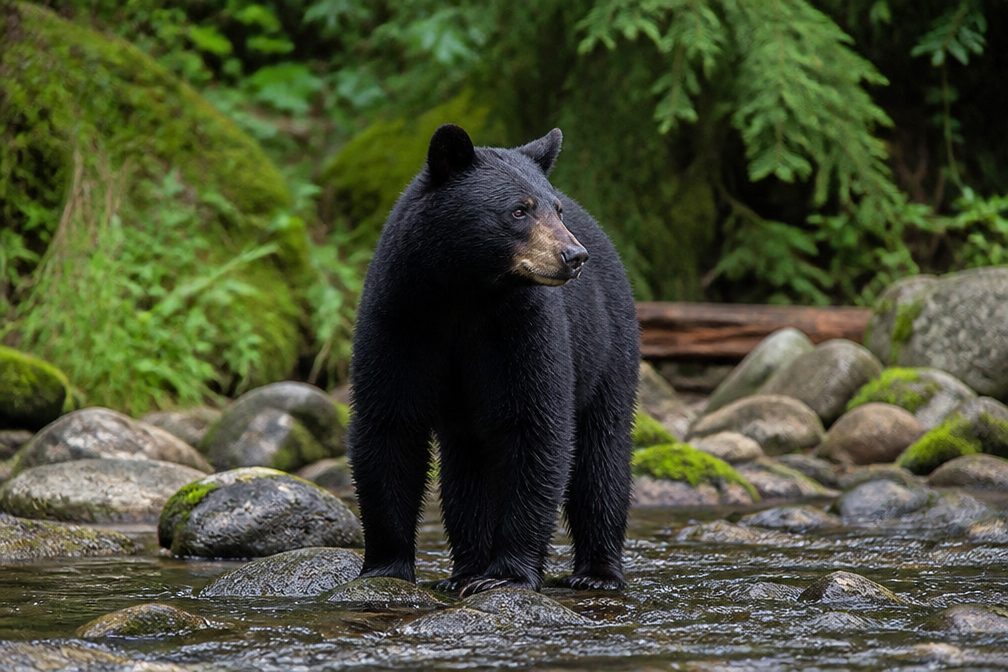 256 sightingsBlack BearMost seen around 7 PMSighting map
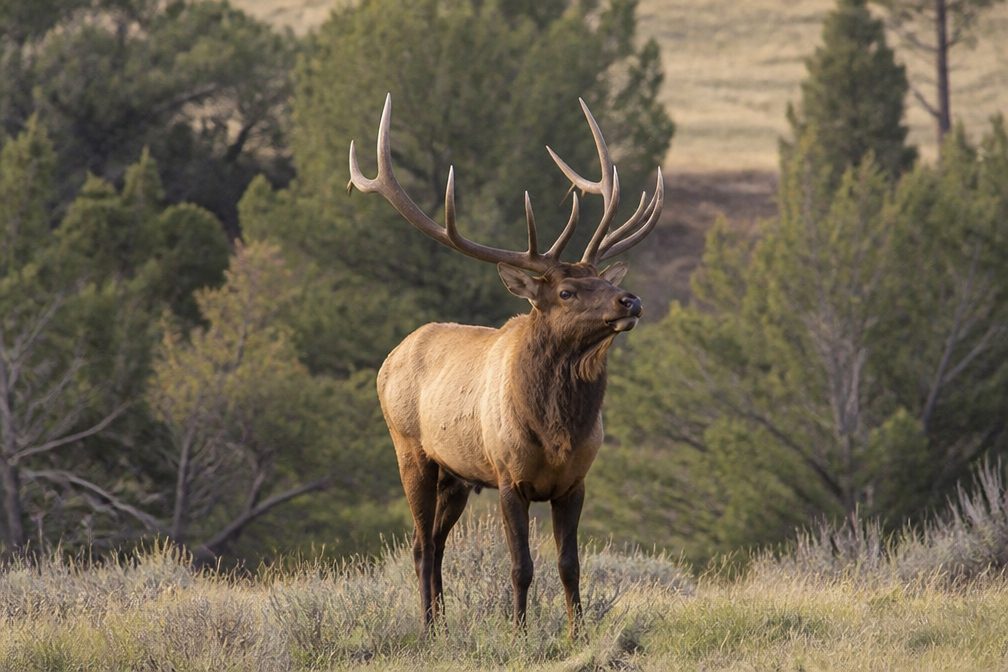 2,389 sightingsElkMost seen around 6 PMSighting map
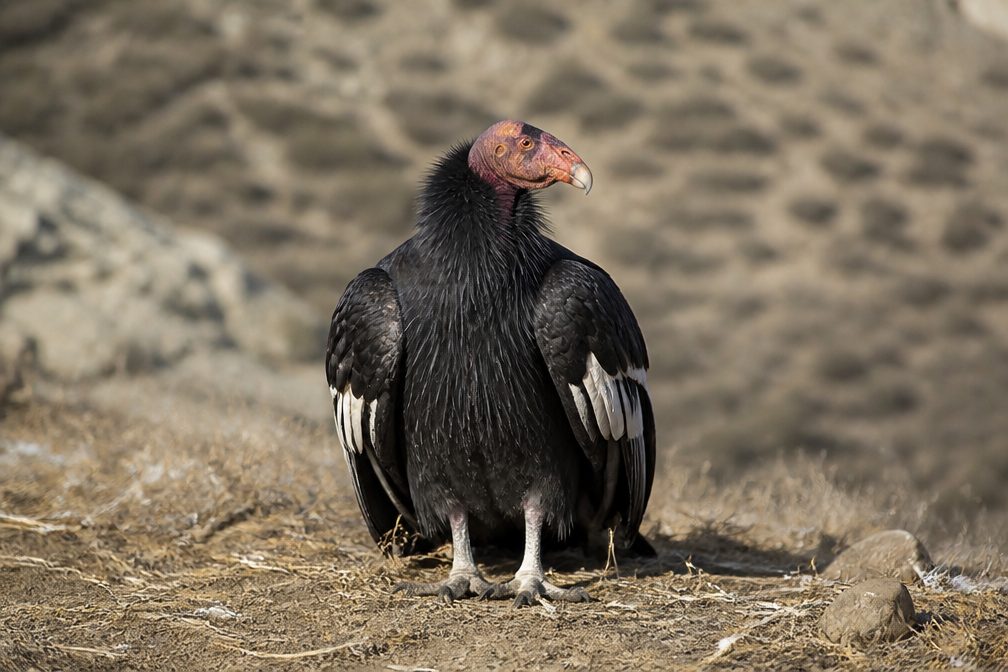 62 sightingsCalifornia CondorMost seen around 1 PMSighting map
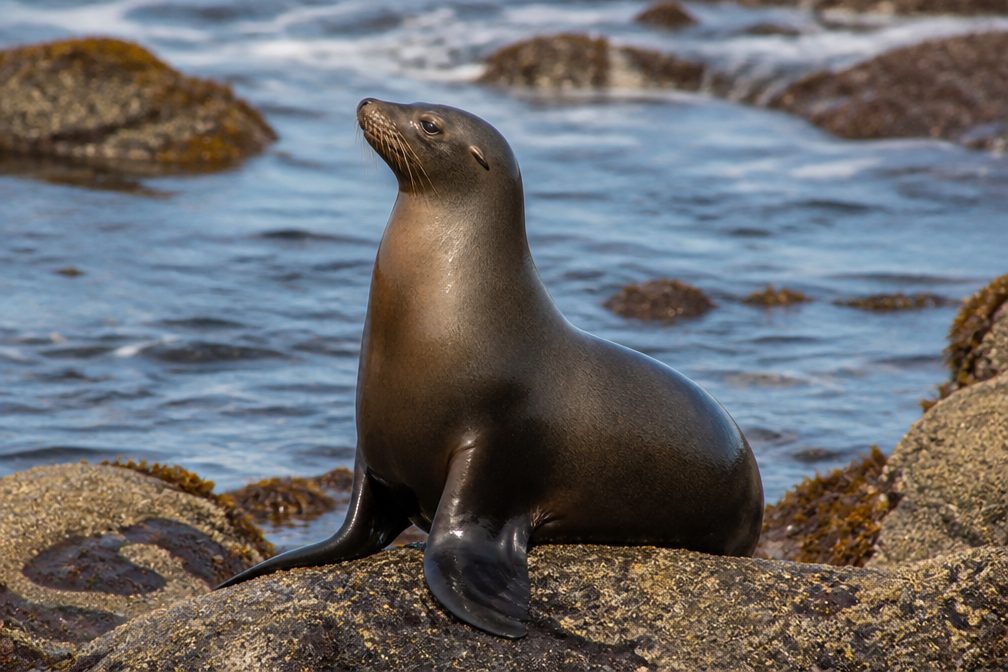 60 sightingsCalifornia Sea LionMost seen around 11 AMSighting map
 216 sightingsHarbor SealMost seen around 10 AMSighting map
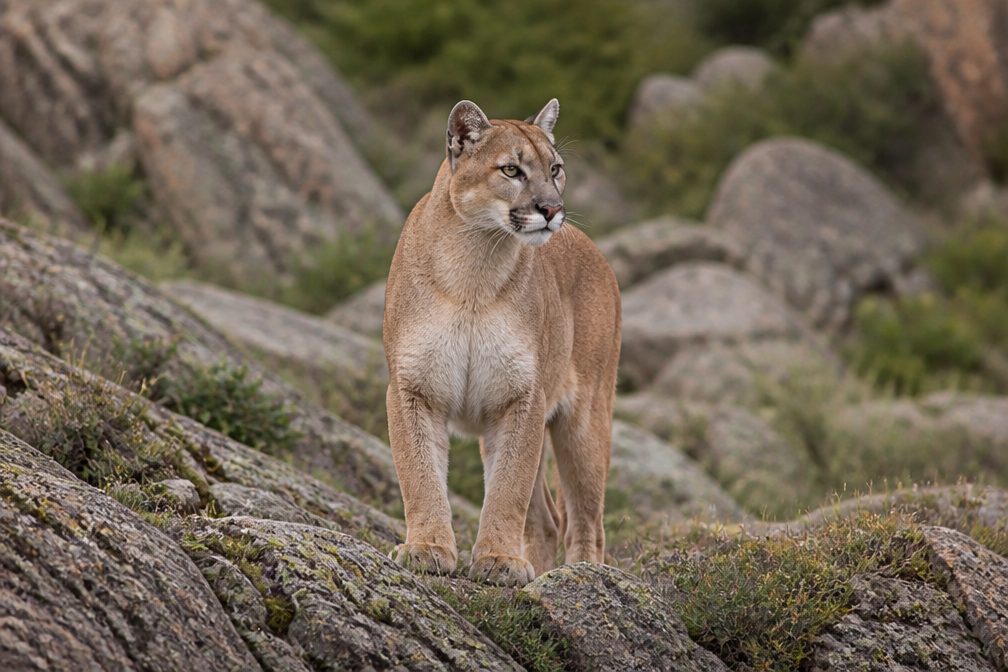 13 sightingsMountain LionMost seen around 7 PMSighting map
Sighting maps show where each species has been reported across Redwood. Wildlife moves, so no sighting is guaranteed.
Keep exploring
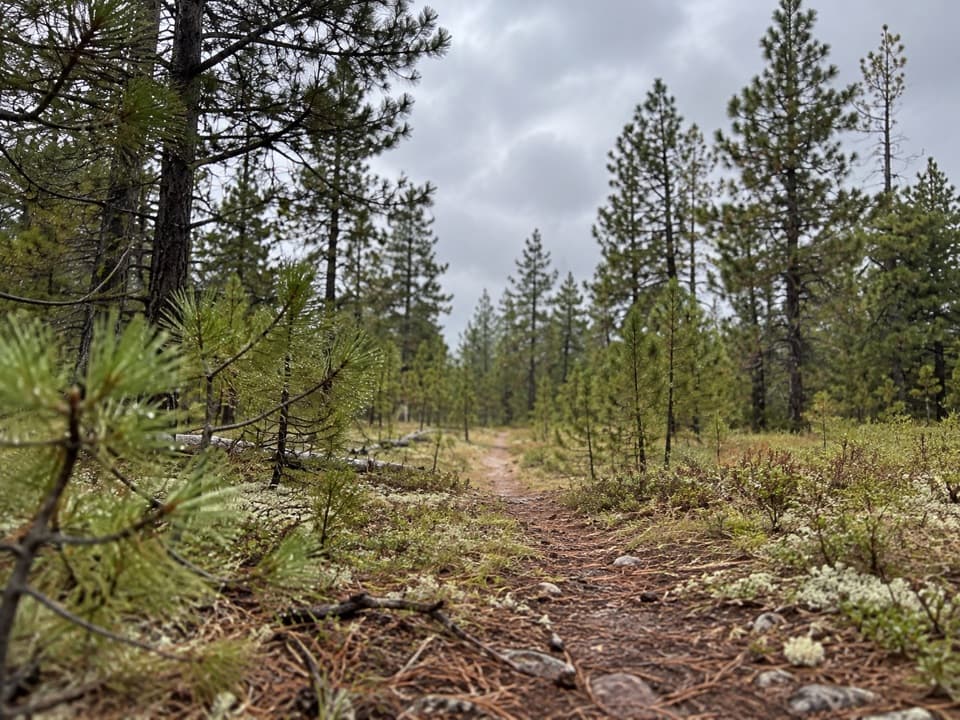 ChallengingBigfoot Trail: Little Bald Hills-Paradise Section9.8 mi · 6 hr · At the trailheadA redwood climb that trades shade for open ridge and river views.
 ModerateRiver Trail1 mi · 45 min · At the trailheadA mile-long river walk beneath old-growth redwoods.
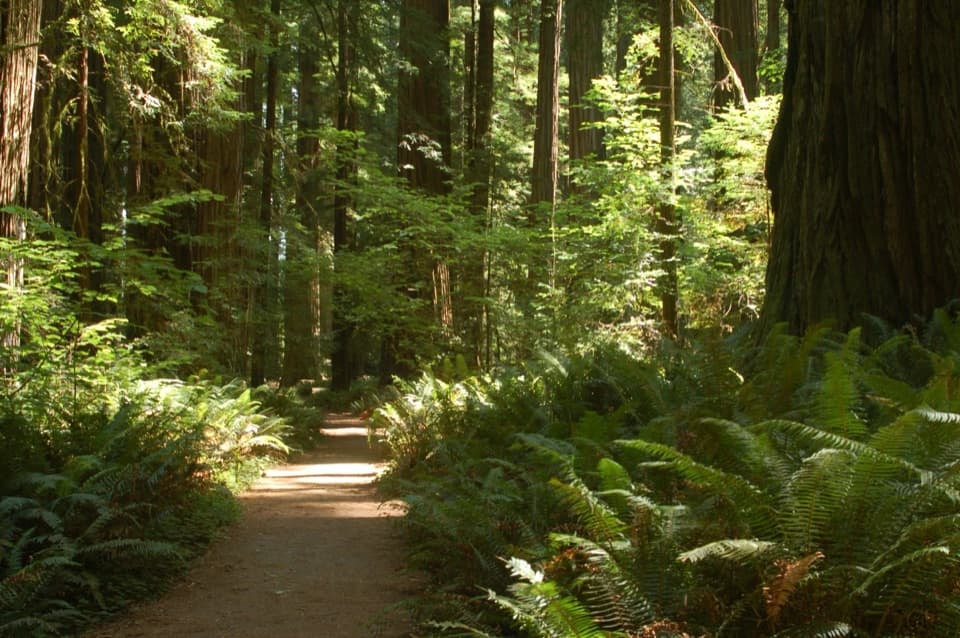 EasyStout Memorial Grove Trail0.6 mi · 45 min · 0.6 mi awayShort loop beneath old-growth giants, with an optional Smith River spur.
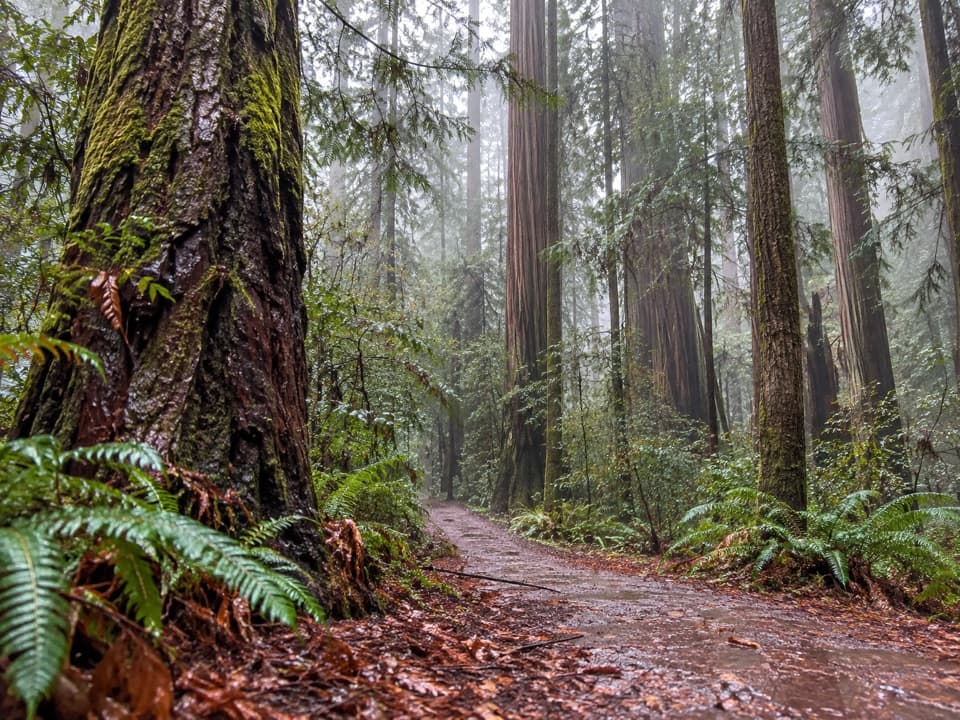 EasyJedediah Smith Nature Loop0.6 mi · 30 min · 1.1 mi awayA short woodland loop with one small redwood grove.
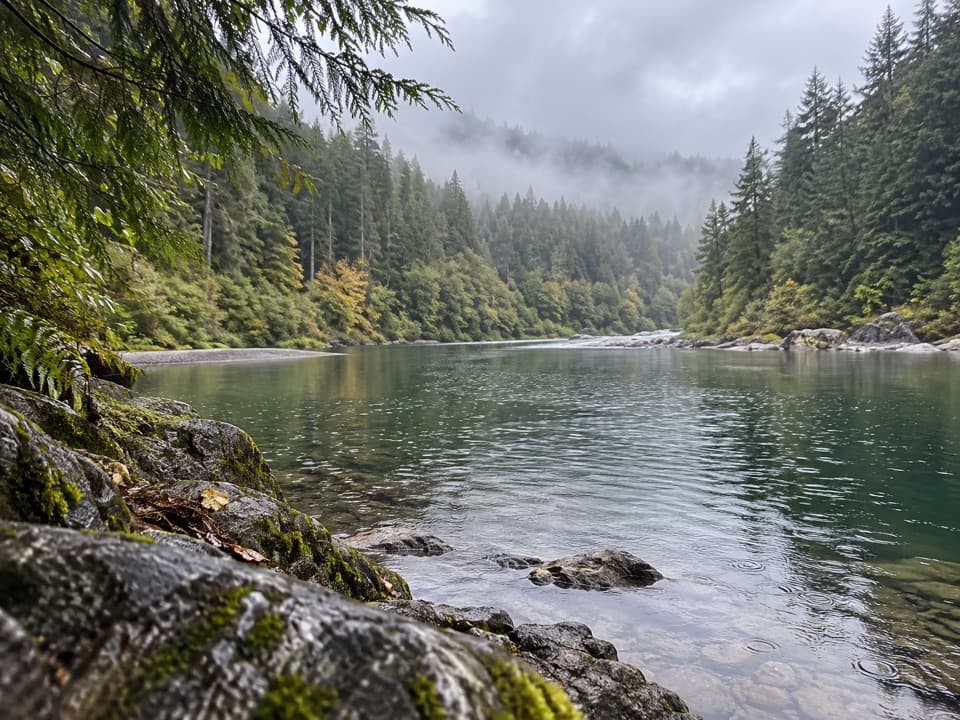 ModerateHiouchi Trail2 mi · 1.5 hr · 1.3 mi awayWalk the Smith River terrace through redwoods and two ravines.
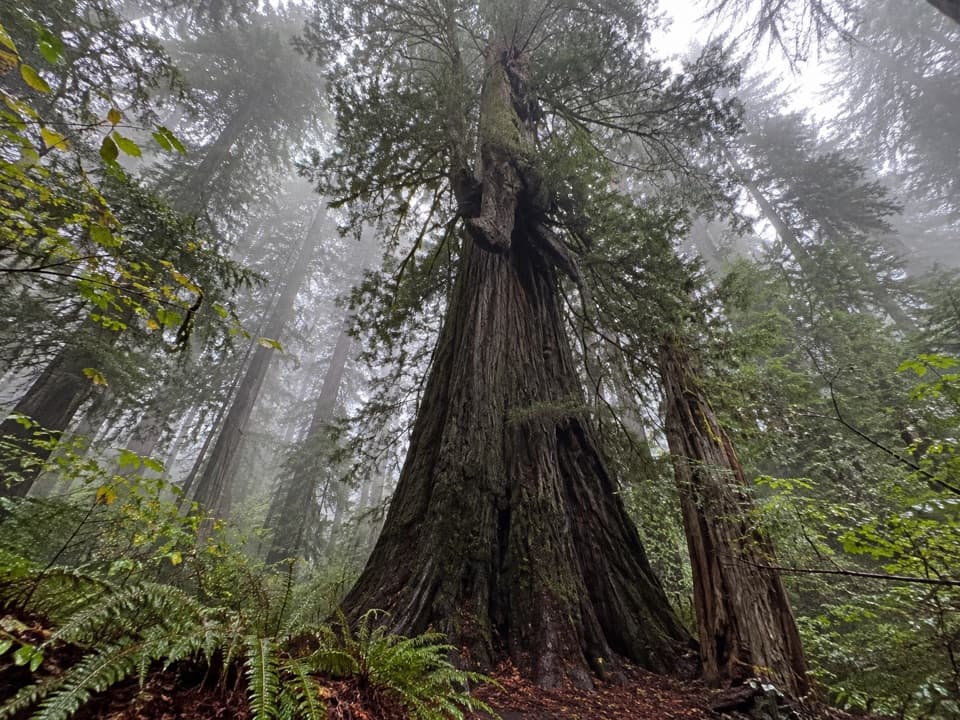 EasyGrove of Titans Trail1.8 mi · 1.5 hr · 1.8 mi awayA raised boardwalk brings you among giants without trampling their roots.
 ModerateMill Creek Trail2.6 mi · 2.5 hr · 1.8 mi awayCreekside redwoods lead to a raised Grove of Titans boardwalk.
 ModerateHatton-Hiouchi Trail1.2 mi · 45 min · 2 mi awayA redwood ridge climb linking Hatton access to the Hiouchi Trail.
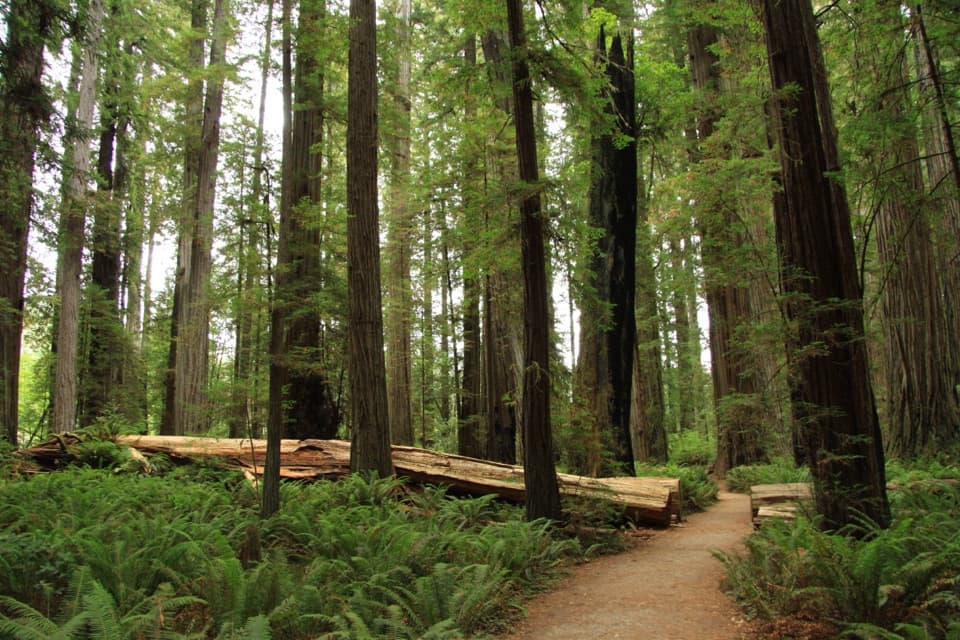 Sight · 0.5 mi awayStout Memorial GroveStand beneath redwoods that rise about 300 feet.
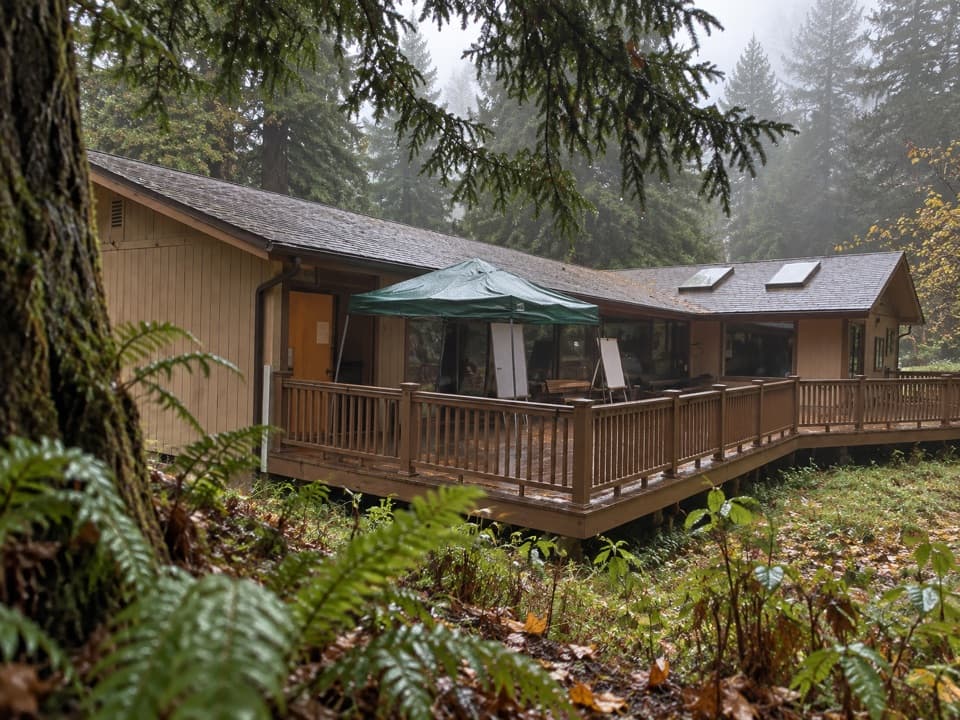 Visitor center · 0.7 mi awayHiouchi Visitor CenterPick up maps and ranger advice, then see Tolowa and redwood exhibits.
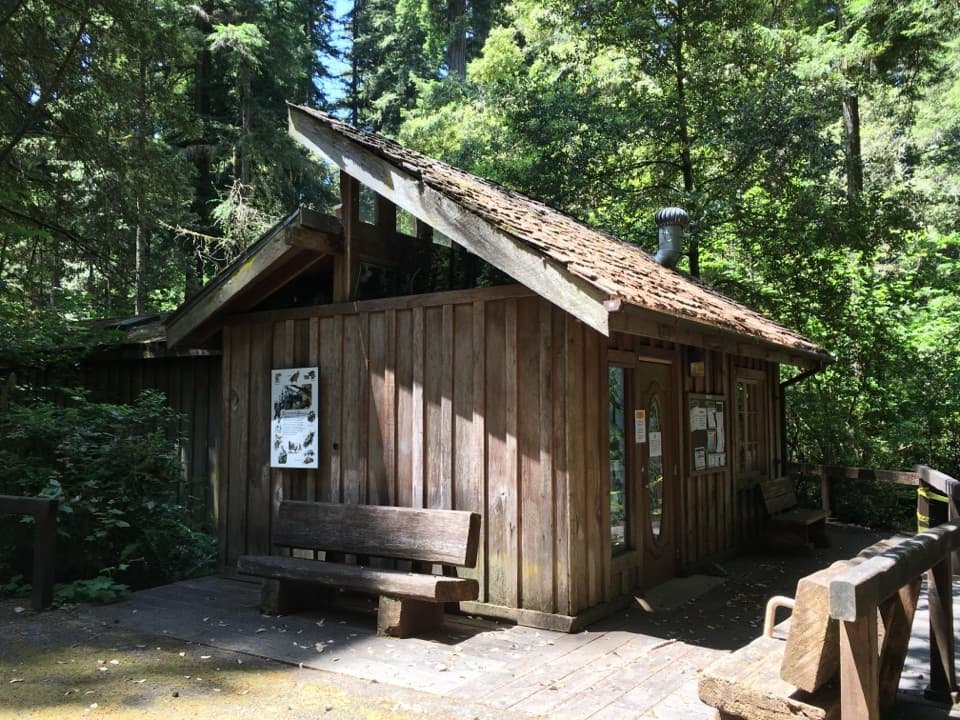 Visitor center · 0.9 mi awayJedediah Smith Visitor CenterFriendly staff help you pick a grove, trail, or quiet redwood road.
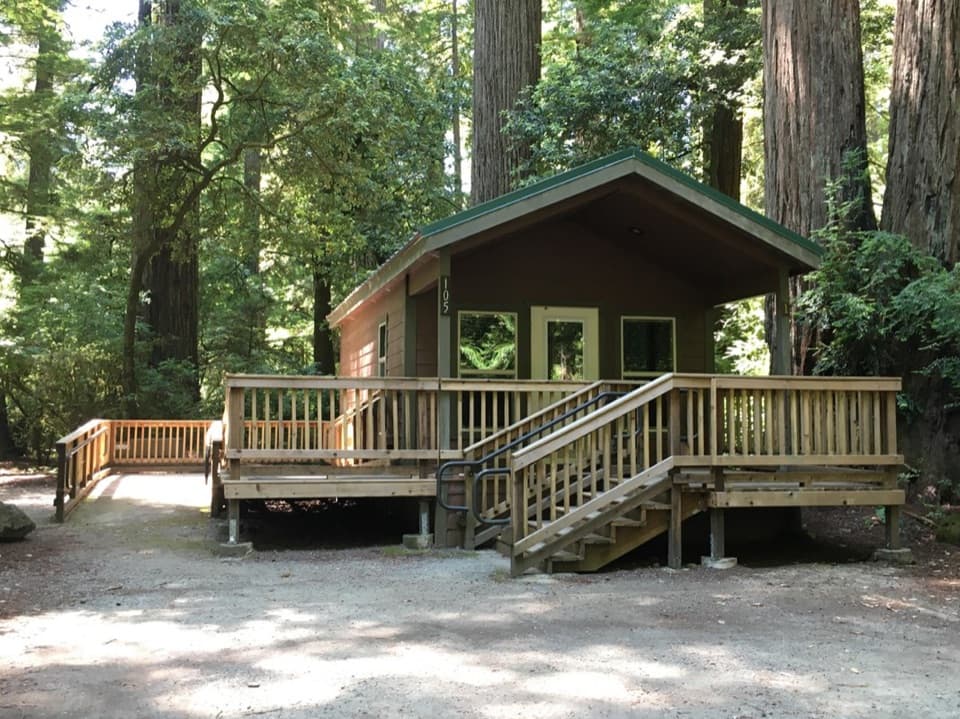 Campground · 0.9 mi awayJedediah Smith CampgroundStay among old-growth redwoods beside the Smith River.
 Picnic area · 0.9 mi awayJedediah Smith Redwoods Day Use AreaA cobbled Smith River shore with a summer footbridge to Stout Grove.
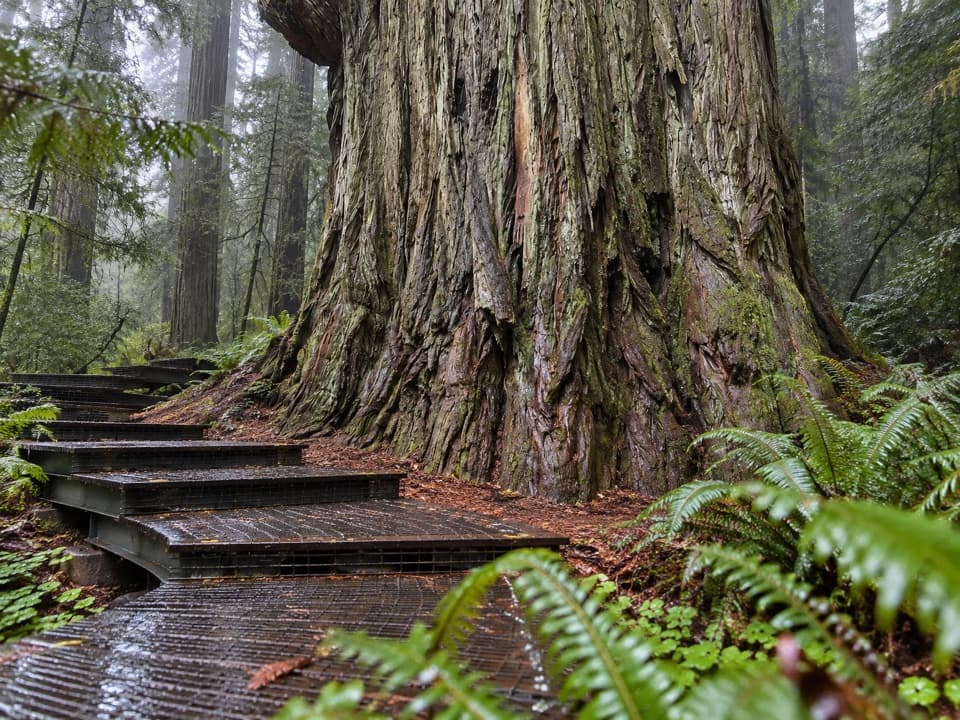 Sight · 1.6 mi awayGrove of TitansGet close to giants on a protected metal-mesh walkway.
 Campground · 1.9 mi awayLittle Bald Hills Backcountry CampA trail-access camp where grassy meadow meets fir forest.
 Sight · 2.4 mi awaySimpson-Reed GroveAn easy, flat walk through lush old-growth redwoods and ferns.
Parkwolf’s Redwood ranking

The audio tour guide for the drive, plus offline maps, trails, and wildlife heatmaps for when the signal drops.