
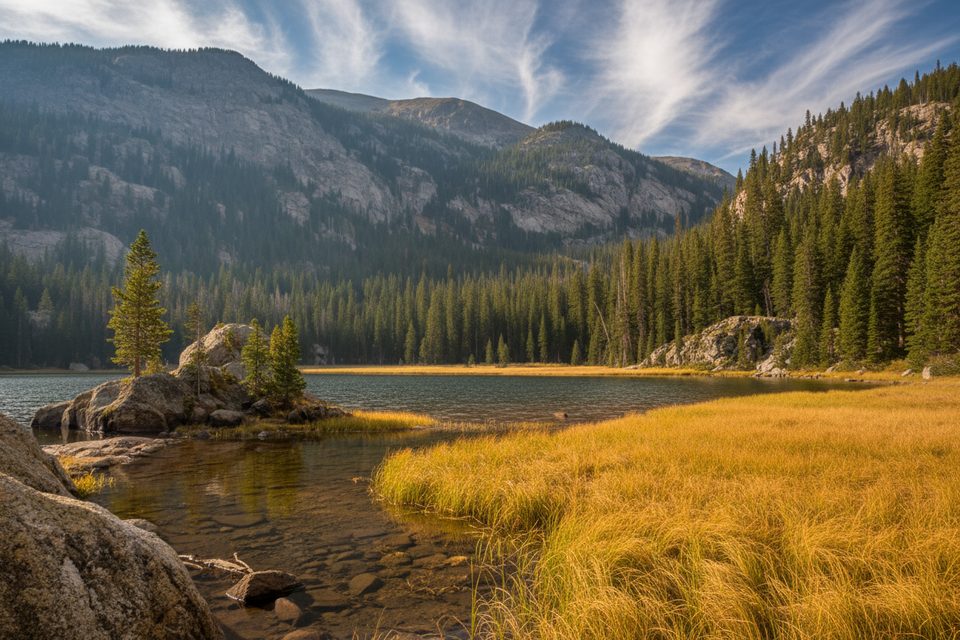
Place · 1.8 mi away
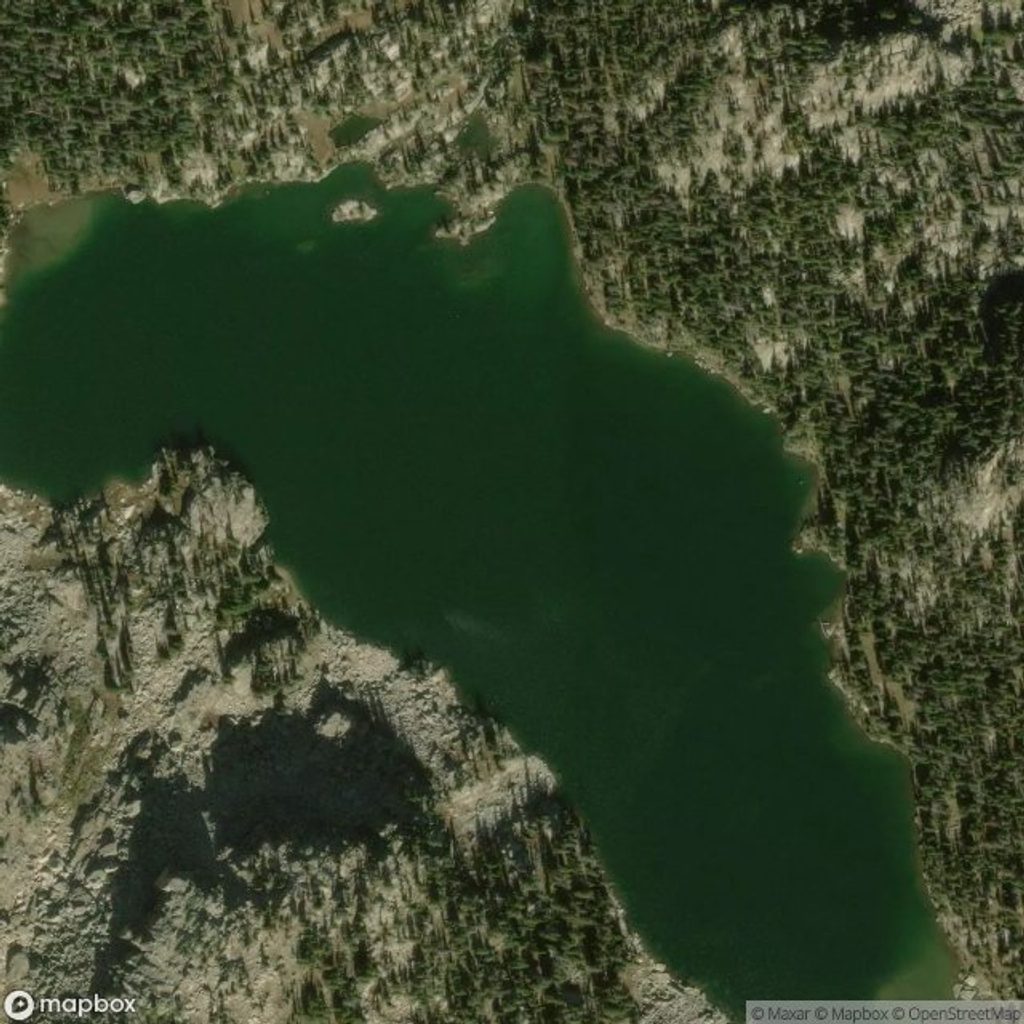
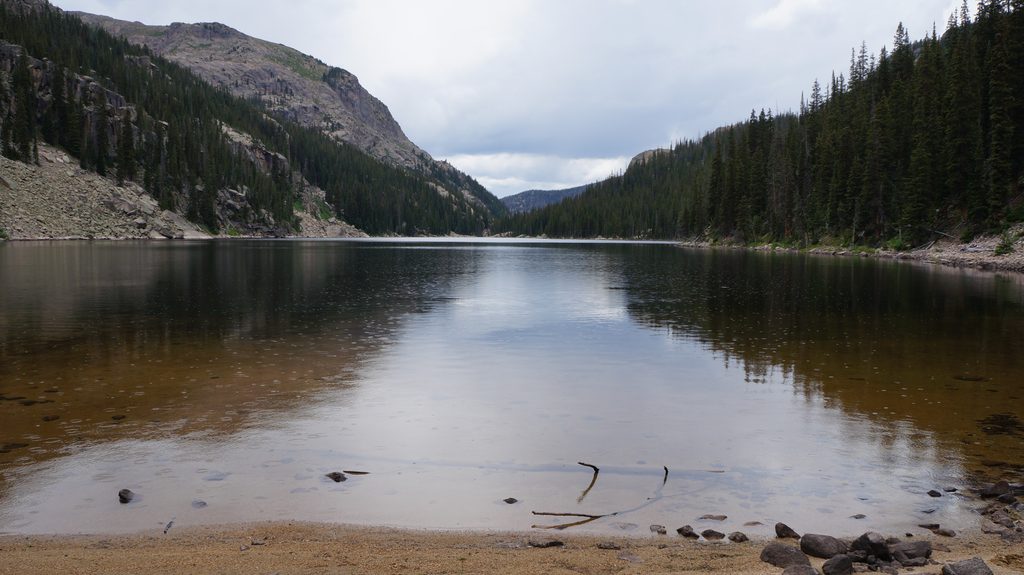
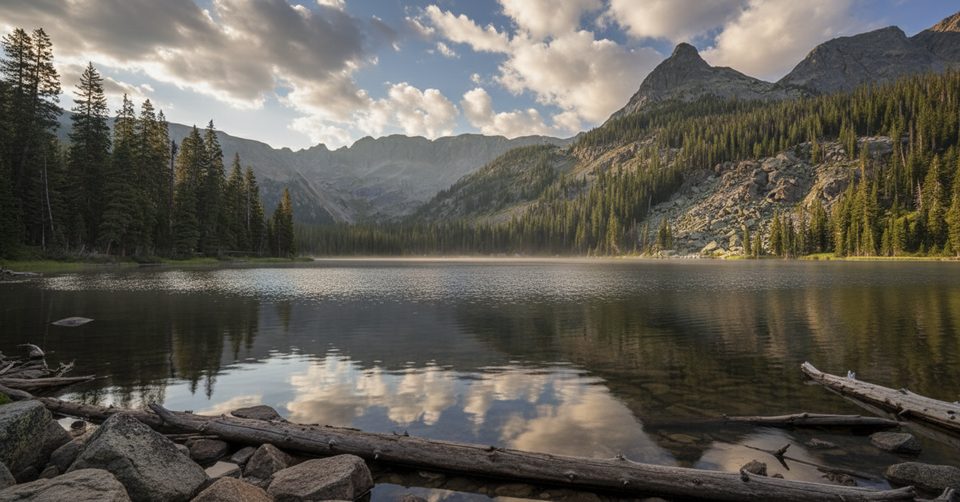
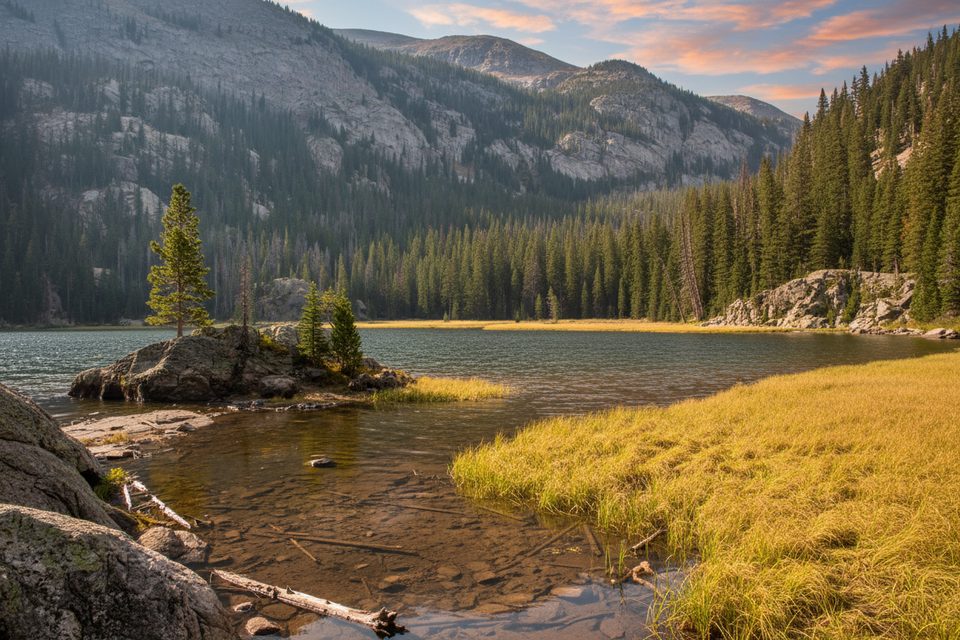
Lake Nanita sits at the head of an isolated, glacially carved valley on the park’s quieter west side. Reached via the North Inlet corridor, it feels truly wild—clear water tucked beneath rugged ridges with big, quiet views. Camping is not permitted at Nanita (or neighboring Lake Nokoni), which keeps the basin peaceful and undisturbed.
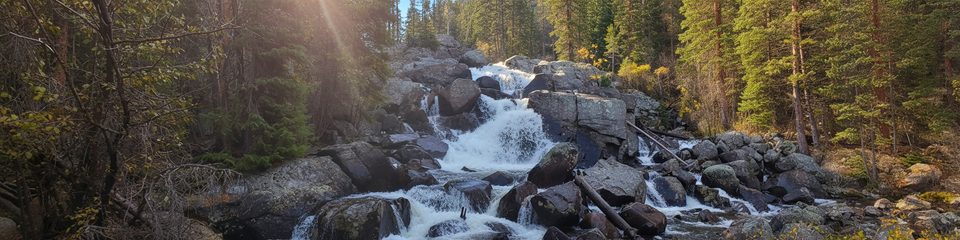
From the North Inlet Trailhead near Grand Lake, follow a long, mostly moderate valley hike for roughly 7.5 miles to the junction, then climb steeply past Lake Nokoni and over a saddle to reach Nanita. Expect about 10.8 miles one way (20.7–21.8 miles round trip) with roughly 3,400+ feet of total gain. Classic stops en route include Cascade Falls and Big Pool before the real climbing begins.
This is textbook glacial country: ice-polished rock, tiered “shelves,” and a hanging valley that cradles Nokoni and Nanita. The upper basin is dramatic—ridges and the Ptarmigan towers rise above Nanita—while the approach offers meadows, cascades, and long valley views. Lower sections show burn scar from recent fires, which means more sun exposure but also wildflowers and open mountain vistas.
Moose and elk commonly use the meadows and riparian zones along North Inlet. Give moose a very wide berth. Birdlife is active in summer, and you may spot marmots higher up. Trout are present, but fishing is not permitted in Lake Nanita; limited catch-and-release is allowed lower in the creek.
No camping is allowed at Lake Nanita or Lake Nokoni. Instead, plan to use the designated backcountry camps along the North Inlet corridor (permits required; bear canisters are the norm). This setup keeps the lakes quiet and helps preserve the fragile alpine basin.
The steep segment between Nokoni and Nanita can hold snow and ice into July; traction and poles can be necessary in early season, and some parties turn around if conditions feel above their comfort. Expect occasional deadfall or bridge damage after winter. Weather shifts fast—afternoon thunderstorms are common, so plan to be descending before they build.
Start at dawn for cooler temps, fewer people, and a better shot at calm water and wildlife. Weekdays are quieter. Late July through September typically offers the best chance for dry, snow-free travel, but always check recent reports. In peak season, timed-entry rules may apply on the west side during daytime hours—verify before you go.
Break the trip into an overnight using designated sites along North Inlet if you’re not up for a 20+ mile day. Hit Cascade Falls on the way in but save your long break for the lakes. Carry and treat water from North Inlet Creek and higher tarns, and pack robust sun protection for burn areas.
Place · 1.8 mi away
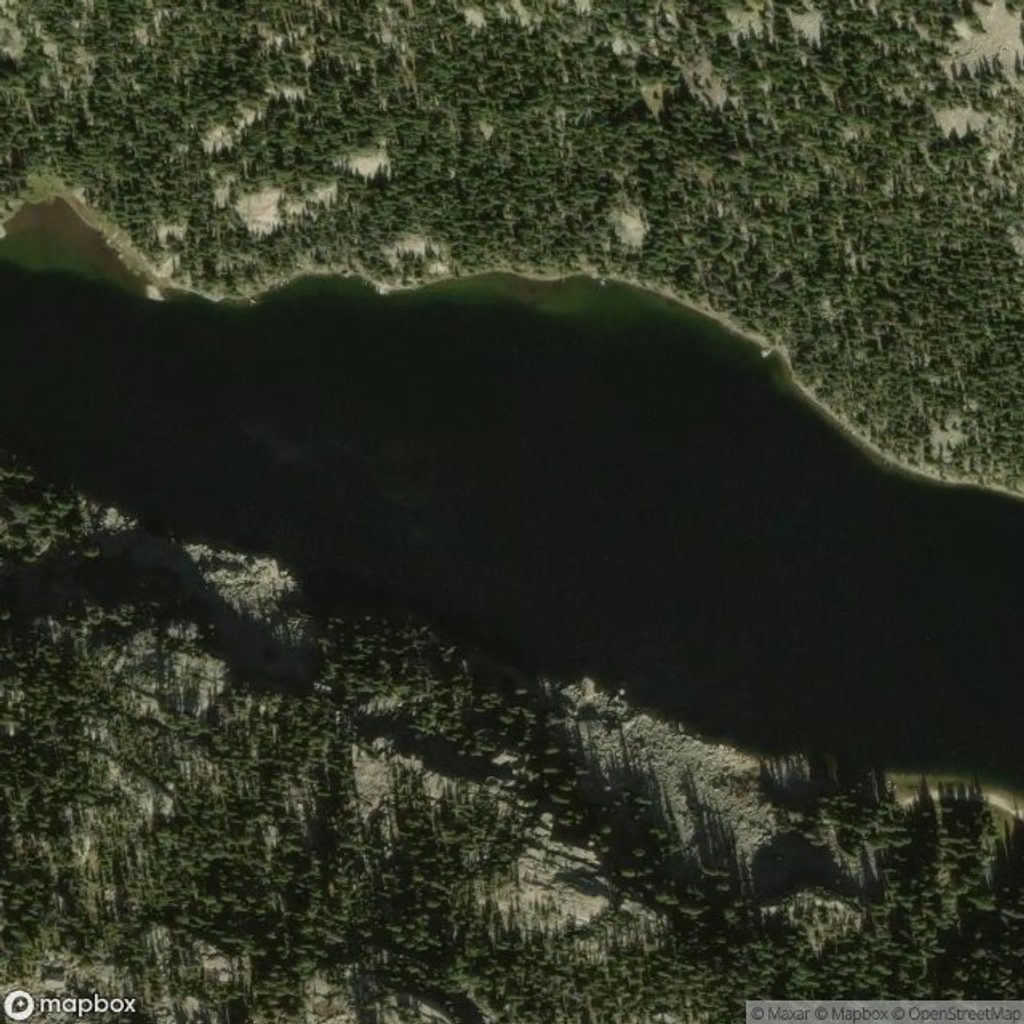
Place · 2.1 mi away
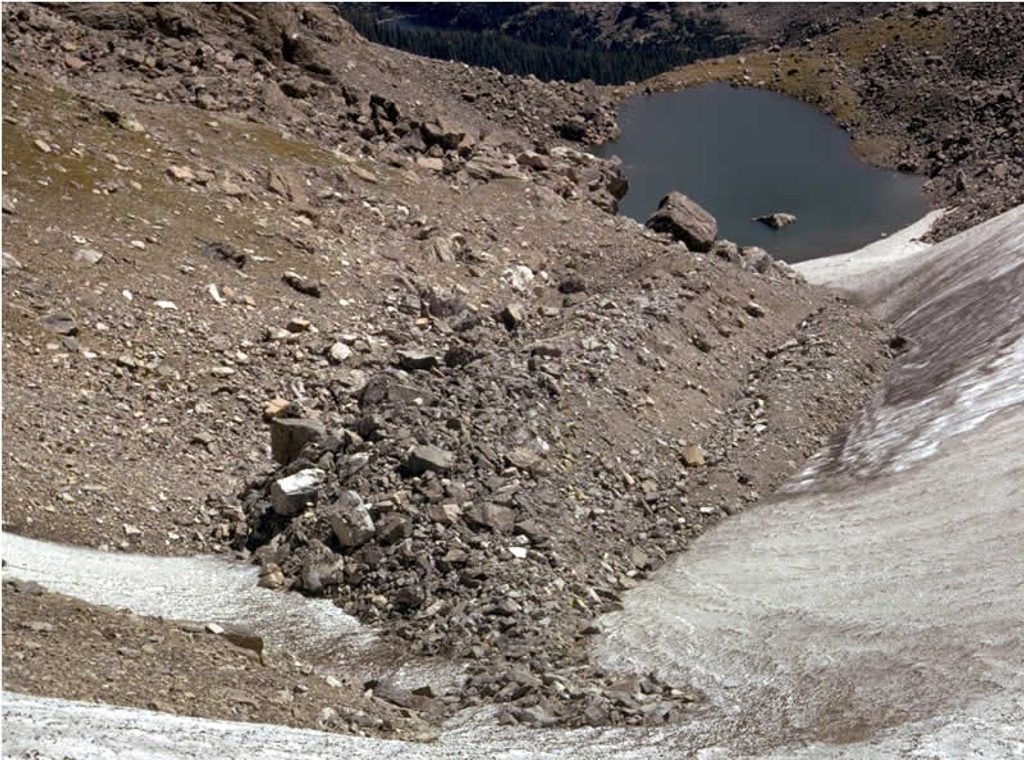
Place · 2.8 mi away
Place · 2.8 mi away
Challenging · 4.5 mi away
Challenging · 4.5 mi away
Challenging · 4.5 mi away
Moderate · 4.5 mi away

Parkwolf Tour Guide
