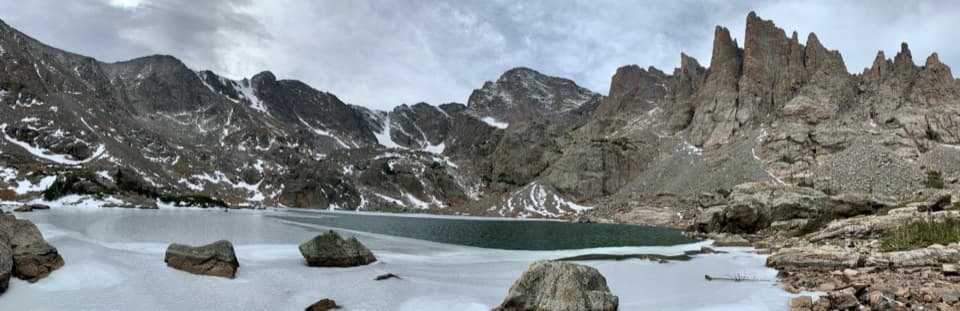
Lone Pine Lake

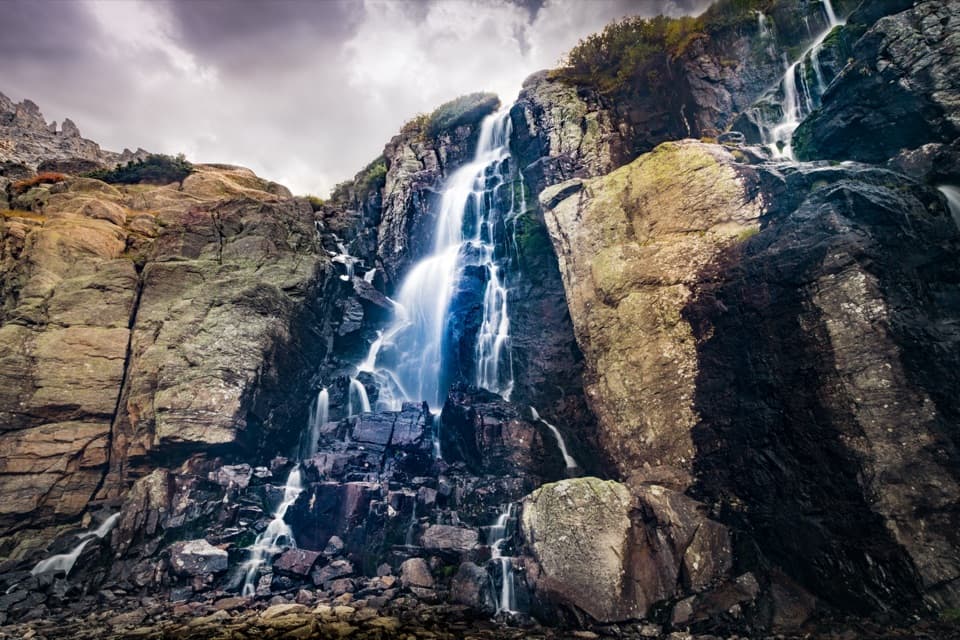
Glacial lake at the end of a waterfall-filled, quieter west-side hike
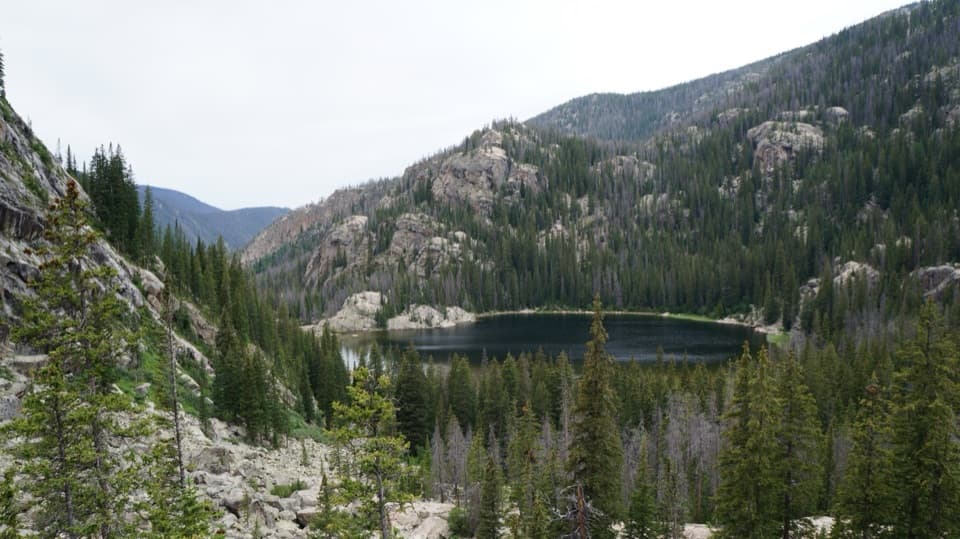
Lone Pine Lake, Rocky Mountain National Park
InsideRocky Mountain National Park

Overview

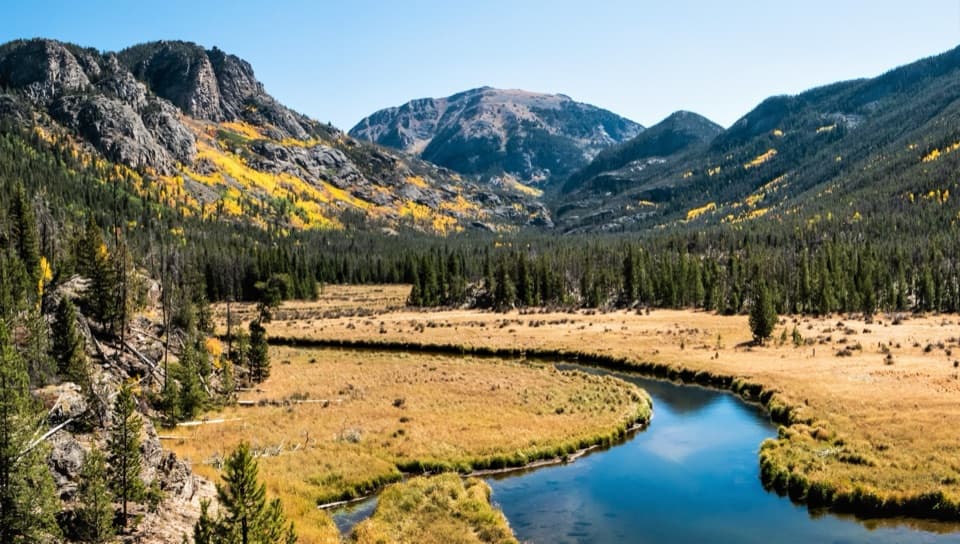
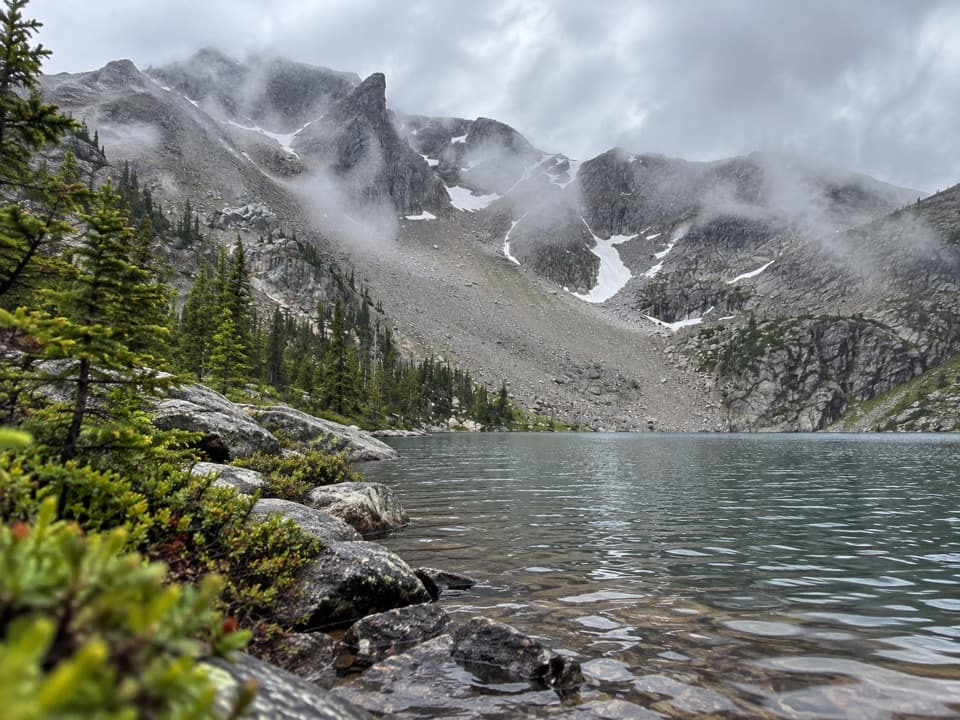
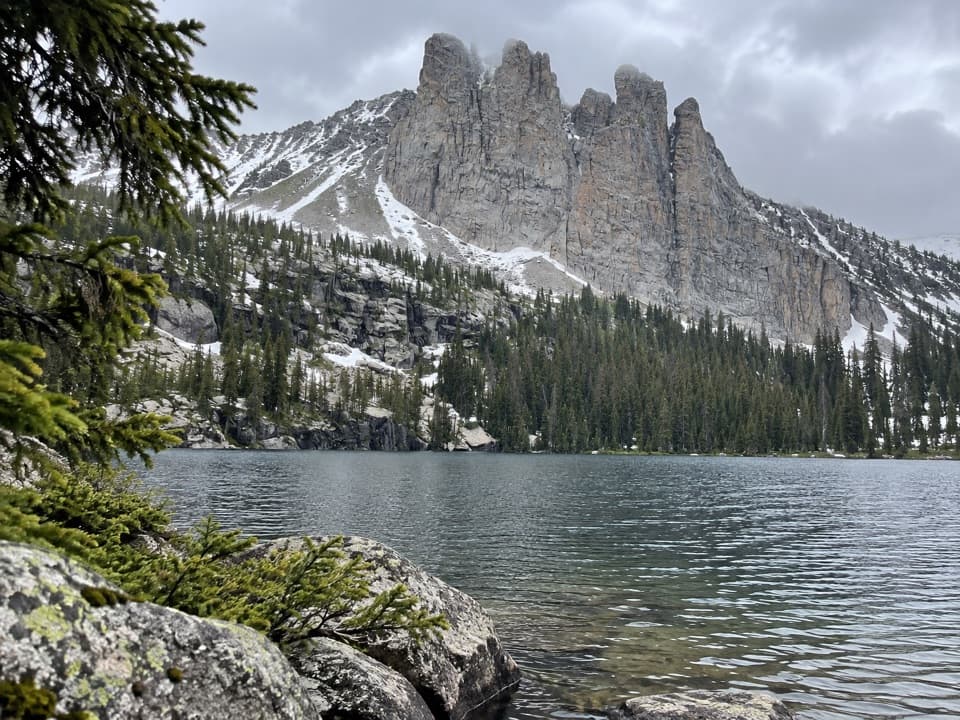
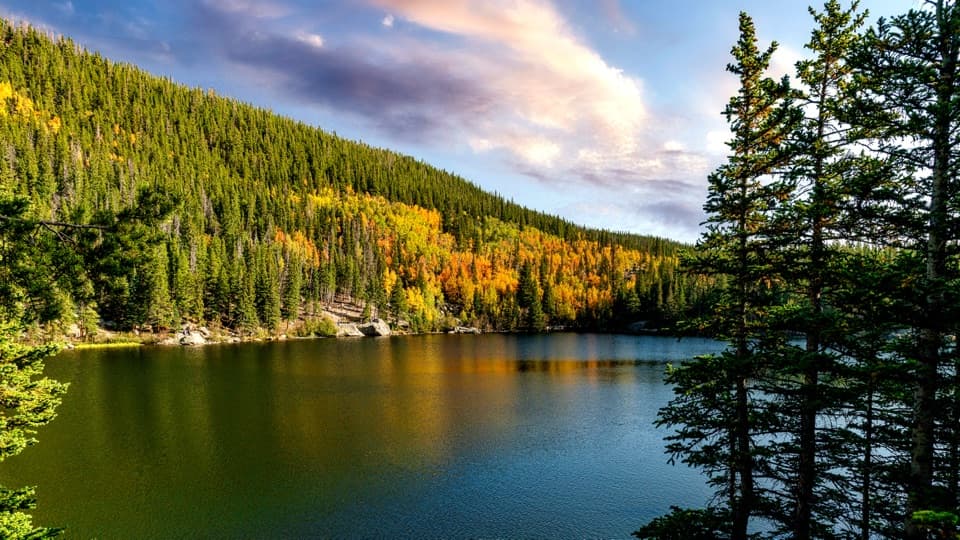
Lone Pine Lake sits above Grand Lake at over 9,500 feet, the first big alpine reward on the East Inlet’s string of lakes. It’s a longer day that feels wild and varied—roaring creek, waterfalls, broad meadows, and cliffside peeks back to Grand Lake—without the crush you’ll find on the Bear Lake side.

What You’ll See

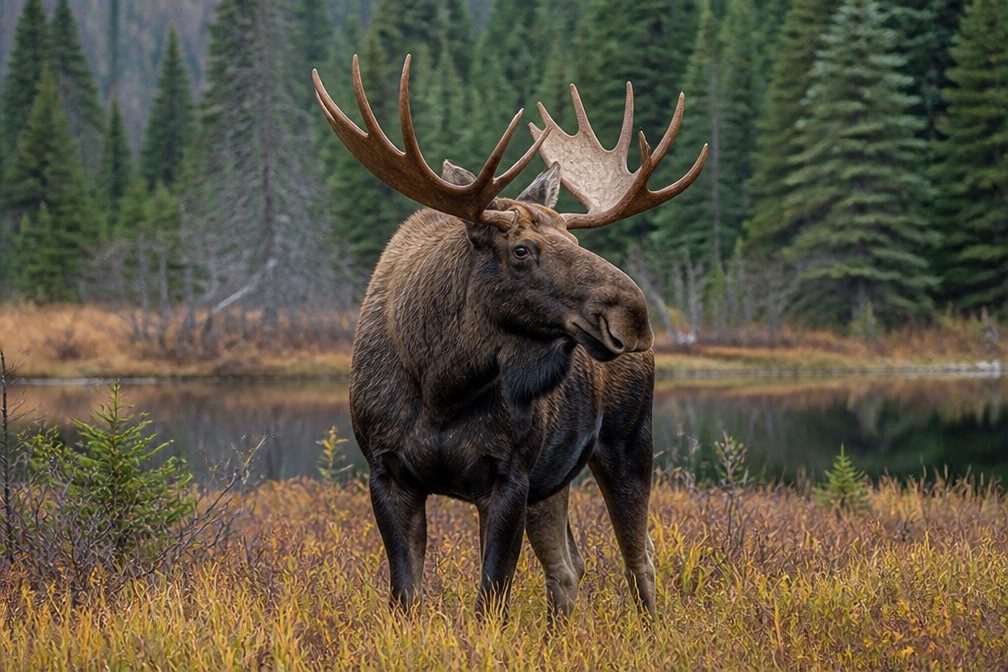
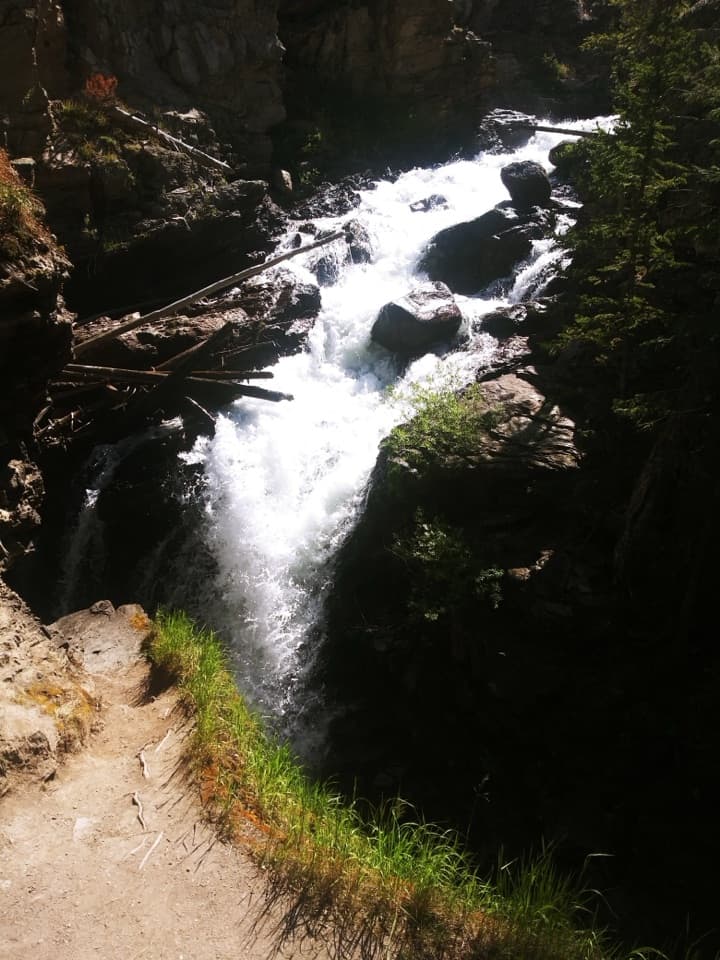
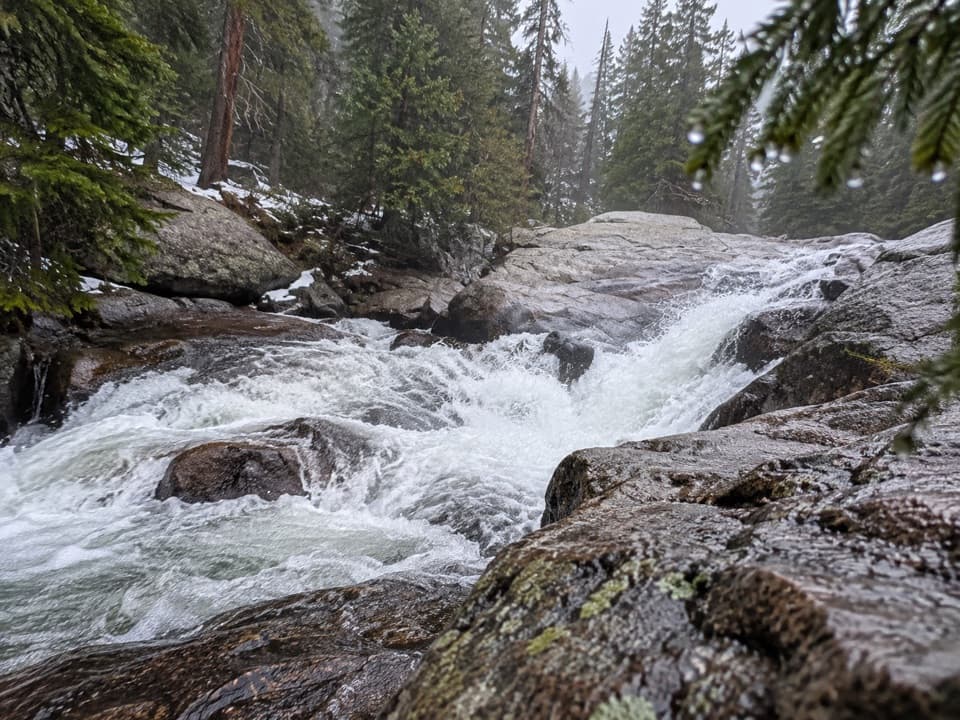
Expect an easy warm-up past Adams Falls and East Meadow before the trail tightens and starts climbing in earnest. The route traces East Inlet Creek, brushes past cascades and slick rock, and opens to classic glacial scenery carved into ancient granite. Keep an eye out in the meadows for moose; give them a wide berth if you’re lucky enough to spot one.

The Hike, At a Glance

  • Distance and gain: roughly 10–11 miles round-trip with about 1,800 feet of elevation gain. It’s a solid outing—strong hikers often clock ~5 hours moving time, but plan more if you linger at the lake.
  • Character: mellow start, then a sustained, sometimes steep climb. Limited cell service; download maps before you go.
  • Seasonal conditions: upper sections can hold snow and ice into mid-summer; traction like microspikes can be clutch when it’s slick.

Logistics & Regulations

  • Trailhead: East Inlet Trailhead near Grand Lake. There’s typically a vault toilet at the lot, but no potable water. The lot is shared with the very popular Adams Falls trail and fills early.
  • Wilderness camping: Several designated backcountry sites line this corridor on the way to the lake. An overnight wilderness permit is required. Campfires are prohibited; use a stove. Treat all water. In peak season (Apr–Oct), store food and scented items in a bear-resistant canister and keep it a good distance from camp. Display required parking tags for overnight vehicles.

Wildlife

This valley is classic moose habitat—especially around wetlands and meadows. Give wildlife space, keep dogs and bikes out of wilderness, and follow Leave No Trace so animals don’t learn bad habits around people.

How It Feels

It’s a “work-for-it” kind of lake: quieter than many east-side destinations, with diverse scenery that keeps the miles interesting. If you’ve got the legs (or an overnight permit), it’s a rewarding objective and a great stepping-stone toward the higher lakes beyond.

Best Time to Visit

  • Time of day: start early to snag parking, catch wildlife activity, and be off higher terrain before afternoon storms.
  • Season: late summer to early fall offers the firmest footing and fewer lingering snow patches. Weekdays are calmer. Morning light is best for photographing the lake and the valley on the approach.

Don’t Mix It Up

There’s another Lone Pine Lake in California on the Mount Whitney Trail. This one is the Colorado version on the East Inlet above Grand Lake.

Pros

  • Waterfalls and big-valley views along the East Inlet
  • Backcountry camps en route make overnights straightforward
  • Moose sightings are possible in the meadows

Cons

  • Long, sustained climb at roughly 10–11 miles round-trip
  • East Inlet parking fills by mid-morning
  • Snow and ice can linger into mid-summer

Tips

  • Arrive before 8am to beat the Adams Falls crowd and get parking.
  • Download an offline map; cell service is spotty to nonexistent.
  • Carry 2–3 liters per person or bring a filter to treat creek water.
  • Early season can be icy—pack microspikes if recent snow or freeze is reported.
  • Overnighters need a wilderness permit and a bear canister in season.
The Parkwolf tour guide sitting on a phone mounted in a car

Parkwolf Tour Guide

Like a tour guide in your car.

Save the places you found around Rocky Mountain, then let Parkwolf guide the drive between them.Download Parkwolf on the App Store