Place · 1.4 mi away

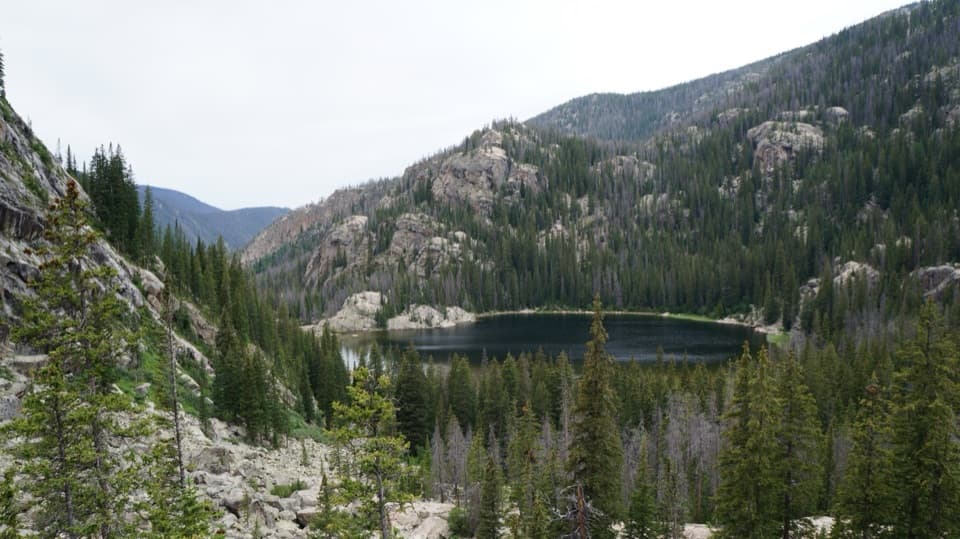
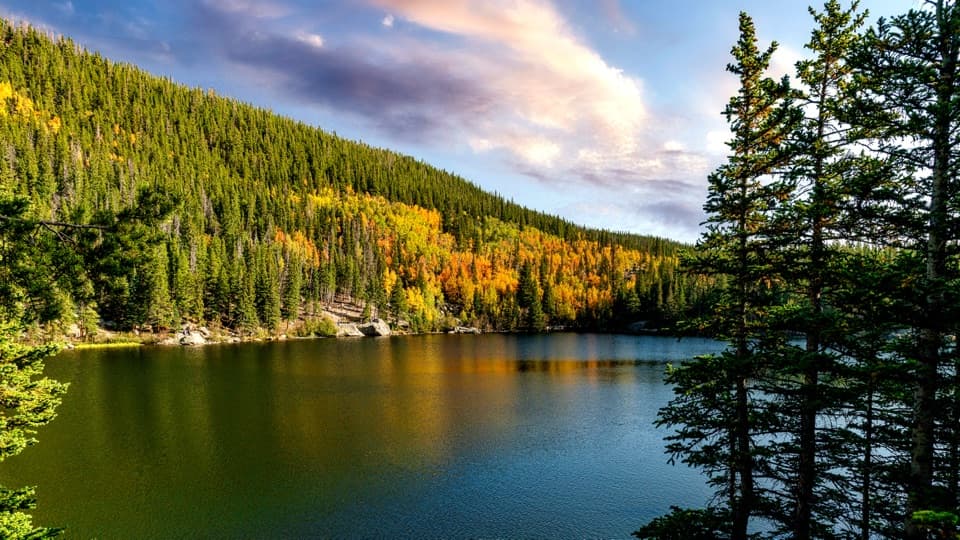
Lake Verna is a quiet, high-elevation lake tucked on the park’s west side, reached by the East Inlet Trail from Grand Lake. It’s a rewarding objective for strong day hikers and a superb base for backpackers. Expect a full-day effort with roughly 13.5 miles round trip and around 2,000 feet of climbing to about 10,280 feet.
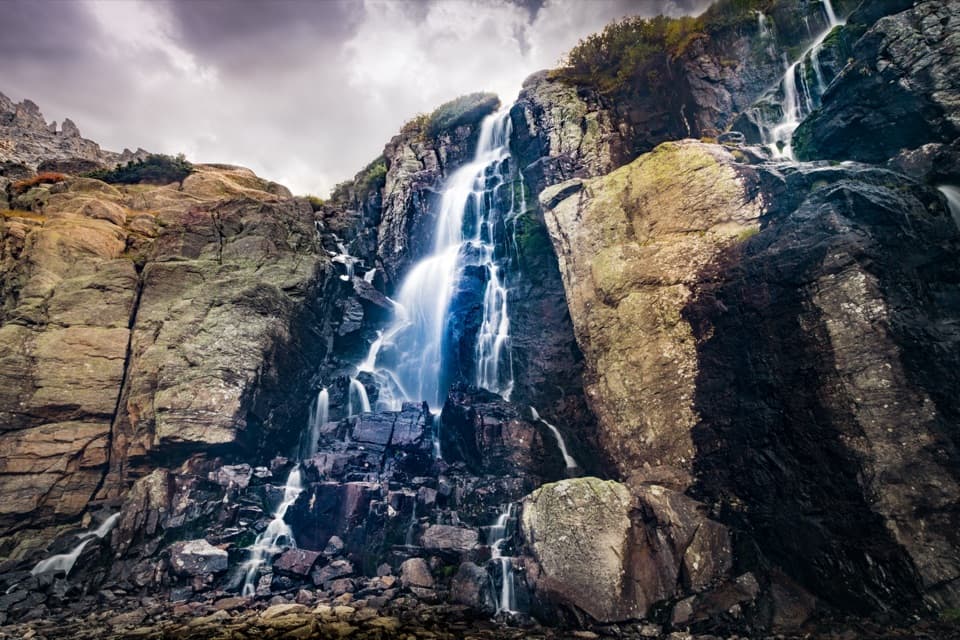
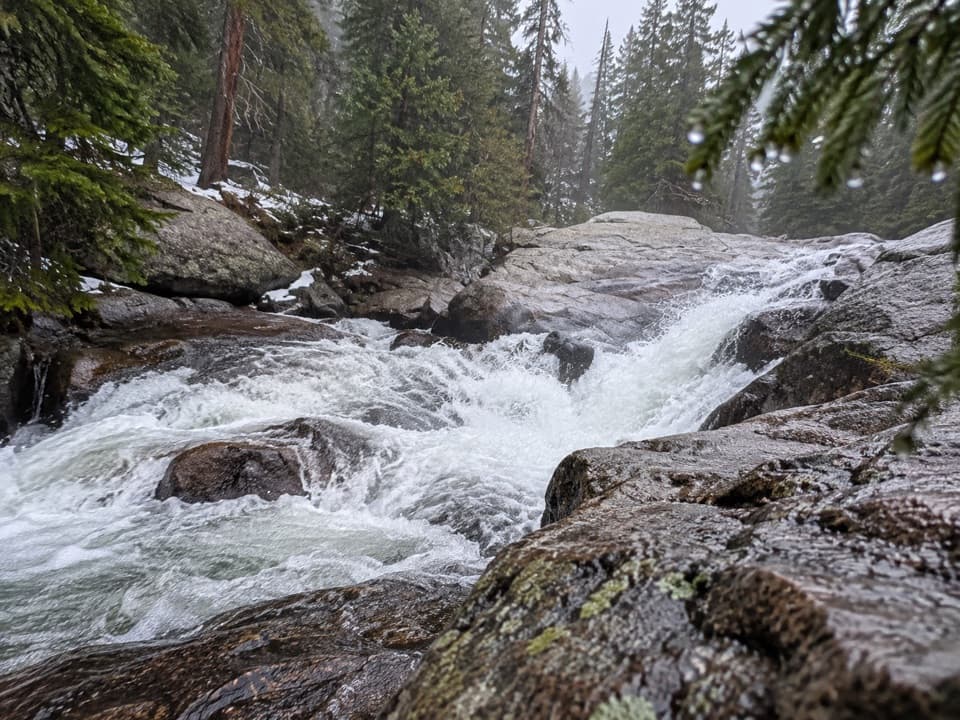
From the East Inlet Trailhead, you’ll pass popular Adams Falls, then meander through the broad East Meadow where the creek braids through open terrain. The grade stiffens as the trail climbs into spruce forest with occasional overlooks back toward Grand Lake. Most day hikers turn around at Lone Pine Lake (about 5.5 miles in), but continue another stretch on a rockier path to reach Lake Verna.
The maintained trail effectively ends at Lake Verna. An informal, faint path continues along the north shore toward Spirit, Fourth, and Fifth Lakes. It grows overgrown and harder to follow the farther you go, so only continue if you’re comfortable with route-finding.
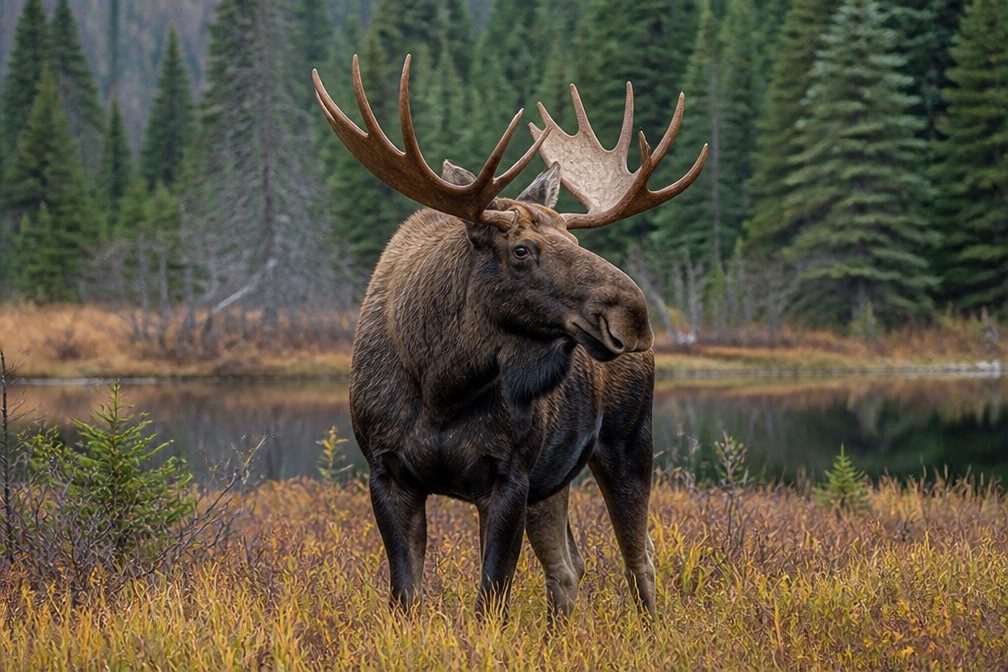
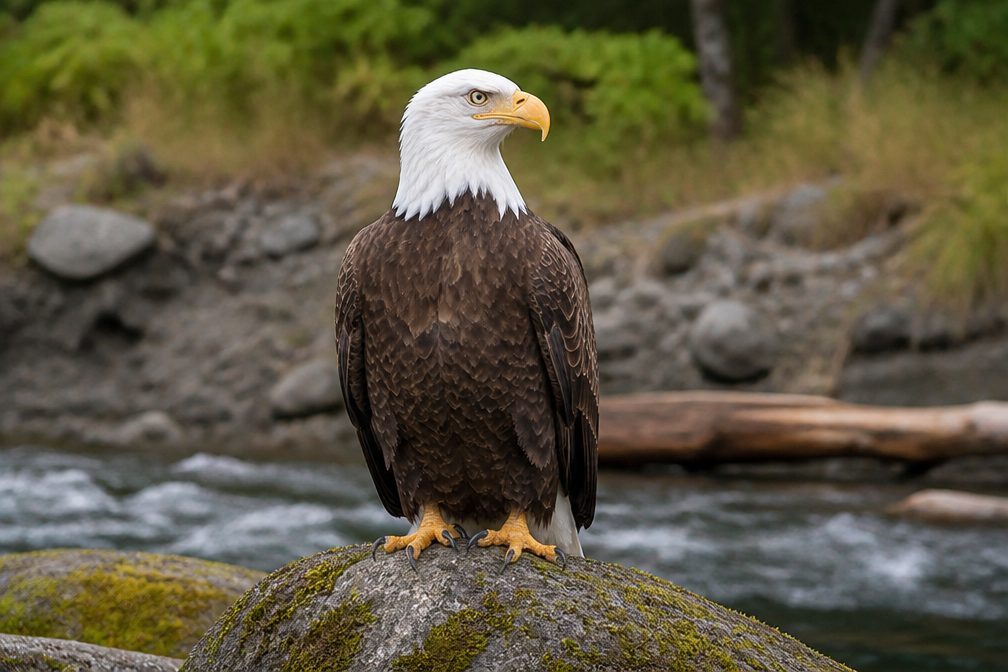
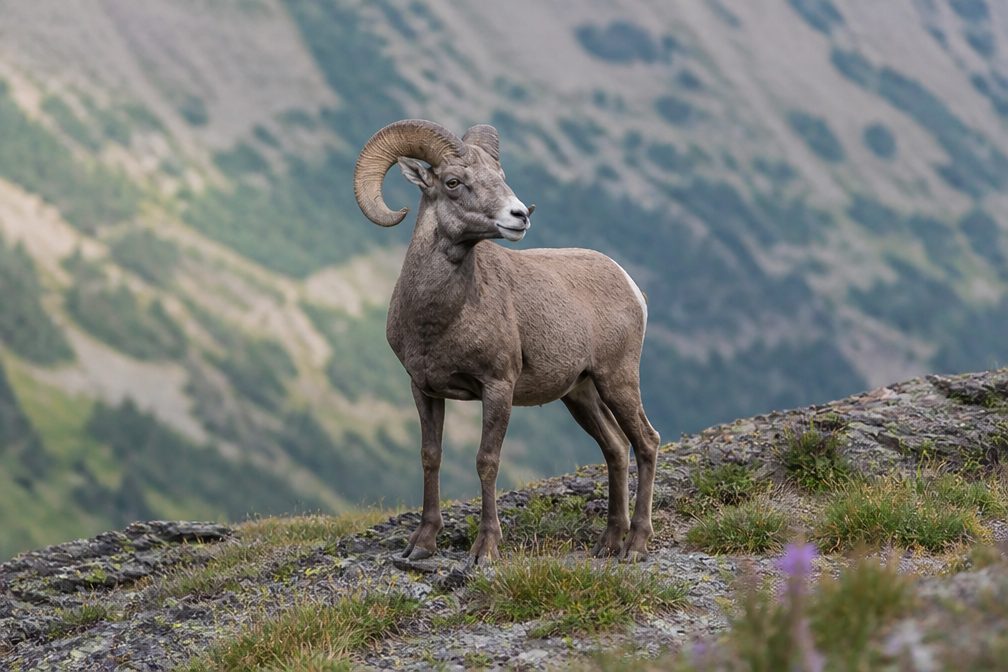
You’re hiking a classic west-side lake chain: meadow views, forested climbs, and a tranquil alpine basin at the finish. This corridor is known for wildlife—moose are often spotted in the meadows and sometimes near the lakes. You’ll also see the usual small critters, seasonal wildflowers, and, with luck, birds of prey higher up the chain. Some hikers report mountain lion sign; stay alert, give all wildlife space, and keep food secured.
There’s a designated backcountry campsite near the west end of Lake Verna. Permits are required. Campfires are prohibited here—bring a portable stove. Bear-resistant canisters are mandatory in season, and all water must be treated or boiled (the lake’s outlet stream on the west side is a common source). There are no privies at the lake; follow Leave No Trace for waste and gray water.
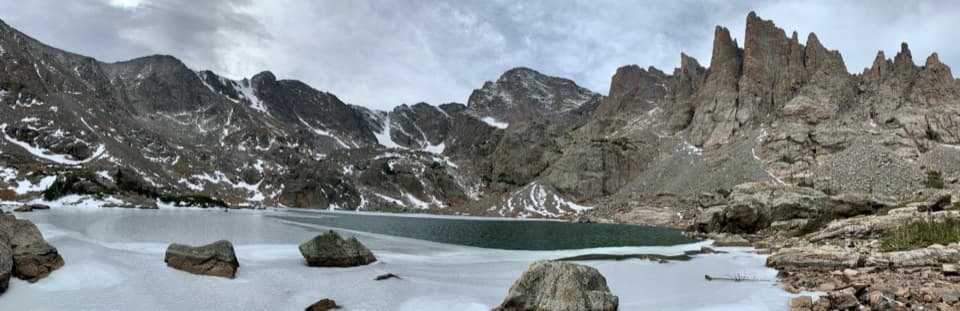
Weather swings fast at elevation. Even in summer, higher sections can hold lingering snow; traction can help in shoulder seasons. Afternoon thunderstorms are common—plan to be off exposed areas early. Cell coverage is spotty at best; some hikers find signal, many don’t, so download maps ahead of time and don’t rely on reception.
May through September is the main window, though early season can still mean snow. Start at sunrise to secure parking near Adams Falls, enjoy calm morning reflections on the lake, and dodge afternoon storms. Weekdays are quieter beyond the falls. In fall, the East Inlet corridor lights up with aspen color. During reservation periods, timed-entry rules may apply on the west side—check current park guidance before you go.
If you like long, steady climbs to a peaceful alpine basin and the option to push to wilder upper lakes, Lake Verna is absolutely worth the effort. If you’re short on time or energy, consider turning around at Lone Pine Lake and saving Verna for a bigger day.