Cascade Falls

Moody west-side waterfall via a mellow, wildlife-rich hike
Cascade Falls, Rocky Mountain National Park
InsideRocky Mountain National Park

Overview

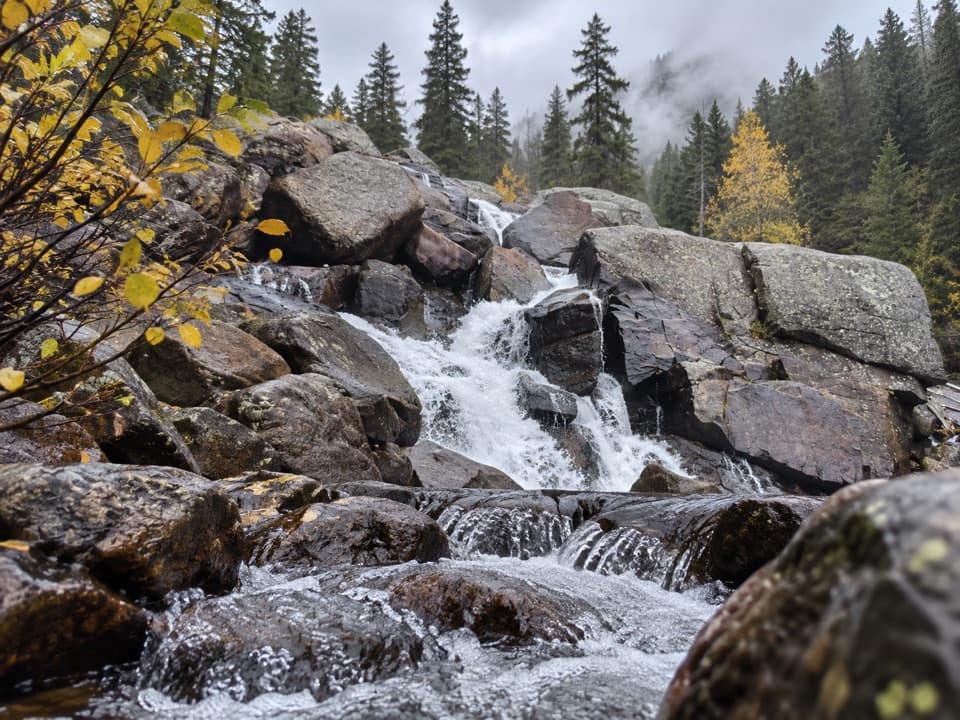
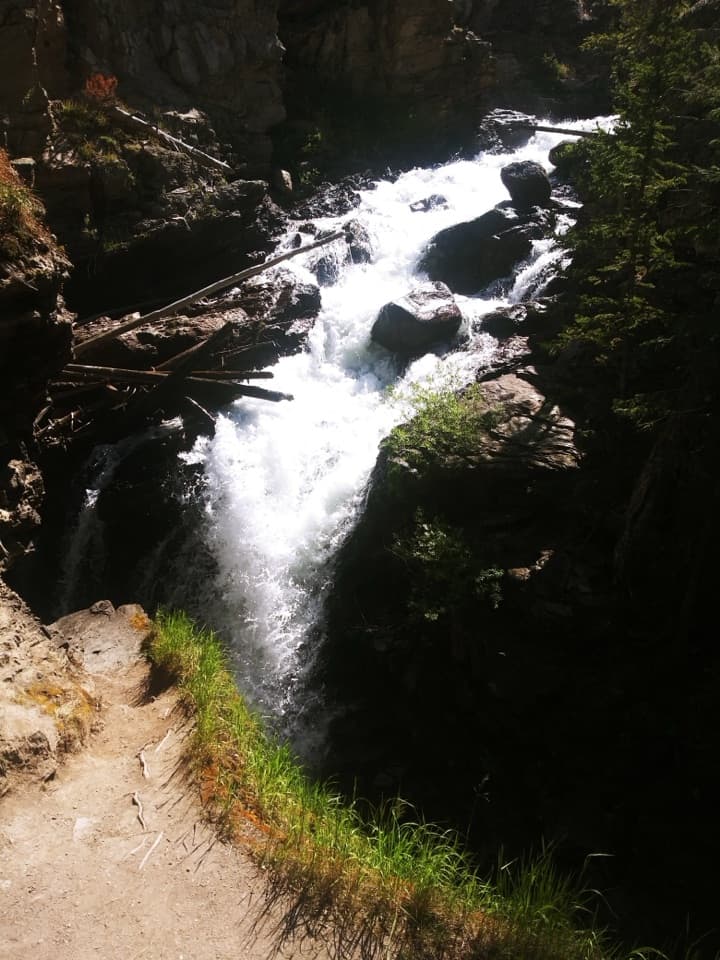
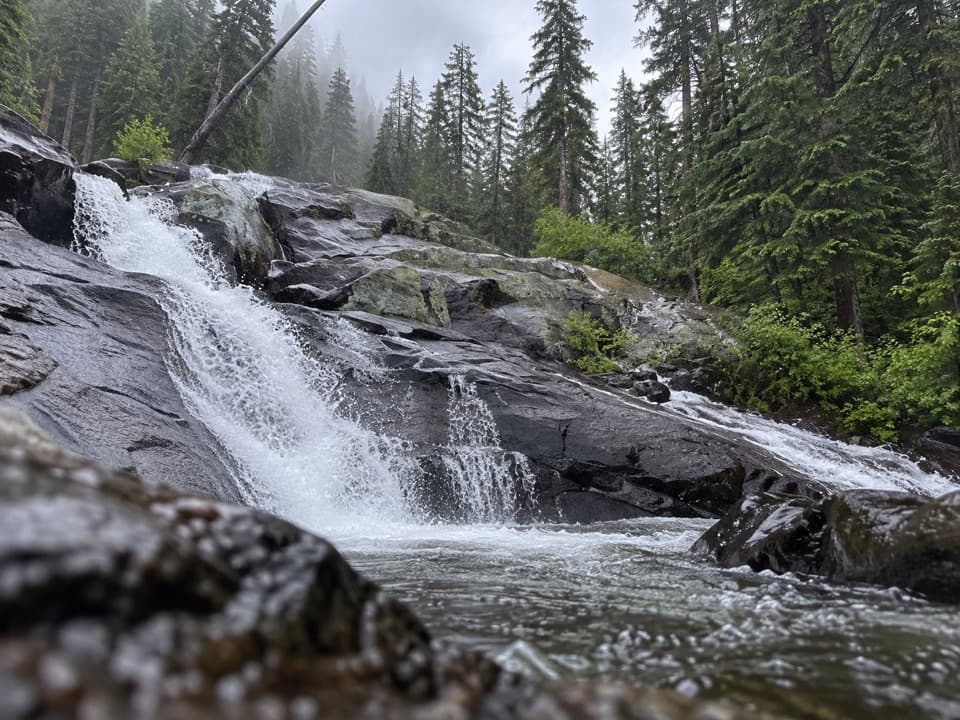
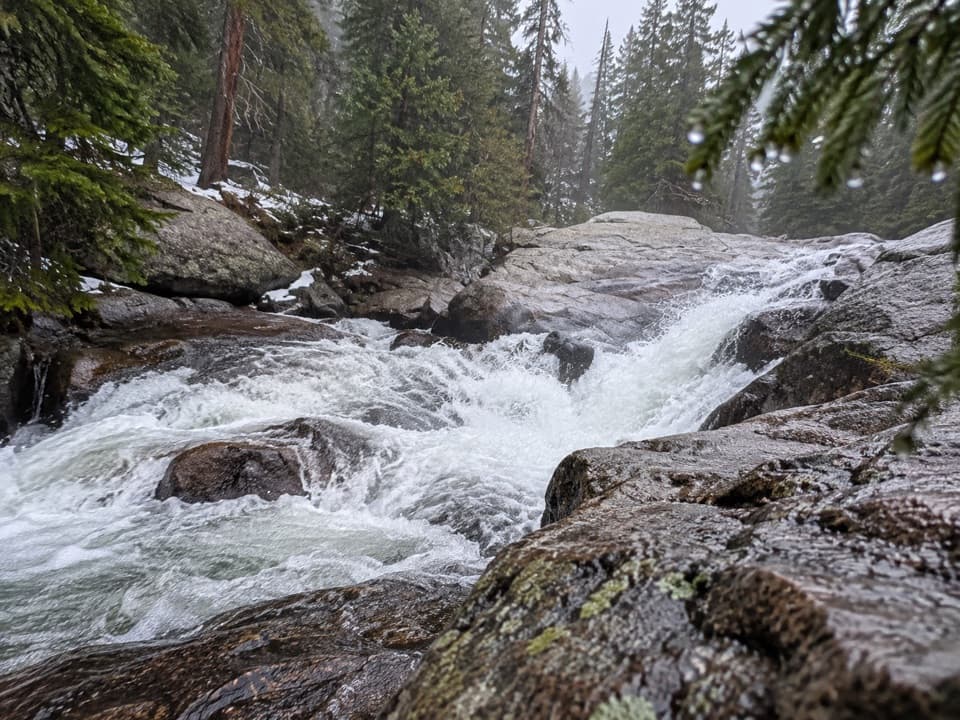
If you’re staying on the Grand Lake side and want a classic waterfall payoff without a brutal climb, Cascade Falls is your move. The namesake is a roughly 100‑foot cascade spilling over granite, more of a long, tumbling sheet than a single drop—great for photos and lingering.

The Hike

You’ll reach the falls via the North Inlet Trail, an out-and-back of about 6.8–7 miles round-trip with roughly 400–650 feet of steady gain—solidly moderate for most hikers. The first mile is gentle and open, then the trail narrows and rolls through recovering forest and meadows with occasional rocky sections. Near the falls, expect a brief narrow bit along a rock outcrop and optional light scrambling if you want different angles on the water.

What Makes It Special

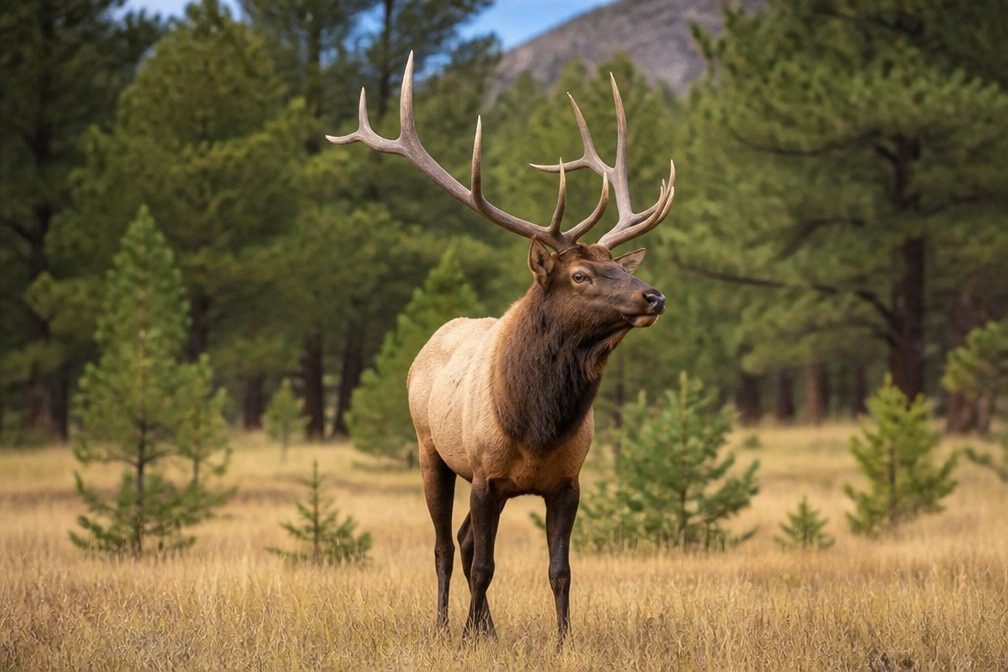
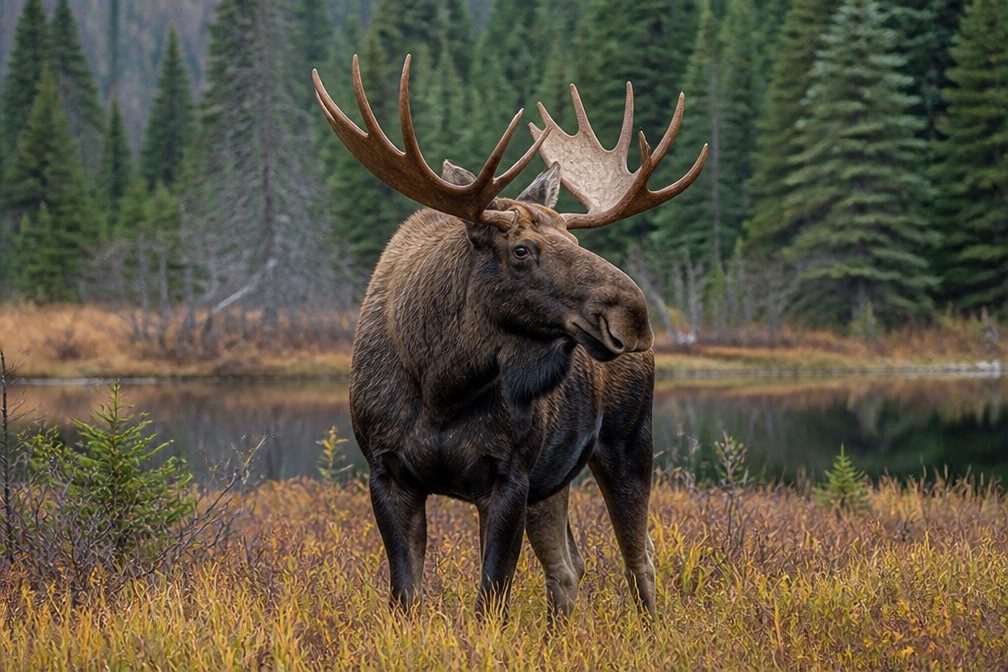
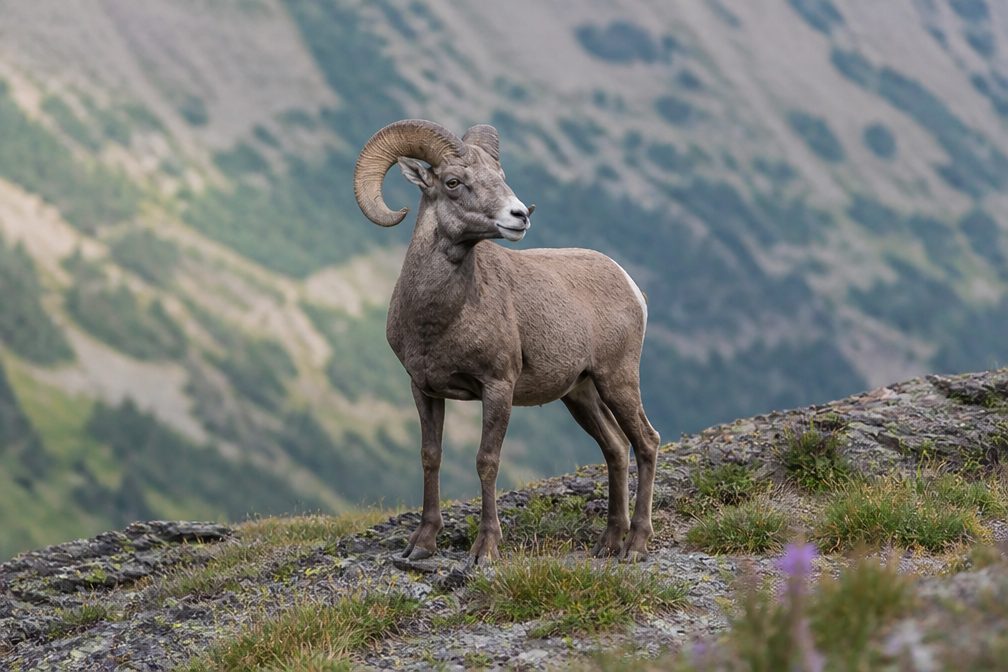
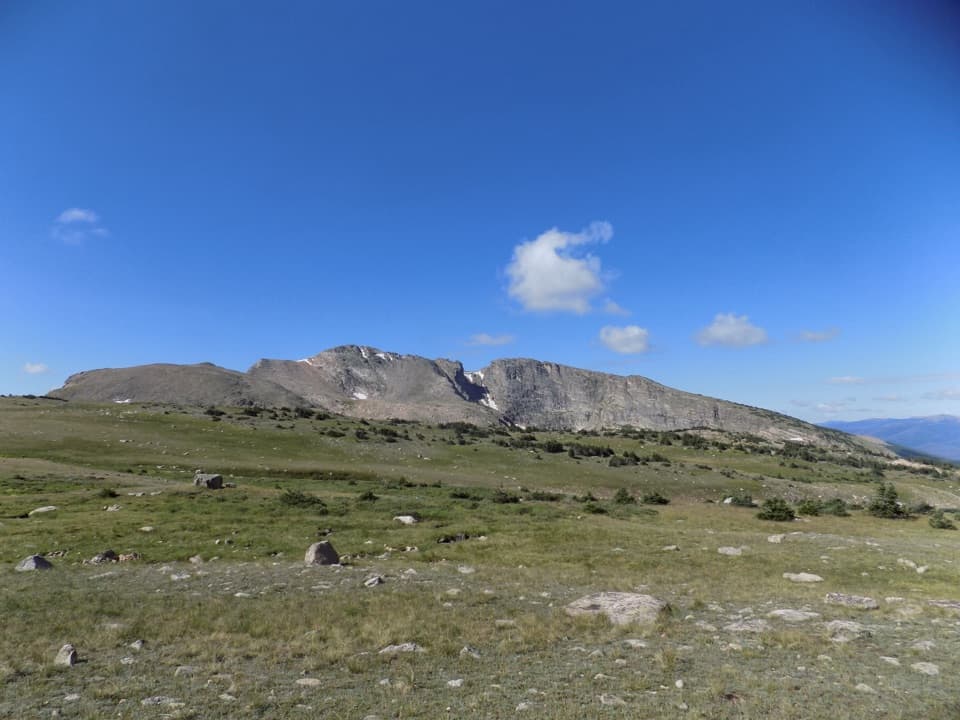
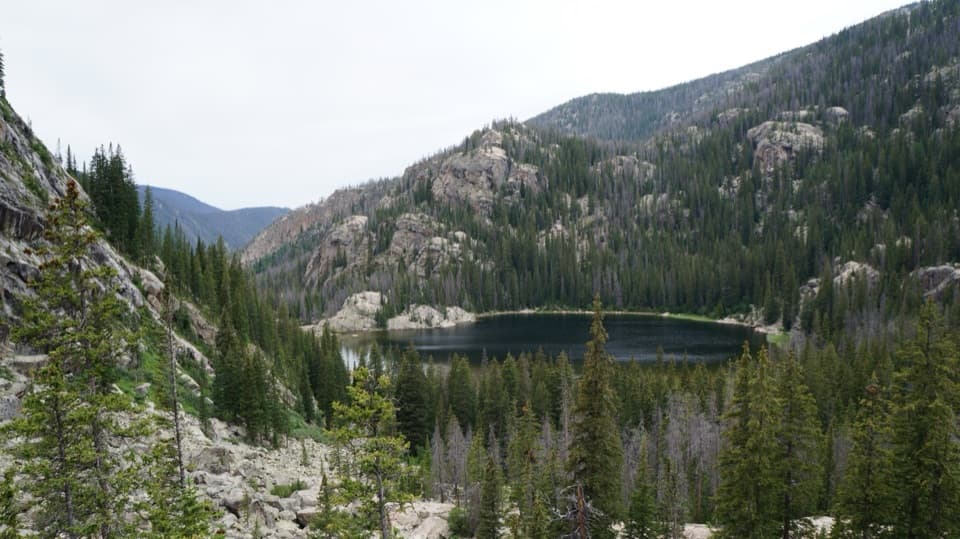
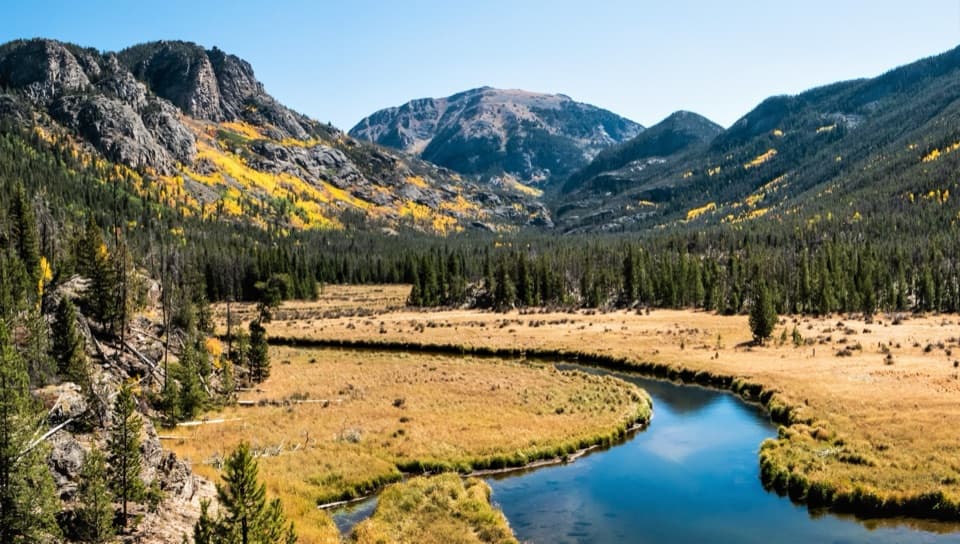
It’s the combination of an impressive, multi-tiered cascade and a mellow approach that keeps this one underrated. The west side is quieter than the Bear Lake madhouse, and you’ll often share the trail with moose and elk (give them a very wide berth). In summer, wildflowers pop in the meadows; late summer can bring berry bushes along the way.

Fire Impacts to Know

The 2020 East Troublesome Fire swept through parts of this route. Shade is limited in those sections, and the sun can be intense. The silver lining: wide-open views and a front-row seat to the forest’s recovery, with wildflowers and new growth returning.

Logistics

Start from the North Inlet Trailhead outside Grand Lake. Parking is limited and fills quickly on summer weekends. There’s a vault toilet at or near the trailhead. Timed-entry reservations are in effect May–October; without one, plan to enter early morning or late afternoon as allowed by the current system. Dogs aren’t permitted on park trails.

Trail Conditions and Footing

Mostly packed dirt with some rocky segments and a short, narrow stretch with minor exposure. Trekking poles are handy for the descent and exploring around the falls. Bridges cover small stream crossings. After recent storms in spring or fall, expect icy patches and consider traction.

Wildlife

Moose are common on this corridor, especially near wet meadows; elk also roam, and bears are occasional. Keep plenty of distance, make noise in brushy areas, and never approach or feed wildlife.

Best Time to Visit

May through October is the sweet spot. Go early for cooler temps, easier parking, and better wildlife chances. Midday sun is harsh for photos (and hikers) in the burn scar; morning or late afternoon light flatters the falls. Flow is typically stronger earlier in summer or after rains.

Pros

  • Big, photogenic waterfall with multiple viewpoints
  • Frequent moose and elk sightings along the approach
  • Quieter west-side destination

Cons

  • Little shade through 2020 burn scar; hot by midday
  • Small trailhead parking fills early

Tips

  • Start at sunrise to nab parking, cooler temps, and better wildlife chances.
  • Bring extra water and sun protection—the burn scar bakes by midday.
  • No timed-entry reservation? Aim to enter early morning or later afternoon per current rules.
  • Use trekking poles for the rocky, narrow outcrop near the falls.
  • From the main cascade, check upper and lower viewpoints and wander 10–15 minutes farther for bonus scenery.
The Parkwolf tour guide sitting on a phone mounted in a car

Parkwolf Tour Guide

Like a tour guide in your car.

Save the places you found around Rocky Mountain, then let Parkwolf guide the drive between them.Download Parkwolf on the App Store