
Place · 1.7 mi away
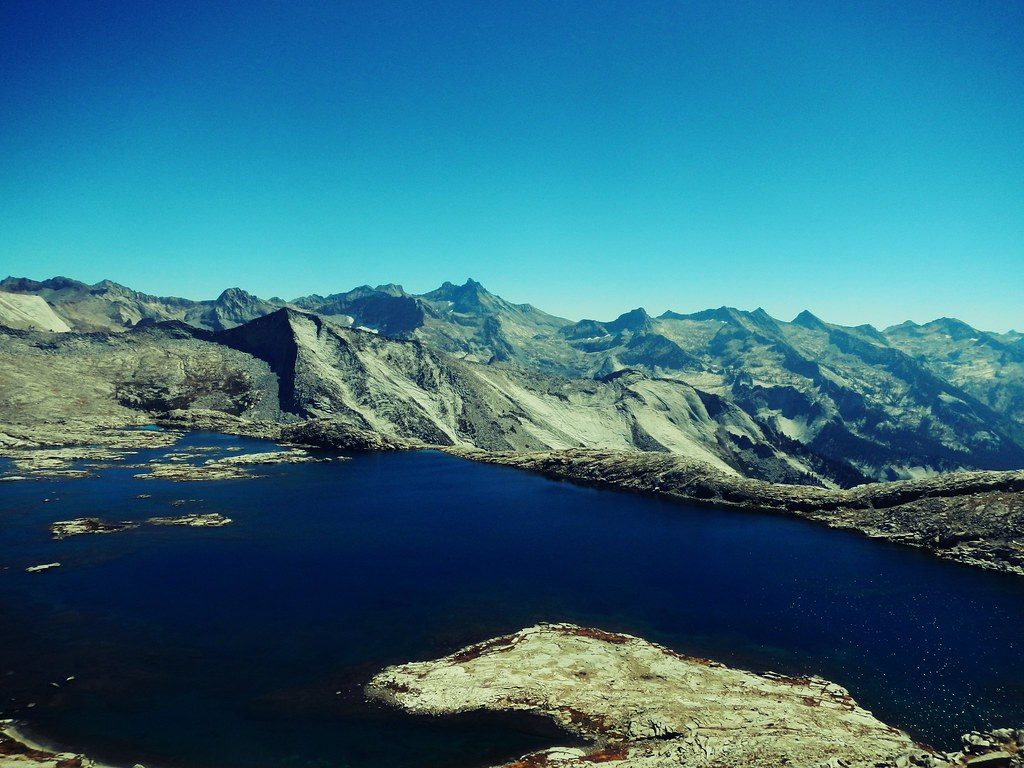
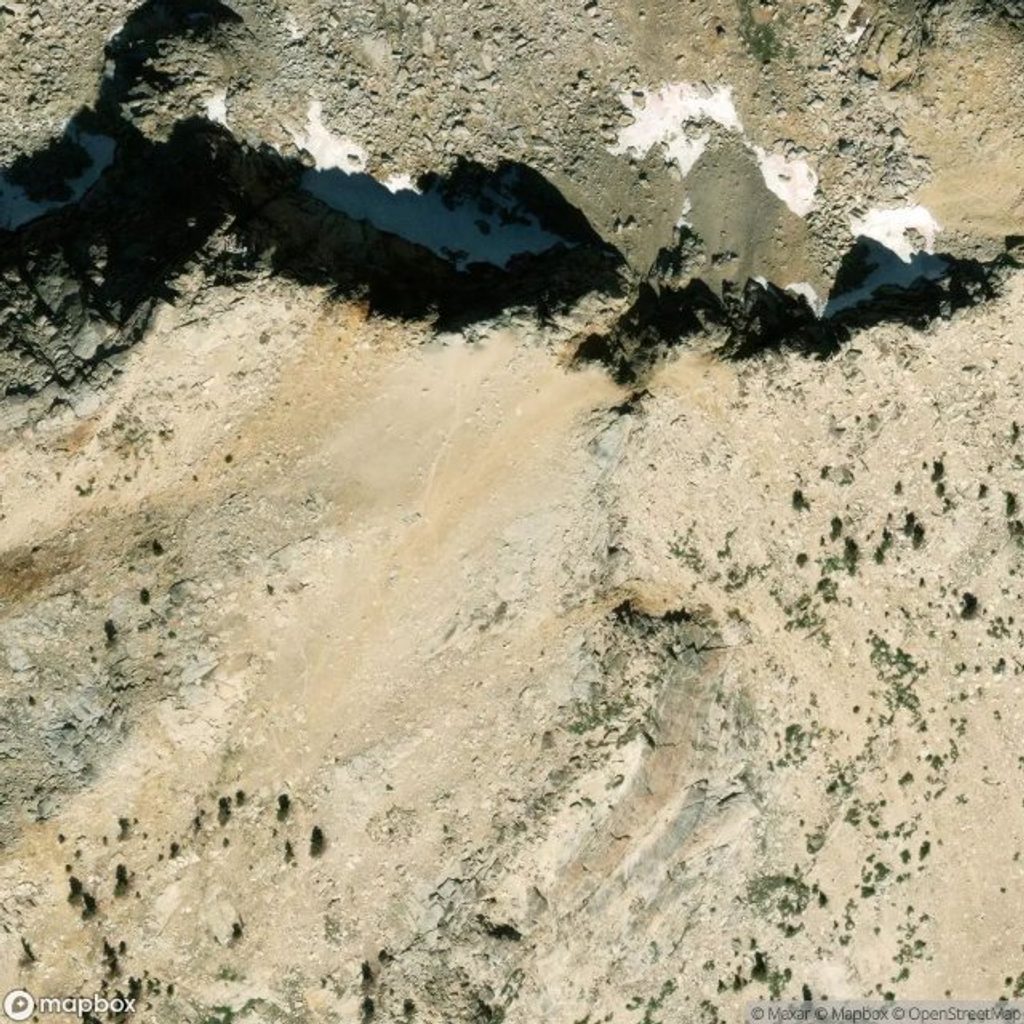
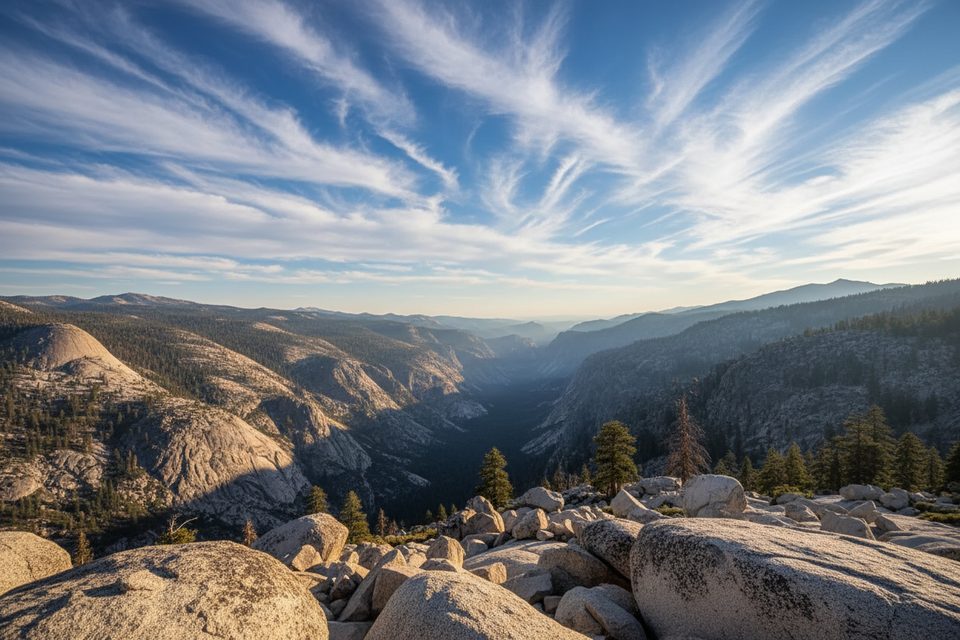
Moose Lake is a high, open-basin alpine lake that feels like it sits on top of the world—broad granite slabs, minimal trees, and big 360-degree views of the Tablelands and the Great Western Divide. It’s a prize for strong hikers who don’t mind leaving the official trail and navigating across polished granite.
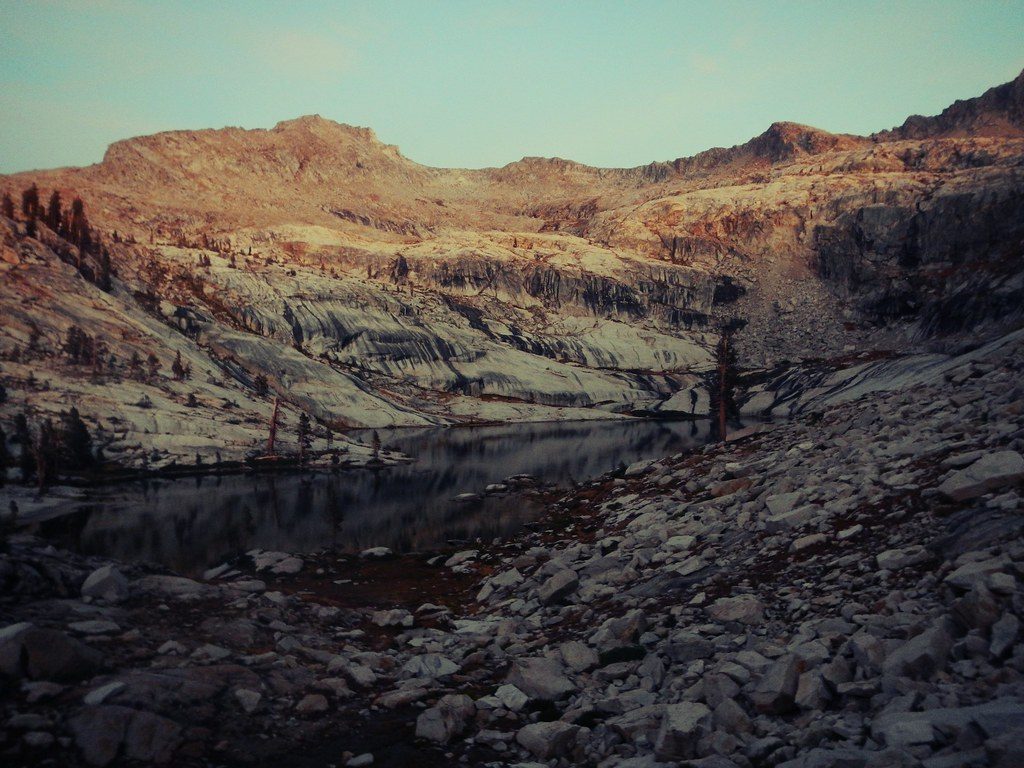
Most hikers approach on the Lakes Trail from the Wolverton trailhead, passing Heather and Emerald Lakes to reach Pear Lake. From Pear, the final push to Moose Lake is off-trail: a steep climb out of the basin and then mostly Class 1–2 travel on granite slabs with a choose‑your‑own‑adventure feel. Expect intermittent cairns and multiple gullies—navigation takes longer than it looks.
Above Pear you enter classic Tablelands country: wide, glaciated granite with little shade and huge horizons. Moose Lake sits around 10,000 feet and overlooks deep country, with reported views toward canyons thousands of feet below. On calm summer afternoons some hikers even take a dip.
Early season can bring lingering snow patches above Pear; cold snaps can leave icy sections on exposed traverses. The slabs between Pear and Moose are fully exposed—bring strong sun protection and extra water capacity. Mosquitoes can be brutal in early to mid‑summer, especially at meadows; marmots are notorious gear‑chewers here. Black bears roam the area—practice strict food storage.
Many parties camp at Pear Lake and day-hike or continue to Moose the next morning. Pear has bear boxes and toilets; Moose Lake has no amenities. Camp at least 100 feet from water and follow Leave No Trace. Overnight trips require a wilderness permit (Lakes Trail entry).
Late June through September is typical, with early summer snow patches possible above Pear in big-snow years. Expect fewer bugs and drier ground by late summer, but strong sun and chilly nights at elevation. Start early for cooler temps and steadier footing; mid‑day light and heat can be punishing on the slabs.
Place · 1.7 mi away
Place · 1.7 mi away
Place · 1.8 mi away
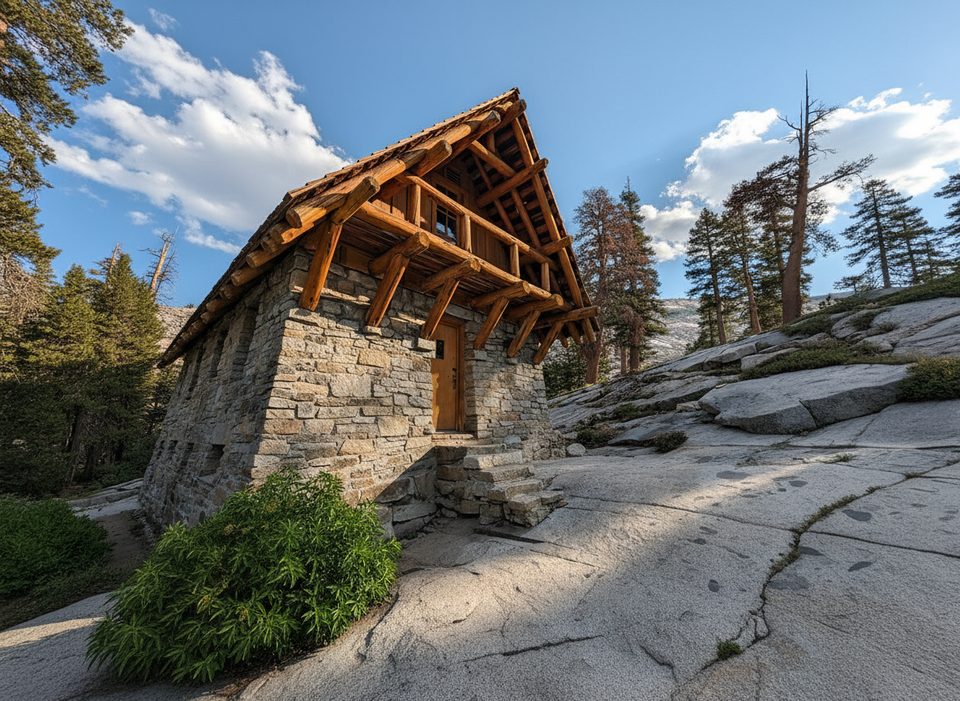
Place · 1.9 mi away
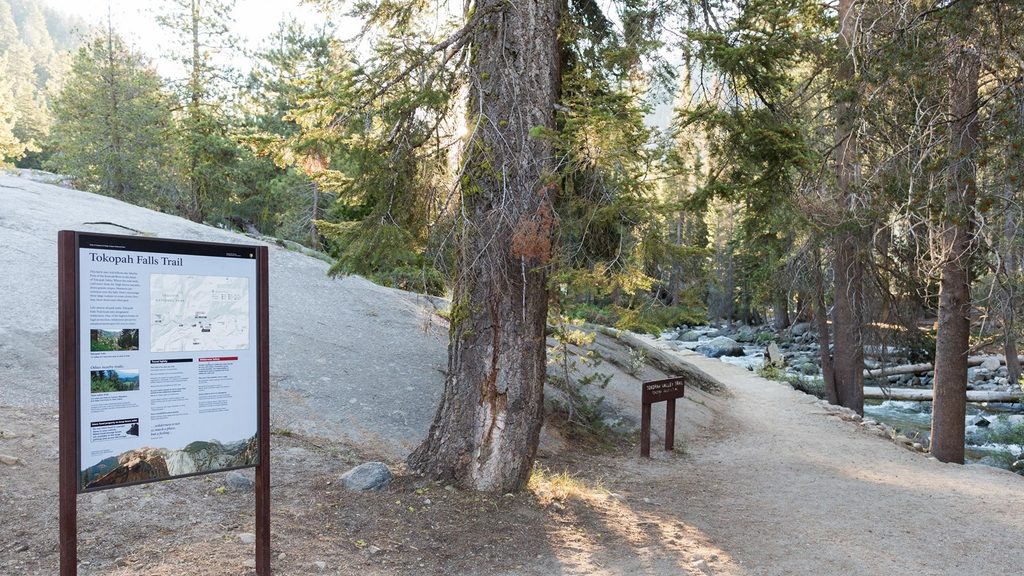
Easy · 4.7 mi away
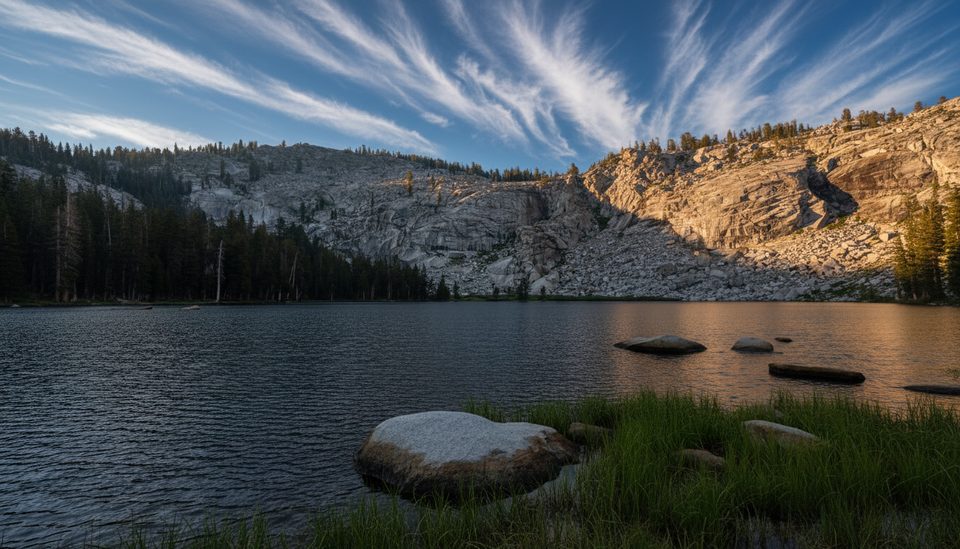
Challenging · 4.8 mi away
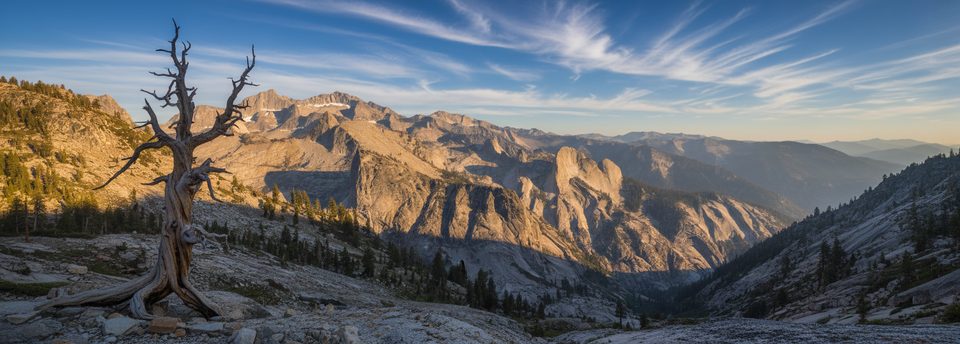
Moderate · 4.8 mi away
Challenging · 5.3 mi away

Parkwolf Tour Guide
