
Place · 2 mi away
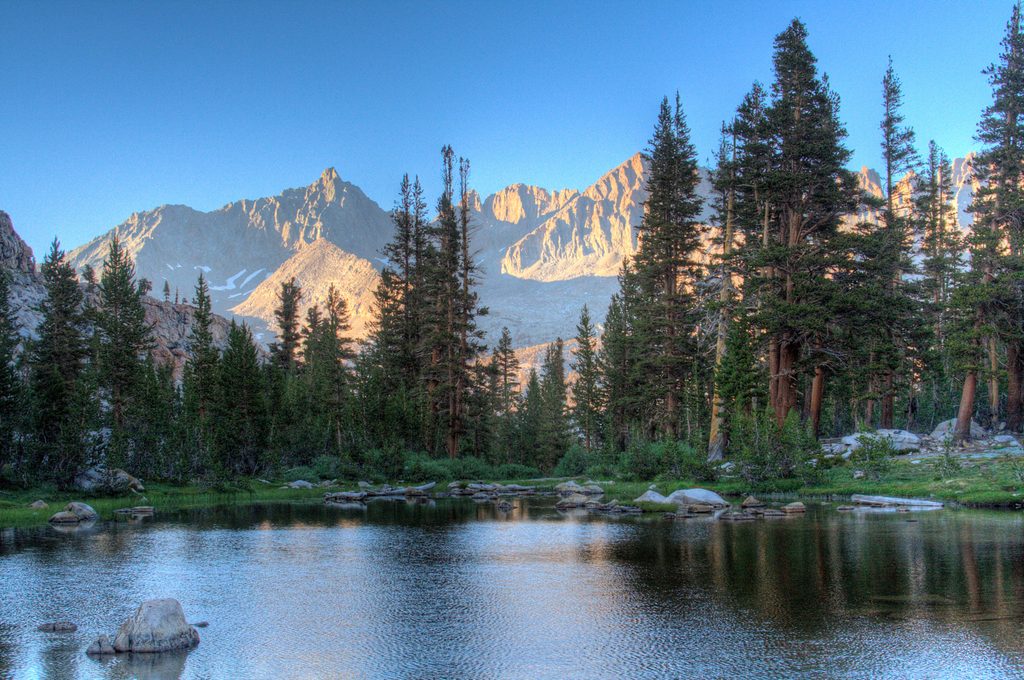
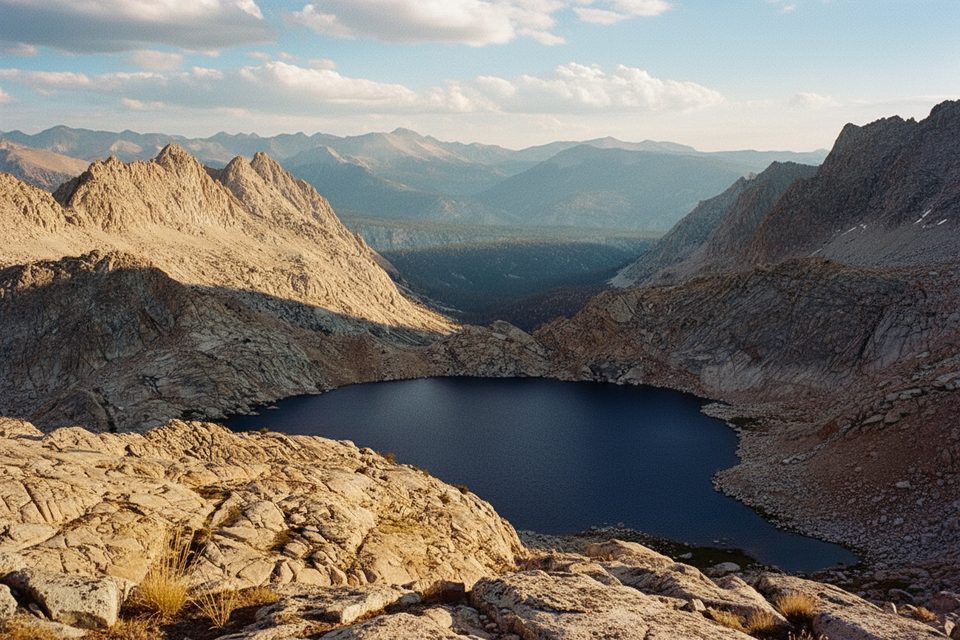
Pinto Lake sits in the Cliff Creek basin of Mineral King’s high country—a compact alpine lake ringed by classic Sierra granite, meadows, and nearby cascades. It’s remote, quiet, and gorgeous, but you earn it.
Most hikers reach Pinto Lake from the Mineral King trailheads via Timber Gap: climb to the gap, descend to Cliff Creek, then tackle a stout climb to the lake. As an out-and-back, it’s roughly 16 miles round trip with significant cumulative elevation gain—many make it an overnight. Strong backpackers often link Pinto Lake into a bigger, very strenuous loop over Black Rock Pass with the Little/Big Five Lakes, Lost Canyon, Columbine Lake, and Sawtooth Pass. Expect long, steep ascents, some overgrown sections, loose rock on Sawtooth, and occasional route-finding.
This is a true backcountry spot: no developed facilities at the lake. You’ll find established campsites and bear-proof storage bins right at Pinto Lake. Water is typically plentiful along the route and at the lake—treat before drinking. The nearest developed restrooms are down in the Mineral King area near the ranger station picnic site along the road.
Black bears are common—use the bear boxes, keep a clean camp, and follow all food storage rules. Marmots in Mineral King have a reputation for chewing hoses and wiring under parked cars; follow current precautions before you head up the trail. Insect pressure can be heavy June–August around meadows and water—bring robust repellent and consider a head net.
Access is generally late spring through early fall; Mineral King Road and services close with snow. In summer, plan for potential afternoon thunderstorms and try to be over high passes before early afternoon. Expect portions of the trail to be overgrown in places.
Overnight trips require a wilderness permit and the standard park entry fee. Parking at Mineral King trailheads is limited to medium-sized lots—arrive early, especially on weekends. There are no services in winter and shoulder seasons.
Late June through September is typical, depending on snow. Weekdays are quieter. Start early for cooler temps, steadier footing, and to beat summer storms. For photos, morning and late afternoon light are best; mid-summer bug season can make lingering at the lake less relaxing.
Poles are strongly recommended for the steep climbs and the loose sections on the bigger loop. Treat all water. Build conservative days if you’re linking multiple passes—this terrain is gorgeous but unforgiving.
Place · 2 mi away
Place · 2 mi away
Place · 2.3 mi away
Place · 2.4 mi away
Challenging · 2.5 mi away
Challenging · 2.5 mi away
Challenging · 2.5 mi away
Challenging · 2.6 mi away

Parkwolf Tour Guide
